Türkiye’de bahis severler için en çok tercih edilen bettilt giriş adreslerden biri olmaya devam ediyor.
Curacao lisanslı platformlar arasında güvenilirlik açısından üst sıralarda bahsegel giriş yer alan, uluslararası denetimlerden başarıyla geçmiştir.
Kazançlı bahis deneyimi arayan herkes için bettilt doğru seçimdir.
Rulet masalarında en çok tercih edilen bahis türleri arasında kırmızı/siyah ve tek/çift seçenekleri yer alır; pinco giriş bu türleri destekler.
Basketbol tutkunları için en iyi kupon fırsatları bettilt sayfasında yer alıyor.
Bridging the Gaps Between Care Settings to Improve Recovery and Strengthen Patient Trust
In value-based care, outcomes matter more than ever—but achieving them takes more than good clinical intentions. Providers are under growing pressure to reduce hospital readmissions and keep patients engaged long after they leave the exam room or hospital bed. The stakes are high. Financial penalties, missed benchmarks, and patient dissatisfaction can all result from just one dropped handoff or missed follow-up.
So why do these gaps keep happening? Often, it’s not a clinical failure—it’s a systems failure. Disconnected tools, inconsistent workflows, and siloed data make it nearly impossible to deliver the kind of continuous, personalized care that value-based models demand.
That’s where the right technology becomes essential—not just as a tool, but as the glue that holds the entire care journey together. If your organization is still relying on piecemeal systems, now’s the time to rethink your approach to engagement, outcomes, and coordination.
Hospital Readmissions and Patient Drop-Offs: A Costly Reality
Value-based care was meant to change everything—better outcomes, lower costs, more engaged patients. But let’s be honest: hospital readmissions remain a stubborn problem. Despite efforts to improve care transitions, far too many patients bounce back into emergency departments or inpatient beds within weeks of discharge. And the financial penalties that follow? They can hit hard.
Why is this happening? One major reason is that many health systems still rely on fragmented technologies and reactive workflows. They discharge patients with printed instructions, maybe a call a week later, and hope for the best. But hope isn’t a strategy—especially not in value-based care.
The real issue? We don’t lose patients in the hospital. We lose them at home.
Disconnected Systems Fuel the Engagement Gap
Once a patient leaves your building, how do you stay in touch? How do you know they’re taking their medications or noticing early symptoms of a complication? If your system can’t answer those questions in real time, your risk of readmission just went up.
Let’s break down some of the top reasons patients disengage after discharge:
- Lack of clear, personalized instructions
- No easy way to track recovery or ask questions
- Overwhelmed by new medications or care routines
- Unaddressed behavioral or emotional health needs
- Barriers like transportation, housing, or food insecurity
This isn’t just a communication problem—it’s a coordination problem. And solving it requires a new kind of technology: a unified platform that can support patients and care teams from hospital to home.
What a Unified VBC Platform Actually Does (That Traditional Tools Don’t)
A unified value-based care platform isn’t just another portal or patient app. It’s a connected ecosystem that brings together care plans, communication, monitoring, education, and insights into one seamless experience—for both patients and providers.
Here’s what sets it apart:
1. Personalized Post-Discharge Pathways
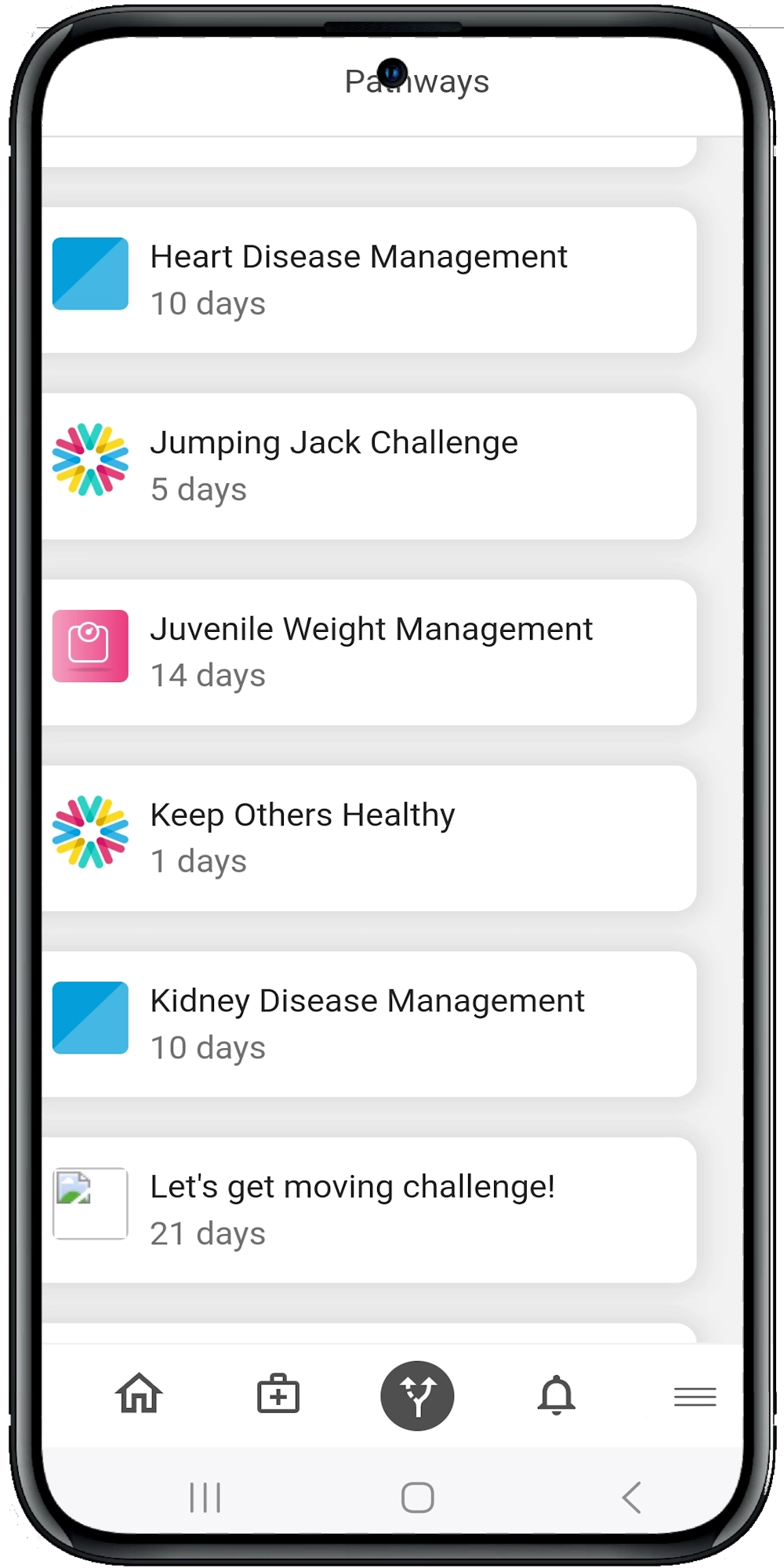
A unified platform allows care teams to send patients home with more than paper instructions. Instead, they receive a digital recovery pathway—customized to their condition, surgery type, or chronic illness.
These pathways can include:
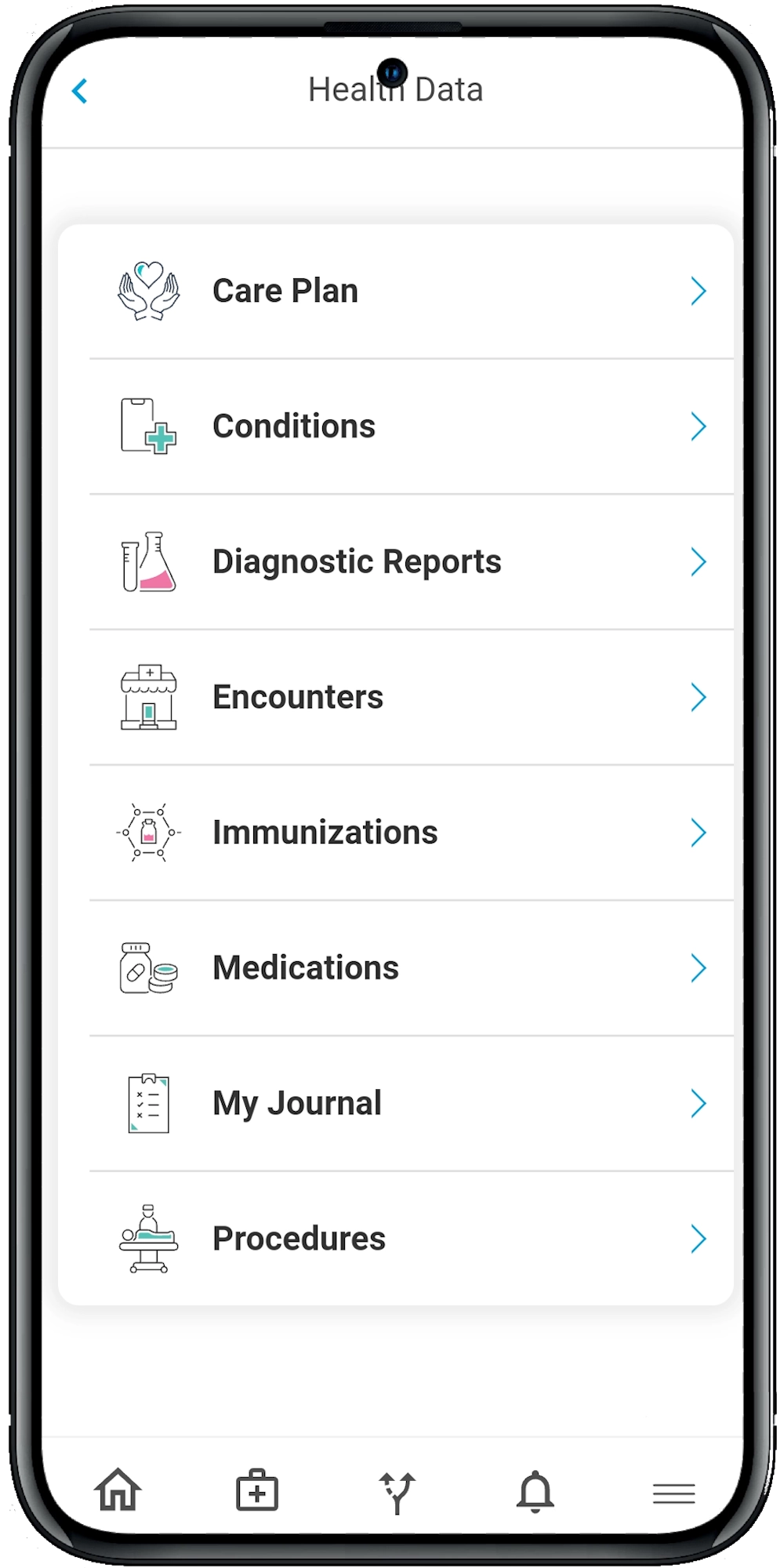
- Daily step-by-step guidance (e.g., walk 10 minutes, take medication, check your wound site)
- Check-in questions to track pain levels or side effects
- Alerts if the patient reports a concerning symptom
- Visual progress bars to build motivation
This turns the discharge process into a guided journey, keeping patients engaged through their most vulnerable recovery days.
2. Real-Time Monitoring of Symptoms and Vitals
Many readmissions happen because symptoms go unnoticed—or patients aren’t sure what to do when they arise.
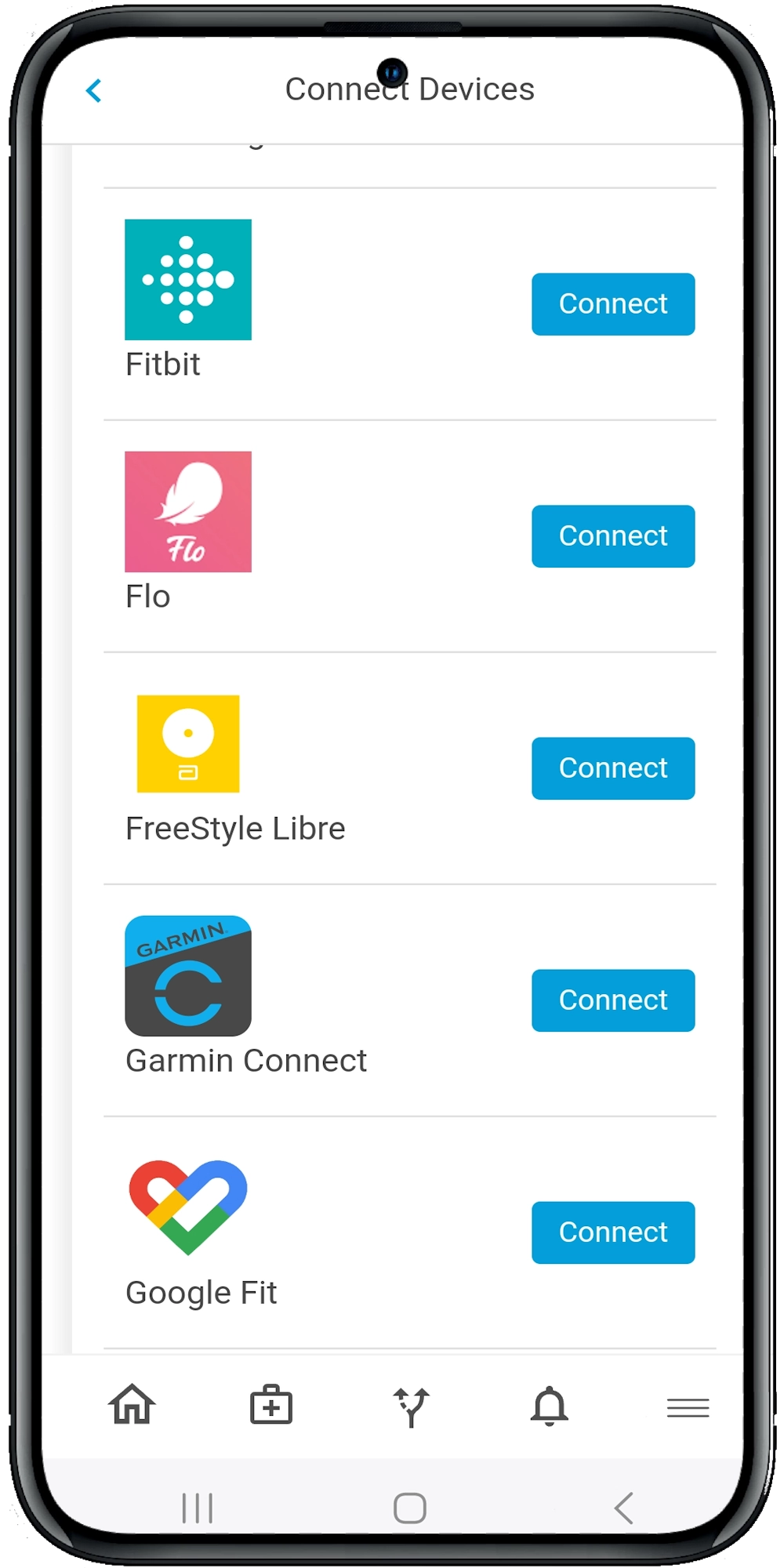
With remote monitoring features built into the platform, patients can log daily vitals, symptoms, or mood changes using their phone or connected devices. Behind the scenes, AI tools flag high-risk patterns and alert care teams before things spiral out of control.
That means earlier interventions, fewer surprises, and more time to act before a crisis occurs.
3. Accessible, Bite-Sized Patient Education
Recovery plans often fail because patients simply don’t understand them. Medical jargon and long written instructions can overwhelm even the most motivated individuals.
A unified platform solves this with:
- Short videos and visuals tailored to the patient’s condition
- Educational prompts delivered just-in-time (e.g., “Today, here’s how to change your dressing”)
- Content in multiple languages and reading levels
- Quizzes or simple knowledge checks to reinforce understanding
A recent study on technology-enhanced learning in value-based care showed that interactive education significantly boosts patient engagement. It also builds confidence, which is key to recovery success.
4. Medication Tracking and Provider Support
Medication confusion is one of the biggest drivers of preventable readmissions. A good VBC platform makes it easier to follow complex regimens with:
- Automated reminders for pills or injections
- Daily checklists that patients can “check off”
- Easy ways to ask the care team questions about side effects
- Built-in alerts if a patient skips multiple doses
It’s like putting a digital pharmacist in their pocket—reliable, nonjudgmental, and always available.
Integrating Behavioral Health and Social Determinants
Now, let’s talk about what really drives disengagement: unaddressed behavioral and social factors.
A patient might recover physically, but if they’re also depressed, isolated, or can’t afford groceries, you can bet their readmission risk will climb. This is where most platforms fall short—but a unified system fills the gap.
Look for features like:
- Mood and stress tracking integrated into daily care pathways
- Journaling prompts that encourage reflection and self-awareness
- Flagging tools for care teams to follow up on mental health signals
- SDOH data collection to identify risk related to housing, food, or access
- Community resource directories built into the platform
These features ensure that you’re not just treating a diagnosis—you’re supporting a whole person.
Scaling Better Outcomes with Population-Level Insight
A unified platform isn’t just about the individual experience—it’s also a powerful tool for managing entire patient populations.
Care teams and administrators gain access to:
- Dashboards showing which patients are on track and which are at risk
- Reporting tools for readmission metrics, medication adherence, and care gaps
- Predictive analytics to flag trends across conditions, regions, or providers
- Customizable filters to run targeted outreach (e.g., everyone discharged with COPD in the last 10 days)
This is where the platform shifts from reactive to proactive—from chart-chasing to strategic care planning.
Putting It All Together: Coordinated, Connected, Continuous Care
Fragmented tools create fragmented care. A unified value-based care platform brings together every piece of the patient’s post-discharge puzzle—from the clinical to the behavioral to the logistical.
It enables:
- Seamless transitions from hospital to home
- Real-time insight and feedback for care teams
- Consistent, guided patient engagement at every step
- Coordination across providers, specialists, and family caregivers
- Scalable infrastructure for managing large, diverse populations
And the result? Fewer readmissions. Better outcomes. Stronger relationships between patients and care teams.
The Wrap
Reducing readmissions and keeping patients engaged doesn’t happen by chance—it happens by design. And that design starts with a unified platform built specifically for the demands of value-based care.
When your technology connects patients, providers, and real-time insights into a single, seamless experience, better outcomes follow naturally. You catch complications earlier, support recovery more effectively, and build trust that keeps patients involved in their own care.
The Calcium digital health platform was created to do exactly that. With integrated care pathways, AI-powered monitoring, and patient-friendly engagement tools, Calcium helps providers close the gaps that lead to avoidable readmissions and disengaged patients. Whether you’re managing post-op recovery, chronic disease, or population health at scale, Calcium gives you the tools to do it smarter.
Reference
- Gregg, K., & Siva, S. (2011). The Virtual Biosecurity Center: Enhanced Global Security Through Superior Communication. Applied Biosafety 16(4). https://www.liebertpub.com/doi/pdf/10.1177/153567601101600401
- Akram, A., Ahmed, S., Galloway, D., Collins, C., & Benson, M. (2022). P249 Quality improvement project for cross site hepatopancreaticobiliary/interventional referrals. BMJournals Gut, A162.1-A162. https://doi.org/10.1136/gutjnl-2022-bsg.303
- Thompson, E., Hastings, K., Cullum, R., Reddy, S., Rogelio Alberto Brito, Byrd, B., Elisea Avalos-Reyes, & Kjel Andrew Johnson. (2024). National Comprehensive Cancer Network guideline compliance in an oncology value-based care program serving Medicare members. Journal of Clinical Oncology, 42(16_suppl), e23095–e23095. https://doi.org/10.1200/jco.2024.42.16_suppl.e23095
- Eichhorn, J., Klein, M., Romanenko, I., & Schacher, F. H. (2022). Synthesis of block copolymers containing 3-chloro-2-hydroxypropyl methacrylate by NMP – a versatile platform for functionalization. Polymer Chemistry, 13(30), 4421–4435. https://doi.org/10.1039/d2py00611a