Türkiye’de bahis severler için en çok tercih edilen bettilt giriş adreslerden biri olmaya devam ediyor.
Curacao lisanslı platformlar arasında güvenilirlik açısından üst sıralarda bahsegel giriş yer alan, uluslararası denetimlerden başarıyla geçmiştir.
Kazançlı bahis deneyimi arayan herkes için bettilt doğru seçimdir.
Rulet masalarında en çok tercih edilen bahis türleri arasında kırmızı/siyah ve tek/çift seçenekleri yer alır; pinco giriş bu türleri destekler.
Basketbol tutkunları için en iyi kupon fırsatları bettilt sayfasında yer alıyor.
-
- Chronic Disease Management. A diabetic patient uses Calcium to track glucose readings from a continuous monitor. Their provider gets real-time alerts if readings go out of range.
- Behavioral Health. A therapist assigns a digital pathway for managing anxiety. The patient receives daily coping prompts, symptom check-ins and educational resources.
- Family Care Coordination. An adult child manages both their own health and their aging parent’s post-surgery care all in the same app, with shared records and alerts.
- Pre- and Post-Surgery Support. Orthopedic teams assign digital pathways before and after procedures to monitor healing, track pain, and avoid complications.
How Smarter Health Tech Is Connecting Patients, Providers and Everyday Data for Better Outcomes
Healthcare is drowning in data, yet starving for insight. Every clinic visit, lab result, wearable device and medication generates valuable information but if that data lives in silos, it’s practically useless.
For too long, Electronic Health Records (EHRs) have been more of a digital filing cabinet than a tool for care transformation. But things are changing fast. As the healthcare industry shifts toward value-based care and personalized medicine, the old way of doing things just doesn’t cut it anymore. Patients expect more. Providers need more. And smarter, more connected platforms are finally answering the call.
So what does the future of EHRs look like? It’s intelligent, integrated and infinitely more human. Let’s dive into how digital health platforms like Calcium are turning that future into a reality.
The EHR Evolution: From Records to Ecosystems
Electronic Health Records (EHRs) have come a long way from their paper-chart predecessors. Once seen as simply a digital way to store patient information, today’s EHR platforms are evolving into much more they’re becoming central hubs for care coordination, data-driven decision-making and even patient empowerment.
Think of it like moving from a filing cabinet to a smartphone. The old way just stored info. The new way connects, notifies, analyzes and helps you take action in real time.
This shift is essential in a healthcare world that’s moving toward value-based care, where providers are paid for better outcomes, not just more services. In that environment, smart EHR platforms don’t just hold data they drive results.
The Persistent Challenges of Traditional EHRs
Despite all the progress, the reality is that many EHR systems are still stuck in the past. They’re often clunky, hard to navigate and frustrating for both providers and patients. Let’s take a closer look at some of the biggest pain points:
1. Fragmented Systems & Poor Interoperability
Most legacy EHR systems don’t talk to each other. One hospital may use one system, while your specialist uses another. That means important details can slip through the cracks like medication allergies, recent test results or care plans.
2. Clinician Burnout from Bad Design
Ask almost any doctor, and they’ll tell you: their EHR adds time to their day. Instead of spending time with patients, they’re clicking through dropdowns and navigating confusing menus. That’s not just annoying it’s a serious contributor to burnout.
3. Patients Left in the Dark
Traditional EHRs weren’t built for patients. Most people don’t even know how to access their records, let alone make use of them. That’s a big problem in a healthcare system that needs patients to be active participants.
4. No Connection to Daily Health Data
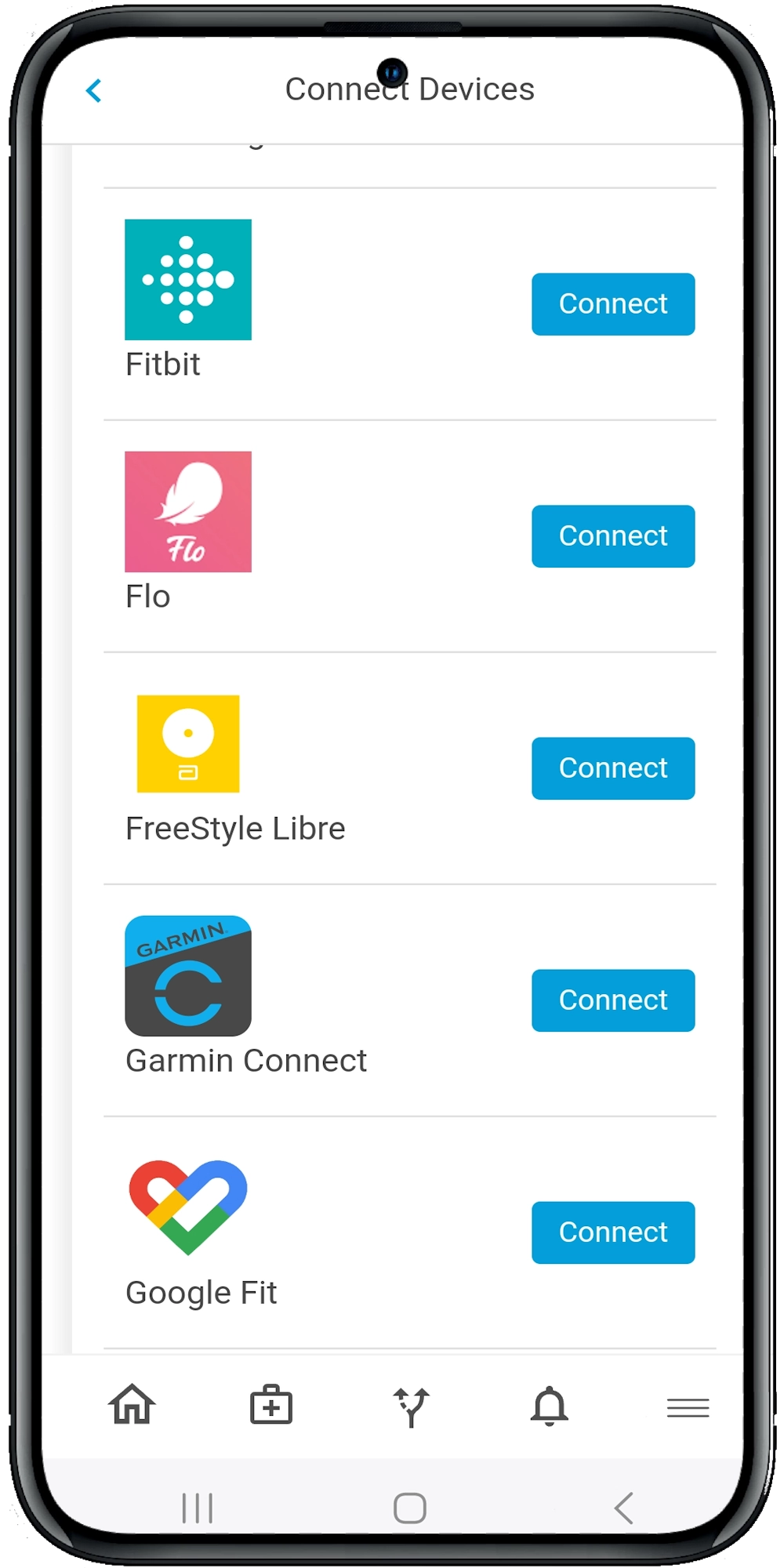
Your smartwatch, glucose monitor or fitness tracker generates valuable health data every day. But if your EHR can’t collect or interpret that info, it’s like having a puzzle with half the pieces missing.
5. Documentation Overload
Instead of helping, many EHRs pile on more work. Providers have to log everything manually, even when much of that data could be collected automatically or streamlined through smarter design.
6. Security Concerns
With all this sensitive information floating around, security is critical. But outdated systems often struggle to stay ahead of cybersecurity threats while meeting strict compliance regulations like HIPAA.
7. Static, Outdated Information
Many EHRs show only what happened at your last appointment. But health doesn’t stop when you leave the clinic. Without real-time updates or patient-generated data, care teams are often working with stale information.
As recent research into Electronic Patient Records (EPRs) has shown, these issues aren’t just technical—they’re cultural and philosophical too. A platform can only succeed if it works with the reality of healthcare environments, not just the theory behind them.
Reimagining EHRs as Smart, Scalable Platforms
We’re at a turning point. EHRs don’t have to be burdensome. Done right, they can become smart partners in delivering care.
Instead of clunky digital filing systems, imagine a care intelligence platform something that connects the dots between labs, devices, appointments and the patient’s daily life. That’s where platforms like Calcium come in.
As noted in multi-disciplinary studies of EPRs, the key to success isn’t just the tech it’s thoughtful implementation that adapts to users’ needs. That means:
- Flexibility for different clinical workflows
- Support for human judgment, not replacement
- Continuous updates from patient data sources
- Tools that simplify not complicate clinical tasks
This new breed of platform is not one-size-fits-all. It’s designed to be adaptive, personal and collaborative. It’s about empowering everyone in the care loop from doctors and nurses to patients and caregivers.
Turning EHR Challenges into Strengths with the Calcium Digital Health Platform
The Calcium digital health platform flips the script on traditional EHRs. Instead of just managing records, it creates a seamless experience that supports better outcomes, better engagement and smarter workflows.
Here’s how Calcium is solving the biggest EHR problems:
1. One Unified Data Hub
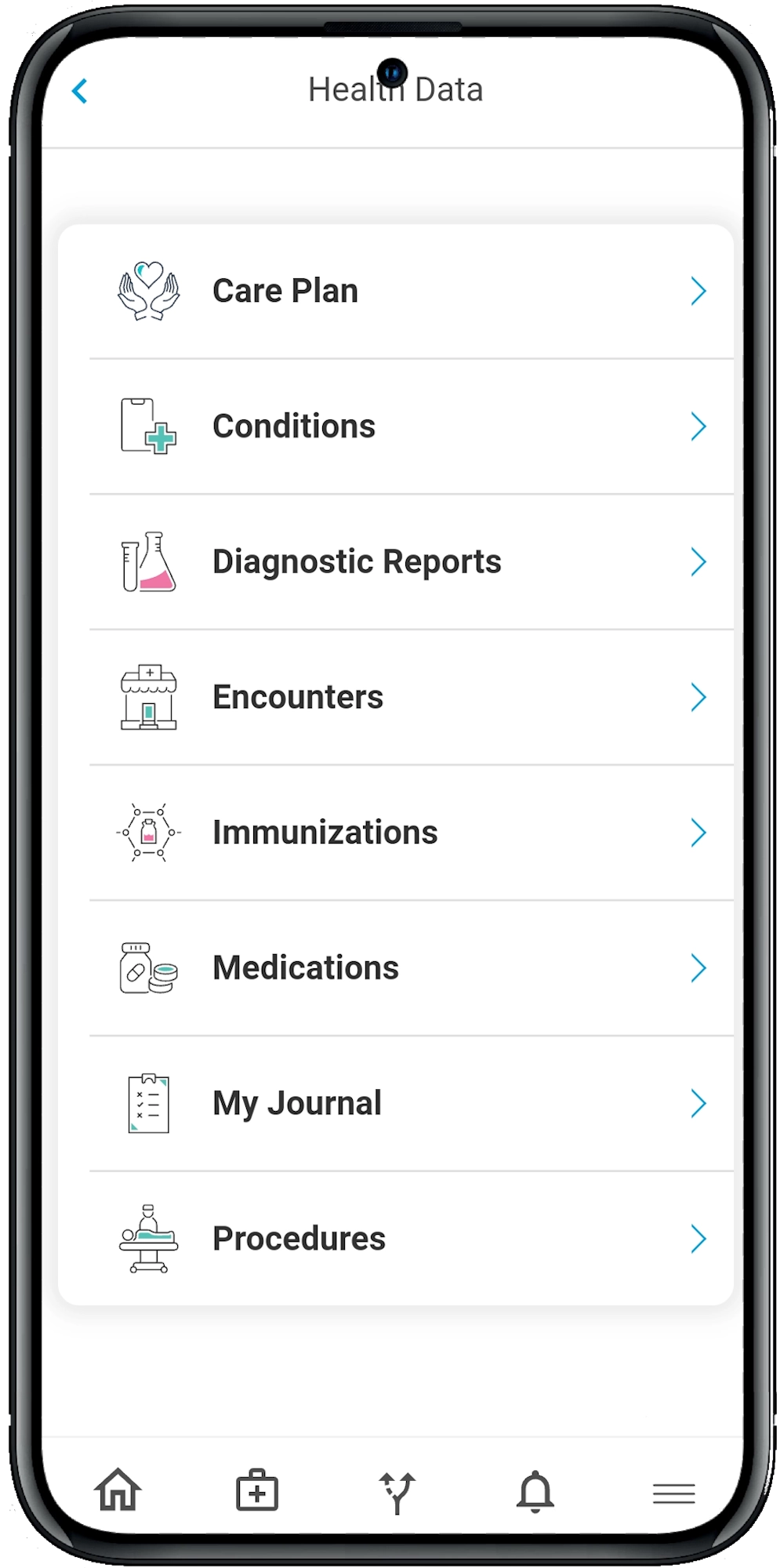
Calcium connects with over 95% of health systems in the U.S., giving providers and patients access to electronic records from across the care spectrum. But it goes beyond clinical visits pulling in real-time data from wearables, fitness apps and medical devices too.
You get a full picture, not just a clinical snapshot.
2. Real-Time Access for Everyone
Providers use Calcium Core a dashboard that shows vitals, alerts and EHR data in one place. Patients use the Calcium Super App, where they can view their records, track progress and even manage family members’ care.
It’s like having your entire health history and your doctor’s insights in your pocket.
3. AI-Driven Pathways for Personalized Care
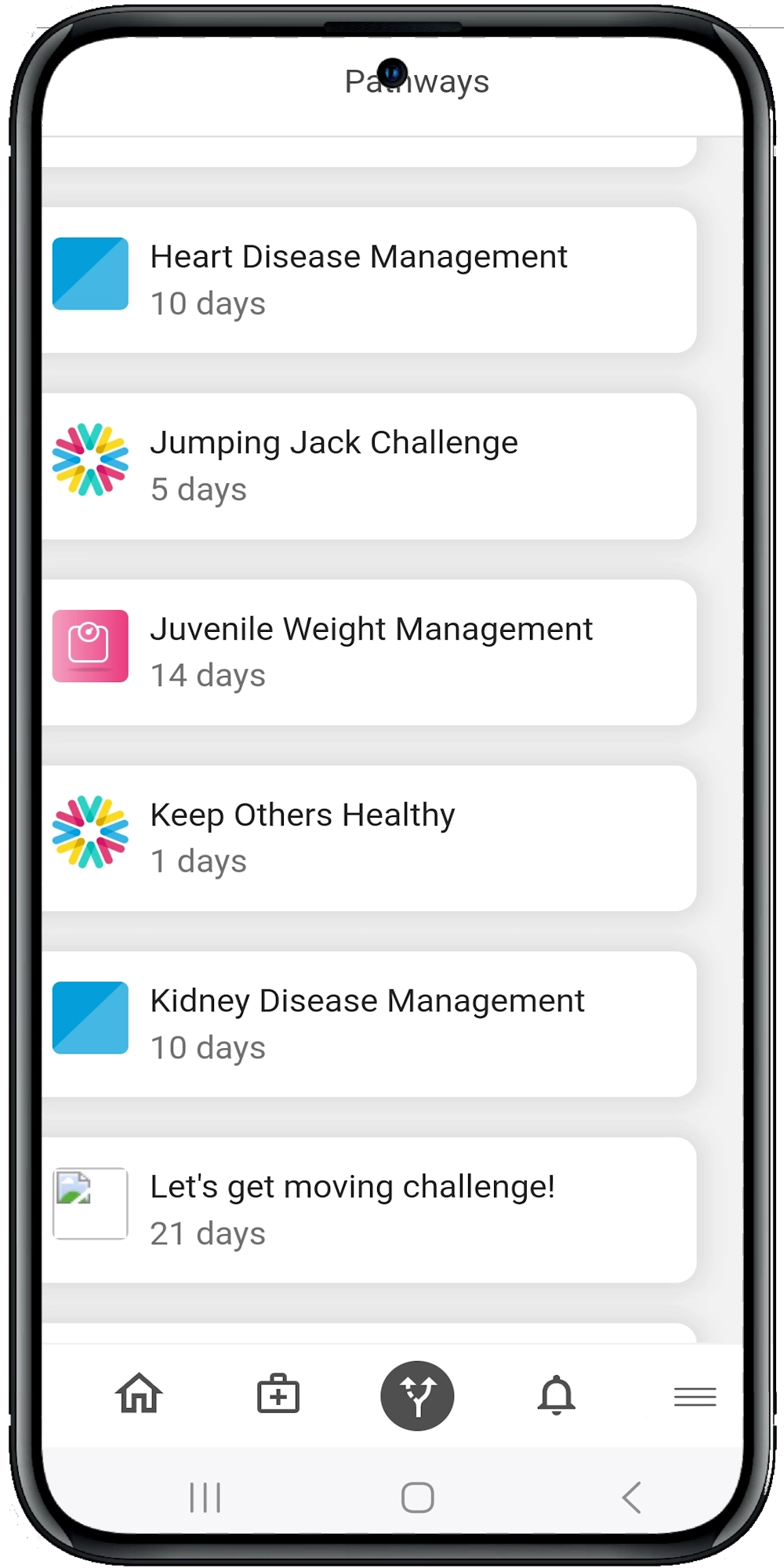
One of Calcium’s most powerful features is its AI-guided care pathways. These are dynamic digital care plans tailored to each user’s condition, lifestyle and goals.
Whether you’re managing diabetes, prepping for surgery or tackling mental health challenges, the app gives you daily guidance, reminders and motivation to stay on track.
4. Empowering Patients to Take Control
Patients don’t just read their records they engage with them. The app lets users:
- Record symptoms
- Monitor medications
- Track vitals
- Share data with family or providers
- Receive personalized education and tips
That’s not just patient-centered care it’s patient-empowered care.
5. Lightening the Load for Providers
Calcium automates alerts and reminders so clinicians can focus on care, not admin. The dashboard flags high-risk patients, recent activity, and those falling behind on care plans so providers can prioritize who needs attention now.
It’s proactive, not reactive care.
6. Secure, Compliant & Scalable
Every part of the platform is HIPAA-compliant, with dynamic consent features that let patients decide who sees their data. It’s built for security and scalability ready for health systems, employers, and even multi-specialty provider groups.
Real-World Applications of Smart EHR Integration
So what does this look like in practice? Here are a few real-world use cases where platforms like Calcium are changing the game:
In all these cases, the EHR isn’t just a record it’s a guide, a coach and a lifeline.
The Wrap
The future of healthcare doesn’t live in a filing cabinet it lives in your pocket, on your wrist and in the cloud. As we move toward a model of care that prioritizes outcomes, personalization and continuous engagement, EHR platforms must evolve to keep up.
That evolution is already here with smart platforms like Calcium a digital health ecosystem designed to connect data, empower patients and help providers deliver care that’s as scalable as it is effective. Whether you’re managing chronic conditions, guiding post-op recovery or simply trying to stay on top of your family’s health, Calcium is built to meet you where you are.
Reference
- Safran, C., & Goldberg, H. (2000). Electronic patient records and the impact of the Internet. Kalra D. (2006). Electronic health record standards. Yearbook of medical informatics, 136–144. https://pubmed.ncbi.nlm.nih.gov/17051307/
- Ambinder E. P. (2005). A history of the shift toward full computerization of medicine. Journal of oncology practice, 1(2), 54–56. https://doi.org/10.1200/JOP.2005.1.2.54
- Hoerbst, A., & Ammenwerth, E. (2010). Electronic health records. A systematic review on quality requirements. Methods of information in medicine, 49(4), 320–336. https://doi.org/10.3414/ME10-01-0038
- International Journal of Medical Informatics, 60(1), 77–83. https://doi.org/10.1016/S1386-5056(00)00106-4
- Hassey, A., Gerrett, D., & Wilson, A. (2001). A survey of validity and utility of electronic patient records in a general practice. BMJ, 322(7299), 1401–1405. https://doi.org/10.1136/bmj.322.7299.1401
- Greenhalgh, T., Potts, H. W. W., Wong, G., Bark, P., & Swinglehurst, D. (2009). Tensions and paradoxes in electronic patient record research: A systematic literature review using the meta-narrative method. The Milbank Quarterly, 87(4), 729–788. https://doi.org/10.1111/j.1468-0009.2009.00578.x