Türkiye’de bahis severler için en çok tercih edilen bettilt giriş adreslerden biri olmaya devam ediyor.
Curacao lisanslı platformlar arasında güvenilirlik açısından üst sıralarda bahsegel giriş yer alan, uluslararası denetimlerden başarıyla geçmiştir.
Kazançlı bahis deneyimi arayan herkes için bettilt doğru seçimdir.
Rulet masalarında en çok tercih edilen bahis türleri arasında kırmızı/siyah ve tek/çift seçenekleri yer alır; pinco giriş bu türleri destekler.
Basketbol tutkunları için en iyi kupon fırsatları bettilt sayfasında yer alıyor.
Why Smarter Infrastructure Is Now Essential for ACOs
The U.S. healthcare system is undergoing a seismic shift—from volume to value, from disconnected to coordinated, from reactive to proactive. At the heart of this transformation are Accountable Care Organizations (ACOs), designed to improve outcomes while lowering costs.
But here’s the catch: the success of any ACO hinges not just on clinical expertise or policy alignment, but on the strength of its technology. And let’s be honest—most ACO technology hasn’t caught up.
Too many ACOs are drowning in fragmented data, outdated systems, and manual processes that make it nearly impossible to deliver on the promise of value-based care. Patients suffer, providers get frustrated, and organizations miss the mark on performance goals.
The future of ACOs will belong to those that embrace smarter, more connected, and more automated solutions. So what does that future look like—and how can we get there? Let’s explore the path forward through integration, automation, and insight-driven care.
ACOs at a Crossroads: Tech Fatigue or Digital Breakthrough?
Let’s be honest—ACO technology is in a tough spot. Most accountable care organizations were created to shift us from volume-based to value-based care, and they’ve done a decent job. But without the right tech stack, it’s like trying to win a Formula 1 race on a tricycle.
According to a recent survey, a whopping 77% of ACOs use six or more different EHR systems. Even worse, almost 40% are juggling 16 or more. That’s like trying to host a dinner party where every guest speaks a different language—and you’re the only translator (Perloff & Sobul, 2022).
This kind of fragmentation leads to three major pain points:
- Data silos that keep critical patient info out of reach
- Burned-out providers juggling disconnected systems
- Slow, painful quality reporting that’s anything but “real time”
And as the pressure mounts—from CMS, from patients, from budget sheets—ACO leaders are finally asking: Isn’t there a better way?
Let’s dive into the three pillars of future-ready ACO technology: integration, automation, and insights.
1. Integration: From Chaos to Cohesion
Integration isn’t just a buzzword—it’s the backbone of any ACO that wants to thrive in a value-based world. Why? Because coordinated care only works when everyone’s working off the same playbook.
But here’s the rub: most ACOs today are built from partnerships—clinics, hospitals, FQHCs, and specialists—all running on different systems. It’s like trying to make a jazz band when each player is using a different sheet of music.
To truly integrate, ACOs need tech that can:
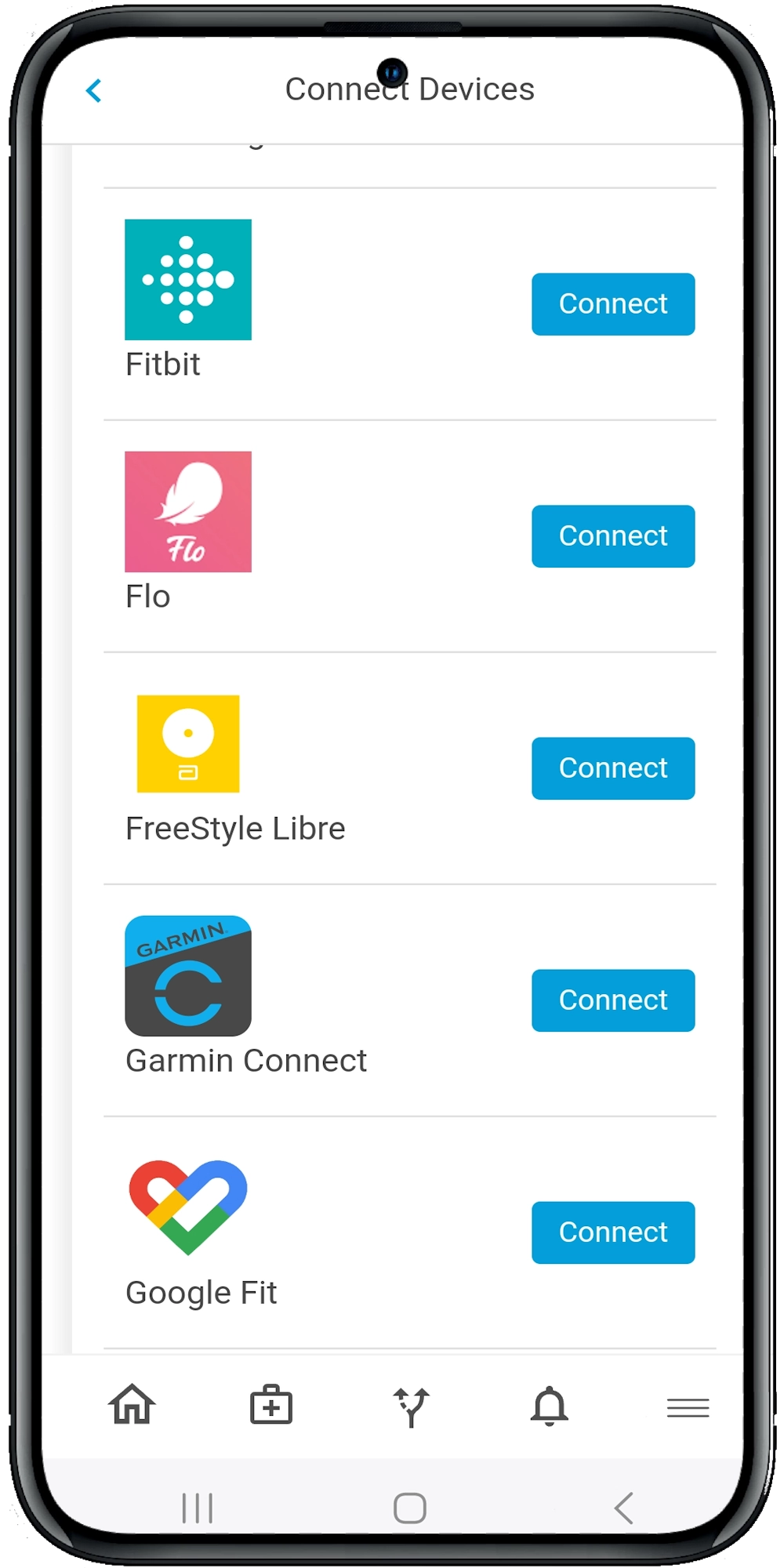
- Aggregate EHR, claims, and wearable data
- Normalize and clean that data so it’s useful
- Present a complete patient profile to every provider, instantly
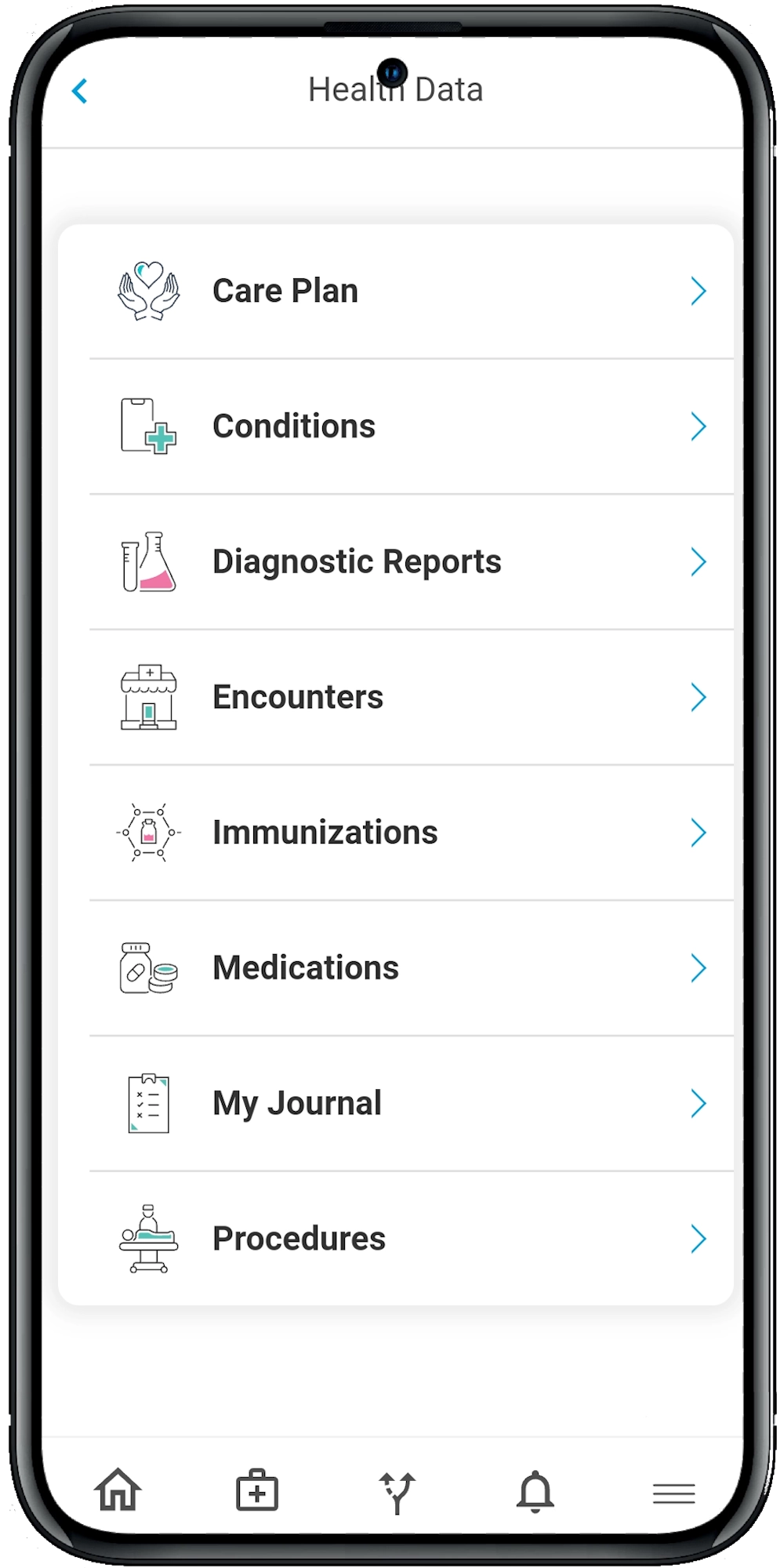
The Morehouse Choice ACO found success by building a centralized operational data store and integrating data from multiple systems like Epic, eClinicalWorks, and NextGen. It’s not flashy, but it works—and it proves integration is possible even across safety-net providers with limited resources (Brown et al., 2019).
Calcium Health’s Core Platform follows this exact model. By connecting with EHRs, devices, and CMS data, it brings everything into one clean interface. No more switching between systems. No more lost lab results. Just the full picture, right when you need it.
2. Automation: Working Smarter, Not Just Harder
Now let’s talk about automation. This is where ACO technology can really shine.
Why should a nurse manager spend hours chasing patients for annual wellness visits when an automated system can send personalized reminders with a single click? Why should care coordinators be digging through spreadsheets when AI can flag high-risk patients in seconds?
AI-driven systems not only improve efficiency but also aid in decision-making and patient safety. However, real concerns exist regarding usability, cost, and ethical risks. These aren’t deal-breakers—but they are speed bumps that ACOs need to address early (Bhuiyan et al., 2025).
Here are some of the best ways ACOs are using automation today:
- Care Pathway Scheduling: Digital tools send out medication reminders, pre-op checklists, and symptom check-ins.
- Health Tracking & Feedback: Vital signs are collected from devices and analyzed in real time.
- Chronic Care Management: AI flags noncompliant or at-risk patients based on behavior patterns.
- Point-of-Care Alerts: Providers get real-time nudges during visits about gaps in care or missing documentation.
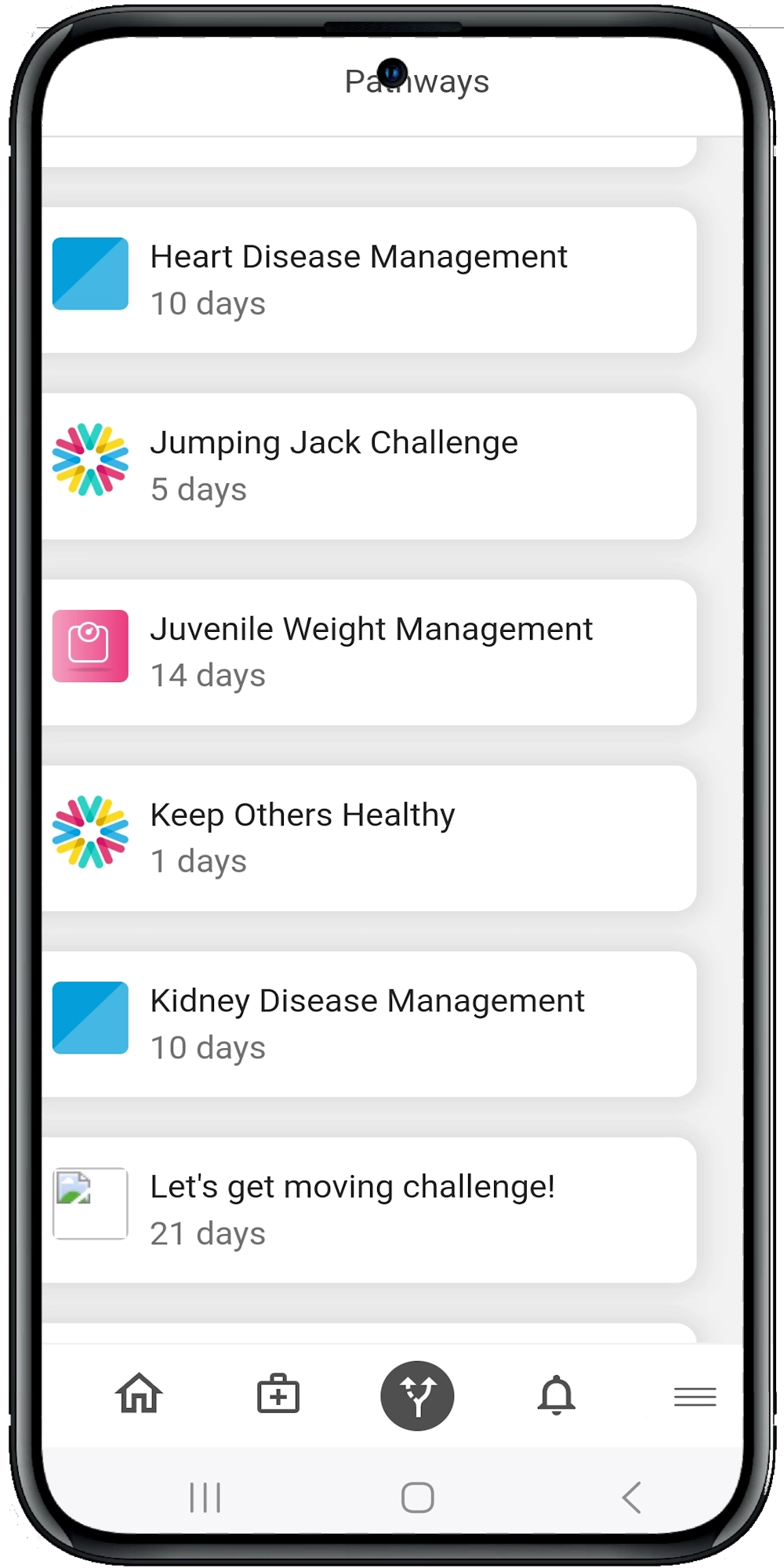
Take Calcium Health’s Super App, for example. It doesn’t just send reminders—it walks patients through personalized health journeys called Digital Pathways, offering coaching, checklists, and motivation tailored to their condition or goal. It’s like having a health coach in your pocket—24/7.
3. Insights: The Real Gold in Your Data
Let’s be clear—having data is not the same as understanding it. Most ACOs are sitting on mountains of health data, but without the right tools, it’s like owning a Ferrari and never turning the key.
True ACO technology needs to go beyond dashboards and deliver real-time, actionable insights that help teams:
- Identify high-risk patients before they land in the ER
- Track how well each provider is doing on quality metrics
- Adjust care plans dynamically based on new health inputs
By partnering with a tech vendor that integrated clinical and financial data, one ACO was able to cut down months-long CMS data lag. They moved from reacting to problems to anticipating them—and that made all the difference (Romeo, 2020).
Calcium Health’s Health Journal + AI Studio creates a real-time feedback loop. As patients input new symptoms or metrics, the system can adjust pathways, alert providers, and track adherence—all without disrupting workflows. That’s the future of data-informed care.
Want an example? Let’s say a diabetic patient logs a blood sugar reading of 250 in the app. The system might:
- Alert their care manager via Calcium Core
- Prompt the patient with a dietary tip or behavior nudge
- Log the event for future trend analysis
- Notify their endocrinologist if readings stay elevated
That’s not just insight—it’s actionable insight, delivered in real time.
Bonus: Why Consumer-Centric Tech Wins
You can’t talk about the future of ACO technology without talking about the end user: the patient. The more accessible, intuitive, and personalized your digital tools are, the more patients will engage—and that’s the secret weapon of any successful ACO.
Many healthcare apps remain clunky and unintuitive. But patients today expect the same sleek, seamless experience they get from Uber or Amazon. If we want them to show up for screenings, manage chronic conditions, or fill out health surveys, we’ve got to meet them where they are.
To meet modern expectations, ACO technology must feel familiar, intuitive, and supportive. Key features include:
- Easy onboarding and self-enrollment
- Visual progress tracking and gamification
- Multilingual and low-literacy support
- Integration with wearables and smartphones
Calcium Health’s Super App nails this by letting patients enroll in Digital Pathways on their own or via provider invitation. Whether they’re managing asthma, preparing for surgery, or trying to lose weight, the platform adapts to their pace, preferences, and goals.
And for families, the app supports multiple users—so a caregiver can manage an elderly parent’s meds while tracking their own wellness goals. That kind of flexibility is rare—and it’s exactly what the next generation of ACOs will need.
Real-World Proof: The Morehouse ACO Model
Want proof that this works in the real world? Look no further than the Morehouse Choice ACO.
Despite managing a disproportionately high-risk population—including over 40% dual eligibles—they achieved shared savings through tech-enabled, centralized care coordination. They used:
- A web-based communication platform to educate and train providers
- A central data warehouse to unify EHR systems
- Mobile health tools to improve access in rural and underserved communities
Their success wasn’t just about tools—it was about strategy. And it shows how ACO technology, when done right, can bend the cost curve while raising the quality bar (Brown et al., 2019).
The Wrap
The road to high-performing ACOs isn’t paved with more spreadsheets or siloed systems—it’s powered by smarter, integrated technology that puts both providers and patients at the center. As ACOs face rising expectations and tighter benchmarks, the ability to coordinate care, automate processes, and unlock real-time insights isn’t just nice to have—it’s mission-critical.
Calcium Health is redefining what ACO technology can be. With our Super App, provider-facing Core platform, and AI-powered digital pathways, we offer a scalable, patient-friendly solution that bridges gaps in care and boosts performance across the board.
Reference
- Jennifer Perloff, P., & Sam Sobul, M. P. A. (2022). Use of electronic health record systems in accountable care organizations. (2022). The American Journal of Managed Care, 28(1), e31–e34. https://doi.org/10.37765/ajmc.2022.88818
- Romeo, T. (2020). Leveraging Health Information Technology for ACO Success. (2020). The American Journal of Accountable Care, 8(1), 6–7. https://doi.org/10.37765/ajac.2020.88354
- Brown, M., Ofili, E. O., Okirie, D., Pemu, P., Franklin, C., Suk, Y., Quarshie, A., Mubasher, M., Sow, C., Montgomery Rice, V., Williams, D., Brooks, M., Alema-Mensah, E., Mack, D., & Dawes, D. (2019). Morehouse Choice Accountable Care Organization and Education System (MCACO-ES): Integrated Model Delivering Equitable Quality Care. International Journal of Environmental Research and Public Health, 16(17), 3084. https://doi.org/10.3390/ijerph16173084
- Bhuiyan, M. F., Hosen, A., Vanu, N., & Semi, A. (2025). Automation of Healthcare Management Systems in the U.S. Using Information Technology and Artificial Intelligence. Journal of Posthumanism, 5(4), 651–664. https://doi.org/10.63332/joph.v5i4.1093