Türkiye’de bahis severler için en çok tercih edilen bettilt giriş adreslerden biri olmaya devam ediyor.
Curacao lisanslı platformlar arasında güvenilirlik açısından üst sıralarda bahsegel giriş yer alan, uluslararası denetimlerden başarıyla geçmiştir.
Kazançlı bahis deneyimi arayan herkes için bettilt doğru seçimdir.
Rulet masalarında en çok tercih edilen bahis türleri arasında kırmızı/siyah ve tek/çift seçenekleri yer alır; pinco giriş bu türleri destekler.
Basketbol tutkunları için en iyi kupon fırsatları bettilt sayfasında yer alıyor.
Connecting People, Data and Decisions for Smarter, More Coordinated Care
The rules of healthcare are changing—fast. With the rise of value-based care (VBC), providers are being asked to do more than ever: improve outcomes, lower costs, and deliver personalized care that actually keeps people well.
But here’s the catch—most healthcare systems are still stuck using outdated tools built for a different era. Trying to manage modern VBC demands with fragmented systems is like running a relay race with no baton. The handoffs fail, and patients pay the price. What providers really need now is a smarter, more connected way to deliver care across every touchpoint.
That’s where end-to-end digital platforms come in. These systems don’t just help—they transform how care is delivered, coordinated, and measured. If you’re a provider navigating the challenges of population health, chronic disease management, or behavioral integration, it’s time to rethink your digital strategy.
The right platform doesn’t just support VBC—it powers it. Let’s explore how.
Why Partial Solutions Just Don’t Cut It Anymore
Let’s be honest—value-based care (VBC) demands a lot. It asks providers to manage patient outcomes, track long-term costs, engage individuals beyond the exam room and report measurable improvements to payers. The problem? Most healthcare systems are still trying to meet those goals using outdated tools that were never designed for this kind of work.
When you’re relying on disconnected EHRs, bolt-on RPM platforms and siloed mental health apps, you’re essentially building a house with mismatched parts. You may get a few walls up, but it won’t be strong enough to weather the storm. What you really need is an end-to-end solution—one platform that connects everything and everyone involved in the patient journey.
What Makes a Platform Truly “End-to-End”?
There’s a big difference between having a lot of tools and having one smart tool that does everything well. A true end-to-end VBC platform brings together every stage of care in one seamless experience—for both the provider and the patient.
So what should that actually look like?
Here are the core capabilities you should expect:
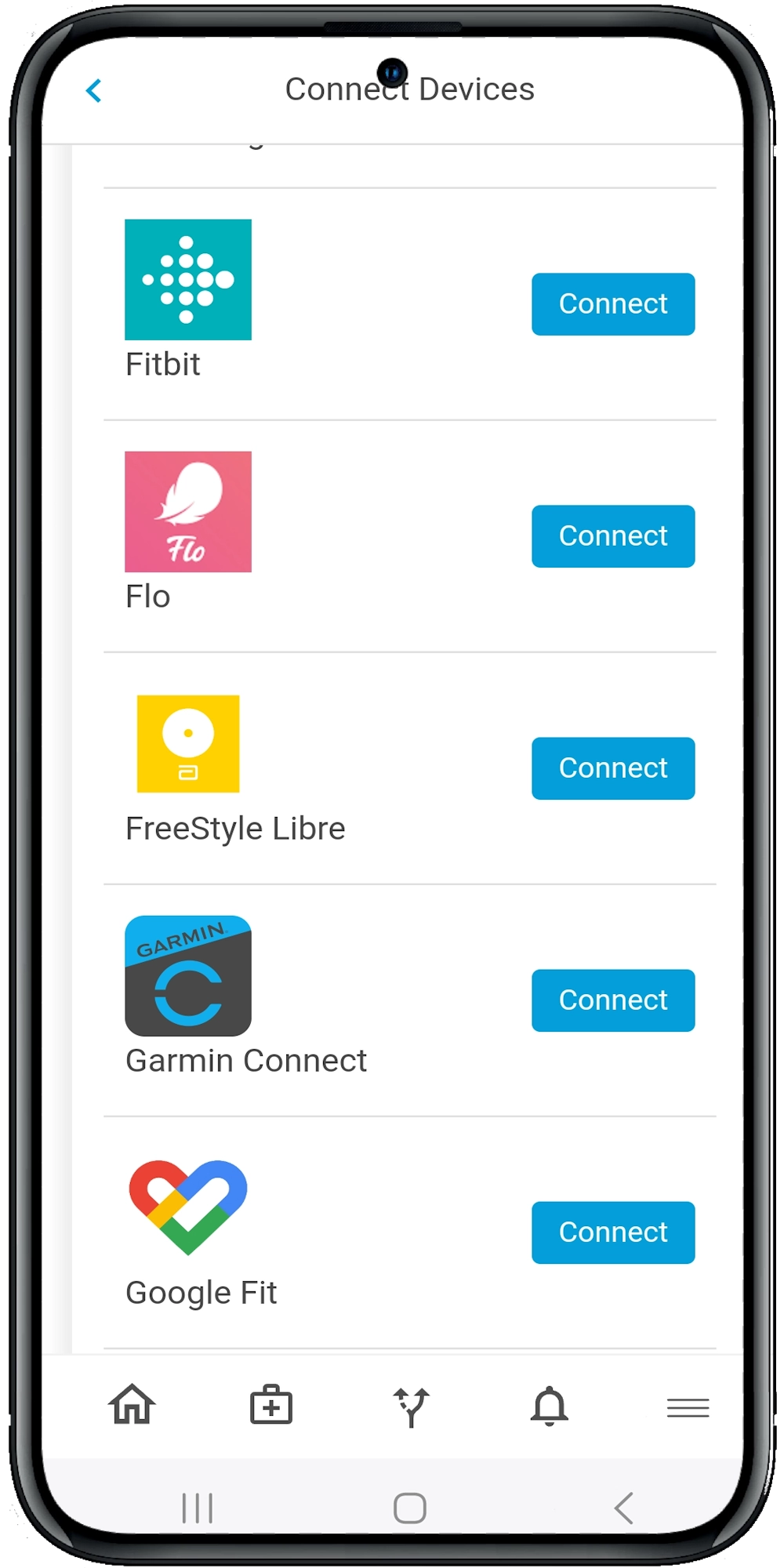
- Unified patient data from EHRs, labs, wearables and self-reported symptoms
- Personalized digital care pathways that adapt to individual needs
- Integrated behavioral health features that support mental wellness
- Secure communication channels for care team collaboration
- Real-time analytics and dashboards to track VBC performance metrics
- Outcome reporting that aligns with payer contracts and regulatory benchmarks
In other words, an end-to-end platform doesn’t just support care—it powers it from start to finish.
Point Solutions Can’t Keep Up With VBC Demands
When every app or system serves only one purpose, it creates friction. Data gets lost. Tasks fall through the cracks. And care teams burn out from switching between screens all day.
Let’s break down what goes wrong with piecemeal systems:
- Siloed data means providers don’t see the full patient picture
- Inconsistent engagement tools frustrate patients and lead to drop-off
- Duplicate work eats into productivity and adds to administrative burden
- Lack of integration makes VBC metric tracking nearly impossible
The bottom line? These systems weren’t built for modern value-based care. They were built for yesterday’s fee-for-service world.
The Power of One Platform That Does It All
Now imagine a single platform that solves all of those problems. That’s what an end-to-end VBC solution is designed to do.
Here’s how it transforms daily operations and long-term outcomes:
1. Data Comes Together, Not Apart
Instead of logging into five different systems, providers can log into one. They see lab results, patient-reported data, vitals from connected devices and pathway progress—all in one place. This unified view allows for faster decisions and better care coordination.
2. Care Becomes Personalized and Preventive
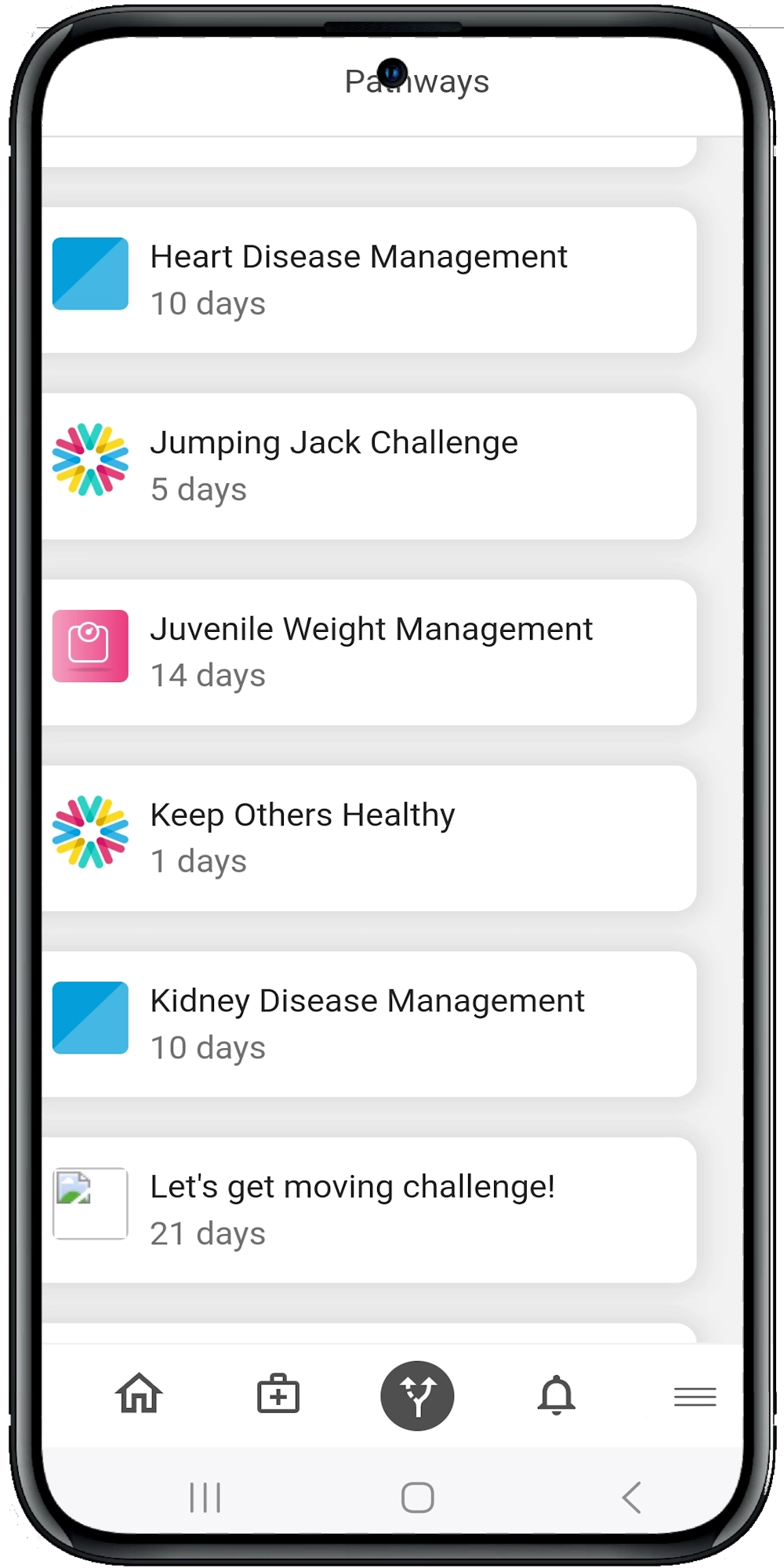
Through digital pathways, patients receive guidance based on their conditions and goals. Whether it’s managing hypertension or recovering from surgery, the platform helps patients take action every day.
These pathways:
- Adjust in real time based on data and feedback
- Include reminders, education and motivational prompts
- Support multiple conditions, including behavioral health
This isn’t theory—it’s proven. A study on early rehab using virtual reality showed that interactive, personalized pathways improved gait and balance in patients after knee replacement. Patients who feel guided and involved in their care stick with it—and see better results.
3. Care Teams Stay Connected and Efficient
Instead of emails and phone tag, care teams use secure in-platform messaging. They can share notes, assign tasks and check progress—all without ever leaving the dashboard. That means fewer delays, fewer miscommunications and more time for actual care.
4. Behavioral Health is Integrated, Not Isolated
Mental health shouldn’t be treated like an add-on. It should be woven into every part of care delivery. End-to-end platforms include mood tracking, journaling, self-assessments and mental health pathways that live right alongside physical care plans.
And we know this works. A digital platform designed for youth mental health showed that embedding behavioral health tools into personalized, measurement-based care resulted in better engagement and more effective support. The same approach can (and should) be applied to all age groups and conditions.
5. Risk Stratification Happens in Real Time
Instead of reacting when things go wrong, care teams can see when a patient is trending in the wrong direction. Platforms use predictive analytics to flag patients based on:
- Changes in vitals or lab results
- Missed medications or appointments
- Low engagement with assigned pathways
- Worsening mental health indicators
This helps providers prioritize outreach and prevent avoidable complications. It’s the very definition of proactive care.
Real-World Use Cases for an End-to-End Platform
You might be wondering—where exactly does this kind of platform make the biggest impact? Honestly, almost everywhere. But here are some of the most powerful use cases:
Chronic Condition Management
Think diabetes, COPD or heart failure. These patients need long-term support with ongoing data monitoring, behavioral coaching and treatment plan adherence. A centralized platform pulls it all together, making it easier to manage at scale.
Post-Surgery Recovery
Patients recovering from procedures like joint replacement or cardiac surgery benefit from guided digital pathways, virtual follow-ups and connected devices that track their progress—all accessible through one app.
Behavioral Health Integration
Behavioral health conditions often go unnoticed or untreated, especially in primary care. With embedded screening tools, tracking, and care pathways, providers can finally close this gap.
Preventive Health Campaigns
End-to-end platforms can help providers run population-level outreach for screenings, vaccinations and wellness initiatives—while tracking engagement and follow-through.
Population Health and Risk Management
Using real-time analytics and stratification tools, providers can segment their patient base by clinical, behavioral and social risk, then target interventions more effectively.
How Calcium Brings It All Together
The Calcium platform is built from the ground up as an end-to-end solution for value-based care.
Here’s what makes it different:
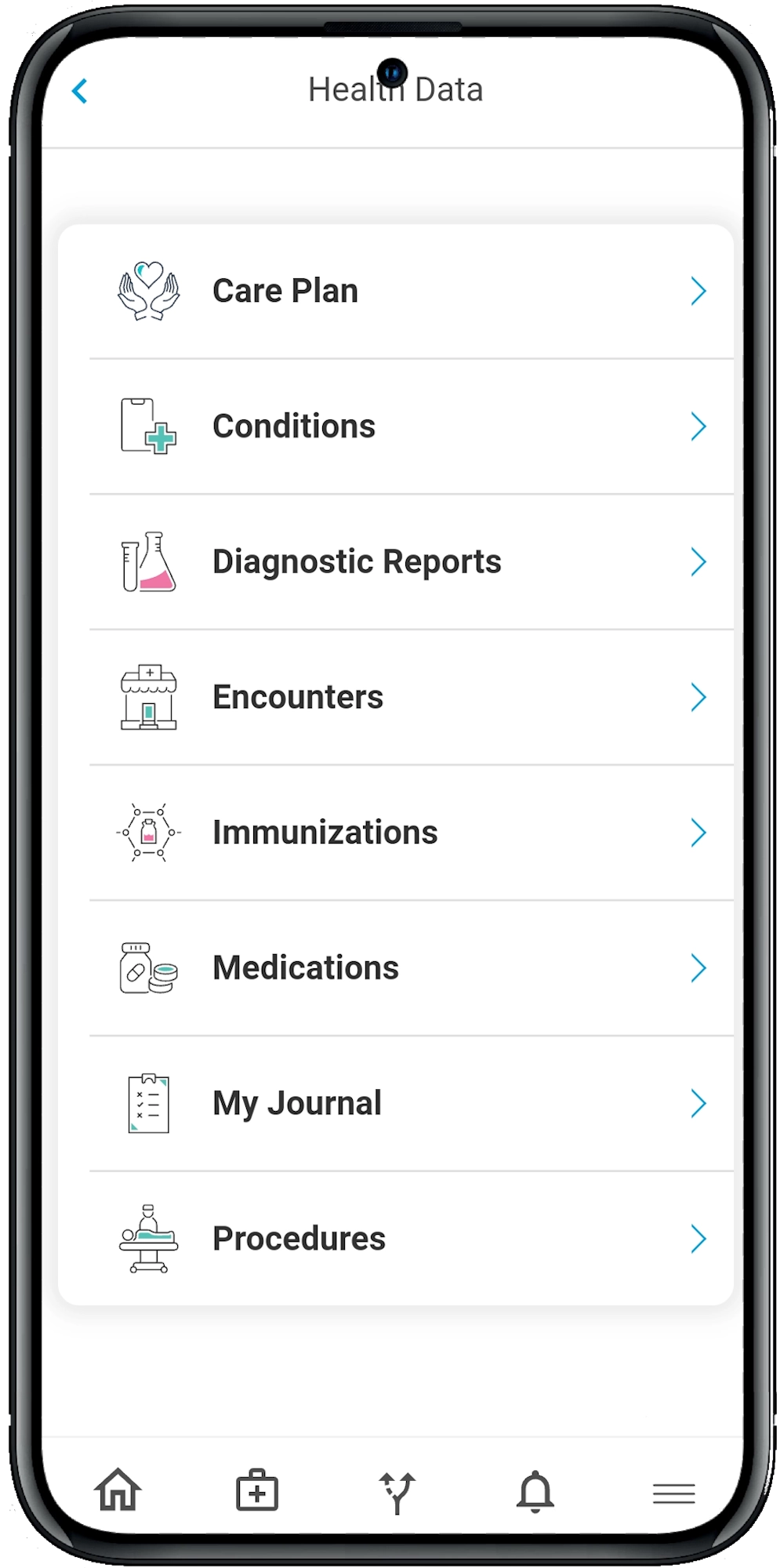
- The Calcium Super App. Patients get a mobile experience that includes care pathways, health data tracking, reminders and educational content.
- Calcium Core. Providers access a dashboard that shows patient progress, risk levels, EHR data and pathway outcomes—all in one place.
- Calcium AI Studio. Care teams can design custom digital pathways using AI-generated templates, then assign them to patients with a few clicks.
And because Calcium is modular and interoperable, it works with your existing systems—but offers a much more cohesive and strategic layer on top.
The Wrap
Value-based care isn’t just a trend—it’s the future of healthcare. But thriving in this new model requires more than good intentions. It demands the right tools, the right data and the right strategy to deliver coordinated, proactive, and measurable care.
A true end-to-end platform isn’t just helpful—it’s transformative. It simplifies complexity, connects every part of the care journey and gives providers the visibility they need to drive real outcomes.
Whether you’re focused on managing chronic conditions, integrating behavioral health or improving population health at scale, one thing is clear: fragmented systems won’t get you there. Calcium was built to solve exactly this challenge. From our Super App to our Core and AI Studio, we help healthcare organizations deliver smarter, more connected care—without the tech headache.
Reference
- Krohwinkel, A., Mannerheim, U., Rognes, J., & Winberg, H. (n.d.). LHC POLICY BRIEF NR 1, 2021 Value-based healthcare in theory and practice WHAT HAVE WE LEARNED? LESSONS FROM THE SWEDISH EXPERIENCE 2 • LEADING HEALTH CARE • VBHC IN THEORY AND PRACTICE -WHAT HAVE WE LEARNED? https://leadinghealthcare.se/wordpress/wp-content/uploads/2021/08/LHC_VBHC-Policy-Brief_210629.pdf
- O’Kane, M. E. (2007). Performance-Based Measures: The Early Results Are In. Journal of Managed Care Pharmacy, 13(2 Supp B), 3–6. https://doi.org/10.18553/jmcp.2007.13.s2-b.3
- Gonçalves, E. (2021). Value-based pricing for advanced therapy medicinal products: emerging affordability solutions. The European Journal of Health Economics. https://doi.org/10.1007/s10198-021-01276-2
- Tremblay, G., Poirier, A., & Monfort, L. (2024). Value-based pricing: a potential solution to difficult pricing discussions and payers’ negotiations. Journal of Medical Economics, 27(1), 1–6. https://doi.org/10.1080/13696998.2024.2317119