Türkiye’de bahis severler için en çok tercih edilen bettilt giriş adreslerden biri olmaya devam ediyor.
Curacao lisanslı platformlar arasında güvenilirlik açısından üst sıralarda bahsegel giriş yer alan, uluslararası denetimlerden başarıyla geçmiştir.
Kazançlı bahis deneyimi arayan herkes için bettilt doğru seçimdir.
Rulet masalarında en çok tercih edilen bahis türleri arasında kırmızı/siyah ve tek/çift seçenekleri yer alır; pinco giriş bu türleri destekler.
Basketbol tutkunları için en iyi kupon fırsatları bettilt sayfasında yer alıyor.
A Strategic Framework for High-Quality, Cost-Effective Care
What if your healthcare team got rewarded not for how much care they delivered—but for how well they kept you healthy? That’s the bold promise of the ACO model, a rising force reshaping how care is delivered, paid for, and experienced across the U.S.
As our healthcare system moves away from reactive, fee-for-service treatment and toward proactive, value-based care, ACOs are becoming the blueprint for smarter, more connected medicine. But this transformation isn’t just about cutting costs. It’s about rethinking everything—from how providers collaborate to how patients stay engaged in their own health.
Whether you’re a clinician, healthcare executive, or digital health innovator, understanding how the ACO model works today—and where it’s headed—is more than helpful. It’s essential. In the sections below, we’ll dive into the driving goals of ACOs, the concrete benefits they deliver, and the best practices setting the most forward-thinking organizations apart. Ready to see what the future of healthcare looks like?
What Is the ACO Model, Really?
The ACO model, or Accountable Care Organization model, is one of the most important evolutions in the way we think about and deliver healthcare in the U.S. It flips the traditional system on its head. Rather than paying providers based on how many procedures or tests they perform, this model rewards them for how well they coordinate care, improve outcomes, and control costs—all while enhancing the patient experience.
But this isn’t just a reform. It’s a reimagining. As we look to the future of value-based care, the ACO model is evolving into a critical infrastructure for population health. It’s a launchpad for healthcare innovation, especially when paired with digital health technologies and proactive care models.
Let’s take a closer look at why the ACO model matters now more than ever—and how its goals, benefits, and best practices are setting the stage for the next generation of smarter, patient-centric care.
The Goals of the ACO Model: Moving From Volume to Value
At its core, the ACO models are about alignment—making sure that financial incentives match the clinical outcomes we all want. While fee-for-service models tend to reward quantity, this model aims to reward quality.
Here are the key goals that define the future-forward ACO:
1. Improve Population Health Outcomes
ACO organizations don’t just treat illness; they aim to prevent it. Through data-driven strategies, ACOs are tasked with improving the long-term health of entire populations. That means tackling chronic conditions early, offering preventive care, and addressing social determinants of health (Lowell & Bertko, 2010).
2. Enhance Patient Experience and Access
Patients should feel like they’re part of a system that knows them—not a number in a database. One of the goals of the ACO model is to provide more personalized, coordinated care with fewer frustrating handoffs or medical errors (Pham et al., 2014).
3. Reduce Unnecessary Healthcare Spending
Avoidable hospital visits, duplicated tests, and gaps in care are costly. ACOs aim to reduce these inefficiencies by aligning teams, improving communication, and using data to drive smarter decisions (Toussaint et al., 2015).
4. Encourage Accountability Through Shared Savings
Incentives are powerful. By offering shared savings for achieving cost and quality benchmarks, the ACO model pushes providers to take ownership of outcomes—not just services rendered (Nyweide, 2025).
5. Foster Team-Based, Integrated Care
Healthcare doesn’t happen in silos anymore. The ACO model promotes collaborative care teams that work across disciplines—primary care, specialists, behavioral health, and even social workers—to manage the patient’s full journey.
These goals aren’t static. As CMS evolves programs like the Medicare Shared Savings Program (MSSP) and NextGen ACOs, the model is increasingly focused on health equity, digital integration, and social risk management (Toussaint et al., 2015).
The Benefits of the ACO Model for the Future of Healthcare
As we move toward a future defined by technology, data, and personalization, the benefits of the ACO model will only grow. Let’s explore how patients, providers, and the broader healthcare system stand to benefit—especially when paired with next-generation digital tools.
A. For Patients: Personalized, Preventive, and Empowering
Patients within an ACO enjoy benefits that can significantly impact their well-being:
- Greater access to care and support through coordinated services
- Personalized care plans, particularly for chronic conditions like diabetes, hypertension, and COPD
- Fewer hospitalizations and ER visits, thanks to proactive monitoring and early interventions
- Improved communication with providers through shared care plans and digital tools
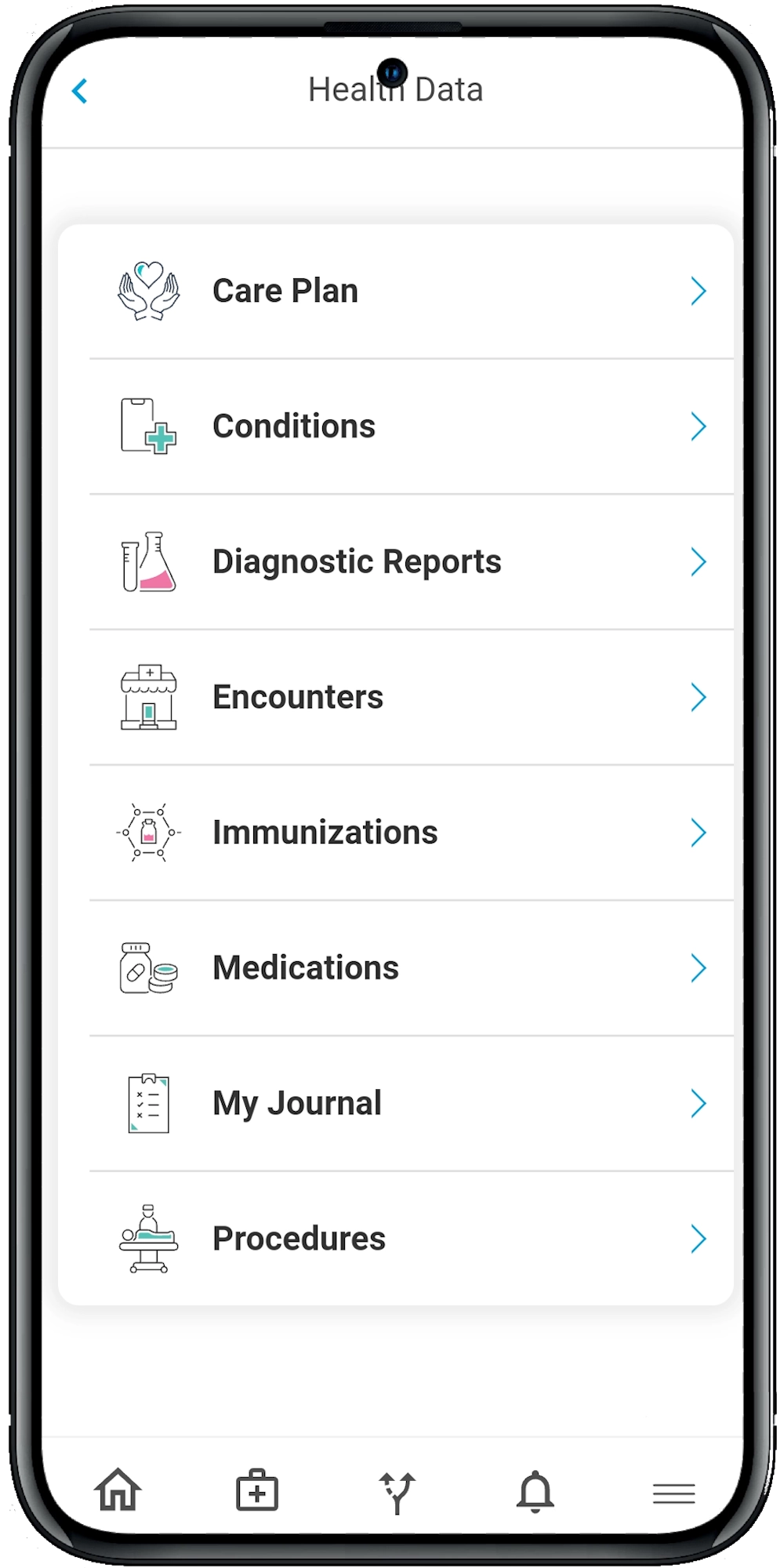
- Ownership of their health journey, especially when apps like the Calcium Super App are involved, offering medication tracking, vitals monitoring, and educational health pathways
Think of it as turning the healthcare system from a fire department (only showing up in emergencies) into a personal coach—always there, always guiding (Pham et al., 2014).
B. For Providers: Data, Efficiency, and Collaboration
For providers, the ACO model creates an ecosystem where care quality and teamwork are rewarded:
- Shared financial savings for delivering high-value care
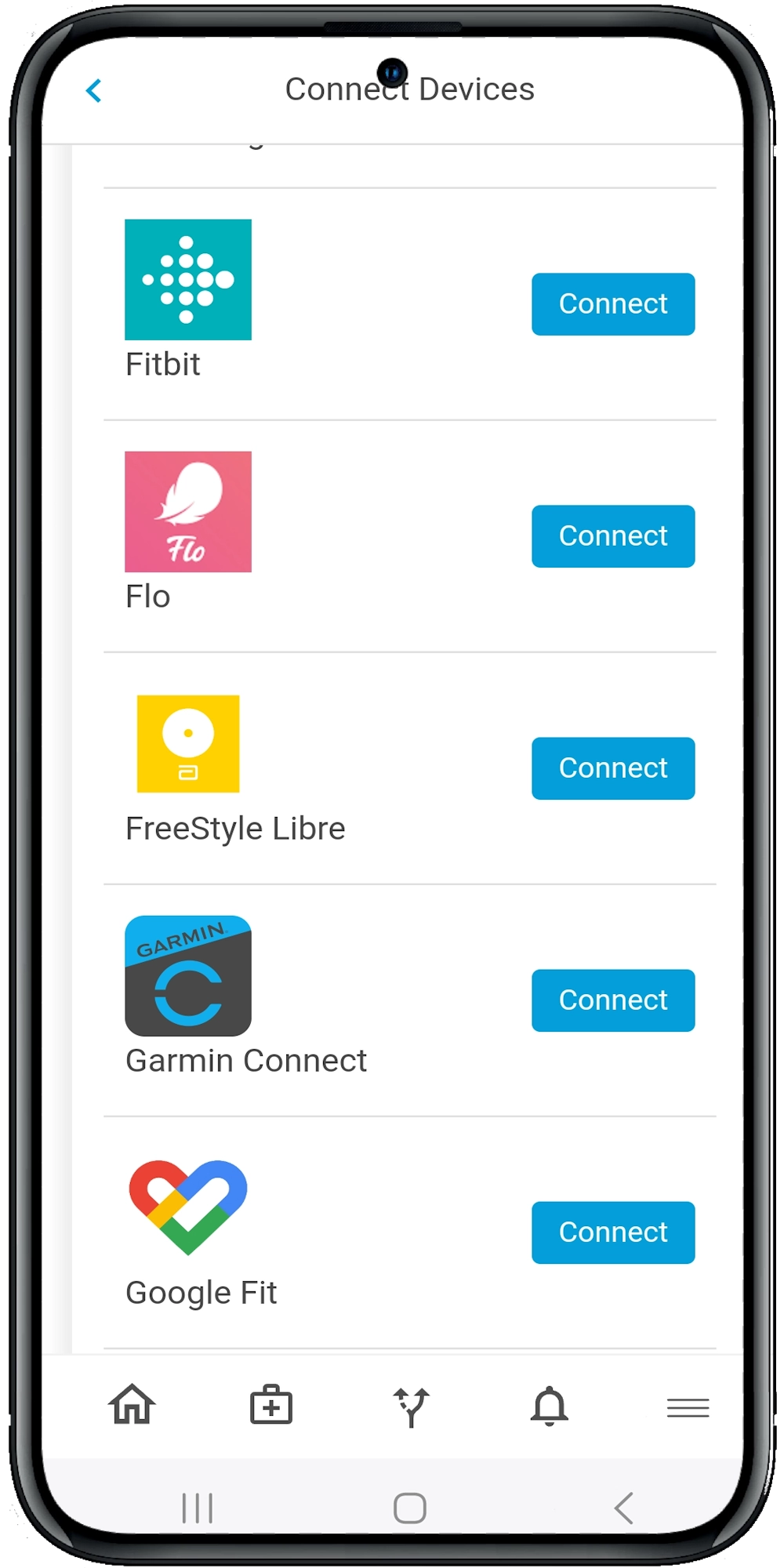
- Access to richer patient data, especially when EHRs, wearables, and app-generated data are unified
- Improved workflows, thanks to tools that streamline reporting and care coordination
- Collaboration across specialties, including behavioral health and social services
- Real-time alerts and analytics to identify gaps in care, risk factors, or patients in need of immediate attention
Providers working in ACOs that embrace platforms like Calcium Core gain even more advantages, including customizable dashboards, risk stratification, and AI-generated care pathways (Lowell & Bertko, 2010).
C. For the Healthcare System: Cost Containment Without Compromise
On a systems level, the ACO model is one of the few care delivery strategies that truly balances cost containment with quality improvement:
- CMS reports have shown consistent savings in Medicare Parts A and B across multiple ACOs (Nyweide, 2025)
- Reduction in preventable hospital readmissions and acute care episodes
- More effective management of population-level health metrics like blood pressure control, diabetes A1C rates, and cancer screening adherence
- Data aggregation and analysis that support value-based reimbursement models
As value-based care becomes the norm—not the exception—this model provides the infrastructure and incentive structure to make that transition work at scale (Toussaint et al., 2015).
Best Practices for ACO Success in the Digital Age
What separates thriving ACOs from those treading water? It comes down to strategic execution and smart adoption of digital tools. As we look toward the next decade of ACO evolution, here are the best practices shaping the future of high-performing ACOs:
1. Invest in Digital Infrastructure That Connects Everything
An effective ACO must break down data silos. That means:
- Integrating EHRs with patient-generated data
- Unifying medical device, wearable, and wellness app data
- Enabling cross-provider access to shared care plans and real-time patient updates
Platforms like Calcium Core do just that—creating a 360-degree view of each patient to inform timely, personalized care.
2. Empower Patients With Engaging Mobile Tools
The future of healthcare is in your pocket. Patients must be more than passive recipients—they need to be active participants in their care.
The Calcium Super App, for instance, helps patients:
- Track their medications and vitals
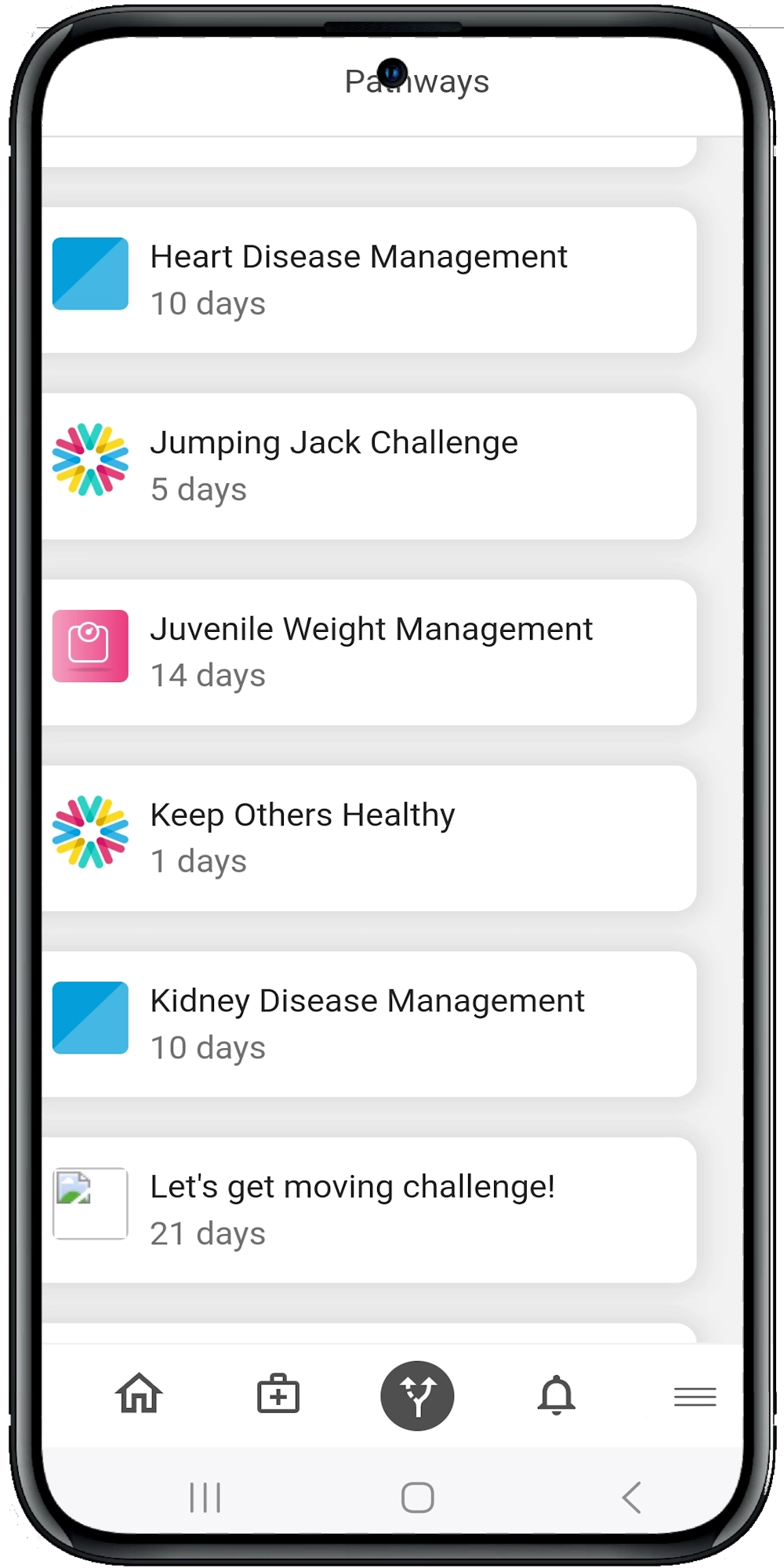
- Follow personalized care pathways
- Record health journal entries
- Share data with providers and caregivers
- Receive motivation and reminders through a friendly interface
When patients feel empowered, outcomes improve—and that’s the heart of the ACO model.
3. Use AI to Scale Personalized Care
One nurse can’t manage 500 patients alone. But with AI-generated care pathways, each patient can receive tailored daily guidance based on their diagnosis, preferences, and progress.
Calcium’s AI Studio lets providers build custom care pathways at scale, offering:
- Daily task reminders
- Health education content
- Automated symptom check-ins
- Dynamic feedback loops that adjust based on patient data
This creates a scalable model for chronic condition management and surgical recovery alike.
4. Focus on Risk Stratification and Early Intervention
Real-time data isn’t just a buzzword—it’s essential. ACOs need to identify rising-risk patients before small issues escalate.
Best-in-class ACOs are:
- Using predictive analytics to forecast high-cost events
- Prioritizing outreach to patients with gaps in care
- Setting up remote monitoring programs for post-acute follow-up
All of this reduces avoidable costs and improves outcomes—exactly what these models are designed for.
5. Measure What Matters and Iterate Quickly
Don’t wait until the end of the year to check performance metrics. The best ACOs track and adapt in real time:
- Monitoring CMS quality benchmarks on a rolling basis
- Adjusting care protocols based on pathway compliance
- Running population-level analytics to uncover disparities and opportunities
Digital health platforms make this feasible—replacing lagging indicators with proactive insights.
The Wrap
The ACO model is more than just a new payment structure—it’s a catalyst for transforming healthcare into something smarter, more connected, and deeply patient-centered.
As ACOs continue to evolve, success will depend on embracing digital tools, fostering collaboration, and keeping patients engaged in their own care journeys. Forward-looking organizations that align with these principles won’t just meet benchmarks—they’ll lead the way in delivering real, lasting impact.
If you’re ready to bring the future of healthcare into your organization today, it’s time to explore what’s possible with the Calcium digital health platform. From AI-powered care pathways to real-time health data integration, Calcium offers the tools your team needs to thrive under the ACO model.
Reference
- Nyweide, D. J. (2025). The First Decade of ACO Model Evaluations in the Medicare Program: A Systematic Review. Medical Care Research and Review. https://doi.org/10.1177/10775587251325914
- Pham, H. H., Cohen, M., & Conway, P. H. (2014). The Pioneer Accountable Care Organization Model. JAMA, 312(16), 1635. https://doi.org/10.1001/jama.2014.13109
- Toussaint, J., Krueger, D., Shortell, S. M., Milstein, A., & Cutler, D. M. (2015). ACO model should encourage efficient care delivery. Healthcare, 3(3), 150–152. https://doi.org/10.1016/j.hjdsi.2015.06.003
- Lowell, K. H., & Bertko, J. (2010). The Accountable Care Organization (ACO) Model. Journal of Ambulatory Care Management, 33(1), 81–88. https://doi.org/10.1097/jac.0b013e3181c9fb12