Türkiye’de bahis severler için en çok tercih edilen bettilt giriş adreslerden biri olmaya devam ediyor.
Curacao lisanslı platformlar arasında güvenilirlik açısından üst sıralarda bahsegel giriş yer alan, uluslararası denetimlerden başarıyla geçmiştir.
Kazançlı bahis deneyimi arayan herkes için bettilt doğru seçimdir.
Rulet masalarında en çok tercih edilen bahis türleri arasında kırmızı/siyah ve tek/çift seçenekleri yer alır; pinco giriş bu türleri destekler.
Basketbol tutkunları için en iyi kupon fırsatları bettilt sayfasında yer alıyor.
Simplifying Regulatory Demands with Connected Technology
What if the very thing meant to measure your ACO’s success is the same thing holding it back? Compliance and reporting have become the unsung gatekeepers of value-based care. ACOs are tasked with providing quality, tracking outcomes, and staying ahead of shifting regulations—all while trying to actually deliver the care. But too often, the process feels broken: siloed data, manual workflows, and constant fire drills just to keep up.
Compliance isn’t just about avoiding penalties—it’s about unlocking performance, trust, and patient-centered impact. Yet many ACOs are still stuck in reactive mode.
The good news? A smarter, more streamlined approach is not only possible—it’s already here.
Why ACO Reporting and Compliance Is So Challenging
Let’s be honest: reporting and compliance can feel like trying to run a marathon while carrying a filing cabinet. ACOs (Accountable Care Organizations) are expected to meet dozens of quality metrics, track patient outcomes, reduce costs, and still provide excellent care. The only problem? Most ACOs are doing all of this with outdated tools and disconnected systems.
In value-based care, success isn’t just about caring for patients—it’s about proving it through structured compliance strategies and performance documentation (Latchis, 2018). That means detailed documentation, real-time data sharing, and continuous monitoring of both quality and cost. It’s a heavy lift, and for many ACOs, it becomes a daily struggle to stay ahead. This is where the real challenges in ACO reporting and compliance start to stack up.
Here are the most frustrating pain points that ACOs face:
- Disjointed data systems. Most ACOs still rely on multiple EHRs that don’t talk to each other. This creates huge gaps in patient histories and real-time updates.
- Manual reporting processes. Teams often spend hours gathering spreadsheets and manually checking boxes to meet CMS or payer requirements.
- Medication oversight gaps. According to a study published in JMCP, only 9% of ACOs had the ability to notify providers when a prescription was filled—a key compliance metric in many value-based contracts (Dubois et al., 2020).
- Limited quality metric tracking. Many ACOs track basic measures like flu shots or diabetes checks, but fall short when it comes to specialty care or behavioral health metrics.
So what’s the cost of getting this wrong? Aside from missed bonuses or penalties, poor ACO reporting and compliance can lead to fragmented care, unhappy patients, and wasted resources.
Automation: The Game-Changer ACOs Need
Think about what the airline industry looked like before autopilot systems. Pilots had to handle every switch, every direction, every moment. Now, imagine ACO compliance teams doing that every single day—with no autopilot.
That’s where automation comes in. It’s not just about replacing manual labor—it’s about building smarter systems that work with you, not against you.
Let’s break down exactly what automation means in the ACO world:
- Data integration. Automatically pulling in data from different EHRs, pharmacy systems, and labs into one unified dashboard.
- Real-time alerts. Flagging when a patient misses a screening, when a medication isn’t filled, or when documentation is incomplete.
- Predictive insights. Using AI to identify patients at risk of readmission or poor outcomes—before it happens (Chen et al., 2025).
- Task automation. Sending out reminders, triggering care plan updates, or even filling out parts of a CMS report.
This isn’t science fiction. It’s available now—and it’s transforming how organizations approach ACO reporting and compliance.
How the Calcium Digital Health Platform Makes It Work
Here’s the good news: solutions like the Calcium digital health platform are already designed to take the weight off your shoulders. It’s not just a tool; it’s a complete support system for care teams, compliance officers, and patients.
Let’s walk through how Calcium simplifies the most painful parts of ACO reporting and compliance:
1. Digital Pathways That Track Everything
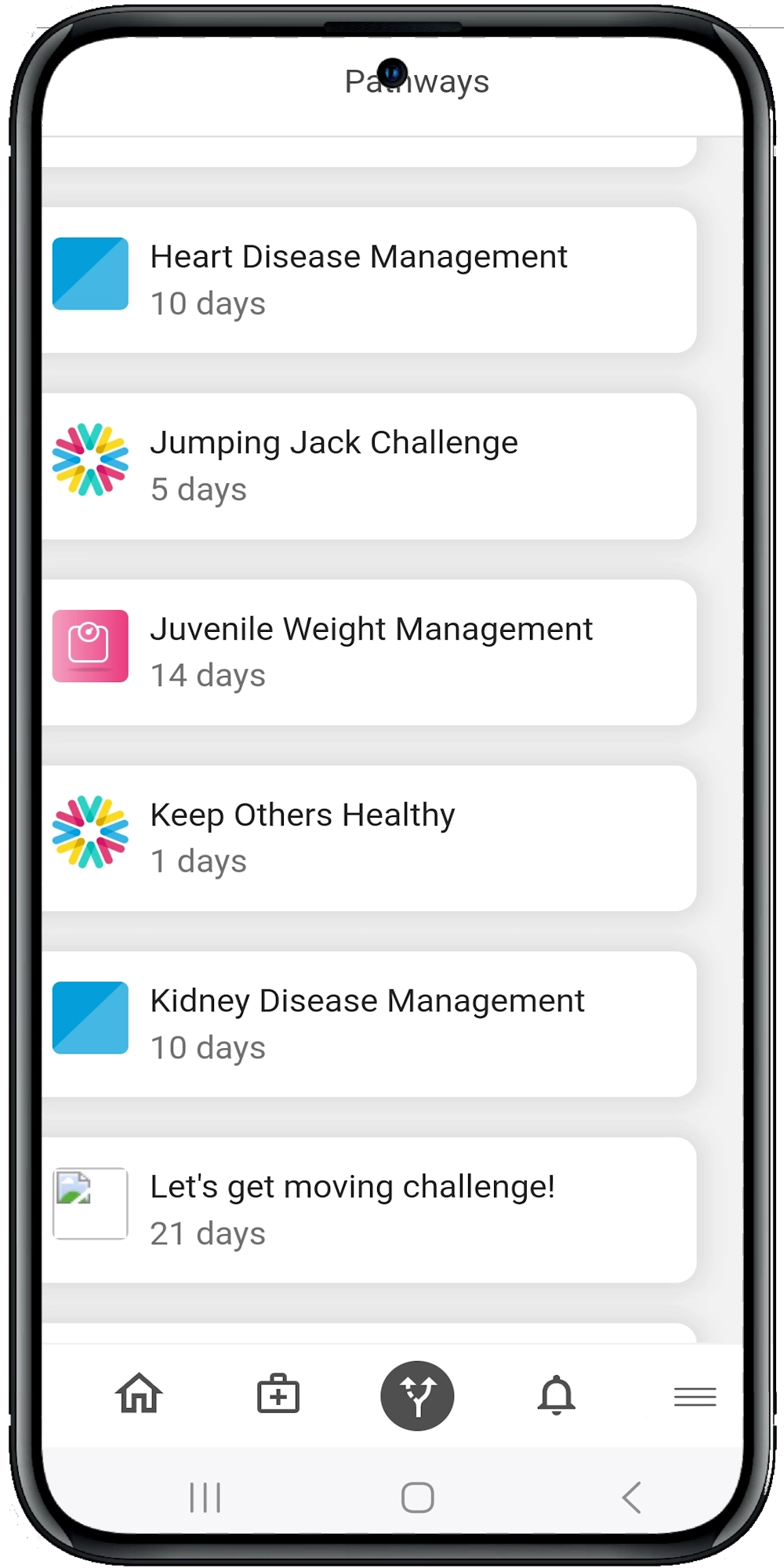
Calcium’s Super App offers care “pathways” that guide patients through everything from chronic disease management to post-surgical recovery. These aren’t just reminders—they’re intelligent checklists that:
- Record vitals and symptoms
- Log medication use
- Alert providers if care steps are missed
- Update in real time based on patient behavior
That means ACOs can document patient engagement, treatment adherence, and outcomes automatically—major wins for both compliance and quality reporting.
2. Unified Data That Speaks the Same Language
No more flipping between tabs or exporting clunky reports. Calcium’s platform integrates data from:
- EHRs
- Pharmacy systems
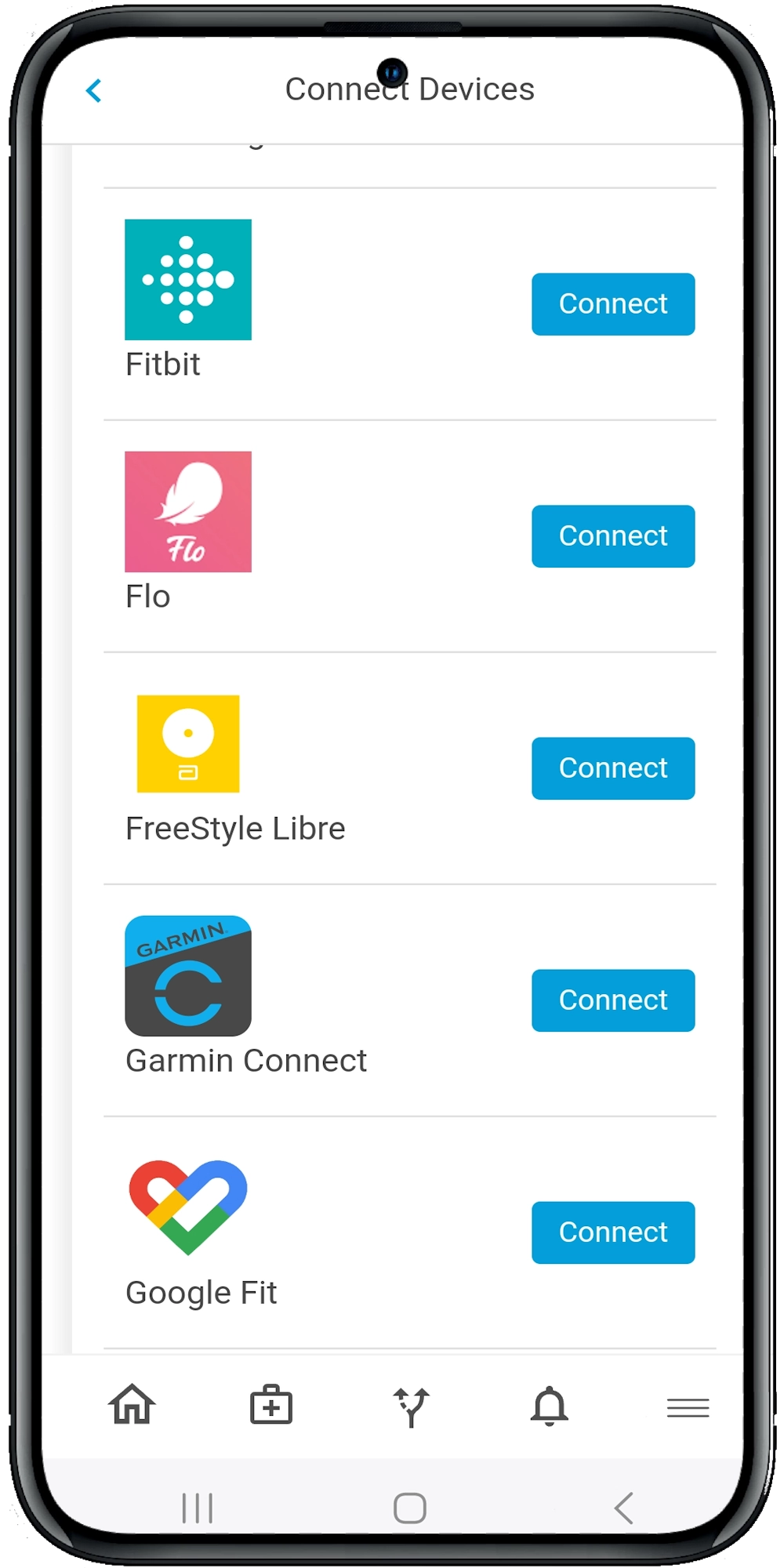
- Wearables
- Lab results
- Patient-reported outcomes
Everything is organized and formatted in a way that meets ACO reporting and compliance requirements—saving hours of data wrangling every month.
3. Real-Time Compliance Monitoring
Ever wish your EMR would just tell you when something was missing? Calcium can do that.
The platform uses smart alerts to flag:
- Missed screenings or wellness visits
- Out-of-date chronic care plans
- Missing quality metric documentation
This helps teams catch issues early—before they show up as penalties in quarterly performance reports.
Bridging Gaps in Medication and Behavioral Health Reporting
According to the JMCP study, fewer than 20% of ACOs had systems in place to track whether prescriptions were filled or to avoid medication duplication. That’s a serious gap—especially since more than half of Medicare Shared Savings quality metrics are directly affected by medication use (Dubois et al., 2020).
Calcium addresses this with:
- Medication tracking pathways. Patients can log doses, receive refill reminders, and share real-time adherence data.
- Polypharmacy monitoring. The system can alert providers if patients are prescribed conflicting medications or redundant therapies.
- Behavioral health modules. Digital pathways for anxiety, depression, or ADHD track mood, medication, and therapy compliance—key for full-spectrum value-based care.
These tools don’t just help you report after the fact—they actually improve patient outcomes in the moment.
Engaging Patients = Better Compliance
Let’s face it: even the best reporting system can’t save an ACO if patients don’t show up or follow through. That’s why Calcium makes patient engagement part of the compliance toolkit—not an afterthought.
Here’s how:
- Gamified goals. Patients can see progress bars, earn badges, and celebrate milestones, keeping them involved.
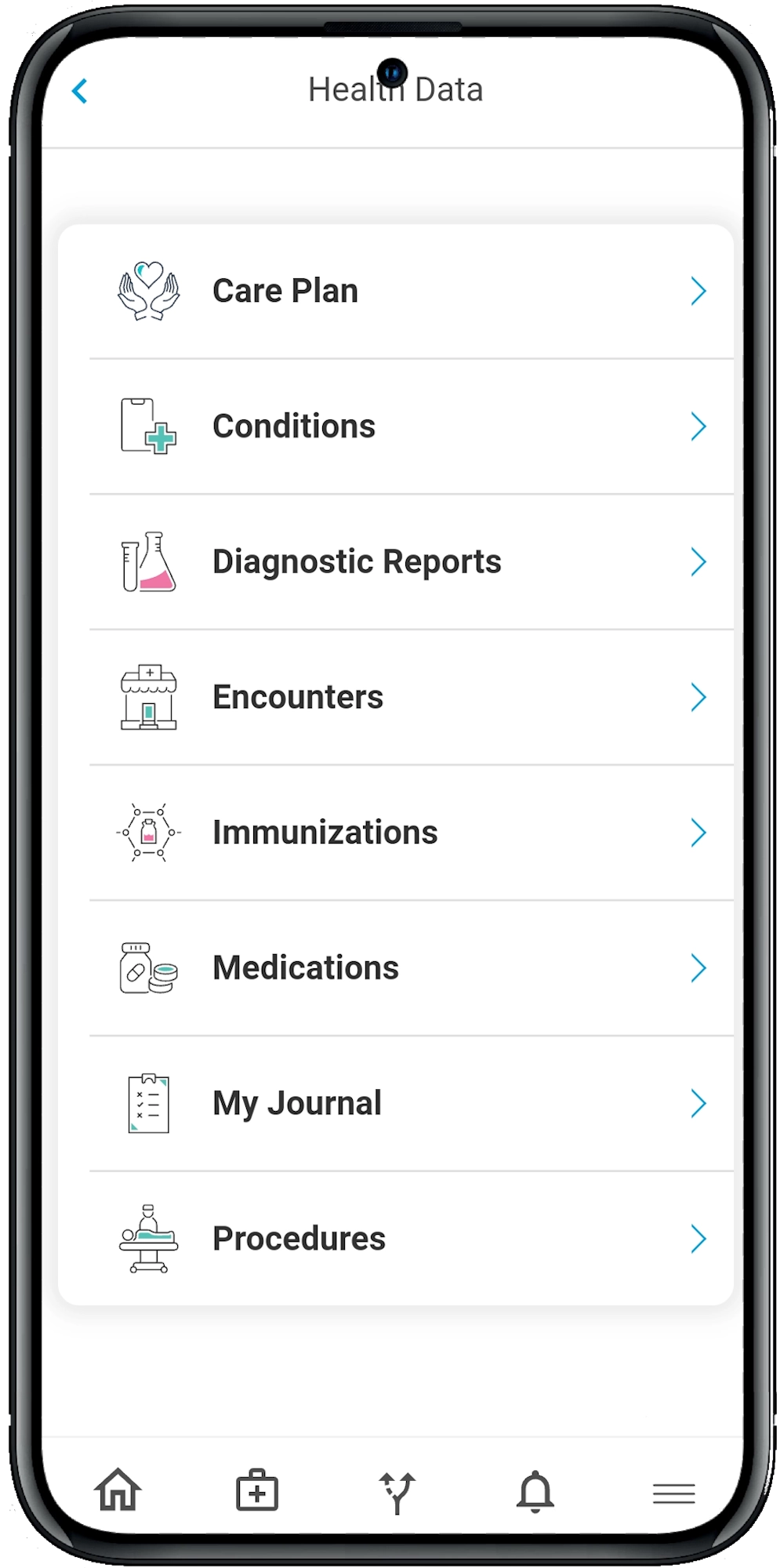
- Health journals and feedback loops. Patients log symptoms or concerns, which trigger real-time updates to care plans.
- Self-enrollment. People don’t have to wait for a call from their care manager—they can join a pathway right from their phone.
All of this adds up to one thing: more engaged patients, better outcomes, and easier ACO reporting and compliance.
ACOs Are Facing the Future—Are You Ready?
ACOs aren’t going away. Over the first decade, Medicare ACO models cared for nearly six million fee-for-service patients and helped 214 ACOs reduce spending by about $2.8 billion (resulting in a net $317 million after shared savings) without compromising quality (Nyweide, 2025). That success shows what’s possible—but also highlights that automation is becoming essential to scale and sustain these results.
But the good news? Automation is leveling the playing field. ACOs that embrace tools like the Calcium platform aren’t just surviving the compliance maze—they’re building smarter, leaner, more connected care teams.
And when automation handles the paperwork, providers can focus on what really matters: helping people get and stay healthy.
The Wrap
ACO reporting and compliance doesn’t have to be a never-ending uphill battle. With the right digital infrastructure, what once felt like a burden can become a competitive advantage. Automation brings speed, accuracy, and clarity to a process that too often feels chaotic and reactive—and that’s exactly what the Calcium Digital Health Platform is built to deliver.
Whether you’re navigating complex CMS reporting, coordinating across multiple care teams, or simply trying to close gaps in medication adherence and patient engagement, Calcium offers a smarter, more connected path forward.
Reference
- Chen, D., Jia, W., Chen, Q., Chen, J., & Li, Z. (2025). Optimizing the compliance third-party supervision workflow of involved enterprises using artificial intelligence ant colony algorithm. Scientific Reports, 15(1). https://doi.org/10.1038/s41598-025-97115-y
- Latchis, R. (2018). Supporting Value-Based Care: The Role of Compliance Take Time to Make Sure Your Organization Is Ready SECTION I: OVERVIEW OF VALUE-BASED CARE AND ALTERNATIVE AND ADVANCED ALTERNATIVE PAYMENT MODELS Health Care Reform and the Affordable Care Act. In Journal of Health Care Compliance. https://healthethicstrust.com/wp-content/uploads/2020/05/HET-WEC2020-Rebekah-Latchis-Supporting-Value_Based-Care-The-Role-of-Compliance-Journal-Article.pdf
- Dubois, R. W., Feldman, M., Lustig, A., Kotzbauer, G., Penso, J., Pope, S. D., & Westrich, K. (2020). Are ACOs ready to be accountable for medication use? Journal of Managed Care & Specialty Pharmacy, 26(11), 1446–1451. https://doi.org/10.18553/jmcp.2020.26.11.1446
- Nyweide, D. J. (2025). The First Decade of ACO Model Evaluations in the Medicare Program: A Systematic Review. Medical Care Research and Review. https://doi.org/10.1177/10775587251325914