Türkiye’de bahis severler için en çok tercih edilen bettilt giriş adreslerden biri olmaya devam ediyor.
Curacao lisanslı platformlar arasında güvenilirlik açısından üst sıralarda bahsegel giriş yer alan, uluslararası denetimlerden başarıyla geçmiştir.
Kazançlı bahis deneyimi arayan herkes için bettilt doğru seçimdir.
Rulet masalarında en çok tercih edilen bahis türleri arasında kırmızı/siyah ve tek/çift seçenekleri yer alır; pinco giriş bu türleri destekler.
Basketbol tutkunları için en iyi kupon fırsatları bettilt sayfasında yer alıyor.
Untangling the Digital Roadblocks that Stand Between Insight and Impact in Modern Healthcare
Data is everywhere in today’s healthcare landscape—streaming from EHRs, wearables, lab systems and patient apps.
But here’s the catch: more data doesn’t automatically mean better care. In fact, without the right dsystems in place, all that information can become overwhelming, confusing and downright dangerous. For providers working in value-based care models, where outcomes matter more than volume, the ability to harness data effectively isn’t optional—it’s mission-critical.
So why does managing healthcare data still feel like solving a puzzle with missing pieces? The truth is, most healthcare systems are still navigating a maze of technical, regulatory and workflow obstacles. And while technology continues to evolve, the pressure to deliver coordinated, personalized, and proactive care only grows stronger. If you’re a healthcare leader, clinician or innovator, understanding the biggest data challenges—and how to tackle them—is the first step toward transforming the way we care for patients. Let’s dive into what’s really standing in the way.
Why Healthcare’s Data Problem Is Everyone’s Problem
We’re living in an era where healthcare is producing more data than ever before—clinical records, remote monitoring devices, mobile health apps, genomics, imaging—you name it. But the real challenge isn’t in collecting this data. It’s in making it useful. For many healthcare providers, the flood of information creates more confusion than clarity. And for patients, the result is often fragmented care, repeated tests, and delayed treatment.
In a value-based care (VBC) model, where reimbursement depends on outcomes rather than volume, data is the engine that drives everything. So when that engine is sputtering, the whole system suffers. Let’s dig into the core data challenges holding healthcare back—and how we can start solving them.
The Most Pressing Data Challenges in Healthcare
Every healthcare organization faces some version of these problems. What varies is how prepared they are to overcome them.
1. Data Silos and Fragmentation
One of the biggest hurdles? Data doesn’t talk to each other.
Patients may see multiple providers—primary care doctors, specialists, therapists—and each one often uses a different system. Lab results may live in one portal, imaging in another, and patient-reported symptoms in yet another app. That fragmentation makes it hard to get a complete view of a patient’s health.
The result? Missed diagnoses, redundant tests, and a lot of unnecessary frustration
2. Lack of Data Standardization
Even when data is available, it’s not always usable. Different systems record data in different ways. One EHR may use SNOMED codes, while another uses ICD-10. One app might track “steps,” another tracks “activity”—but there’s no shared definition.
Inconsistent formats, terminology, and measurement standards make it incredibly difficult to combine or analyze data across platforms. That’s a major roadblock for any organization hoping to scale population health analytics or predictive modeling.
3. Privacy, Consent, and Security Concerns
Healthcare deals with the most sensitive kind of data—your health. Patients expect their information to be private and secure, but that’s getting harder as more platforms, apps, and vendors get involved.
HIPAA compliance is essential, but it’s only the beginning. Organizations also need to think about how they collect patient consent, how they manage data-sharing permissions, and how they keep up with evolving regulations.
Trust is a huge part of patient engagement. If patients don’t feel safe sharing their data, they won’t.
4. Outdated Infrastructure and Limited Scalability
Let’s face it—many healthcare systems still run on outdated, patchworked IT infrastructure. These systems weren’t built to handle today’s volume or complexity of data.
Think about it like trying to stream 4K video on dial-up internet. It just doesn’t work.
As data volumes grow exponentially, providers need cloud-based, scalable platforms that can ingest, process, and visualize data in real time. Without that upgrade, even the best care models will struggle to keep up.
5. Delayed or Incomplete Data Access
Healthcare is still plagued by delays. A lab result might take days to reach the care team. A patient might forget to report a worsening symptom until their next visit.
In value-based care, that lag time can cost lives and dollars.
The ability to access and act on data in real time is no longer optional—it’s essential. And yet, many providers still rely on manual uploads, disconnected databases, and retrospective reporting.
6. Underutilization of Patient-Generated Health Data
We’re asking patients to wear devices, track their meals, monitor their vitals—but how often is that data actually used?
Patient-generated data, or PGHD, offers tremendous value. It provides context between visits, early warnings for flare-ups, and insight into lifestyle trends. But too often, it lives in a separate ecosystem that doesn’t sync with the clinical one.
When PGHD isn’t integrated into provider workflows, it becomes digital noise instead of a powerful tool.
7. Barriers to Effective Analytics and AI Use
Big data is only valuable if you can make sense of it. Unfortunately, most healthcare organizations don’t have enough data scientists or AI-literate clinicians to fully use advanced analytics.
Even when AI is implemented, trust remains an issue. Clinicians want to know why an algorithm recommends a certain action. If the model is a “black box,” many won’t use it.
This challenge was emphasized in a review of deep learning in healthcare, which outlined the trade-offs between predictive power and interpretability. As advanced tools become more common, ensuring transparency and context will be key.
The Cost of Poor Data in Value-Based Care
All these data issues trickle down to what matters most: patient outcomes. If you can’t access accurate, timely, and complete data, you can’t deliver high-quality care—or prove that you’re doing it.
Here’s how poor data impacts your bottom line and your patients:
- Wasted resources from duplicated tests and procedures
- Poor care coordination due to incomplete information
- Increased readmissions and missed preventive care opportunities
- Lower patient satisfaction from delayed or disjointed experiences
- Reduced performance scores in value-based contracts
In short, data challenges don’t just affect your IT department—they affect everything.
What the Research Says
The challenges aren’t just theoretical. Several studies reinforce what many providers already know:
- A review of big data in European healthcare systems highlighted the lack of infrastructure and standardization as major obstacles to digital transformation (Pastorino, 2019).
- Another study on modeling big healthcare data emphasized how data heterogeneity complicates analytics, requiring new methodological approaches (Dinov, 2016).
- A broad review of healthcare big data stressed the opportunity to improve outcomes—but only if privacy, interoperability, and access issues are resolved (White, 2014).
- Finally, the literature on deep learning in healthcare shows promise for predictive care, but warns that data quality and transparency are essential (Miotto, 2018).
Together, these studies reinforce a key point: the tech is here, but the foundation isn’t always ready.
How Calcium Helps Solve These Challenges
So how do we begin to fix this? It starts with smarter platforms—like Calcium—that are built to manage complexity and scale with care.
Here’s how the Calcium digital health platform addresses healthcare’s data challenges:
Breaks Down Silos
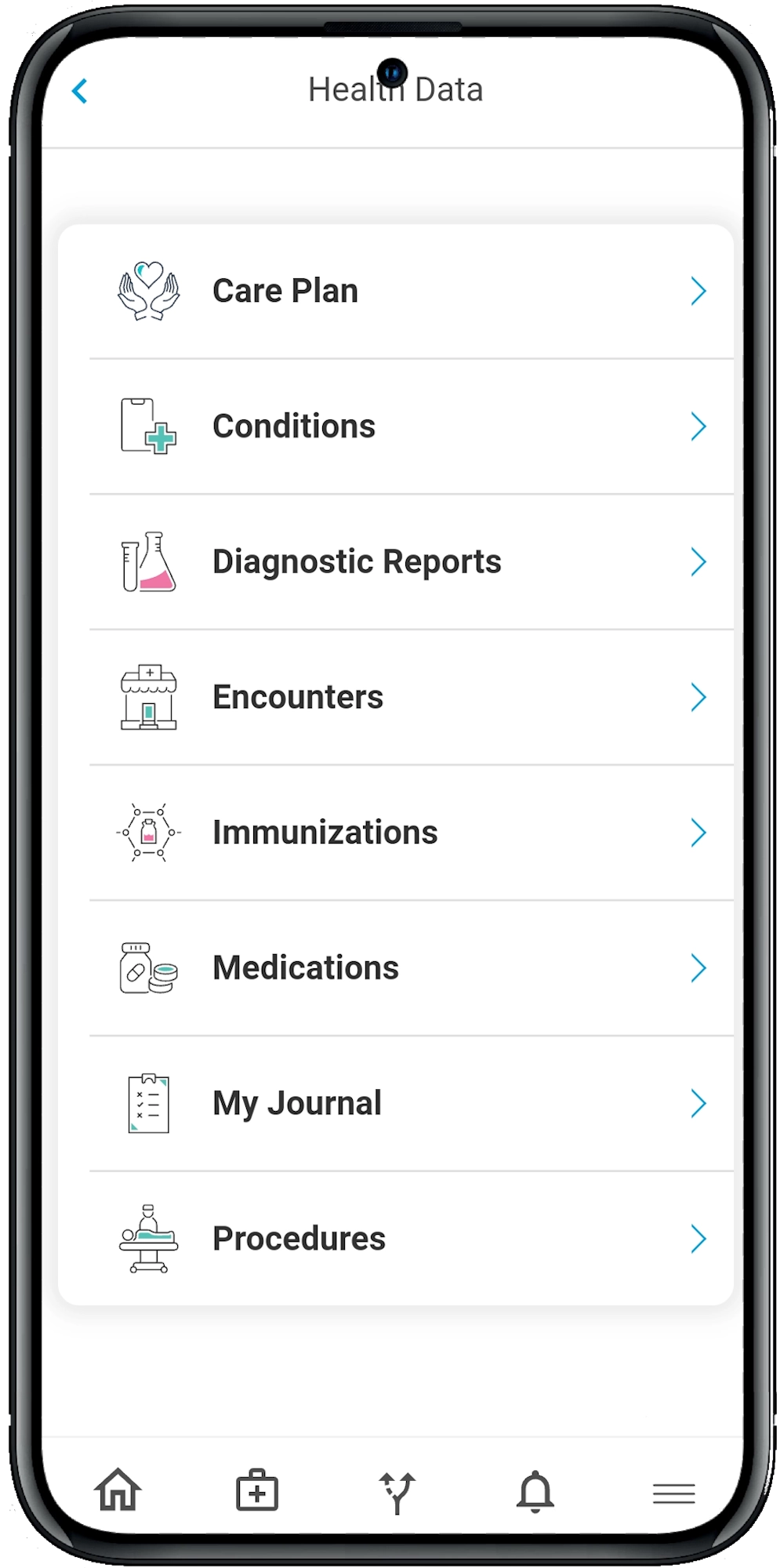
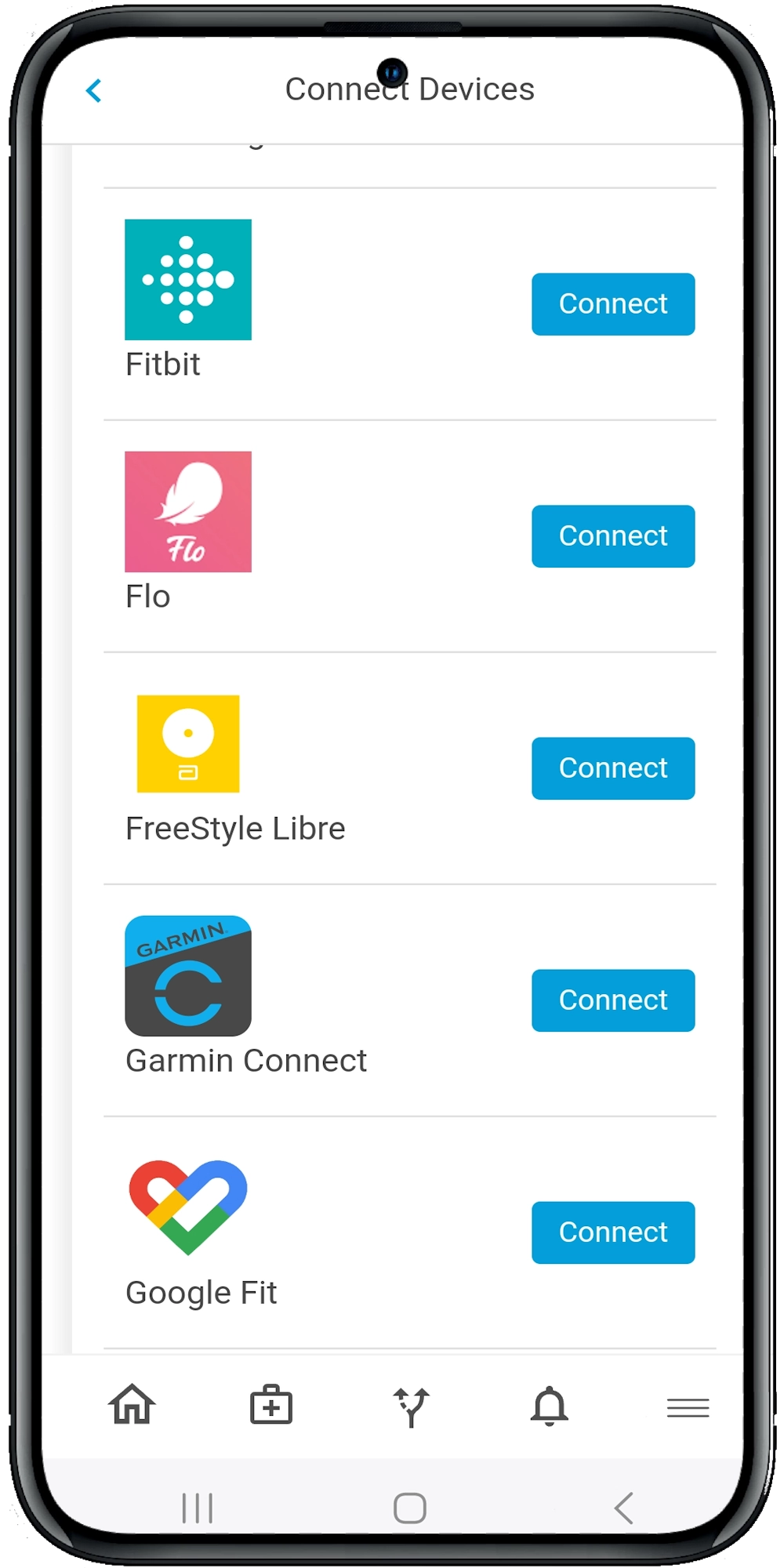
Calcium connects to more than 95% of U.S. EHR systems, plus wearables, lab networks, and popular health apps. This gives providers a unified view of the patient.
Standardizes and Cleans Data
Through AI-powered tools, Calcium normalizes data formats and codes, making it easier to analyze and share across systems.
Supports Real-Time Monitoring
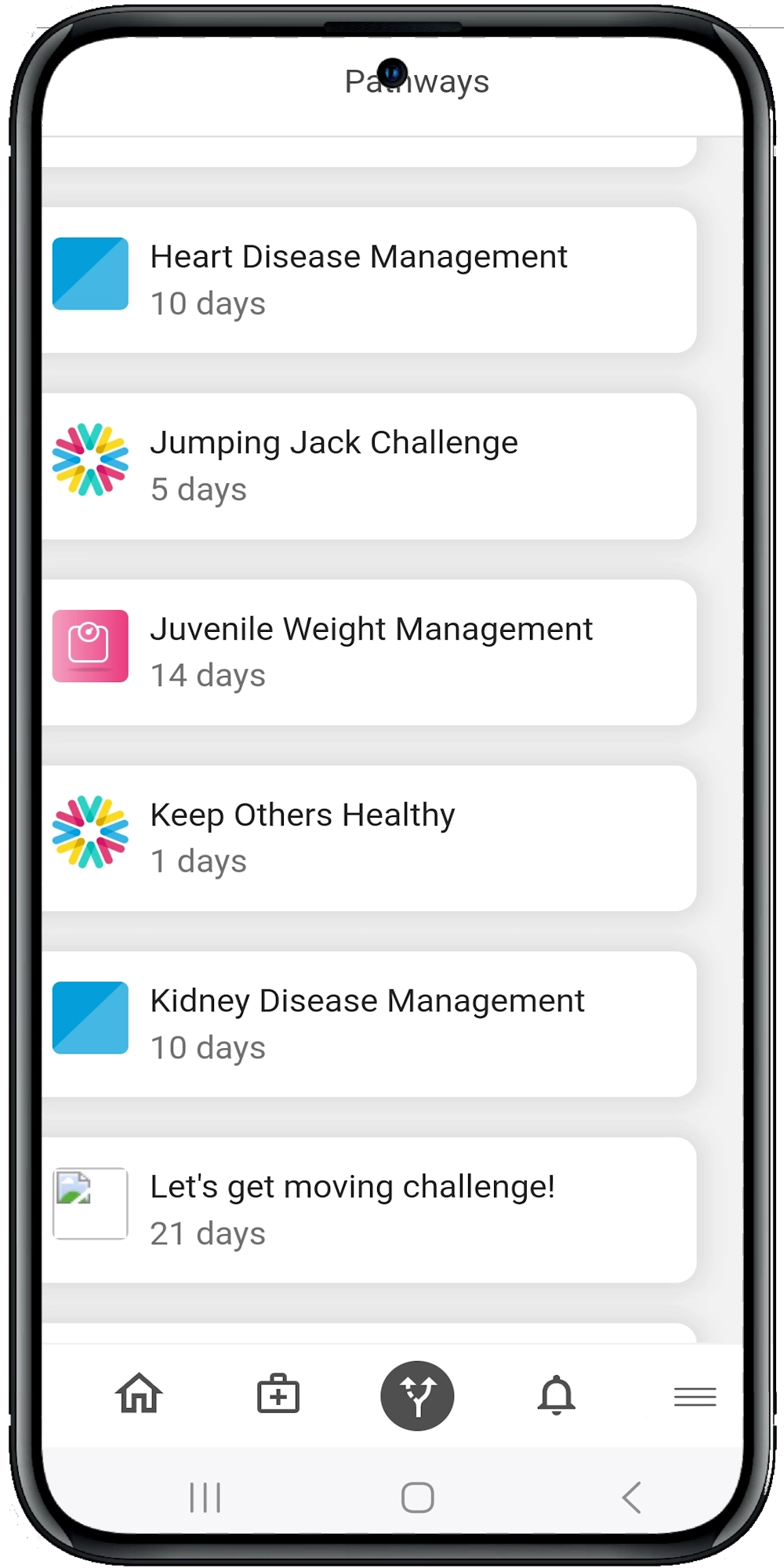
Calcium’s dashboards and care pathways update dynamically, offering alerts when a patient skips a task, reports a symptom, or hits a red-flag threshold.
Secure and Compliant
Built with end-to-end HIPAA compliance and customizable consent controls, the platform keeps patient trust at the center.
Integrates PGHD and PROMs
Calcium doesn’t just collect patient-reported outcomes—it puts them into context, aligning them with care goals and clinical workflows.
So What’s Next?
Healthcare can’t afford to let data be a barrier any longer. The tools exist. The knowledge is growing. What’s needed now is commitment—commitment to breaking down barriers, investing in scalable solutions, and making data useful for patients, not just administrators.
The good news? You don’t have to start from scratch.
Platforms like Calcium are already solving the hardest parts of the puzzle, helping providers move from disconnected data to connected, proactive care.
Data shouldn’t be a roadblock—it should be a launchpad. As healthcare continues to shift toward value-based care, the ability to collect, analyze and act on data in real time is what will separate thriving organizations from those falling behind. Whether you’re struggling with fragmented systems, missing patient insights or outdated infrastructure, the solution starts with the right platform.
Calcium is designed to eliminate these pain points by connecting data across systems, surfacing what matters most and empowering both providers and patients to take action. From care coordination and real-time alerts to personalized pathways and secure patient engagement, Calcium brings clarity to the chaos of healthcare data.
Reference
- Pastorino, R., De Vito, C., Migliara, G., Glocker, K., Binenbaum, I., Ricciardi, W., & Boccia, S. (2019). Benefits and challenges of big data in healthcare: An overview of the European initiatives. European Journal of Public Health, 29(3), 23–27. https://doi.org/10.1093`/eurpub/ckz168
- Dinov, I. D. (2016). Methodological challenges and analytic opportunities for modeling and interpreting Big Healthcare Data. GigaScience, 5(1). https://doi.org/10.1186/s13742-016-0117-6
- White, S. (2014). A review of big data in health care: challenges and opportunities. Open Access Bioinformatics, 6, 13. https://doi.org/10.2147/oab.s50519
- Miotto, R., Wang, F., Wang, S., Jiang, X., & Dudley, J. T. (2018). Deep Learning for healthcare: review, Opportunities and Challenges. Briefings in Bioinformatics, 19(6), 1236–1246. https://doi.org/10.1093/bib/bbx044