Türkiye’de bahis severler için en çok tercih edilen bettilt giriş adreslerden biri olmaya devam ediyor.
Curacao lisanslı platformlar arasında güvenilirlik açısından üst sıralarda bahsegel giriş yer alan, uluslararası denetimlerden başarıyla geçmiştir.
Kazançlı bahis deneyimi arayan herkes için bettilt doğru seçimdir.
Rulet masalarında en çok tercih edilen bahis türleri arasında kırmızı/siyah ve tek/çift seçenekleri yer alır; pinco giriş bu türleri destekler.
Basketbol tutkunları için en iyi kupon fırsatları bettilt sayfasında yer alıyor.
A Smarter Approach to Streamlining VBC Workflows, Patient Engagement and Team Collaboration
Value-based care (VBC) has become the new standard for delivering healthcare that actually works. But while its goals are clear, the path to achieving them can feel like navigating a maze.
Providers are asked to do more with less: improve outcomes, cut costs, engage patients, and report it all to payers without burning out their teams.
The result? Operational overload. That’s where the conversation needs to shift. Instead of forcing outdated systems to meet modern demands, it’s time to rethink how care is managed at its core. What if your workflows, patient outreach, team communication, and reporting were all connected and effortless?
That’s the promise of intelligent care management software. Not just another tool, but a smarter way to run your value-based care model one that clears the chaos and brings clarity to your daily operations.
The Real Operational Burden of Value-Based Care
Value-based care promises a smarter, more sustainable future for healthcare. But let’s be real—getting there is no small task. While the goals are noble—better outcomes, lower costs, happier patients—the operations required to deliver on those promises are anything but simple.
Many provider organizations are overwhelmed. Why? Because the infrastructure built for fee-for-service wasn’t designed to support value-based workflows. The truth is, most teams are juggling spreadsheets, siloed systems, and disconnected data just to keep up.
That’s where intelligent care management software comes in. It doesn’t just digitize your to-do list. It reimagines how your entire team delivers care smarter, faster, and with a lot less friction.
What Makes Care Management Software “Intelligent”?
Not all software is created equal. Traditional case management systems help teams assign tasks and log notes, but they don’t solve the bigger problems like disconnected care teams, unengaged patients, or outcomes that are hard to track.
Intelligent care management software takes it further. It connects people, data, and processes to deliver proactive, coordinated, and measurable care especially in complex, value-based environments.
The right platform will include features like:
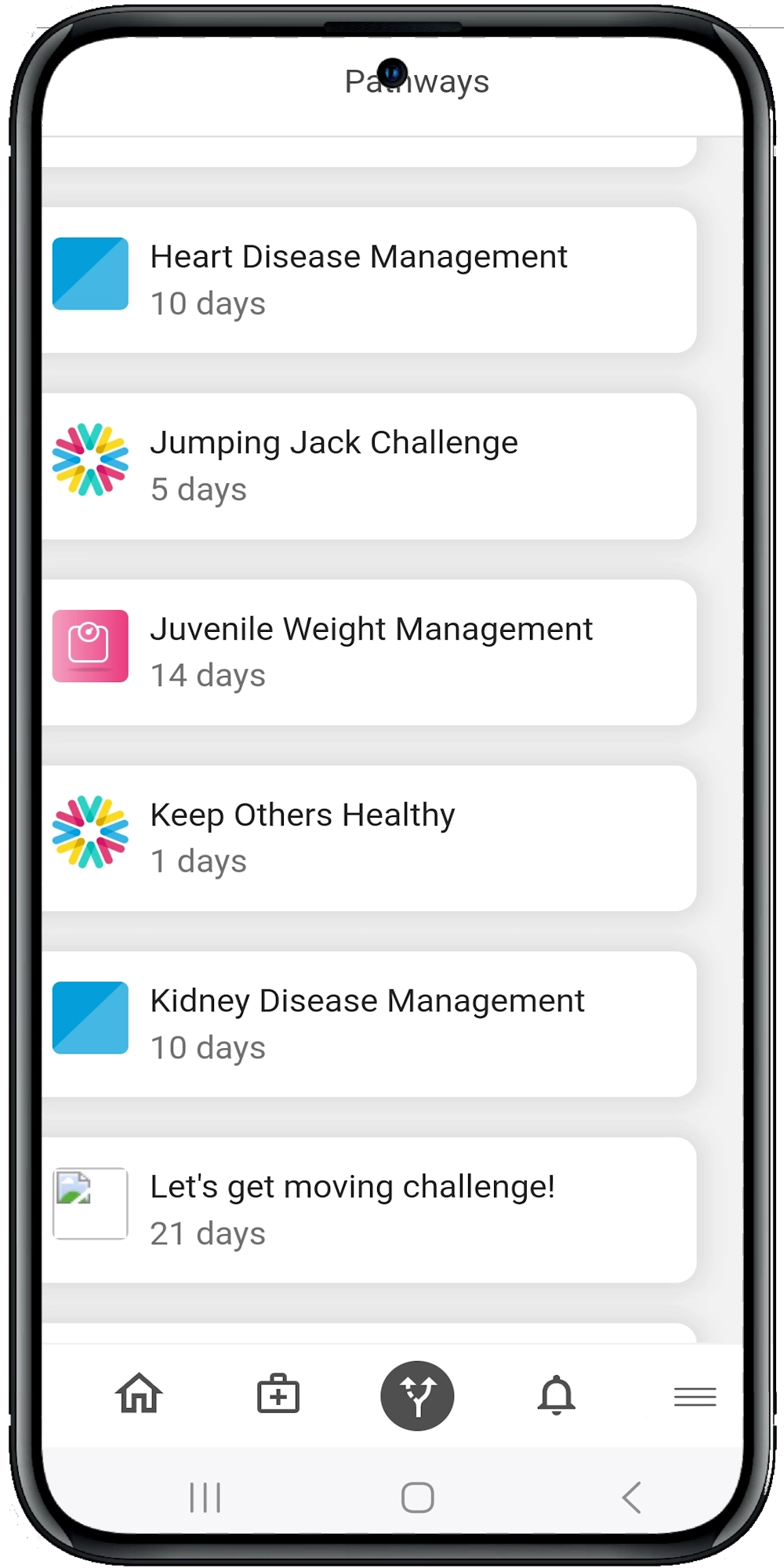
- Dynamic care pathways tailored to the patient’s condition, goals, and risk profile
- Automated workflows that eliminate manual steps and reduce burnout
- Real-time alerts and predictive analytics for at-risk patients
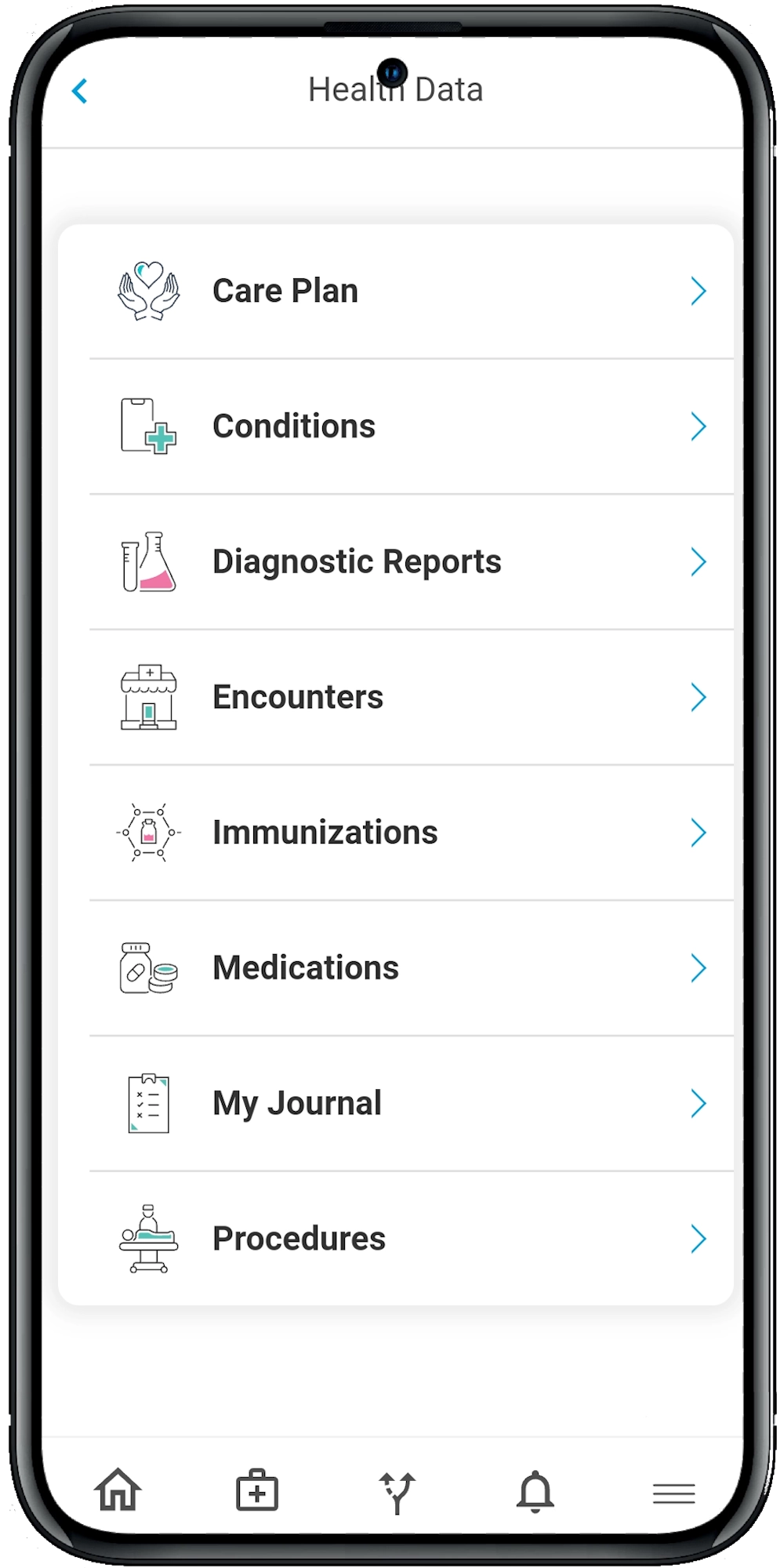
- Mobile engagement tools that keep patients involved between visits
- Integrated behavioral and social health data for whole-person care
- Visual dashboards that track performance, outcomes, and quality metrics
Think of it as your VBC operations hub one place where everything comes together.
The Top Operational Headaches and How Intelligent Software Solves Them
Every organization faces its own set of challenges, but the symptoms of operational overload tend to look pretty familiar.
Here are some of the most common care coordination headaches and how intelligent care management software helps resolve them:
1. Scattered Teams and Disconnected Workflows
When primary care, specialists, behavioral health providers, and case managers operate in silos, patients fall through the cracks. Intelligent software brings these teams together with shared care plans, task tracking, and secure messaging all in one place.
2. Manual Data Collection and Reporting
Teams waste hours compiling spreadsheets, chasing down lab results, or double-documenting notes. With real-time integration and automatic reporting, the software does the heavy lifting for you.
3. Low Patient Engagement
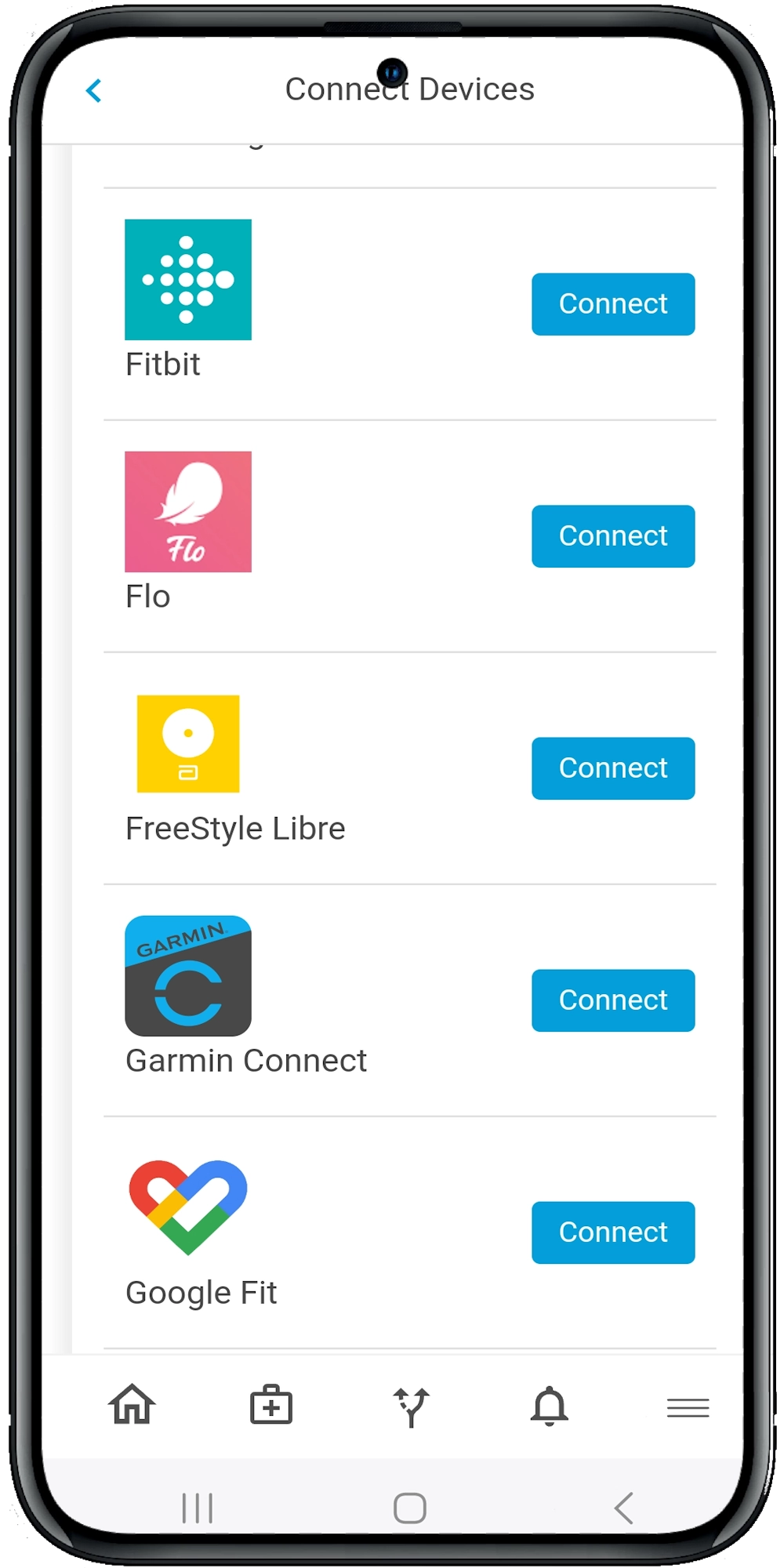
Patients don’t just need appointments they need reminders, support, and accountability between visits. With mobile tools like Calcium’s Super App, patients get daily check-ins, reminders, and personalized content that keep them on track.
4. Behavioral Health Left Out of the Equation
We know that mental health impacts everything from medication adherence to ER visits. Yet most systems still treat it separately. Intelligent care platforms embed behavioral tools mood tracking, journaling, screenings—directly into the care experience.
5. Too Much Data, Not Enough Insight
You might have access to tons of data but can you act on it? Platforms like Calcium convert data into usable insights with dashboards that show you where patients are, where gaps exist, and how your team is performing.
Intelligent Automation for Everyday Efficiency
One of the biggest benefits of intelligent software? It takes the guesswork and the grunt work out of daily operations.
Let’s say you’re managing a population of patients with Type 2 diabetes. With intelligent care management, here’s what your workflow might look like:
- New lab results show elevated A1C for a patient. The system flags the result and auto-enrolls the patient into a tailored diabetes care pathway.
- The patient gets a mobile notification with a check-in, daily goal, and education on blood sugar control.
- The provider gets an alert that the patient is off-track and needs follow-up.
- The care manager sees the task on their dashboard, checks progress, and schedules a virtual coaching session.
- The system logs all activity and tracks outcomes for VBC reporting.
No spreadsheets. No missed steps. Just coordinated, connected care in real time.
From Complex Populations to Simpler Systems
If you’re managing high-need, high-cost (HNHC) patients, you know just how complicated their care can be. These patients often have multiple chronic conditions, behavioral health challenges, and social risk factors. That’s a lot to manage.
Research into complex-care coordination shows that what works best is tailored, integrated, and proactive care models. Intelligent platforms like Calcium make that possible by:
- Stratifying patients based on clinical, behavioral, and social risk
- Assigning pathways based on individual needs and history
- Enabling digital engagement that fits their daily lives
- Connecting all care team members in a shared workspace
This is care management that actually manages.
The Power of Modular, Scalable Technology
One of the standout lessons from the Value Driven Outcomes (VDO) framework is this: to improve care quality and reduce costs, health systems need modular, extensible software that grows with them.
You shouldn’t have to overhaul everything just to implement value-based care. Intelligent platforms are designed to let you:
- Start small maybe one condition or one population
- Customize digital pathways and engagement tools for your needs
- Add new modules, programs, or metrics as you grow
- Scale across clinics, departments, or regions—without rework
This kind of flexibility is critical, especially as organizations take on more risk-based contracts or enter value-based arrangements with payers.
Reducing Risk, Enhancing Quality
Another overlooked benefit of intelligent care management? Better risk mitigation and quality improvement.
Tools like process mapping, failure mode and effects analysis (FMEA), and value stream mapping—as outlined in the quality management article are powerful. But they require the right infrastructure to act on what you find.
Intelligent platforms take those insights and build them into operations. For example:
- You find that care transitions are a weak point add automated discharge follow-ups.
- You see bottlenecks in behavioral health access trigger mood check-ins and referrals earlier.
- You spot low completion rates in care pathways redesign them using AI-driven insights.
This isn’t just good practice it’s continuous improvement in motion.
Smarter Reporting, Simpler Compliance
You can’t improve what you can’t measure. And you can’t prove your impact without clear, clean reporting.
Whether you’re reporting for Medicare Shared Savings, commercial VBC contracts, or internal benchmarks, intelligent care platforms simplify the process by:
- Capturing data in real time as care happens
- Mapping activity to quality measures like HEDIS, STAR ratings, or PROs
- Providing visual dashboards that show progress, trends, and gaps
- Exporting reports on demand for compliance or audits
You save time. You reduce errors. And you gain visibility into performance that actually helps you improve it.
Reference
- Kawamoto, K., Martin, C. J., Williams, K., Tu, M.-C., Park, C. G., Hunter, C., Staes, C. J., Bray, B. E., Deshmukh, V. G., Holbrook, R. A., Morris, S. J., Fedderson, M. B., Sletta, A., Turnbull, J., Mulvihill, S. J., Crabtree, G. L., Entwistle, D. E., McKenna, Q. L., Strong, M. B., & Pendleton, R. C. (2015). Value Driven Outcomes (VDO): a pragmatic, modular, and extensible software framework for understanding and improving health care costs and outcomes. Journal of the American Medical Informatics Association, 22(1), 223–235. https://doi.org/10.1136/amiajnl-2013-002511
- Rothert, K., Strecher, V. J., Doyle, L. A., Caplan, W. M., Joyce, J. S., Jimison, H. B., Karm, L. M., Mims, A. D., & Roth, M. A. (2006). Web-based Weight Management Programs in an Integrated Health Care Setting: A Randomized, Controlled Trial*. Obesity, 14(2), 266–272. https://doi.org/10.1038/oby.2006.34.
- Blumenthal, D., Anderson, G., Burke, S., Fulmer, T., Jha, A. K., & Long, P. (2016). Tailoring Complex-Care Management, Coordination, and Integration for High-Need, High-Cost Patients: A Vital Direction for Health and Health Care. NAM Perspectives, 6(9). https://doi.org/10.31478/201609q
- Rath, F. (2008). Tools for Developing a Quality Management Program: Proactive Tools (Process Mapping, Value Stream Mapping, Fault Tree Analysis, and Failure Mode and Effects Analysis). International Journal of Radiation Oncology*Biology*Physics, 71(1), S187–S190. https://doi.org/10.1016/j.ijrobp.2007.07.2385