Türkiye’de bahis severler için en çok tercih edilen bettilt giriş adreslerden biri olmaya devam ediyor.
Curacao lisanslı platformlar arasında güvenilirlik açısından üst sıralarda bahsegel giriş yer alan, uluslararası denetimlerden başarıyla geçmiştir.
Kazançlı bahis deneyimi arayan herkes için bettilt doğru seçimdir.
Rulet masalarında en çok tercih edilen bahis türleri arasında kırmızı/siyah ve tek/çift seçenekleri yer alır; pinco giriş bu türleri destekler.
Basketbol tutkunları için en iyi kupon fırsatları bettilt sayfasında yer alıyor.
Practical Steps to Improve Outcomes, Empower Teams and Deliver Smarter Care
The shift to value-based care isn’t a future concept it’s happening now. But for many independent practices and provider groups, knowing how to begin can feel overwhelming.
You’re expected to improve outcomes, lower costs, enhance patient experience and coordinate care more effectively all while keeping up with day-to-day demands. It’s no wonder many practices stall at the starting line. What’s often missing isn’t motivation it’s a practical roadmap.
The truth is, value-based care doesn’t have to mean completely reinventing your practice overnight. With the right strategies, tools and mindset, even small steps can lead to big wins. Whether you’re launching your first value-based care initiative or trying to revive a stalled program, understanding what works in real-world settings is key.
In this post, we break down six proven, field-tested strategies to help you get started confidently and sustainably. Because value-based care only works if it works for you, too. Let’s dig in.
Strategy 1: Define What Value Means in Your Practice
You’ve heard the phrase “value-based care” countless times. But here’s the thing value means different things to different practices. That’s why your first move needs to be defining what success looks like in your specific setting.
Are you aiming to reduce avoidable ER visits? Improve outcomes for chronic disease? Boost patient satisfaction? These are all valid goals, but you need to pick the ones that matter most to your patients, payers and staff.
Start by selecting a few high-priority metrics. Focus on ones that align with your existing contracts or population health goals, such as:
- Controlling A1C levels for diabetic patients
- Reducing unnecessary imaging or low-value care
- Improving behavioral health screening rates
- Closing gaps in preventive screenings
As highlighted in the Swedish University Hospital study, value-based healthcare implementation works best when success metrics are clearly defined and agreed upon from the start. Without alignment, strategies become fragmented and results fall short.
Strategy 2: Start Small with One Focused Population
You don’t need to transform your entire practice overnight. That approach often leads to confusion, fatigue and failure. The better move? Start small. Choose one population where you can have an outsized impact and build from there.
Good candidates include:
- Patients with uncontrolled diabetes
- Frequent ER utilizers
- Those with comorbid mental health conditions
- Seniors with multiple chronic diseases
By starting with one group, you make it easier to build workflows, track results and get buy-in from your care team. Think of it as your pilot program a chance to prove the concept before expanding.
This approach is especially helpful for practices unfamiliar with VBC models. As shown in the renal care development study, integrating even one segment of value-based care provides a strong foundation for scaling success.
Strategy 3: Leverage Technology to Do the Heavy Lifting
Let’s be honest there’s no way to succeed with value-based care without the right tech. Manual workflows just won’t cut it. You need digital infrastructure that supports care management, engagement and outcome tracking without adding more work to your staff.
Here are a few non-negotiable tools to look for:
- Care coordination dashboards that surface care gaps and risk
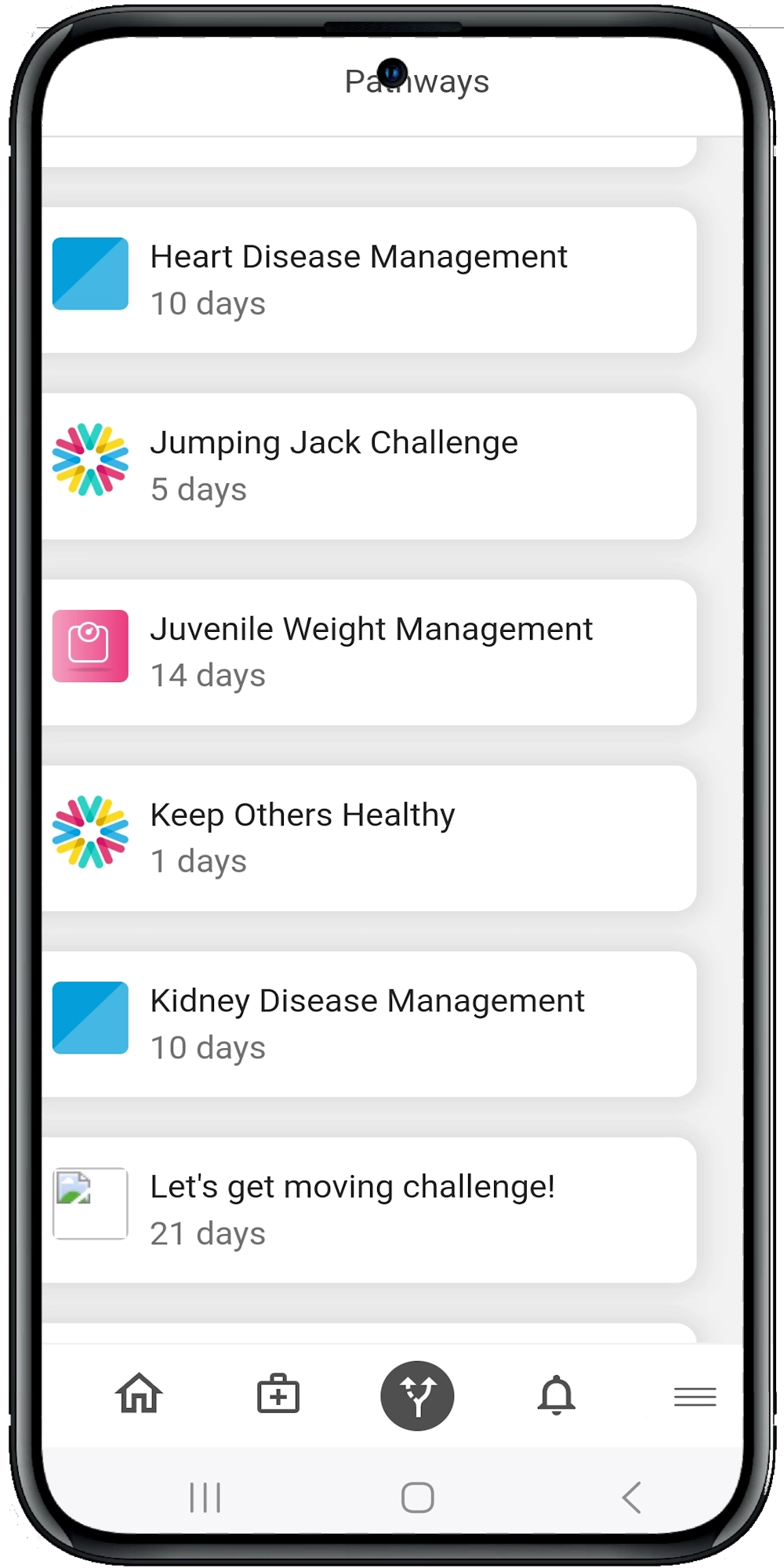
- Digital care pathways that patients can follow at home
- Remote patient monitoring (RPM) integration for vitals, adherence and behavior
- Analytics tools that track both clinical and engagement metrics
The Calcium digital health platform checks all of these boxes. It centralizes engagement, care plans and outcomes across populations and conditions no juggling multiple systems.
And according to the Swedish implementation study, success with VBC was directly linked to clear, usable data systems. Technology isn’t a back-end feature it’s the foundation that holds your VBC model together.
Strategy 4: Activate Patients with Smart Engagement
Patient engagement isn’t a “nice to have” in value-based care it’s essential. You can have the best clinical plan in the world, but if the patient doesn’t follow it, outcomes won’t improve and your VBC metrics won’t budge.
So, how do you truly engage patients? It starts with making their role in the process clear, personalized and supported.
Here’s what that looks like in practice:
- Sending mobile reminders for meds, appointments and health tasks
- Using care pathways with interactive education and checklists
- Offering tools for mood tracking, symptom logging and journaling
- Providing secure two-way communication with care teams
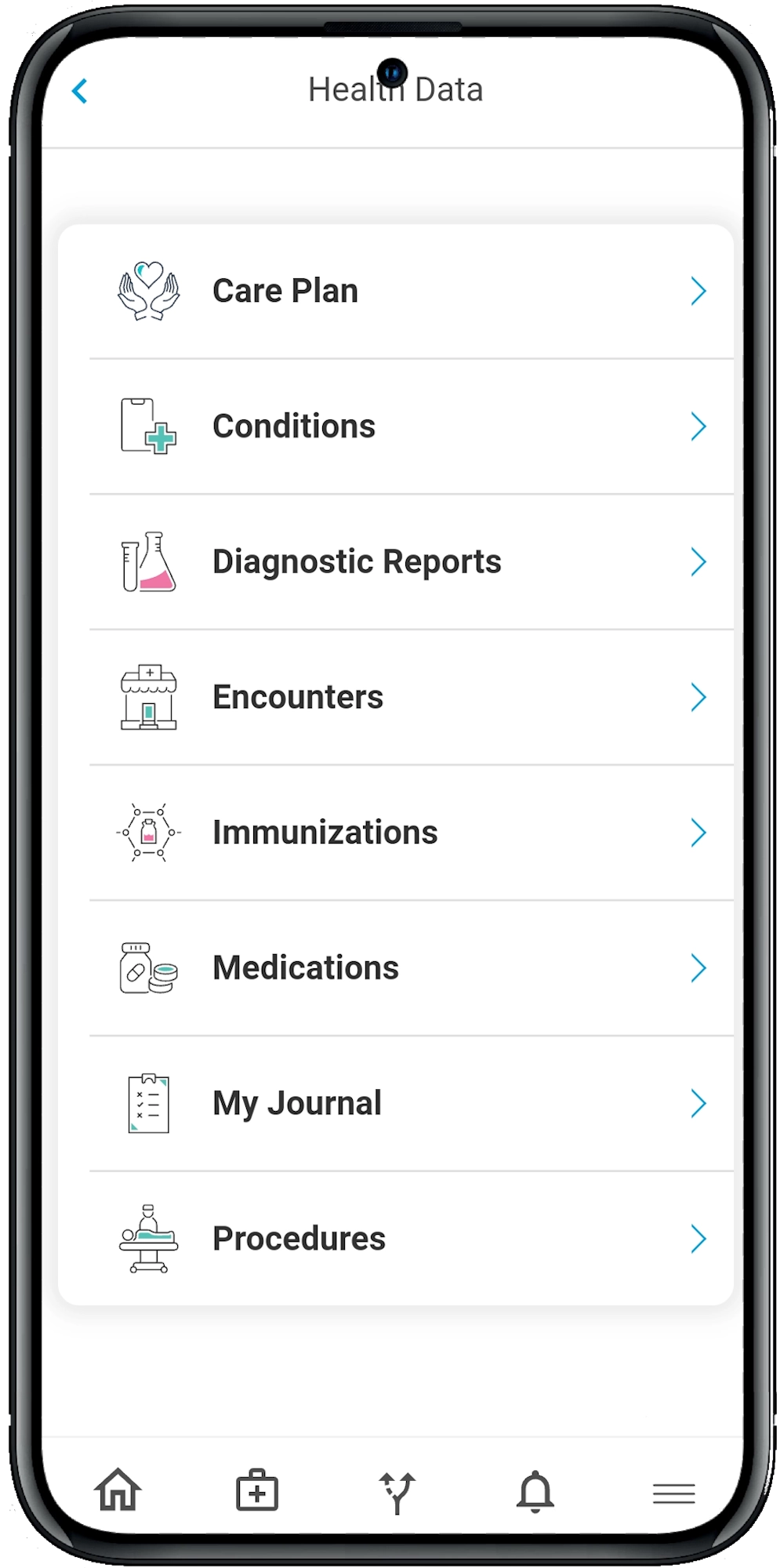
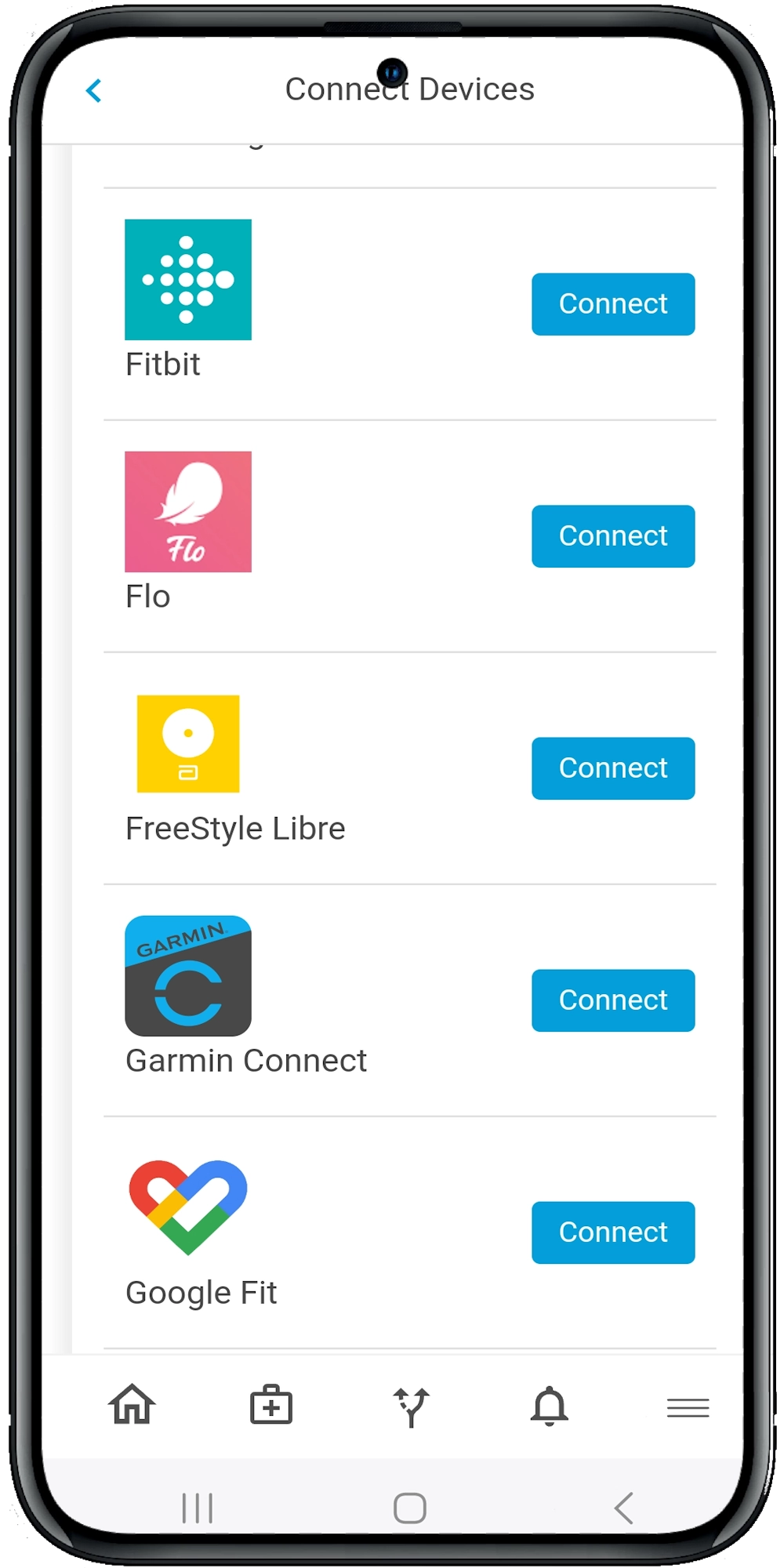
Apps like Calcium’s Super App are designed to deliver all of this through a single, intuitive platform. Patients stay connected to their care even when they’re not in the office.
The de-implementation study also reinforces this idea. When patients are well-informed, they’re more likely to support decisions that reduce unnecessary care because they understand the value of doing less, not just more.
Strategy 5: Get Everyone on the Same Page
Value-based care is a team sport. It won’t work if your providers, nurses, care coordinators and front desk staff aren’t aligned. Everyone needs to understand how their role supports the larger VBC goals.
That means clear communication, role-based training and user-friendly tools. It also means creating workflows that support collaboration instead of silos.
Consider these ideas:
- Weekly team huddles focused on VBC goals and gaps
- Role-specific dashboards with prioritized tasks
- Recognizing team wins (like improved patient engagement or reduced readmissions)
- Building feedback loops to refine workflows
The Veterans Health Administration has long modeled this approach. Their transformation toward accountable, value-driven care succeeded in large part because their entire care ecosystem—from leadership to frontline—shared ownership of outcomes.
Strategy 6: Monitor, Learn and Adjust as You Go
The most successful VBC practices aren’t perfect. But they are proactive. They monitor outcomes, learn from the data and make changes on the fly.
Here’s what you should be measuring:
- Clinical outcomes (like blood pressure control, A1C, medication adherence)
- Utilization rates (such as ED visits, inpatient stays)
- Behavioral health metrics (screenings, follow-ups, engagement in mental health pathways)
- Patient-reported outcomes and satisfaction
Most importantly, use your data to identify gaps and then take action. If patients are dropping out of care pathways, dig into the “why.” Is the content too complex? Are engagement tools underused?
A platform like Calcium makes this kind of real-time learning possible. It pulls insights from across patient interactions and care activities, turning raw data into smart decisions.
This aligns with the renal care study’s recommendation for continuous learning cycles. In VBC, there’s no “set it and forget it.” Adaptability is your most valuable trait.
Bonus Tip: Don’t Let Perfection Get in the Way of Progress
Waiting until everything is “just right” to launch your value-based care model is a surefire way to stall. You don’t need to overhaul your entire system to get started. You just need the willingness to start.
Begin with:
- One population
- One metric
- One care pathway
- One platform that supports all of it
From there, you can iterate, expand and improve. Calcium is designed for exactly this kind of scalable rollout. Whether you’re managing five patients or five thousand, the structure remains the same simple, effective and built for value-based care.
The Wrap
Launching value-based care doesn’t require a massive overhaul or endless resources it just requires the right approach. By focusing on clear goals, starting small, using smart digital tools and putting patients at the center, your practice can make real progress toward better outcomes and greater sustainability. And you don’t have to do it alone.
The Calcium digital health platform was built to help practices like yours succeed in the value-based care landscape offering the tools, insights and support you need to coordinate care, engage patients and track performance with confidence. Whether you’re managing chronic conditions, integrating behavioral health or simply trying to improve quality scores, Calcium gives you the power to build a smarter, more connected care model from the ground up.
Reference
- Valentijn, P. P., Biermann, C., & Bruijnzeels, M. A. (2016). Value-based integrated (renal) care: setting a development agenda for research and implementation strategies. BMC Health Services Research, 16(1). https://doi.org/10.1186/s12913-016-1586-0
- Ingvarsson, S., Hasson, H., von Thiele Schwarz, U., Nilsen, P., Powell, B. J., Lindberg, C., & Augustsson, H. (2022). Strategies for de-implementation of low-value care—a scoping review. Implementation Science, 17(1). https://doi.org/10.1186/s13012-022-01247-y
- Cook, C. E., Denninger, T., Lewis, J., Diener, I., & Thigpen, C. (2021). Providing value-based care as a physiotherapist. Archives of Physiotherapy, 11(1). https://doi.org/10.1186/s40945-021-00107-0