Türkiye’de bahis severler için en çok tercih edilen bettilt giriş adreslerden biri olmaya devam ediyor.
Curacao lisanslı platformlar arasında güvenilirlik açısından üst sıralarda bahsegel giriş yer alan, uluslararası denetimlerden başarıyla geçmiştir.
Kazançlı bahis deneyimi arayan herkes için bettilt doğru seçimdir.
Rulet masalarında en çok tercih edilen bahis türleri arasında kırmızı/siyah ve tek/çift seçenekleri yer alır; pinco giriş bu türleri destekler.
Basketbol tutkunları için en iyi kupon fırsatları bettilt sayfasında yer alıyor.
Bridging the Gap Between Clinical Records and Real-Life Health Data for Smarter, More Personalized Care
Imagine trying to treat a patient with only half the picture. You can see their bloodwork, but not the sleepless nights or skipped meals. You have their medication list, but no clue if they’re actually taking it.
This is the frustrating reality for many clinicians today—where health data lives in silos, scattered across disconnected systems. Meanwhile, patients are tracking every heartbeat, step and symptom on their own devices, yet that data rarely reaches their care team.
In an era pushing toward personalized, preventive and value-based care, this disconnect is no longer acceptable. To truly elevate health outcomes, we need more than just more data—we need smarter, connected data. That’s where 360° clinical insight comes in. By merging clinical records with real-world data from patients’ daily lives, we can transform how care is delivered, monitored and optimized. Let’s explore how platforms like Calcium are making this possible.
The State of Medical and Patient Data Today
Healthcare has made huge strides in digitizing patient records over the last two decades. Electronic Patient Records (EPRs) now play a central role in improving care delivery, clinical accuracy and efficiency. Gone are the days when stacks of paper charts dictated the speed of care. Today, EPRs help doctors make better decisions by offering real-time access to diagnoses, medications, labs and more.
But while EPRs have improved how providers manage in-clinic care, they haven’t solved the whole puzzle. According to studies, EPRs do deliver remarkable data accuracy—like 99.7% accuracy in prescriptions—but they still face challenges in real-world use. Systems often don’t talk to each other. What works in one clinic may not work in another. And because every health system is different, top-down, one-size-fits-all approaches usually fail to stick.
At the same time, patients are generating more health data than ever before—from fitness trackers, smartwatches, glucose monitors, and health apps. This patient-generated health data (PGHD) can tell powerful stories about what’s happening between visits. Unfortunately, much of this data lives in its own silo, untouched by doctors and invisible to care teams.
So, we’re stuck with two powerful data ecosystems—EPRs and PGHD—that barely talk to each other.
Why 360° Clinical Insight Matters
Think of a jigsaw puzzle. If you only have the center pieces, you’ll never see the full picture. That’s exactly what happens in healthcare when only clinical data is available. Providers see blood pressure readings from last week, but not the sleep data from last night. They see weight gain, but not the daily food logs or stress levels that might explain it.
This is where 360° clinical insight comes in. It’s about integrating data from both the clinic and the patient’s everyday life to paint a complete, real-time picture of someone’s health. That’s essential in today’s value-based care landscape, where success is measured not by how many patients you see, but by how healthy they become.
Let’s take behavioral health as an example. A therapist might document symptoms and treatment plans during office visits, but without knowing how a patient’s mood or sleep patterns change at home, they’re missing key context. When providers can see daily journal entries, sleep quality, or even heart rate trends from wearable devices, their ability to intervene early—and effectively—skyrockets.
And this goes beyond behavioral health. In chronic conditions like diabetes or hypertension, combining EPR data with home glucose readings, exercise levels and diet logs can completely transform care.
The Roadblocks to Unified Data
So, if this kind of integration is so powerful, why hasn’t it become the norm?
Here are the biggest hurdles standing in the way of unified clinical and patient-generated data:
1. Interoperability Gaps
Most EPR systems weren’t built to play nice with external data sources. Add in hundreds of device manufacturers and health apps, and you’ve got a tangled web of incompatible formats and protocols.
2. Unvalidated Data
Not all data is created equal. A blood pressure reading from a regulated home monitor is one thing; a manually entered step count is another. Without standardized validation tools, providers hesitate to rely on this data in clinical decisions.
3. Privacy and Consent
Health data is deeply personal. Patients want to control who sees what, but that level of granularity isn’t always easy to implement. Systems must be HIPAA-compliant and designed around user-first data sharing.
4. Provider Overload
Even when the data is available, it can feel like drinking from a firehose. Clinicians already battle information overload. Without smart filtering, prioritization and alerts, more data often just adds to the chaos.
These are real issues. And they mirror the challenges highlighted in recent EPR research: systems that don’t fit the flow of clinical work can backfire, leading to fatigue and disengagement instead of better outcomes.
How Calcium Solves the Data Puzzle
Enter Calcium, a digital health platform that brings all the pieces together—securely, intelligently and intuitively.
Unlike many systems that focus solely on EHR integration or consumer tracking, Calcium builds a bridge between medical data and patient-generated insights, delivering that elusive 360° view.
Here’s how it works:
A. Super App for Patients
The Calcium Super App empowers patients to:
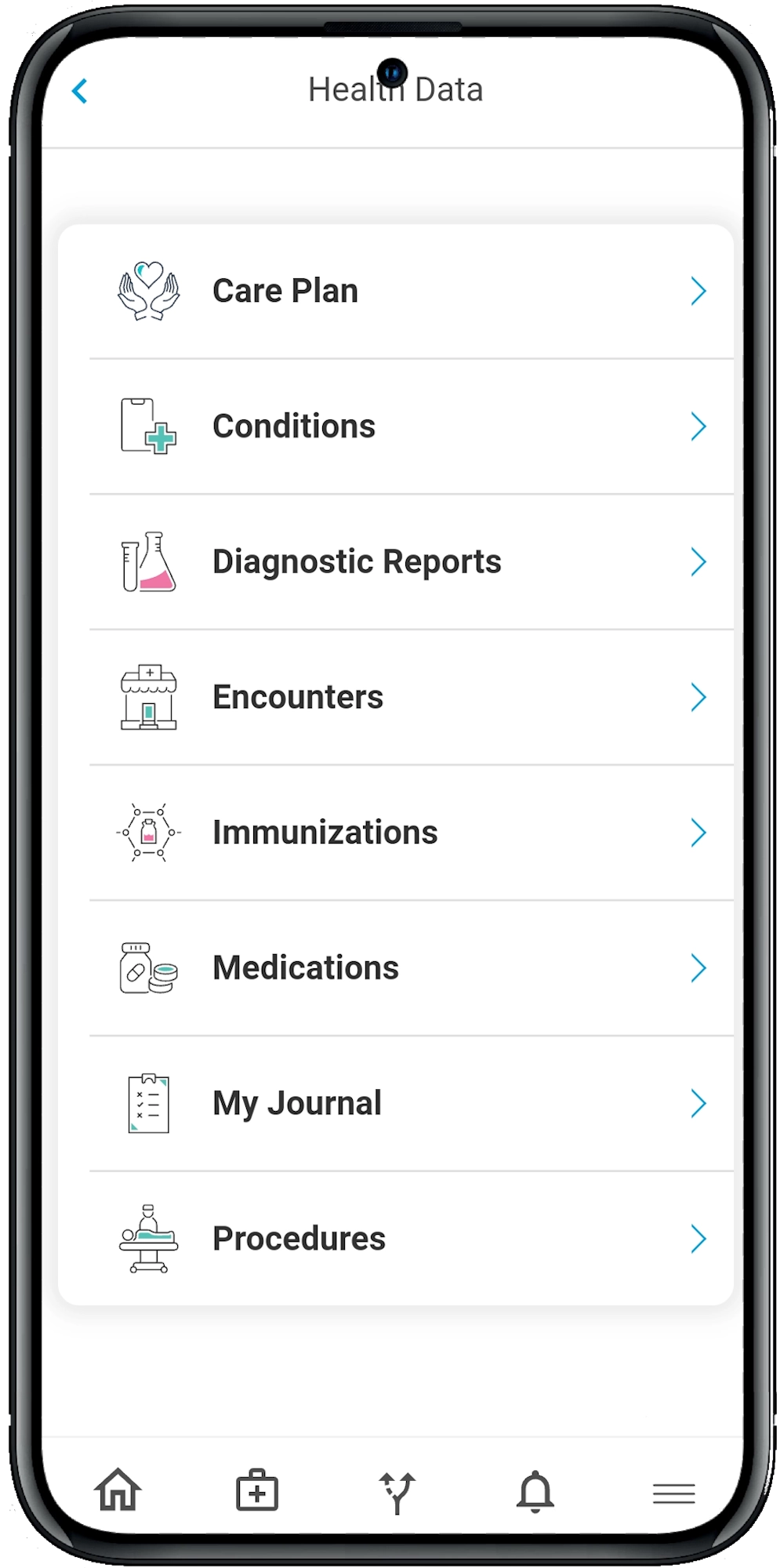
- Track vitals like blood pressure, glucose and heart rate
- Record medications and receive reminders
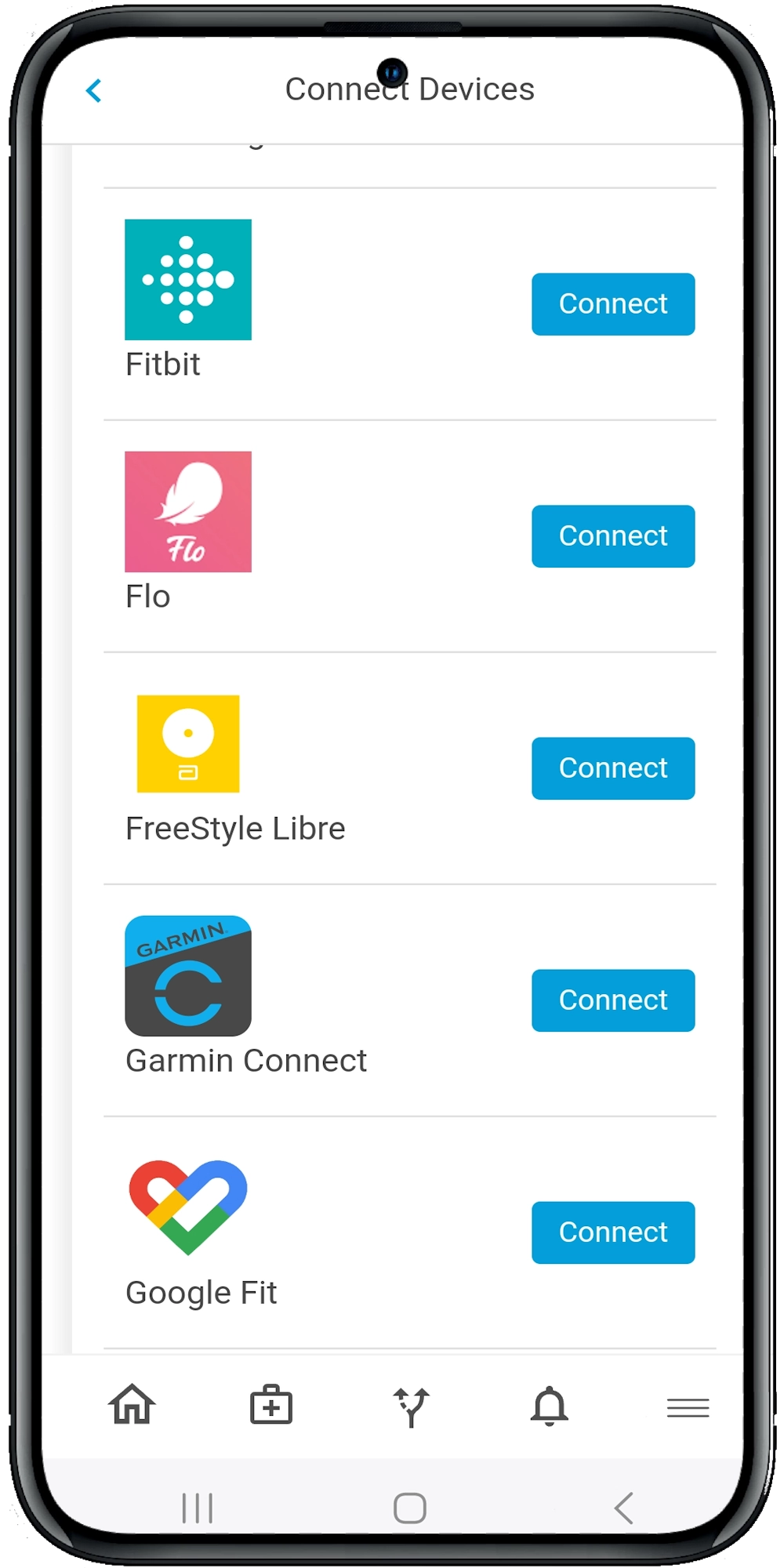
- Sync data from Apple Health, Google Fit, Dexcom, Fitbit and over 100 other devices and apps
- Log health notes, journal entries and symptoms
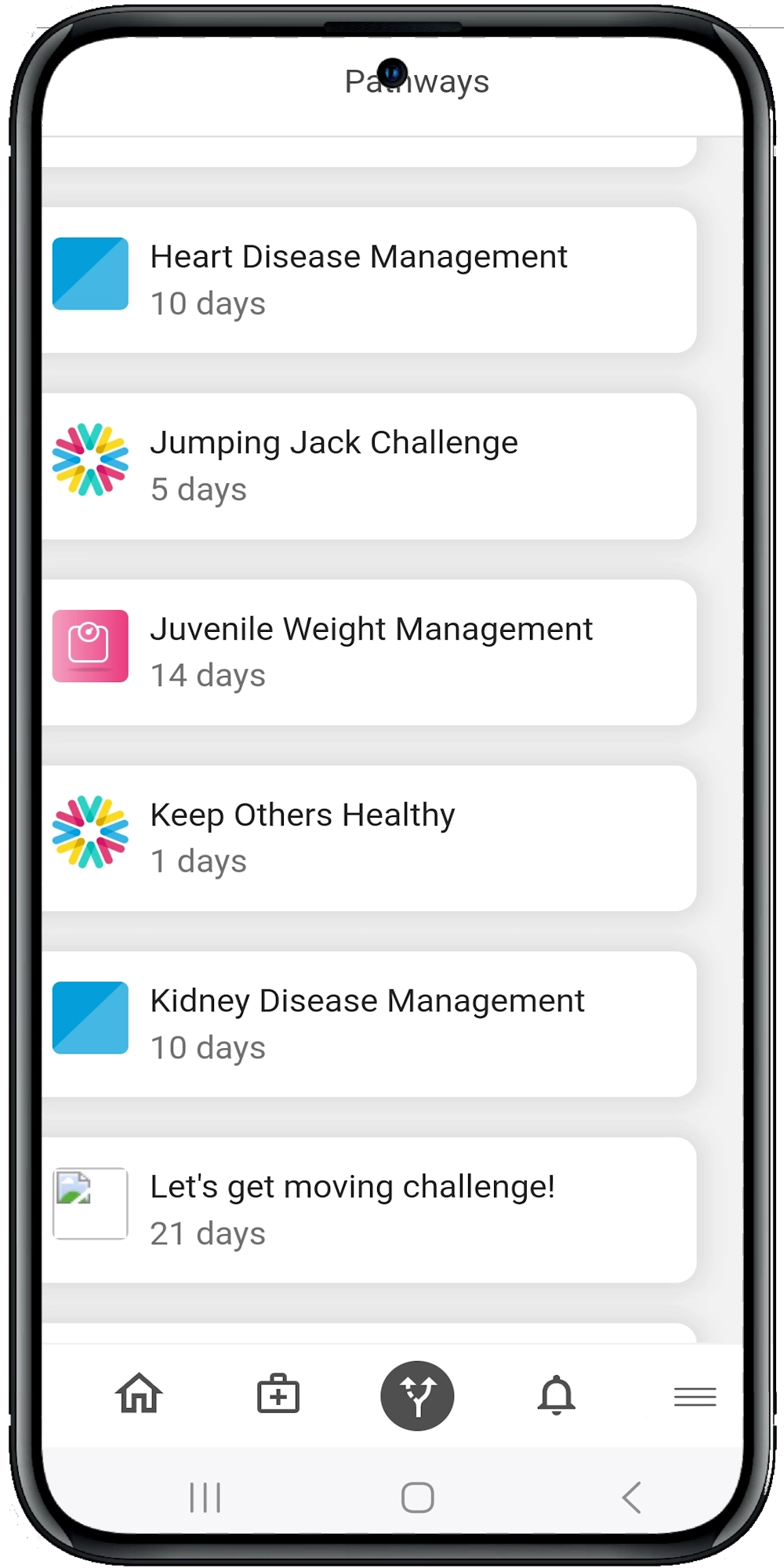
- Enroll in personalized AI-guided “Pathways” for chronic conditions, recovery, weight loss and more
It’s a health assistant in your pocket, guiding users every step of the way while collecting data that actually matters.
B. Core Dashboard for Providers
On the provider side, Calcium Core is a powerhouse. It organizes and analyzes all the data—EHRs, device metrics, pathway compliance and patient engagement—in one intuitive dashboard. Providers get:
- Real-time alerts when vitals fall out of range
- Actionable analytics and trends
- Easy visibility into care plan progress
- Secure messaging and care coordination
It’s the kind of insight that helps clinicians prioritize their day, spot problems early and tailor care to the individual.
C. AI That Personalizes and Scales
What sets Calcium apart is its use of AI to power smart digital Pathways—step-by-step care plans that adapt to user behavior and provider goals. These pathways act like virtual health coaches, offering education, task reminders, motivational nudges and data capture prompts. For chronic care or post-op recovery, they’re game-changers.
And for providers? These AI-generated pathways can be assigned with a click, monitored in real time and adjusted based on patient data. It’s care management that finally scales.
D. Secure, Permissioned Sharing
Patients remain in control of their data at all times. Whether they want to share updates with their doctor, a caregiver or a family member, Calcium supports granular sharing—so users only share what they choose, with who they choose.
That means better collaboration without sacrificing trust or privacy.
Real-World Impact: From Theory to Practice
So what does this all look like in the real world?
Imagine a patient recovering from a hip replacement. Through Calcium, they’re enrolled in a post-op recovery pathway. They receive daily prompts to log pain levels, perform physical therapy exercises and track vitals. If their temperature spikes or they skip multiple exercises, the app flags it. The care team gets an alert and intervenes—before complications lead to a hospital readmission.
Or consider a patient with poorly controlled hypertension. With Calcium, they sync daily BP readings from home, track sodium intake with a nutrition app and receive weekly feedback on progress. Their provider monitors trends, tweaks meds and offers coaching—all without an extra office visit.
That’s the power of merging medical and patient data. It’s not just about having more information. It’s about having the right information, at the right time, in the right hands.
The Wrap
The future of healthcare lies in connection—not just between doctor and patient, but between data sources, devices, care teams and families. When medical records, wearable data, health apps and patient feedback finally speak the same language, the result is smarter care, faster interventions and better outcomes. The challenge isn’t the lack of information; it’s the fragmentation. With the right tools, we can bridge the gap between clinical care and everyday life. The Calcium digital health platform does exactly that—empowering both patients and providers with seamless, secure and intelligent health data integration.
Reference
- Kalra D. (2006). Electronic health record standards. Yearbook of medical informatics, 136–144. https://pubmed.ncbi.nlm.nih.gov/17051307/
- Ambinder E. P. (2005). A history of the shift toward full computerization of medicine. Journal of oncology practice, 1(2), 54–56. https://doi.org/10.1200/JOP.2005.1.2.54
- Hoerbst, A., & Ammenwerth, E. (2010). Electronic health records. A systematic review on quality requirements. Methods of information in medicine, 49(4), 320–336. https://doi.org/10.3414/ME10-01-0038
- Safran, C., & Goldberg, H. (2000). Electronic patient records and the impact of the Internet. International Journal of Medical Informatics, 60(1), 77–83. https://doi.org/10.1016/S1386-5056(00)00106-4
- Hassey, A., Gerrett, D., & Wilson, A. (2001). A survey of validity and utility of electronic patient records in a general practice. BMJ, 322(7299), 1401–1405. https://doi.org/10.1136/bmj.322.7299.1401
- Greenhalgh, T., Potts, H. W. W., Wong, G., Bark, P., & Swinglehurst, D. (2009). Tensions and paradoxes in electronic patient record research: A systematic literature review using the meta-narrative method. The Milbank Quarterly, 87(4), 729–788. https://doi.org/10.1111/j.1468-0009.2009.00578.x