Türkiye’de bahis severler için en çok tercih edilen bettilt giriş adreslerden biri olmaya devam ediyor.
Curacao lisanslı platformlar arasında güvenilirlik açısından üst sıralarda bahsegel giriş yer alan, uluslararası denetimlerden başarıyla geçmiştir.
Kazançlı bahis deneyimi arayan herkes için bettilt doğru seçimdir.
Rulet masalarında en çok tercih edilen bahis türleri arasında kırmızı/siyah ve tek/çift seçenekleri yer alır; pinco giriş bu türleri destekler.
Basketbol tutkunları için en iyi kupon fırsatları bettilt sayfasında yer alıyor.
The Digital Backbone ACOs Need to Thrive in a Value-Based World
If you lead or support an accountable care organization (ACO), you already know the stakes are high. You’re tasked with improving outcomes, cutting costs and coordinating care across fragmented systems — all while keeping patients engaged and providers aligned. That’s not just challenging; it’s a full-blown juggling act.
But here’s the catch: most ACOs are relying on technology that simply wasn’t built for this level of complexity. Generic electronic health record (EHR) systems, patchwork data solutions and outdated dashboards weren’t designed to scale population health across thousands of patients and providers.
As the healthcare landscape shifts rapidly toward value-based care, the difference between thriving and surviving may come down to one critical choice: your accountable care organization software. What should it really be doing for you? And how can it help you deliver smarter, more scalable care? Let’s take a closer look at the key features that separate a game-changing platform from a digital dead weight.
What to Look for in Scalable Accountable Care Organization Software
ACOs are under pressure to coordinate care, cut costs, and boost outcomes — all at scale. But without the right software, it’s a disjointed effort.
So, what should you look for in accountable care organization software that can actually deliver scalable population health? Let’s break it down.
1. Seamless Integration with EHRs and Data Sources
This one’s non-negotiable. ACOs rarely operate under one roof — and almost never with a single EHR system. In fact, only 9% of ACOs use a single EHR, while a staggering 77% juggle six or more. Nearly 40% manage 16+ systems, according to a recent national survey of Medicare Shared Savings Program ACOs (Perloff & Sobul, 2022).
With that much digital fragmentation, your software must:
- Integrate data from multiple EHRs, labs and health systems
- Use standardized data formats (like FHIR and HL7)
- Extract structured and unstructured data from clinical notes
- Normalize and aggregate this data into a unified patient view
The problem isn’t just data overload — it’s data chaos. Without strong integration, your care teams end up flying blind (Ondogan et al., 2023).
2. Real-Time Dashboards That Surface What Matters
Having access to data is one thing. Understanding how and when to act on patient data is an entirely different challenge.
Your accountable care organization software should offer intuitive dashboards that prioritize action over information overload. These dashboards should:
- Highlight gaps in care and quality measures
- Show real-time updates on vitals, hospitalizations and ER visits
- Track patient engagement in care plans and digital pathways
- Surface risk flags using predictive analytics
Think of this dashboard as your command center, giving you a bird’s-eye view of every patient and every priority in your system. If you can’t immediately identify who’s slipping through the cracks, the software isn’t doing its job (U.S. Department of Health and Human Services, 2019).
3. Automated Alerts and Smart Patient Stratification
Population health isn’t just about knowing who’s sick. It’s about knowing who’s about to be — and doing something about it before they end up in the ER.
To address this, leading ACO platforms incorporate smart risk assessment tools and real-time automated notifications to support timely, informed decisions. These features should:
- Identify high-risk patients using real-time clinical data
- Trigger alerts for missed medications, abnormal vitals or low app engagement
- Segment your population by condition, risk level or social determinants
With tools like these, your care team can stop reacting and start proactively managing patient health (Macfarlane, 2014).
4. Personalized Digital Care Pathways at Scale
Here’s where most ACO platforms fall short. They offer static, one-size-fits-all care plans that don’t adapt to the patient’s needs. But as any provider will tell you, no two patients follow the same path, so why should their care plans?
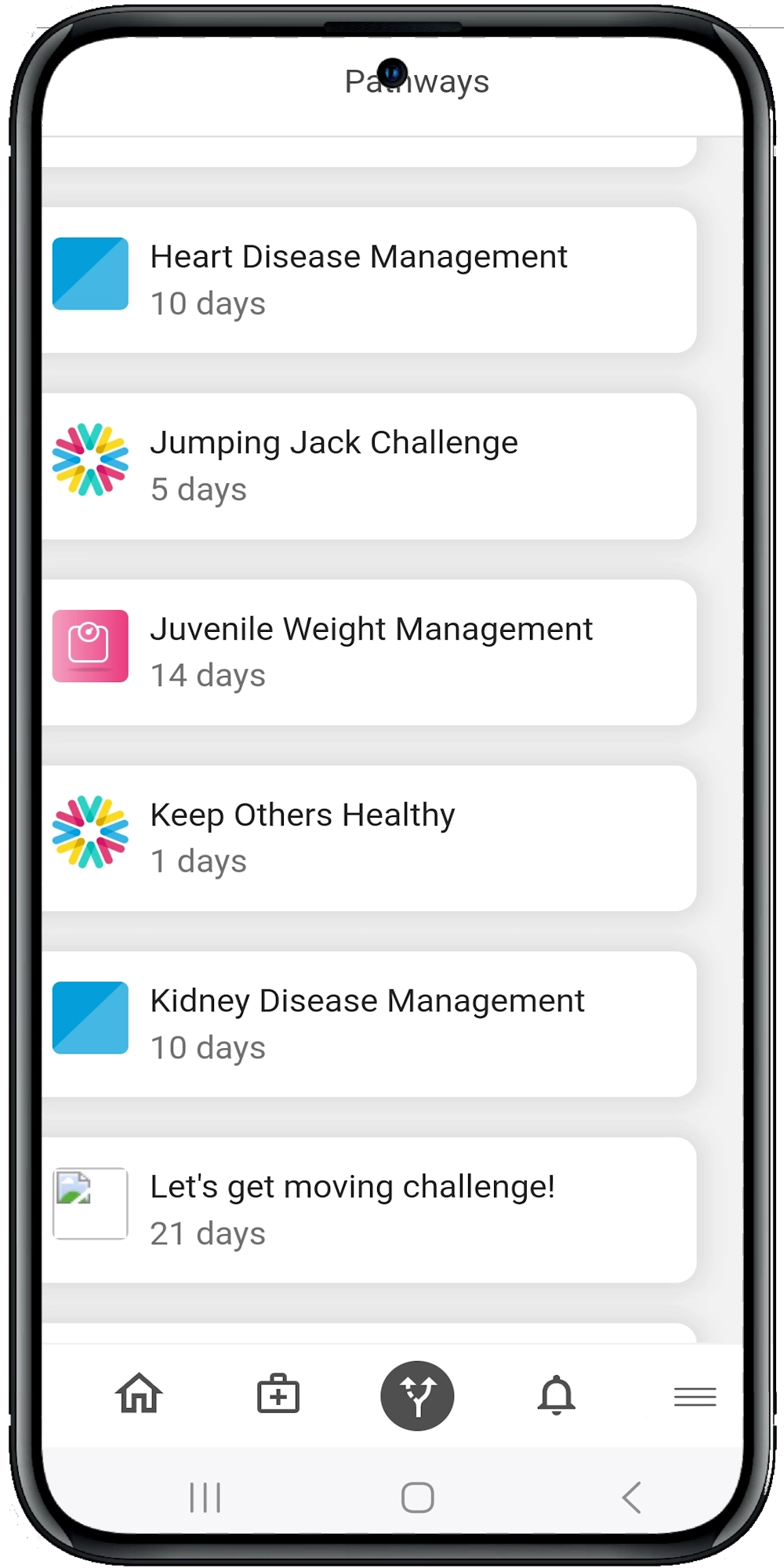
Modern accountable care organization software must support personalized, automated care pathways that can scale across thousands of patients. These pathways should:
- Adjust based on a patient’s conditions, behaviors and preferences
- Provide daily guidance for meds, exercises, diet or symptom tracking
- Prompt patients to report how they’re feeling or progressing
- Offer health education content and motivational check-ins
Whether it’s diabetes management or post-surgical rehab, these pathways help keep patients on track every day, without needing a phone call or appointment (Macfarlane, 2014).
An Easy-to-Use App That Patients Will Stick With
Let’s be real; even the most advanced back-end software won’t improve outcomes if your patients don’t engage with it.
That’s why your ACO platform must include a mobile-first, patient-facing app. Ideally, this app should feel more like a health companion than a clinical tool. It should:
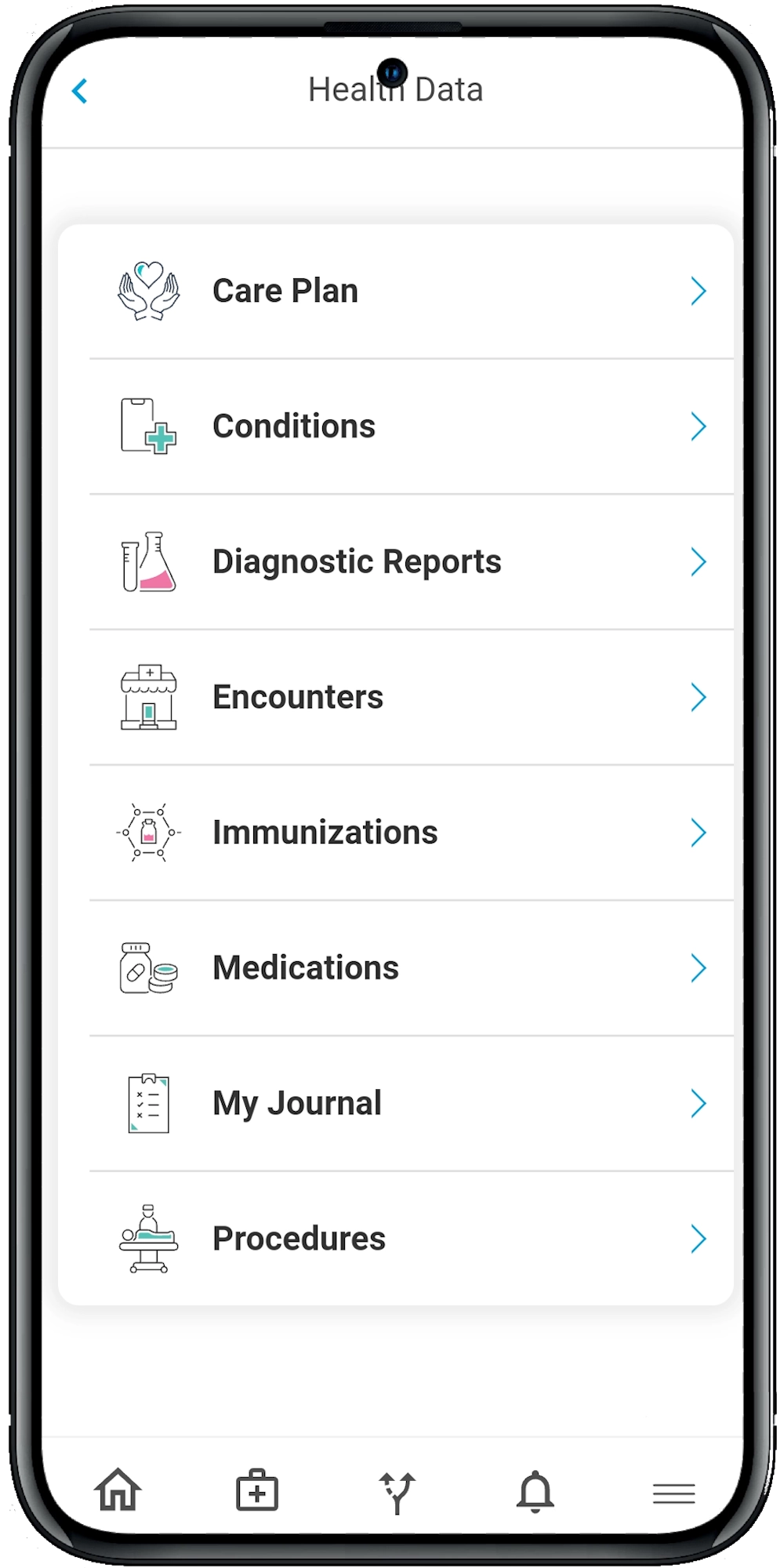
- Let users track medications, vitals, and their symptoms
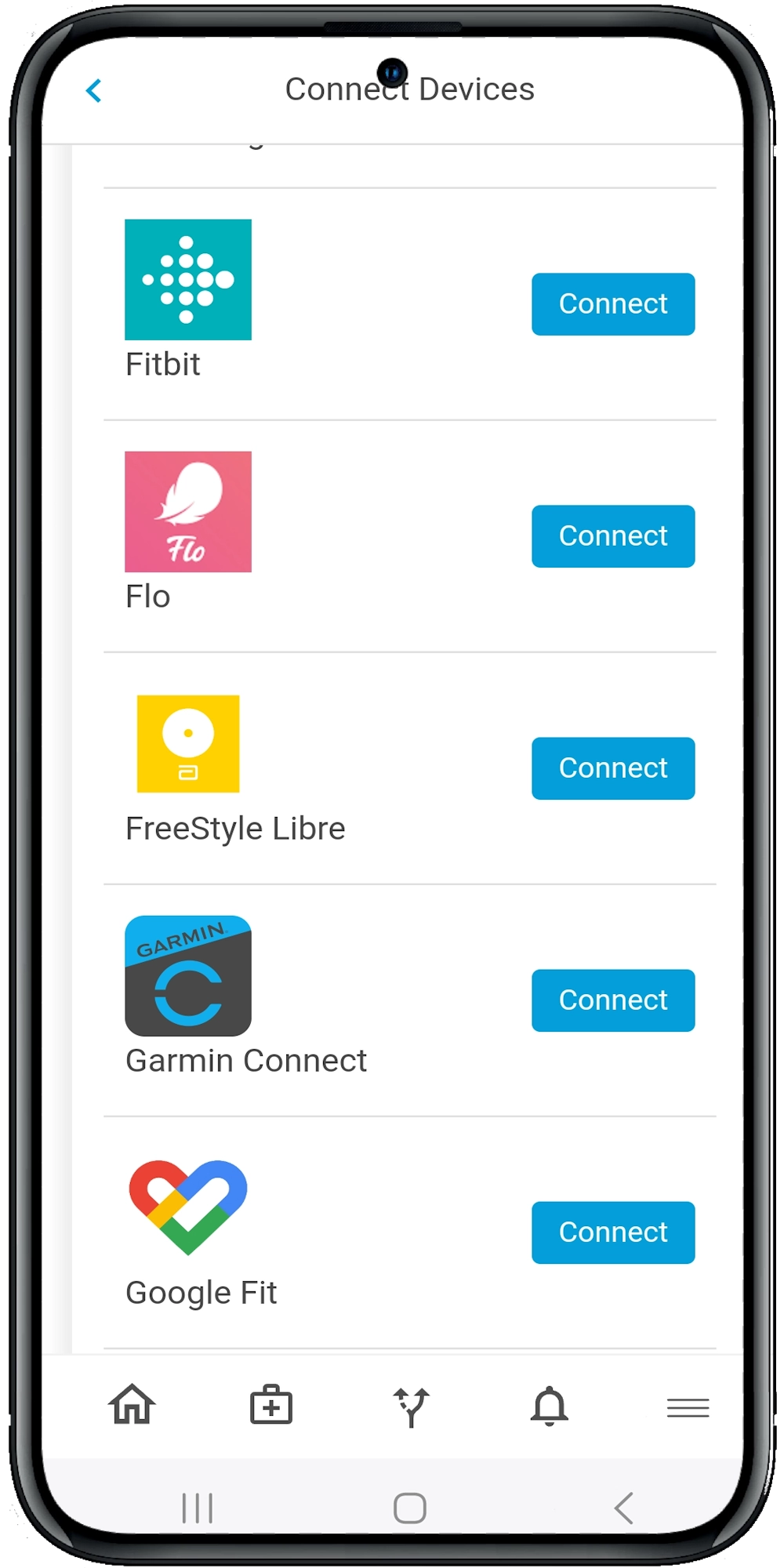
- Integrate with devices like Apple Watch, Dexcom or Withings
- Ensure patients have around-the-clock access to their health records and personalized care plans
- Allow for journal entries and secure messaging with providers
Research shows that patient engagement tools are linked to better outcomes and reduced costs (Ondogan et al., 2023). The key is usability. If your grandmother can’t use the app, your patients won’t either.
5. Secure and Collaborative Communication Tools
Seamless collaboration among healthcare providers forms the foundation of an effective Accountable Care Organization. Yet many platforms still treat communication like an afterthought.
Your software should offer built-in, HIPAA-compliant messaging tools for secure communication between:
- Patients and providers
- PCPs and specialists
- Care coordinators and family members
This functionality not only improves transitions of care but also builds trust, reduces errors and keeps everyone on the same page (U.S. Department of Health and Human Services, 2019).
Think back to the era of faxed medical records and unreturned voicemail messages—those outdated methods are thankfully behind us.
6. Built-In Support for Behavioral Health and SDOH
You can’t separate mental and physical health, and you certainly can’t manage population health without addressing the social drivers that impact it.
The best accountable care organization software integrates behavioral health screening, referrals and digital support tools directly into the care workflow. It also tracks:
- Social needs like housing, food security, and transportation
- Mental health trends and depression screening scores
- Engagement with digital therapy or mindfulness pathways
Why is this critical? Because untreated depression or unstable housing can derail even the most carefully crafted care plan. ACOs that overlook this are missing half the picture and half the solution (Ondogan et al., 2023).
7. Transparent Reporting and Value-Based Performance Tools
Finally, ACO software must support the business side of care: value-based performance tracking.
Your software should provide:
- Dashboards for electronic clinical quality measures (eCQMs), MIPS and custom quality measures
- Reports on care gaps closed, ER visits avoided, or readmissions reduced
- Financial insights that show how clinical performance ties to shared savings
In the latest CMS regulations, ACOs are being pushed to submit data directly from EHRs using eCQMs. But without standardization across systems, this is like trying to pour ten different puzzle pieces into one mold — and expecting a clean fit (Perloff & Sobul, 2022).
Your software should make that transition easier, not harder.
All of these features are central to any successful ACO strategy — but how do you bring them all together in one seamless system? Instead of stitching together scattered tools, what if there were a single platform built to do it all? Let’s explore how one solution delivers on every front for scalable, connected care.
How the Calcium Digital Health Platform Delivers on Every Front for ACOs
The Calcium digital health platform was purpose-built to solve the exact challenges ACOs face today — from fragmented data to inconsistent patient engagement. Its three-part ecosystem provides the tools ACOs need to scale population health without sacrificing quality or efficiency.
Here’s how Calcium meets the moment:
- Calcium Core gives providers a real-time, 360° dashboard with integrated EHR data, alerts, and actionable analytics.
- The Super App empowers patients with guided pathways, vitals tracking, medication reminders and data syncing from wearables and health devices.
- AI Studio enables providers to build and assign personalized, adaptive care pathways in minutes — at scale.
The Wrap
In a value-based world, the right accountable care organization software isn’t just helpful — it’s mission-critical. The ability to scale population health, personalize care, and unify fragmented systems isn’t optional anymore. It’s essential. Whether you’re managing chronic conditions, closing care gaps or preparing for the next round of CMS reporting requirements, your platform should be working as hard as your care teams do. That’s where Calcium comes in.
Our digital health platform was built to meet the real-world needs of ACOs — from seamless EHR integration and personalized pathways to patient engagement and real-time analytics. If you’re ready to break free from digital limitations and empower your team with tools that truly move the needle, we invite you to explore what’s possible.
Reference
Perloff, J., & Sobul, S. (2022). Use of electronic health record systems in accountable care organizations. The American Journal of Managed Care, 28(1), e20–e25. https://doi.org/10.37765/ajmc.2022.88818
Macfarlane, M. A. (2014). Sustainable competitive advantage for accountable care organizations. The Journal of Ambulatory Care Management, 37(3), 224–233. https://doi.org/10.1097/00115514-201407000-00006
Ondogan, A. G., Sargin, M., & Canoz, K. (2023). Use of electronic medical records in the digital healthcare system and its role in communication and medical information sharing among healthcare professionals. Informatics in Medicine Unlocked, 41, 101373. https://doi.org/10.1016/j.imu.2023.101373
U.S. Department of Health and Human Services, Office of Inspector General. (2019, May 17). Using health IT for care coordination: Insights from six Medicare accountable care organizations (Report No. OEI-01-16-00180). https://oig.hhs.gov/oei/reports/oei-01-16-00180.pdf