Türkiye’de bahis severler için en çok tercih edilen bettilt giriş adreslerden biri olmaya devam ediyor.
Curacao lisanslı platformlar arasında güvenilirlik açısından üst sıralarda bahsegel giriş yer alan, uluslararası denetimlerden başarıyla geçmiştir.
Kazançlı bahis deneyimi arayan herkes için bettilt doğru seçimdir.
Rulet masalarında en çok tercih edilen bahis türleri arasında kırmızı/siyah ve tek/çift seçenekleri yer alır; pinco giriş bu türleri destekler.
Basketbol tutkunları için en iyi kupon fırsatları bettilt sayfasında yer alıyor.
Turning Disconnected Systems into Seamless Patient Journeys
Imagine trying to direct a relay race where none of the runners know who’s holding the baton—or where to pass it next. That’s what care often looks like for patients in today’s complex healthcare system. For Accountable Care Organizations (ACOs), the stakes are even higher. They’re expected to deliver better outcomes, reduce costs, and improve the patient experience—all while navigating a maze of disconnected providers, systems, and data. The secret weapon? Real-time ACO care coordination. In a world where patient needs shift by the hour, relying on outdated workflows and delayed information just doesn’t cut it. ACOs need smarter, faster, more connected tools to keep everyone—from care managers to patients themselves—in sync and on track. As value-based care becomes the new norm, the organizations that win will be those that coordinate in real time, not in hindsight. Let’s explore how the right platform tools can make that future possible.
Improving Care Coordination with Real-Time ACO Platform Tools
For ACOs, coordinating care across a fragmented healthcare system can feel like trying to solve a jigsaw puzzle with half the pieces missing. Patients bounce between specialists, emergency rooms, community services, and primary care, while providers struggle to keep everyone on the same page. This isn’t just frustrating—it’s costly, inefficient, and dangerous for patients with complex needs.
That’s where real-time digital health platforms come in. They give ACOs the missing pieces they need to complete the care puzzle and deliver on the promise of value-based care. Let’s take a closer look at how today’s digital tools are reshaping ACO care coordination.
What’s Still Broken in ACO Care Coordination?
Despite years of progress, ACOs continue to face major hurdles when trying to coordinate care. Research shows that even the most well-intentioned ACOs are often held back by outdated systems and limited visibility into patients’ real-world behaviors.
Here are just a few of the biggest challenges:
- Delayed Information. Many ACOs still rely on retrospective data—like claims reports or hospital discharge summaries—that can take days or weeks to arrive.
- Disjointed Systems. Providers use different EHRs and communication platforms, making it hard to share notes, care plans, or alerts in real time.
- Low Patient Engagement. Without direct digital tools to connect with patients, it’s tough to track their progress or keep them engaged in self-care.
- Gaps in Behavioral and Social Health. Behavioral health providers and community organizations often operate outside the ACO’s tech ecosystem, creating dangerous blind spots.
These coordination gaps are not just inconvenient—they’re linked to avoidable ER visits, missed follow-ups, and higher costs. In fact, a study of Medicaid ACOs found that cross-sector communication, information exchange, and clear role definition were make-or-break elements for success.
Why Real-Time Tools Are a Game Changer
The old approach to care coordination was like trying to fly a plane with yesterday’s weather report. But real-time platforms give ACOs live visibility into what’s happening with their patients—right now. That changes everything.
So what makes these tools so powerful? Let’s break it down.
1. Patient Engagement via Digital Pathways
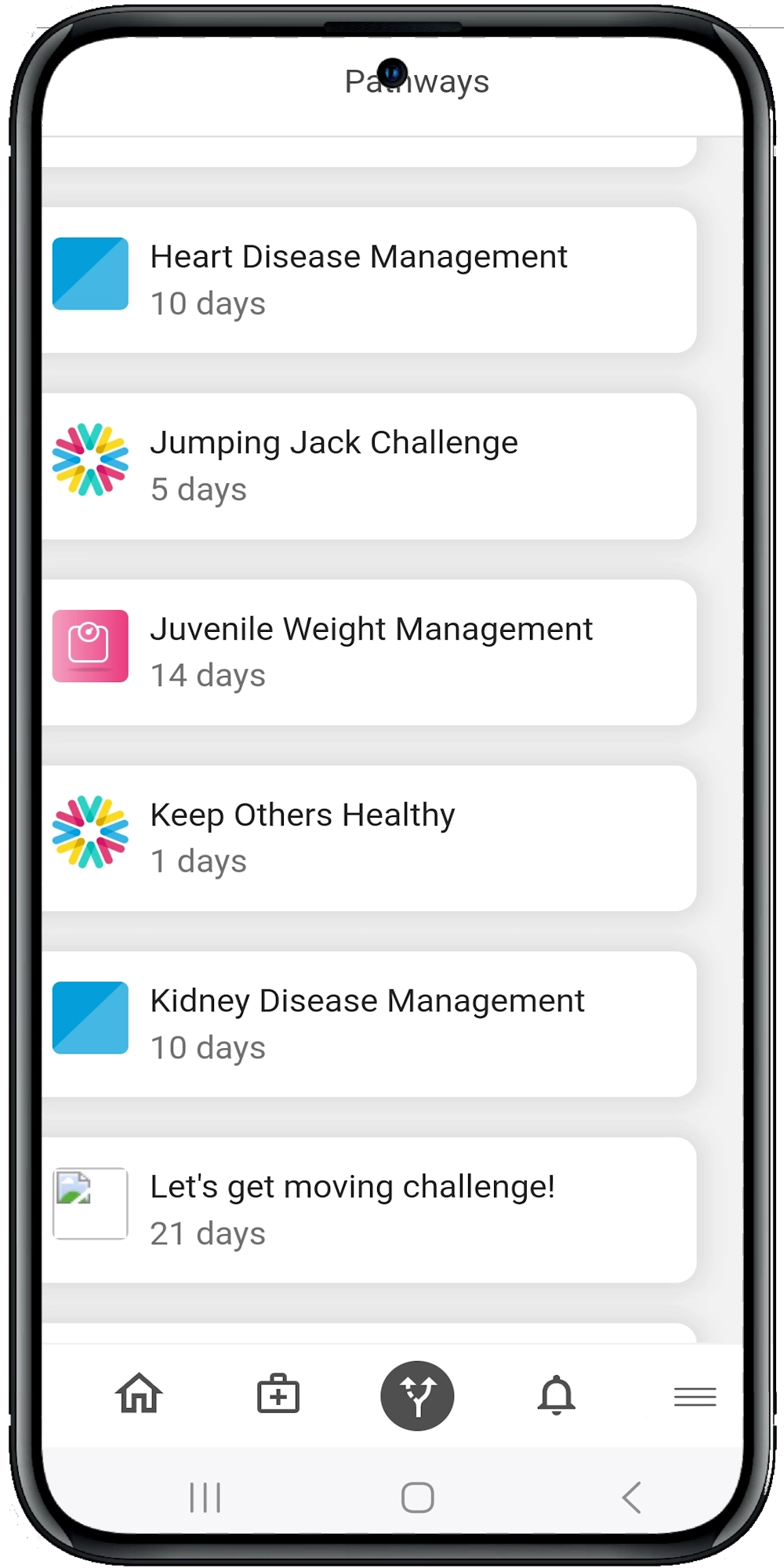
Real-time ACO care coordination starts with the patient. Tools like the Calcium Super App offer personalized “digital pathways” that guide patients step by step through their care journeys.
Think of these pathways like GPS for your health. Whether a patient is managing diabetes, recovering from surgery, or working through a behavioral health plan, the app gives them:
- Daily check-ins and reminders
- Guided exercises or education modules
- Medication tracking and symptom logging
- Motivational nudges to keep going
Providers can assign pathways or patients can enroll themselves. This means no more waiting for the next clinic visit to see if a patient is following through. It’s care that walks with them, not care they have to chase down (Ruiz-Zafra et al., 2015).
2. Live Health Data and Event Alerts
What if care teams could see a patient’s vitals, track their blood sugar, or get an alert when they’re admitted to the ER—all in real time?
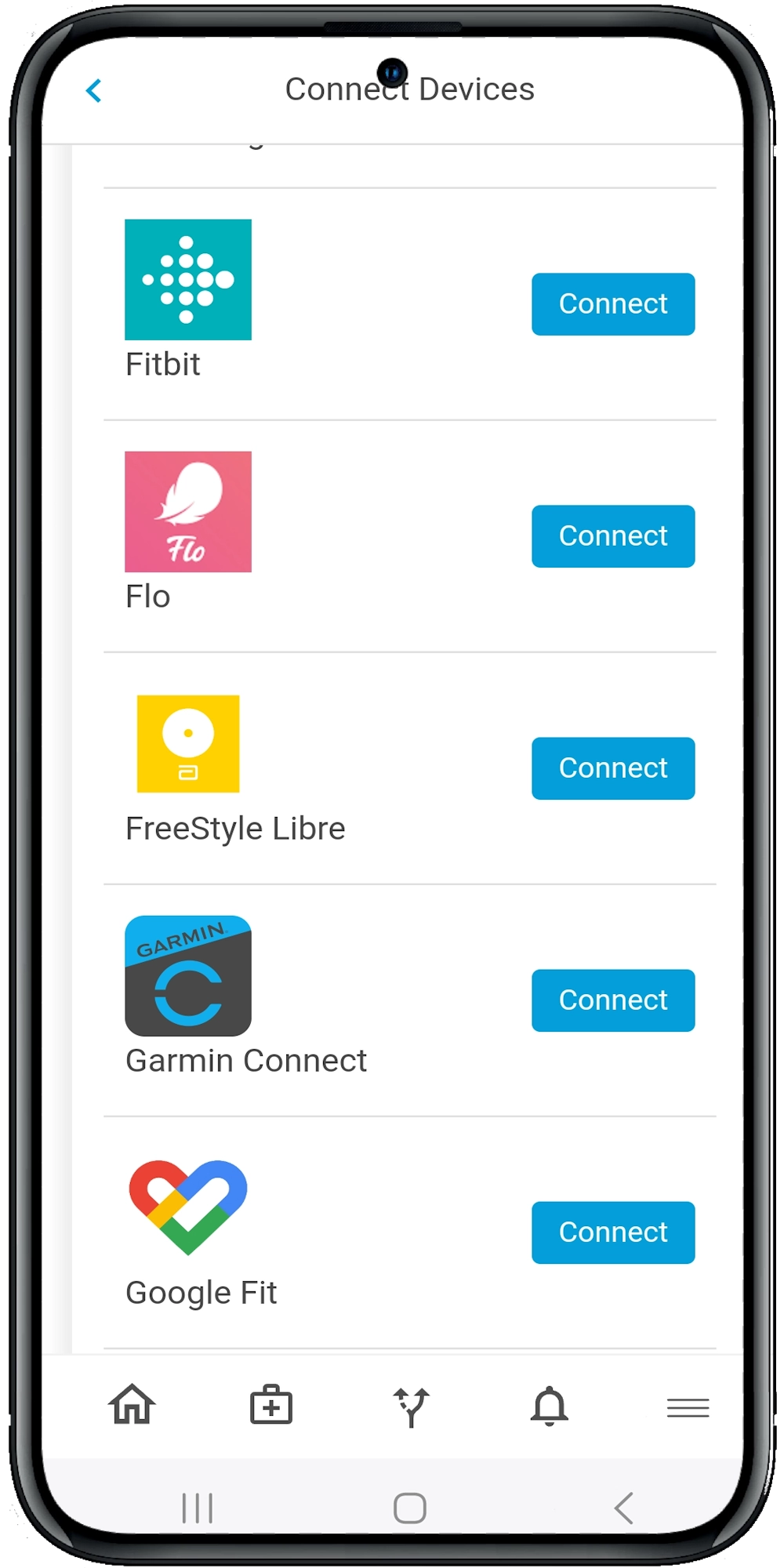
That’s exactly what new ACO platforms deliver. They sync with wearable devices, remote monitoring tools, and hospital systems to:
- Flag concerning trends early (like rising blood pressure)
- Send real-time alerts for admissions, discharges, or gaps in care
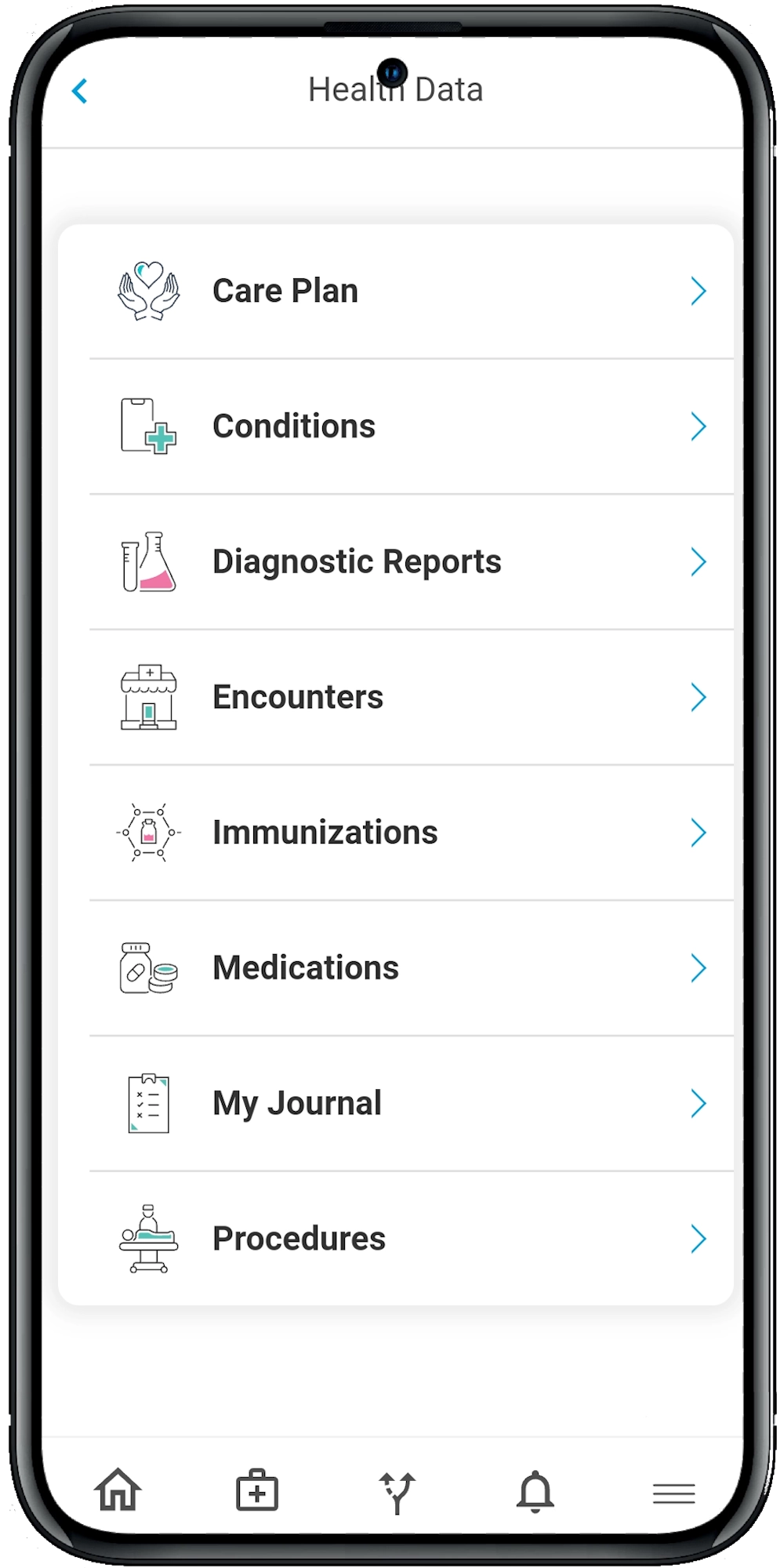
- Provide a single, unified view of each patient’s health
This kind of infrastructure brings real value to ACO care coordination, as studies show that ACOs with advanced data-sharing capabilities reduce readmissions, improve chronic care outcomes, and increase appropriate healthcare utilization (Anderson & Chen, 2019).
3. Secure, Two-Way Communication
Coordination means talking—and real-time platforms make that easy. Instead of relying on phone tags, fax machines, or siloed EHR notes, care teams and patients can communicate through secure chat and shared dashboards.
These platforms allow:
- Case managers to message patients about missed appointments
- PCPs to loop in behavioral health or social workers
- Patients to ask questions or report symptoms from home
This two-way street builds trust and gives everyone on the care team the same map—and the same destination (Lewis et al., 2019).
4. Real-Time Compliance and Symptom Tracking
Knowing if a patient should be doing something isn’t the same as knowing if they are. Calcium’s digital tools track how well patients stick to their plans, with automatic logging of:
- Medication adherence
- Activity and lifestyle goals
- Behavioral or mental health check-ins
- Symptom trends and triggers
This kind of insight helps ACOs prioritize high-risk patients, adjust care plans in real time, and reduce unnecessary escalations. This also reframes compliance from feeling like surveillance to functioning as supportive coaching (Ruiz-Zafra et al., 2015).
5. Bridging the Gap Between Clinical and Community Care
One of the most innovative models comes from Massachusetts, where Medicaid ACOs were required to formally partner with community-based organizations to serve patients with behavioral or long-term care needs. The lessons from that initiative are clear: ACO care coordination works best when roles are defined, communication flows freely, and tools support real-time teamwork (Kachoria et al., 2023).
Platforms like Calcium help fill those needs by:
- Giving both clinical and community partners access to shared care plans
- Creating real-time alerts for care transitions (like ED visits)
- Offering collaborative digital tools that don’t depend on co-location
This kind of cross-sector, real-time teamwork is especially critical for behavioral health, where fragmented communication can easily derail recovery.
What the Data Tells Us: ACOs That Coordinate in Real Time Win
Real-time ACO care coordination isn’t just theory—it’s backed by evidence. A study comparing ACO-affiliated and non-ACO hospitals found that those using shared savings and capitation payment models had significantly higher scores for care coordination strategy use.
Hospitals with better coordination:
- Prospected high-risk patients more effectively
- Used case managers and continuity plans consistently
- Reduced readmissions and emergency visits
But those benefits hinge on the ability to manage care dynamically—not reactively. That means real-time data, real-time communication, and real-time patient involvement (Lewis et al., 2019).
Empowering the Whole Person, Not Just the Chart
At the end of the day, real-time ACO platforms aren’t just about tech—they’re about people. They make it possible to support the whole person, including their physical, behavioral, and social health.
It’s the difference between seeing a patient as a diagnosis code versus seeing them as someone juggling a job, caring for a parent, managing anxiety, and trying to stay healthy. With the right tools, we can support all of that.
The Wrap
Care coordination isn’t just a checkbox—it’s the beating heart of successful ACOs. And in today’s fast-moving, value-driven healthcare landscape, real-time coordination is no longer optional. It’s the difference between fragmented care and fully connected teams, between avoidable hospitalizations and proactive intervention.
With digital platforms like Calcium Health, ACOs can finally bridge the gaps that hold back performance, engage patients with personalized care pathways, and empower providers with live data and collaboration tools that actually work.
Reference
- Anderson, A. C., & Chen, J. (2019). ACO Affiliated Hospitals Increase Implementation of Care Coordination Strategies. Medical Care, 57(4), 300–304. https://doi.org/10.1097/mlr.0000000000001080
- Ruiz-Zafra, A., Noguera, M., Benghazi, K., & Ochoa, S. F. (2015). A Cloud collaborative approach for managing patients wellness. 2015 IEEE 19th International Conference on Computer Supported Cooperative Work in Design (CSCWD), 637–642. https://doi.org/10.1109/CSCWD.2015.7231032
- Lewis, V. A., Schoenherr, K., Fraze, T., & Cunningham, A. (2019). Clinical coordination in accountable care organizations. Health Care Management Review, 44(2), 127–136. https://doi.org/10.1097/hmr.0000000000000141
- Kachoria, A. G., Sefton, L., Miller, F., Leary, A., Goff, S. L., Nicholson, J., Himmelstein, J., & Alcusky, M. (2023). Facilitators and Barriers to Care Coordination Between Medicaid Accountable Care Organizations and Community Partners: Early Lessons From Massachusetts. Medical Care Research and Review, 80(5), 107755872311680. https://doi.org/10.1177/10775587231168010