Türkiye’de bahis severler için en çok tercih edilen bettilt giriş adreslerden biri olmaya devam ediyor.
Curacao lisanslı platformlar arasında güvenilirlik açısından üst sıralarda bahsegel giriş yer alan, uluslararası denetimlerden başarıyla geçmiştir.
Kazançlı bahis deneyimi arayan herkes için bettilt doğru seçimdir.
Rulet masalarında en çok tercih edilen bahis türleri arasında kırmızı/siyah ve tek/çift seçenekleri yer alır; pinco giriş bu türleri destekler.
Basketbol tutkunları için en iyi kupon fırsatları bettilt sayfasında yer alıyor.
Bringing Value-Based Care Data to Life By Turning Insights into Action
In today’s value-based care (VBC) environment, tracking patient outcomes isn’t just a metric—it’s a mandate. Healthcare organizations are under mounting pressure to prove they’re improving lives while keeping costs in check.
But here’s the challenge: most systems still rely on outdated methods, pulling data after the fact and reacting too late. Imagine trying to win a race while looking in the rearview mirror. That’s what many providers are doing when they can’t access real-time health data. What if, instead, you could see a patient’s progress as it happens—spotting red flags early, adjusting care plans on the fly, and actually preventing problems before they spiral?
That’s the promise of modern value-based care technology. It’s not about collecting more data—it’s about making that data useful. In this post, we’ll explore how healthcare teams can track and improve outcomes in real time, using tools built for speed, insight and action.
Why Tracking Outcomes in Real-Time Is a Game-Changer
In value-based care, it’s not enough to say your patients are getting better—you have to prove it. And not months later in a retrospective report, but now, as care is happening. The problem? Traditional outcome tracking moves at a glacial pace. By the time a red flag pops up, the damage is already done.
Real-time outcome tracking changes the game. It allows providers to catch small issues before they become big problems, helping them stay ahead of complications, reduce costs and improve satisfaction across the board.
So, what does that actually look like in practice?
What Real-Time Outcome Tracking Really Means
Real-time tracking isn’t just about monitoring vitals or waiting for alerts. It’s about building a feedback loop where patients and care teams share insights continuously—and act on them without delay.
Here’s what makes up a real-time patient outcome strategy:
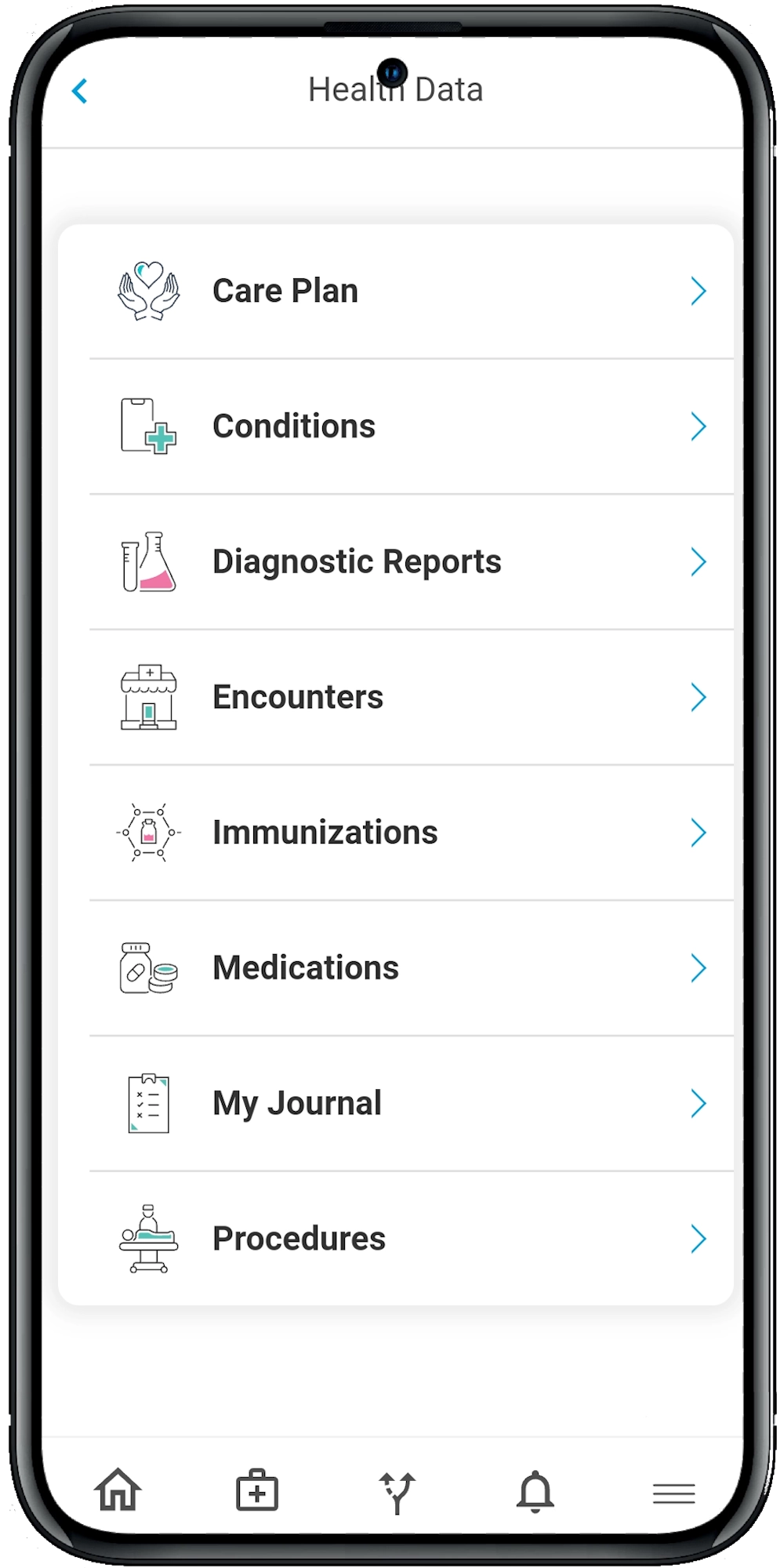
- Patient-reported outcomes (PROMs) to capture how a patient feels and functions
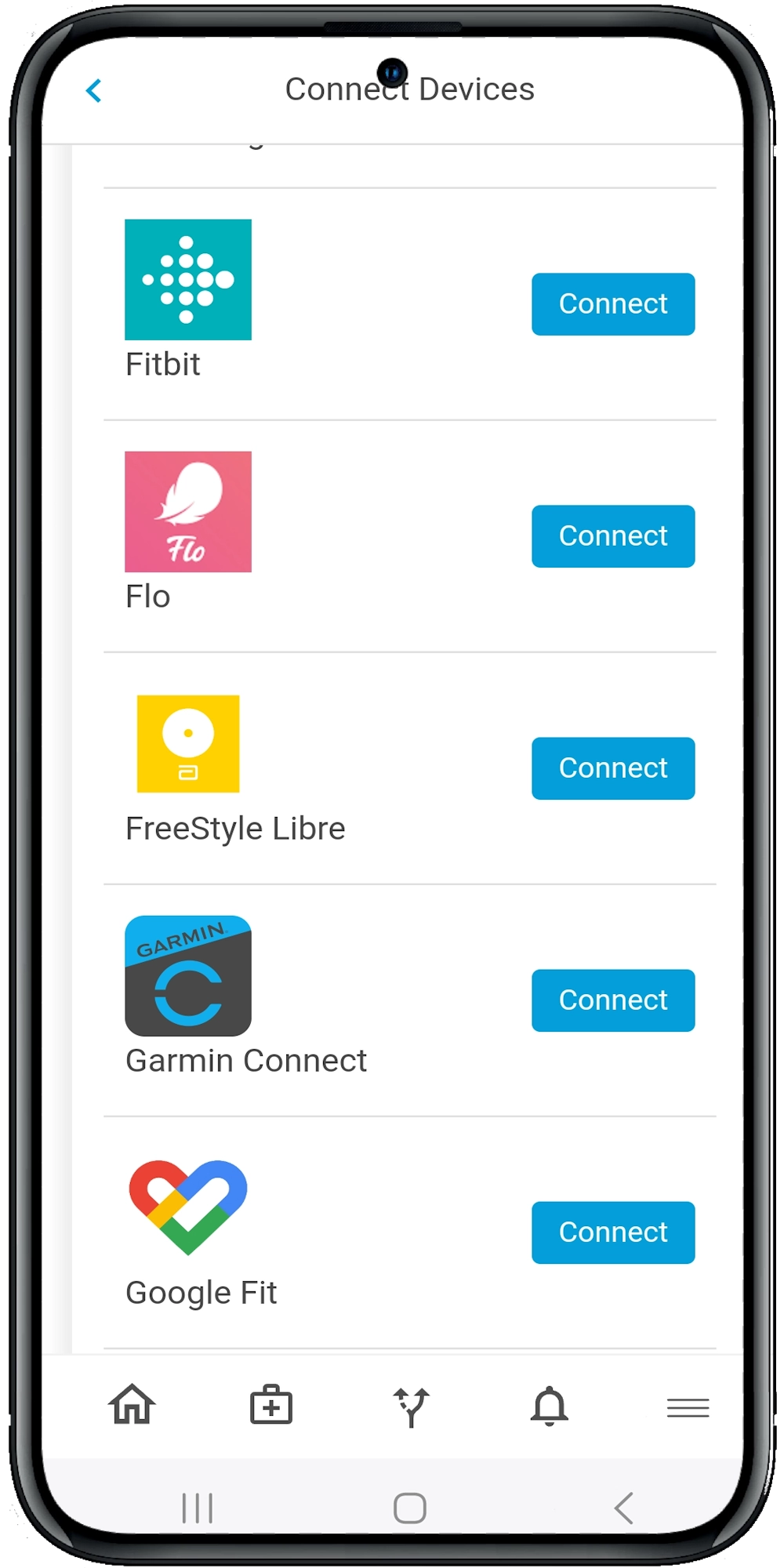
- Device-generated vitals like blood pressure, glucose, or oxygen levels
- Care pathway progress including task completion, pain scores or rehab milestones
- Medication adherence data to flag skipped doses or errors
- Intelligent alerts that notify providers of potential deterioration
When all these data points come together, providers can personalize care, respond to changes fast and track outcomes as they unfold—not after the fact.
How VBC Tech Brings Data to Life
Let’s be honest—no one has time to sift through spreadsheets or wait for faxed lab results. That’s why digital health platforms, like the one built by Calcium, are becoming essential for VBC success. These tools turn scattered data into something useful: clear insights that providers can act on.
Let’s break down how this works:
1. Unified Dashboards Give You the Full Picture
Think of a dashboard as a mission control center for your patients’ health. Calcium Core brings together EHRs, remote monitoring data, pathway progress and PROMs—all in one view. Providers can instantly see who’s doing well and who needs help.
Instead of reactive care, you get proactive visibility. Imagine seeing a patient’s pain score spike or their blood pressure drift up three days before their next appointment. That kind of intel lets your team step in early and make timely adjustments.
2. Guided Pathways Keep Patients on Track
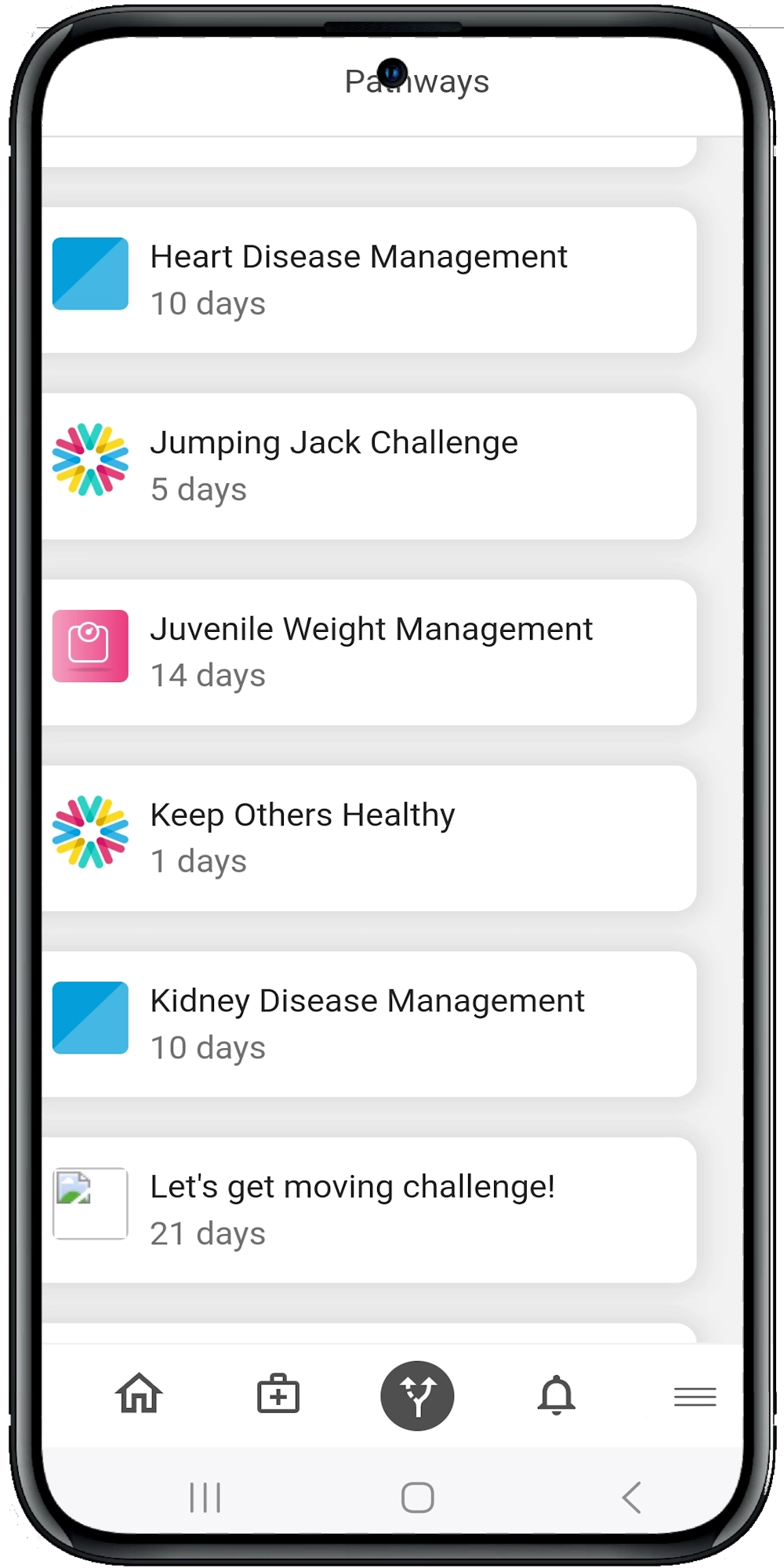
Care pathways are like GPS for healthcare. They guide patients through every step of their recovery or disease management plan—whether it’s rehab after surgery or managing hypertension at home.
Calcium’s digital pathways are smart. They prompt patients with daily tasks, track progress and collect feedback. If someone falls behind or reports a new symptom, the system flags it. That way, your care team can reach out before it escalates into something serious.
3. PROMs Turn Subjective Feedback Into Hard Data
Patient-reported outcomes may sound “soft,” but they’re powerful when measured consistently. PROMs capture how patients feel—something vitals can’t always tell you. Whether it’s back pain after spinal surgery or anxiety during cancer treatment, PROMs provide vital context.
A study on spinal disorders highlighted how integrating PROMs can help tailor care and benchmark recovery. By tracking this data through digital tools, providers get real-time snapshots of functional improvements, not just clinical scores.
And when PROMs are linked to care plans? You can adjust treatments based on real feedback—not guesswork.
4. Real-Time Alerts Prevent Emergencies
Most emergencies don’t happen out of the blue. They build up over time—unnoticed, until it’s too late. With real-time alerts, you don’t have to wait for something to go wrong.
If a diabetic patient skips multiple insulin doses, or if someone recovering from heart surgery shows signs of infection, Calcium’s system flags it. That allows your team to intervene fast—potentially avoiding readmissions or ER visits.
This kind of early intervention is critical. A study on missed emergency team activations showed that when providers overlooked subtle warning signs, patient outcomes worsened. Digital alerts tied to real-time data streams could’ve helped catch those warning signs sooner.
Use Cases: Real-Time in the Real World
Still wondering where this fits in? Here are a few practical examples of how real-time outcome tracking works in value-based care:
1. Chronic Disease Management
A patient with hypertension logs their blood pressure daily via a connected cuff. The system notices a steady increase and flags it in the provider dashboard. The nurse sends a message to review lifestyle factors. Meds are adjusted—all before the next scheduled visit.
2. Behavioral Health Integration
A patient on a mental health pathway reports worsening mood scores for four days straight. The platform sends an alert. A care coordinator checks in, recommends a virtual session and avoids a crisis.
3. Post-Surgical Recovery
After a hip replacement, a patient’s PROMs indicate unusual pain and swelling. The provider sees a deviation in their recovery pathway. A follow-up visit is scheduled immediately, preventing a serious complication.
4. Pediatric Fast-Tracking
In pediatric cardiac surgery, real-time monitoring of vitals and parent-reported recovery progress ensures safe early discharge. If something veers off course, the team is instantly notified. This mirrors findings in fast-track studies showing better recovery and shorter hospital stays.
Turning Insights into Action: How to Make It Happen
Want to track outcomes in real-time but not sure where to start? You’re not alone. Here’s a simple roadmap to implement real-time outcome tracking in your practice or network:
- Choose Key Metrics. Focus on outcomes tied to your contracts or population needs—like A1C levels, pain scores or readmission rates.
- Select the Right Platform. Use a solution like Calcium that integrates with your current systems, supports PROMs and offers patient-facing tools.
- Build Digital Pathways.
Assign structured, personalized care plans for conditions like diabetes, depression or post-op recovery. - Engage the Patient. Educate patients on how to use the app, record data and track their own goals.
- Act on the Data. Set up alerts for high-risk patterns. Use dashboards to prioritize outreach and interventions.
- Review and Refine. Regularly review analytics. Look for trends. Adjust your workflows based on what’s working.
What the Research Tells Us
All signs point to real-time tech as the future of VBC. Studies on PROMs, fast-tracking protocols and early intervention strategies all emphasize the same idea: When you track better, you treat better.
Real-time tools make outcomes visible, actionable and scalable. They support patients and providers in working together, even outside clinic walls. That’s the kind of innovation value-based care needs to succeed—not next year, but right now.
Real-time outcome tracking isn’t just a technological upgrade—it’s a transformational shift in how we deliver care. By turning data into action, providers can improve outcomes, reduce costs and create a more personalized, responsive experience for every patient. Whether you’re managing chronic conditions, monitoring surgical recovery or supporting behavioral health, the ability to see what’s happening now—and act on it—makes all the difference. Value-based care demands more than good intentions; it requires the right tools to make proactive care possible.
That’s where Calcium comes in. With its AI-powered care pathways, smart dashboards and seamless patient engagement tools, the Calcium digital health platform is built to help you track, understand and improve outcomes in real time.