Türkiye’de bahis severler için en çok tercih edilen bettilt giriş adreslerden biri olmaya devam ediyor.
Curacao lisanslı platformlar arasında güvenilirlik açısından üst sıralarda bahsegel giriş yer alan, uluslararası denetimlerden başarıyla geçmiştir.
Kazançlı bahis deneyimi arayan herkes için bettilt doğru seçimdir.
Rulet masalarında en çok tercih edilen bahis türleri arasında kırmızı/siyah ve tek/çift seçenekleri yer alır; pinco giriş bu türleri destekler.
Basketbol tutkunları için en iyi kupon fırsatları bettilt sayfasında yer alıyor.
Bringing Clarity, Connection and Control to Complex Care
In the race to transform healthcare, Accountable Care Organizations (ACOs) have become the poster child for value-based care. But behind the headlines and shared savings lies a sobering reality: many ACOs are still struggling to connect the dots.
Why? Because accountable care organization technology, despite being designed to support coordinated and cost-effective care, often becomes the biggest roadblock.
Imagine trying to deliver seamless care with half a dozen EHR systems that don’t talk to each other, mountains of unstructured data, and patients who feel like passengers rather than partners. It’s not just frustrating—it’s unsustainable.
To succeed in today’s healthcare environment, ACOs need more than good intentions. They need ACO technology that works with them, not against them. The question isn’t whether technology matters. It’s whether you’re using the right kind. Let’s explore what’s standing in the way and how smarter tools can help you overcome it.
The Core Technology Challenges Holding ACOs Back
Let’s be honest—navigating the world of accountable care organization technology isn’t for the faint of heart. ACOs are expected to improve outcomes, cut costs, and create a seamless care experience for patients—all while managing complex technology environments. It’s like trying to conduct an orchestra where half the musicians are playing different sheet music.
Here are the seven biggest challenges that stand in the way of efficient ACO operations—and how better accountable care organization technology could change the game.
1. Fragmented EHR Systems
One of the biggest barriers facing today’s ACOs is the fragmentation of electronic health record (EHR) systems. Many ACOs operate across multiple EHR platforms, with only a few lucky enough to operate with just one.
When you’re dealing with multiple platforms, it’s harder to:
- Access complete patient histories
- Coordinate care efficiently
- Avoid duplicate testing
- Meet reporting requirements
When health data is spread across disconnected systems, the result is often inefficiency and missed opportunities for value-based care. A truly effective accountable care organization technology solution is needed to unify this data, not scatter it (Walker et al, 2016).
2. Poor Interoperability
Even if you can pull data from multiple systems, that data often doesn’t play nicely together. Many EHRs follow different formats, lack standardized fields, or block integration with external platforms. For ACOs, this makes it incredibly difficult to:
- Coordinate across providers
- Compile accurate quality reports
- Manage patient transitions
The result? Missed handoffs, frustrated providers, and more time spent fixing tech than caring for patients. When it comes to ACO technology, interoperability isn’t optional—it’s essential (Balio et al., 2019).
3. Lack of Real-Time, Bidirectional Data
Good data isn’t just about what you collect—it’s about when and how it’s shared. Research confirms that bidirectional information exchange—where data moves back and forth in real time—has the strongest impact on care coordination and management.
Yet, many ACOs still operate on delayed or one-way data flows. Without real-time feedback, you’re always playing catch-up instead of getting ahead of patient risks. That’s a major limitation of outdated accountable care organization technology (Wu et al., 2017).
4. Complex and Costly Quality Reporting
The push toward electronic clinical quality measures (eCQMs) is meant to streamline reporting—but for ACOs juggling multiple EHR systems, it’s become a huge lift. Research suggests that only a small fraction of ACOs managing a high number of EHRs, such as 16 or more, have the infrastructure to aggregate data efficiently.
This leads to expensive workarounds: hiring vendors, building custom tools, and overloading analysts just to meet CMS requirements. Scalable and smart ACO technology should simplify reporting, not complicate it (Walker et al., 2016; Balio et al., 2019).
5. Difficult Cross-Provider Coordination
An ACO isn’t a single hospital or clinic—it’s a team of providers who may not have worked together before. In fact, more than half of ACOs are formed by providers who haven’t shared a risk-based contract previously.
That means you’re often working across:
- Independent practices
- Hospital groups
- Community health centers
- Specialty clinics
Without shared systems or workflows, coordinating patient care becomes an uphill battle. Think of it like trying to play an orchestra with musicians who’ve never rehearsed together—and don’t speak the same language (Wu et al., 2017).
6. Low Patient Engagement
We can’t talk about value-based care without talking about patients. Their behavior, choices, and follow-through have a huge impact on outcomes. But let’s face it: many patients still feel disconnected from their care plans.
Without easy-to-use tools for:
- Tracking vitals
- Managing medications
- Understanding care plans
- Staying motivated
…it’s hard to keep patients engaged over time. Especially for those managing chronic conditions, daily support matters. And if your tech doesn’t provide that, you’re leaving success up to chance (Bao & Bardhan, 2021).
7. Operational Inefficiencies and Staff Burnout
When frontline staff spend more time chasing down data than caring for patients, burnout isn’t far behind. Manual processes, clunky systems, and a lack of automation stretch teams thin and slow down care delivery.
Staff need tools that help them:
- Identify at-risk patients quickly
- Automate routine communications
- Access actionable insights in one place
- Prioritize high-value tasks
If your accountable care organization technology creates more admin work than it solves, it’s not helping you win at value-based care (Bao & Bardhan, 2021).
While these challenges may seem overwhelming, they highlight exactly what’s needed from a modern accountable care organization technology solution. The right platform doesn’t just patch up gaps—it reimagines how care is coordinated, data is shared, and outcomes are achieved. That’s where an integrated approach makes all the difference.
How the Calcium Digital Health Platform Bridges the Gap
The good news? There are smarter solutions out there. The Calcium Digital Health Platform is designed specifically to address the shortcomings of current accountable care organization technology. Its three-part framework includes:
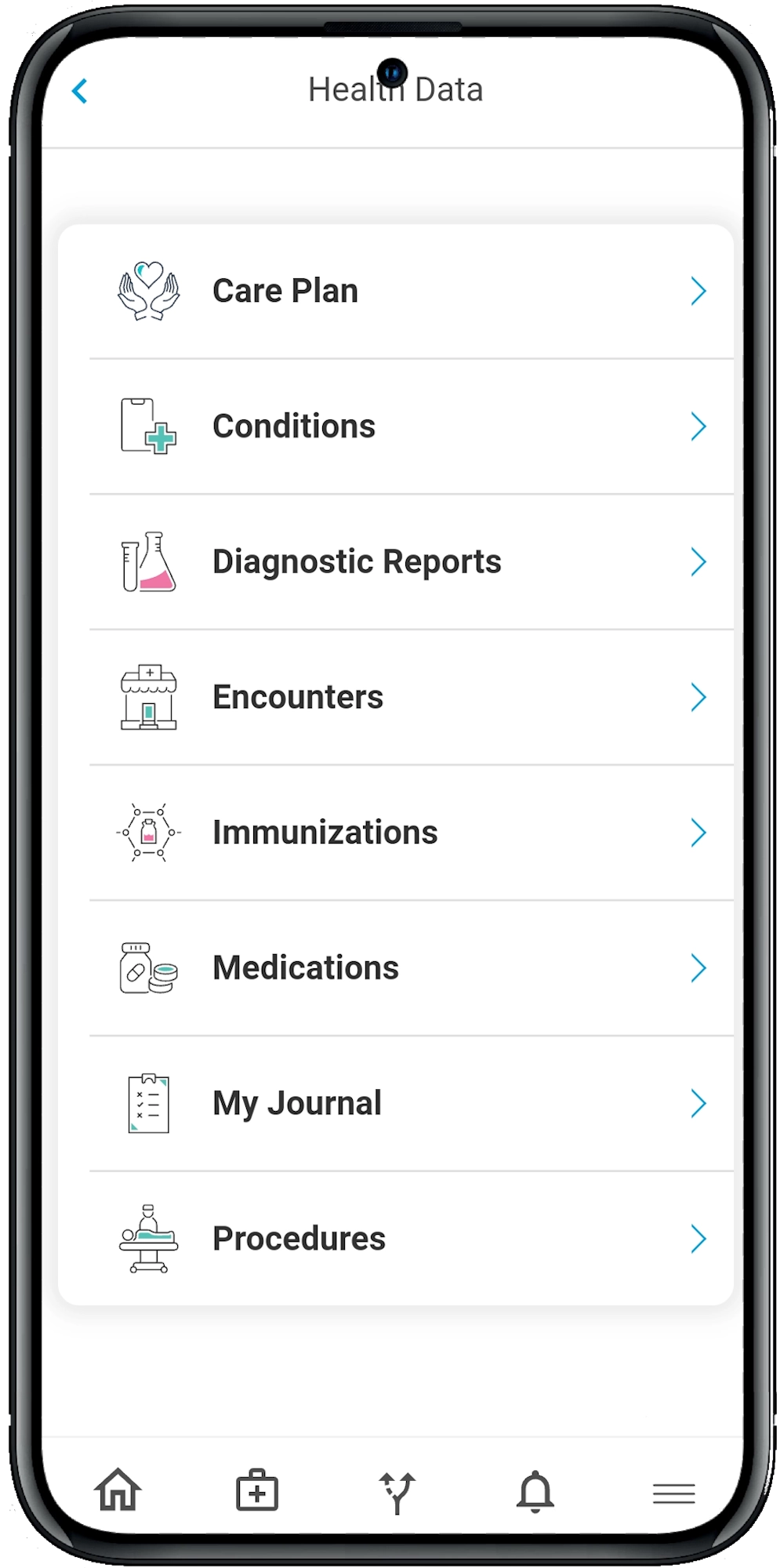
- Calcium Super App – A user-friendly mobile app for patients to manage health data, engage in care pathways, and stay connected with providers.
- Calcium Core – A centralized, real-time dashboard that consolidates EHR, device, and app data into a unified view for provider teams.
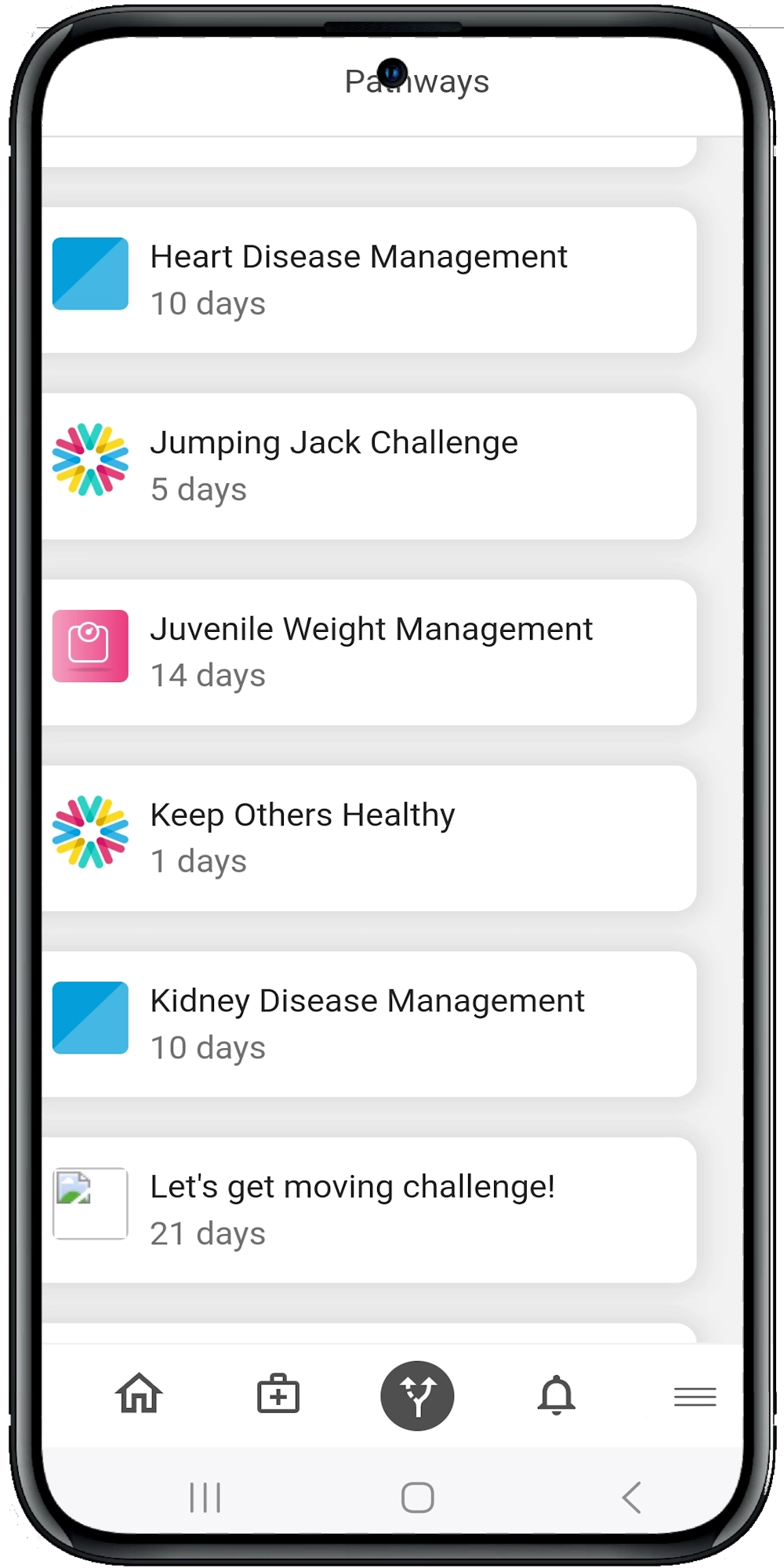
- Calcium AI Studio – A powerful automation tool to build personalized, intelligent care pathways that adapt over time.
Here’s how Calcium directly solves the challenges above.
1. It Unifies Fragmented EHR Data
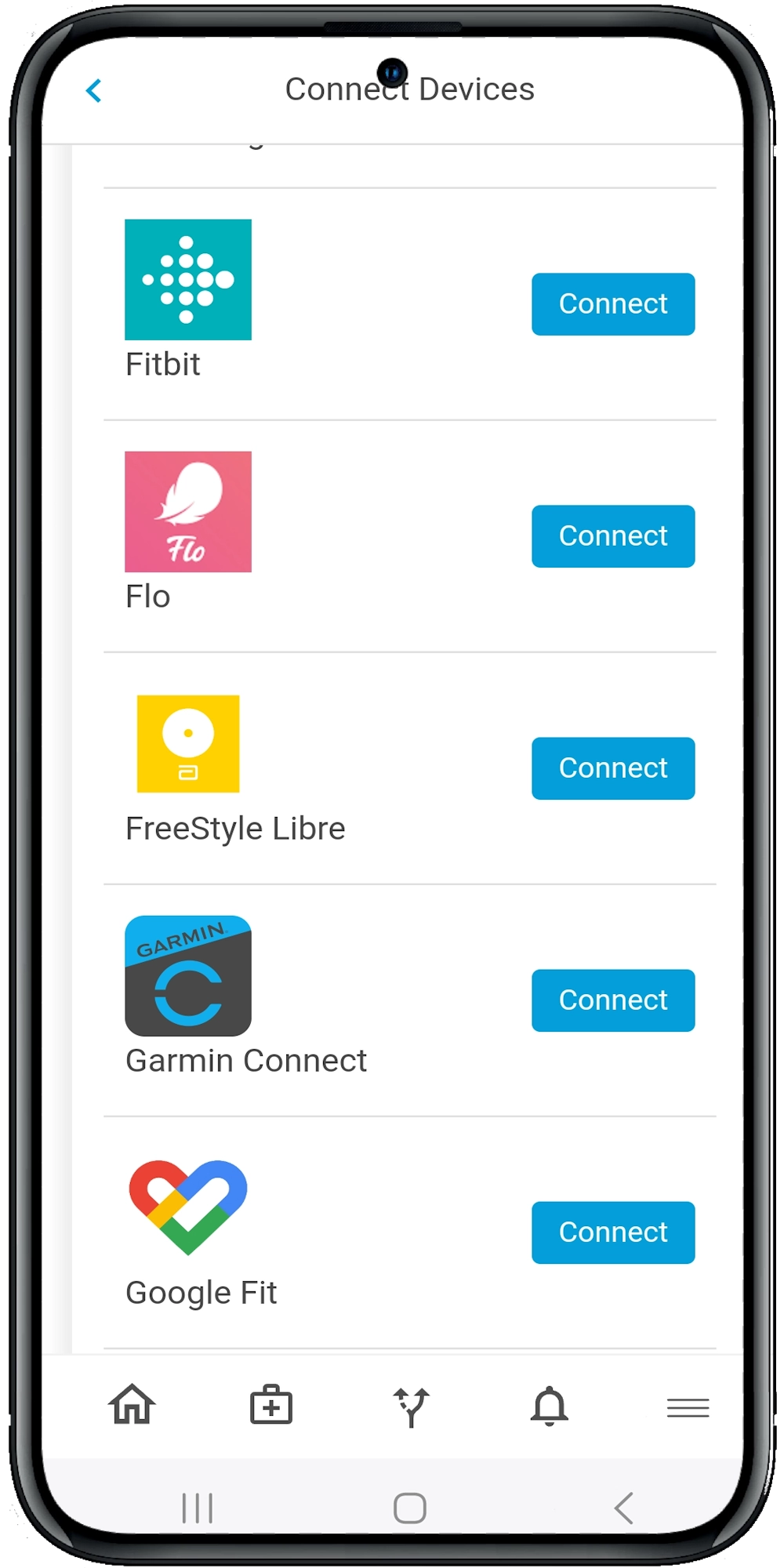
Calcium Core connects to over 95% of EHR systems in the U.S., plus countless wearables and health apps. No need to replace what you have—just bring it all together under one ACO technology umbrella.
- It Breaks Down Interoperability Barriers
Using secure APIs and standardized formats, Calcium enables seamless data flow between different systems. Whether it’s an Epic hospital or a Fitbit on a patient’s wrist, data lands in one place.
2. It Enables Real-Time Care Management
Vital signs, medication adherence, and care plan compliance are synced continuously between the patient’s app and the provider dashboard. Providers can intervene earlier and track patient behavior outside the exam room.
3. It Simplifies Reporting
With built-in dashboards and eCQM-ready exports, Calcium helps ACOs cut down on manual reporting. That means faster submissions, better data accuracy, and fewer headaches for your quality team.
4. Keeping Patients Engaged
The Super App delivers 24/7 support with digital pathways, reminders, health education, and motivational messages. It’s like a personal health coach in every patient’s pocket—essential for any modern accountable care organization technology solution.
5. It Powers Better Coordination
Using shared care pathways, providers across an ACO can follow the same protocols, track patient responses, and communicate directly through the platform’s chat function. It’s like giving every provider in your ACO the same playbook.
6. Reducing Staff Burden Through Automation
Through automated alerts, smart triage tools, and customizable workflows, your team spends less time chasing down data and more time delivering care. Staff can quickly see who needs immediate attention and take action, all in one platform.
The Wrap
Accountable care organization technology shouldn’t be the barrier to better care—it should be the engine that drives it. The most successful ACOs aren’t the ones with the biggest budgets or the flashiest dashboards. They’re the ones using technology to connect care teams, empower patients and turn real-time data into real-world results.
If your ACO is still stitching together disconnected systems or struggling to keep up with reporting demands, it’s time to rethink what’s possible. The right platform can transform your operations from reactive to proactive—and help your team focus on what matters most: the patient.
Reference
- Walker, D. M., Mora, A. M., & Scheck McAlearney, A. (2016). Accountable care organization hospitals differ in health IT capabilities. The American journal of managed care, 22(12), 802–807. https://pubmed.ncbi.nlm.nih.gov/27982667/
- Balio, C. P., Apathy, N. C., & Danek, R. L. (2019). Health Information Technology and Accountable Care Organizations: A Systematic Review and Future Directions. EGEMS (Washington, DC), 7(1), 24. https://doi.org/10.5334/egems.261
- Bao, C., & Bardhan, I. R. (2021). Performance of accountable care organizations: Health information technology and quality–efficiency trade-offs. Information Systems Research. https://doi.org/10.1287/isre.2021.1080
- Wu, F. M., Shortell, S. M., Rundall, T. G., & Bloom, J. R. (2017). The role of health information technology in advancing care management and coordination in accountable care organizations. Health Care Management Review, 42(4), 282–291. https://doi.org/10.1097/HMR.0000000000000123