Türkiye’de bahis severler için en çok tercih edilen bettilt giriş adreslerden biri olmaya devam ediyor.
Curacao lisanslı platformlar arasında güvenilirlik açısından üst sıralarda bahsegel giriş yer alan, uluslararası denetimlerden başarıyla geçmiştir.
Kazançlı bahis deneyimi arayan herkes için bettilt doğru seçimdir.
Rulet masalarında en çok tercih edilen bahis türleri arasında kırmızı/siyah ve tek/çift seçenekleri yer alır; pinco giriş bu türleri destekler.
Basketbol tutkunları için en iyi kupon fırsatları bettilt sayfasında yer alıyor.
Smarter Strategies and Digital Tools for Healthcare Leaders in Value-Based Care
Healthcare is racing toward a new destination, and value-based care is driving the change. Gone are the days when success was measured by how many patients you could see in a day. Now, it’s about how well you can keep them healthy, happy, and out of the hospital.
Providers who want to stay ahead can’t just dip a toe into this new model — they need to dive in with a smart strategy and the right tools. Patients are expecting more. Payers are demanding better. And the organizations that thrive will be the ones that adapt quickly and thoughtfully.
So, how can you shift gears, avoid the common roadblocks, and lead the charge toward better outcomes? It starts by understanding where healthcare is headed and making the right moves today. Let’s explore what it takes to stay ahead in the fast-evolving world of value-based care.
Understanding the Shift: From Fee-for-Service to Value-Based Care
Healthcare has long been driven by volume — the more tests, procedures, and visits, the bigger the paycheck. But that model is buckling under its own weight. Rising costs, preventable hospitalizations, and chronic disease burdens have forced a rethink. Enter value-based care (VBC), where success is measured by outcomes, not output.
Instead of rewarding how much care is delivered, VBC rewards how well care is delivered. It’s about healthier patients, fewer ER visits, better chronic disease management, and smarter spending. Think of it like switching from a punch card taxi system to a flat-rate rideshare that rewards the smoothest, fastest trips.
The Pressures Providers Are Facing Today
Providers aren’t just feeling gentle nudges toward VBC; they’re facing serious pressure. Here’s where the heat is coming from:
- Policy reforms. Programs like CMS’s Quality Payment Program, MIPS, and the rise of ACOs are making VBC mandatory.
- Patient expectations. Consumers now expect preventive, personalized care—not rushed visits and reactive medicine.
- Financial risks. Providers tied too closely to fee-for-service models face penalties and shrinking reimbursements.
Sitting still isn’t an option anymore.
What Providers Must Do to Stay Ahead in VBC
Staying competitive means leaning into change, not resisting it. Successful providers share some common strategies:
- Invest in Data and Analytics Infrastructure. Platforms like Calcium Core are no longer luxuries; they’re necessities. Real-time patient tracking, predictive risk modeling, and EHR integration are the new basics.
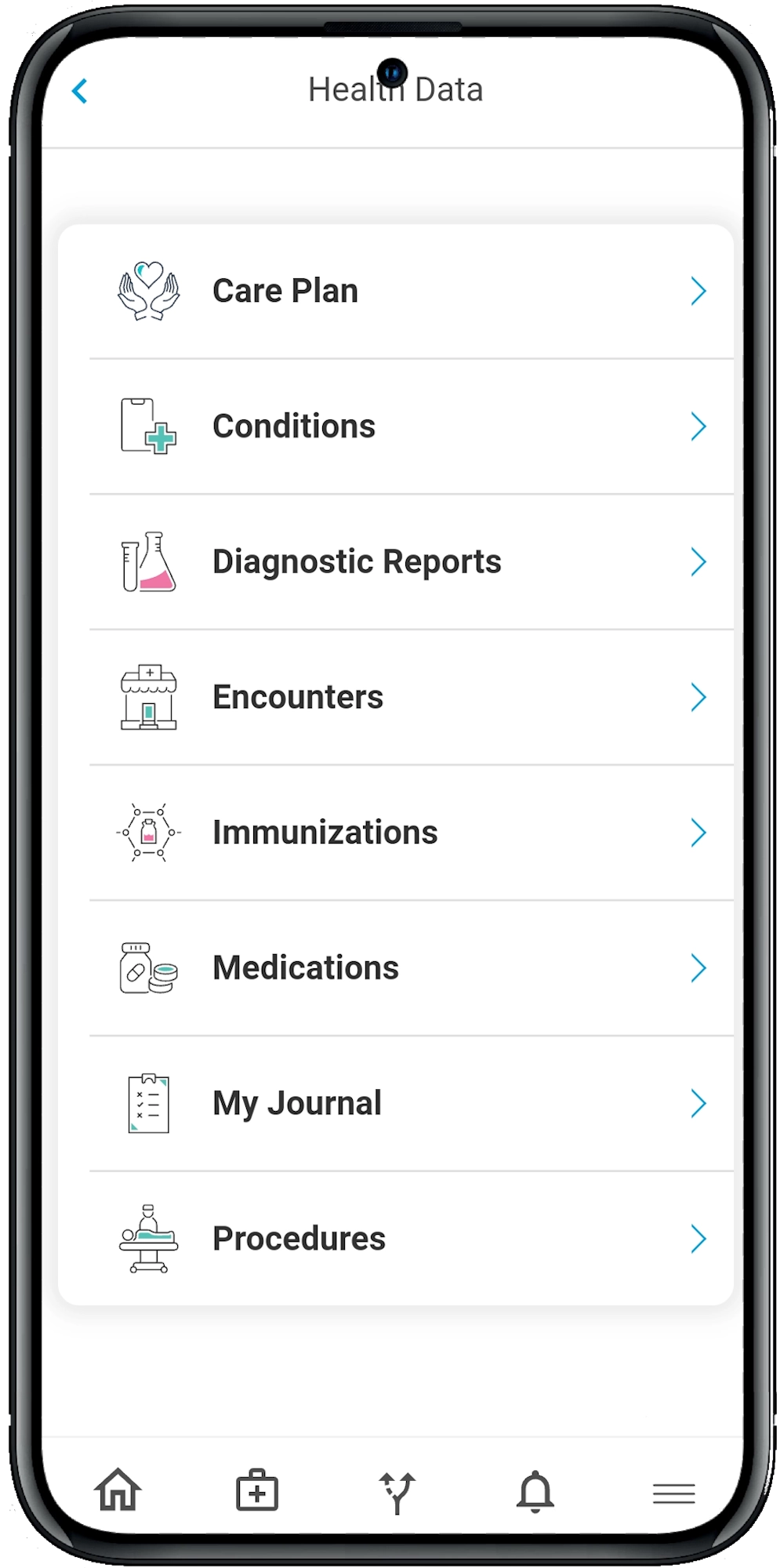
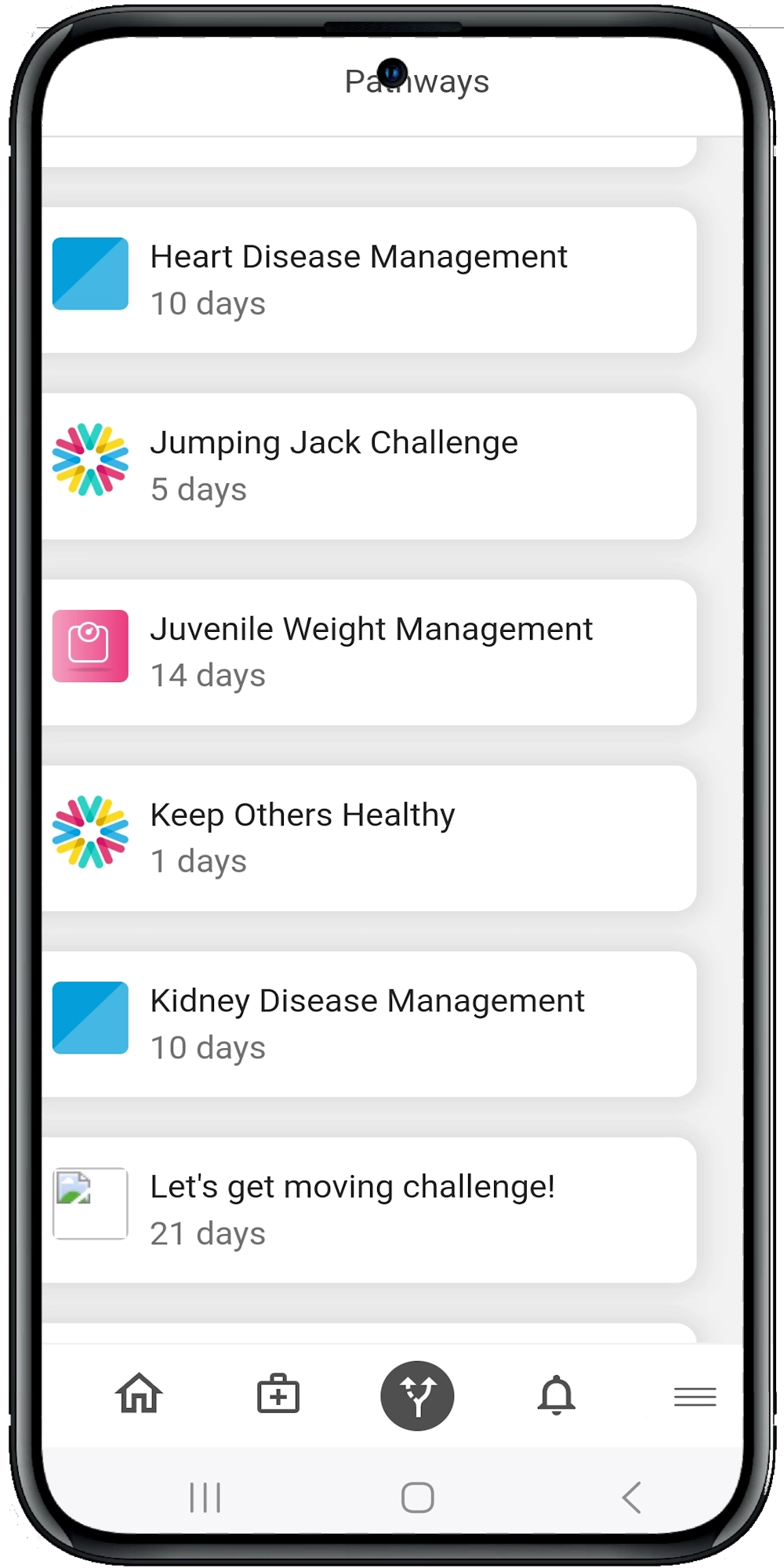
- Prioritize Patient Engagement Beyond Clinic Walls. Patients need daily encouragement, not just annual checkups. Guided pathways through mobile apps like the Calcium Super App keep patients connected, informed, and accountable.
- Strengthen Care Team Collaboration. Nurses, administrators, and behavioral health specialists must work like a championship team. Siloed practices don’t survive in a value-driven world.
- Address Social Determinants of Health. Healthcare can’t ignore housing, nutrition, or transportation anymore. Using platforms that integrate SDOH data into patient plans is critical.
- Shift Mindsets and Training. Staff needs to think “outcomes first,” not “billing first.” That shift in mindset is just as important as the technology itself.
Digital Health: The Secret Weapon for VBC Success
Let’s be real: Without digital tools, managing value-based contracts would be like trying to drive cross-country with a paper map. Slow, frustrating, and full of wrong turns.
Here’s how digital platforms supercharge VBC:
- Mobile Health Tools. Apps keep patients engaged between visits, offering reminders, education, and self-monitoring support.
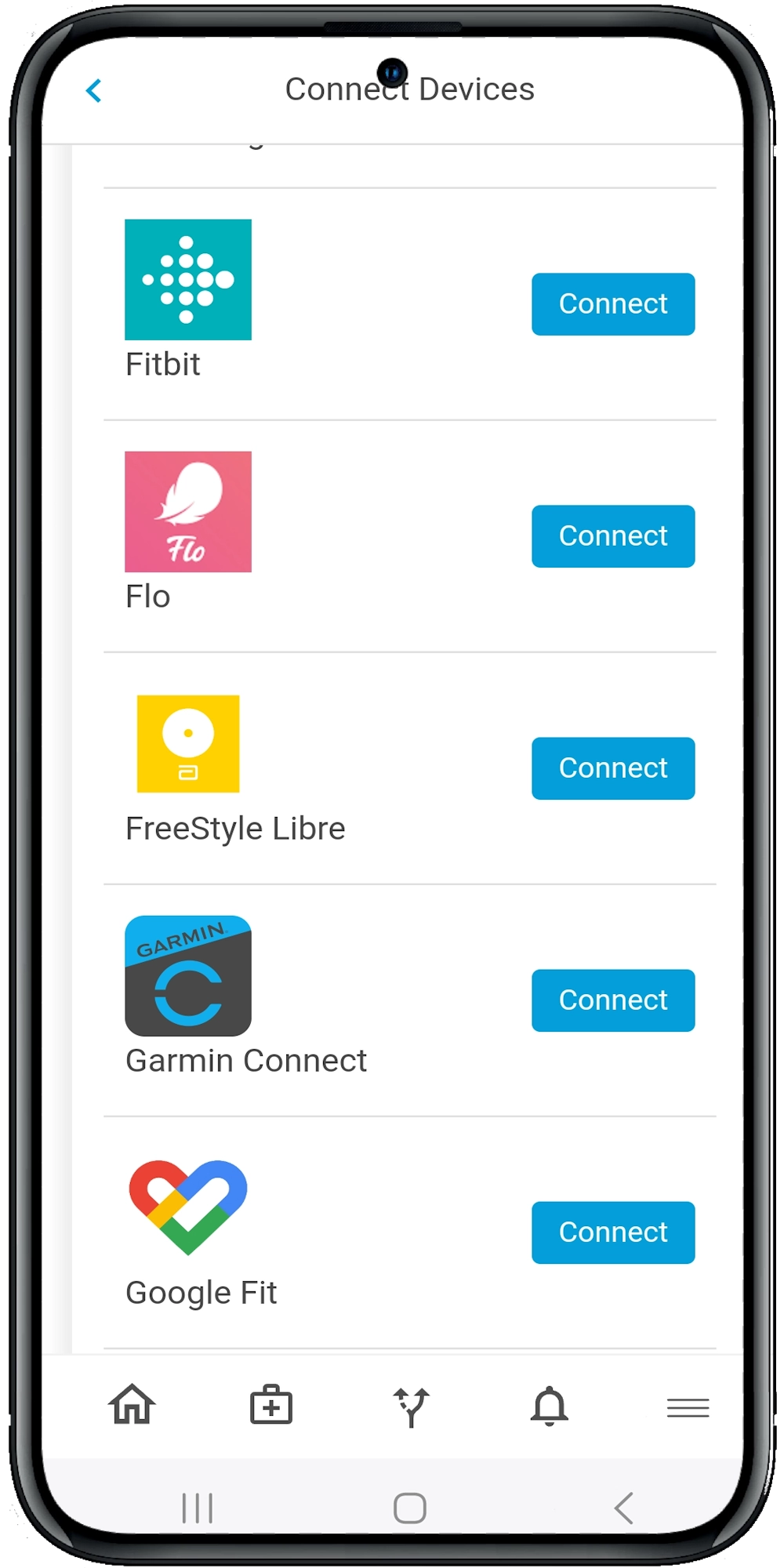
- Wearable Integration. Smartwatches and fitness trackers feed real-time health data directly to providers.
- Predictive Analytics. Systems like Calcium AI Studio flag at-risk patients before emergencies happen, guiding early interventions.
- Data Aggregation. Calcium Core unites EHRs, patient-generated data, and third-party sources into a single view of each patient’s journey.
Digital health isn’t a nice-to-have. It’s the engine that keeps value-based systems running.
Real-World Examples of Providers Thriving with VBC
It’s not just theory. Providers already making the shift are seeing big wins. Here are a few:
- Heart Failure Management. One cardiology group used remote monitoring to cut 30-day readmissions by 25%. Daily weight tracking and symptom reporting caught problems early, avoiding costly hospital stays.
- Kidney Care Coordination. Clinics enrolled in the Kidney Care Choices Model used proactive digital pathways to delay dialysis for many CKD patients, while increasing preemptive transplant referrals.
- Behavioral Health Integration. Primary care practices embedding mental health services directly into workflows saw improved diabetes control and fewer ER visits.
These examples show that smart technology, tight coordination, and early action pay off.
Avoiding the Common Pitfalls
Many providers trip up during the VBC transition. Here’s how to steer clear of the most common mistakes:
- Waiting Too Long to Adapt. If you’re not already moving toward VBC, you’re falling behind.
- Overburdening Staff with Bad Tech. Choose digital solutions that simplify workflows, not complicate them. Staff burnout is real and costly.
- Ignoring Patient Engagement Metrics. You can’t manage what you don’t measure. Patient satisfaction, adherence rates, and health literacy should be tracked like vital signs.
VBC isn’t about doing more with less. It’s about doing smarter with better.
How CalciumHealth Helps Providers Thrive in the VBC Era
CalciumHealth was designed from the ground up for the VBC world. Here’s how it gives provider teams an edge:
- 360-Degree Data Aggregation. Vitals, EHR records, wearable data, and patient-reported outcomes all flow into one unified platform.
- Guided Digital Pathways. Patients receive daily, tailored prompts that help them stick to care plans, whether managing diabetes, recovering from surgery, or monitoring mood.
- Real-Time Risk Alerts. Predictive analytics spot early warning signs before patients crash, reducing ER visits and hospitalizations.
- AI-Powered Personalization. The AI Studio component builds dynamic care plans, adapting as patient needs evolve.
- Family Health Management. Patients can manage their own health and that of loved ones from a single, easy-to-use app.
With Calcium, providers don’t just react. They anticipate, prevent, and engage smarter every day.
The Wrap
Providers who want to thrive in healthcare’s next chapter must embrace value-based care as their North Star. With the right digital infrastructure, team strategy, and patient engagement tools, staying ahead isn’t just possible — it’s within reach.
The future of healthcare is not about doing more; it’s about doing better. Providers who lean into value-based care now are setting themselves up for long-term success, delivering higher quality care while improving operational efficiency. But thriving in this new landscape requires more than just good intentions. It demands smart strategies, integrated care teams, and digital tools that simplify the work of delivering better outcomes.
That’s where CalciumHealth steps in. With solutions built specifically for the value-based world, Calcium empowers providers to track real-time patient progress, personalize care, and catch risks before they escalate.
Reference
- Alharbi, A. A., Hamed, M., Alhawit, M. E., Alharbi, A. M., Ghalib Talal Almutairi, Lafi, O., Albalaw, M. F., Alkhathami, A. M., & Binselm, R. A. (2022). The impact of value-based care models: The role of nurses and administrators in healthcare improvement. International Journal of Health Sciences, 6(S10), 2186–2211. https://doi.org/10.53730/ijhs.v6ns10.15411
- Gibler, K., Levine, Mitchell, J., Rivera, S., & Vanlare, J. (2019). How providers can best confront the reality of value-based care. https://www.mckinsey.com/~/media/McKinsey/Industries/Healthcare%20Systems%20and%20Services/Our%20Insights/How%20providers%20can%20best%20confront%20the%20reality%20of%20value%20based%20care/How-providers-can-best-confront-the-reality-of-value-based-care.pdf
- El Fadel, O., Goldberg, Z. N., Jain, A., Venkat, N., Upadhyaya, A., Mack, S., Kaminski, M., Papanagnou, D., Ziring, D., & Hayden, G. (2024). Integrating Choosing Wisely, Value-Based Care Principles, Into Undergraduate Medical Education: A Pilot Study. Cureus.https://doi.org/10.7759/cureus.56912
- Shiwlani, A., Kumar, S., Kumar, S., Hasan, S. U., & Shah, M. H. A. (2025, December 12). Transforming Healthcare Economics: Machine Learning Impact on Cost Effectiveness and Value-Based Care [Review of Transforming Healthcare Economics: Machine Learning Impact on Cost Effectiveness and Value-Based Care]. Pakistan Journal of Life and Social Science. https://www.pjlss.edu.pk/pdf_files/2024_2/20367-20382.pdf