Türkiye’de bahis severler için en çok tercih edilen bettilt giriş adreslerden biri olmaya devam ediyor.
Curacao lisanslı platformlar arasında güvenilirlik açısından üst sıralarda bahsegel giriş yer alan, uluslararası denetimlerden başarıyla geçmiştir.
Kazançlı bahis deneyimi arayan herkes için bettilt doğru seçimdir.
Rulet masalarında en çok tercih edilen bahis türleri arasında kırmızı/siyah ve tek/çift seçenekleri yer alır; pinco giriş bu türleri destekler.
Basketbol tutkunları için en iyi kupon fırsatları bettilt sayfasında yer alıyor.
Putting Patients in Control of Their Health Journey with Smarter, Connected Tools
Living with a chronic condition means navigating a non-stop flow of doctor’s visits, lab results, medications and lifestyle changes. But here’s the truth: most people are left juggling these responsibilities without the tools to manage them confidently.
The traditional healthcare system wasn’t built for the in-between moments — the ones that happen at home, at work or during late-night symptom spikes. That’s why a new approach is urgently needed. Personal electronic medical records (PEMRs) are reshaping how we care for chronic conditions by putting patients in control of their own health data. In a world where information is power, PEMRs can be the difference between reacting to a flare-up and preventing it altogether.
So how do these digital tools work, and why are they becoming essential to long-term health? Let’s explore how smarter, more connected records can improve outcomes and give patients the upper hand in their care.
Managing a chronic health condition isn’t a one-time event. It’s a day-to-day journey that involves tracking symptoms, sticking to treatment plans, monitoring medications and staying in sync with multiple care providers. But here’s the challenge: traditional electronic health records (EHRs) weren’t designed to support patients outside of the exam room. They store information — but they don’t necessarily empower people to use it.
That’s where personal electronic medical records (PEMRs) come in.
What Are Personal Electronic Medical Records?
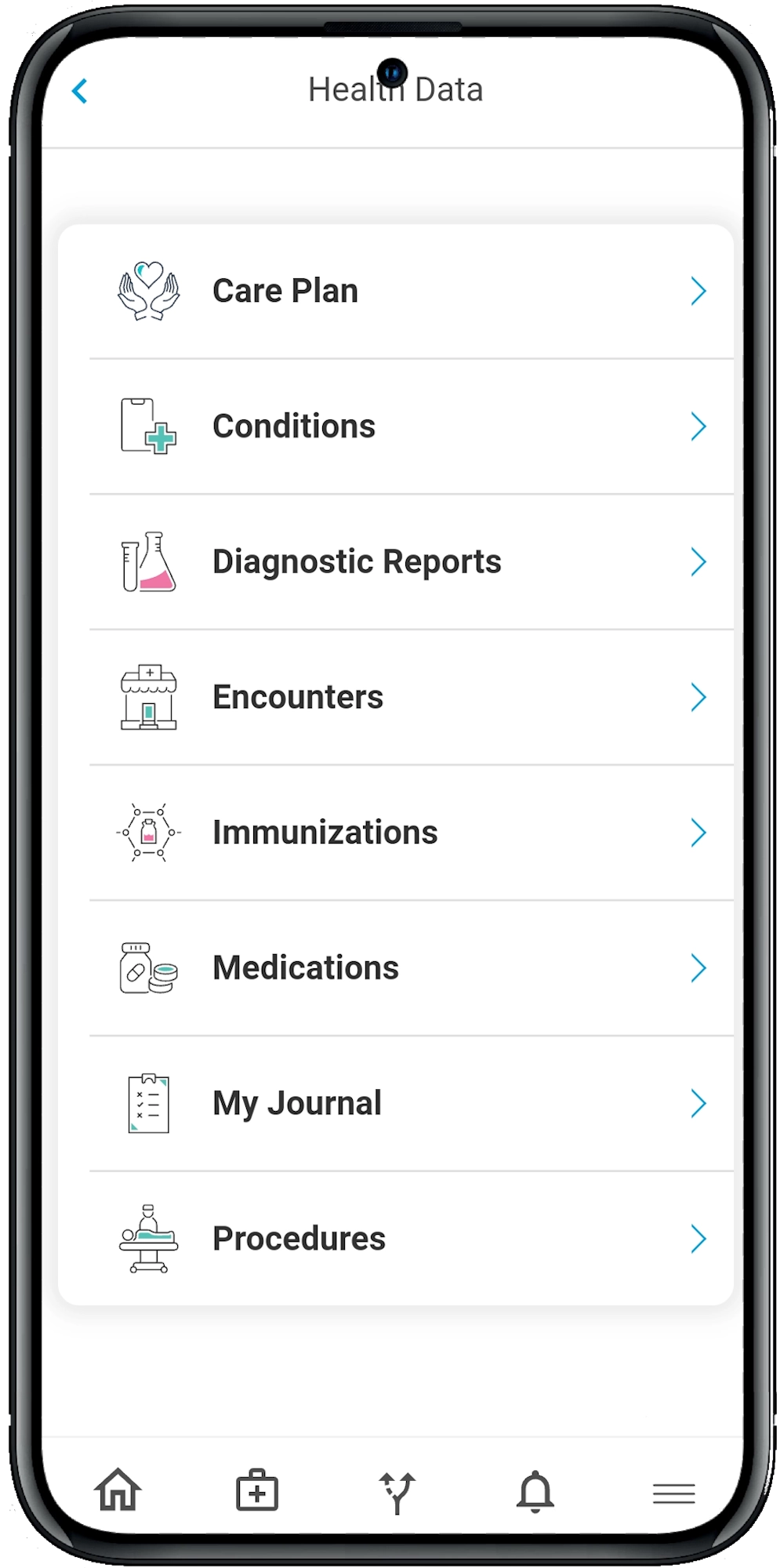
Personal electronic medical records are digital health records that are patient-controlled and portable. Unlike traditional EHRs — which are managed by healthcare institutions and often locked behind multiple portals — PEMRs are designed to give patients full visibility and access to their own health data. Think of it as your personal health command center, available right from your phone or tablet.
Instead of just passively collecting data, PEMRs turn that information into something you can act on — whether you’re managing a chronic condition like diabetes, asthma or hypertension.
Chronic Conditions Require Constant Attention
Here in the U.S., 6 in 10 adults live with at least one chronic illness. And 4 in 10 have two or more. These conditions aren’t solved by one doctor’s visit or a short-term prescription. They require long-term monitoring, behavior changes, and consistent follow-up.
Unfortunately, most EHRs are designed for episodic care — meaning they work well when you’re at the clinic, but not when you’re at home managing your blood pressure or blood sugar on your own.
That’s where the gap lies.
The Power of Personal EMRs in Chronic Condition Management
Let’s take a look at some of the biggest ways personal electronic medical records help bridge this gap and improve chronic disease management.
1. You Can Access Your Full Health History Anytime
There’s nothing more frustrating than showing up to a new appointment and realizing you don’t have your lab results or medication list on hand. PEMRs give you 24/7 access to your health records — so you’re never left guessing.
Whether you’re on vacation, at a specialist’s office or managing your parent’s care remotely, you can pull up:
- Past diagnoses
- Medications and dosages
- Allergies
- Lab results
- Imaging reports
- Doctor’s notes
This kind of real-time access reduces errors and helps you make informed decisions — right when you need them.
2. You Get Help Staying on Track with Treatment
Taking your medications every day might seem simple — but if you’ve ever forgotten a dose, you know how easy it is to slip up. Non-adherence is a major reason why chronic conditions get worse or lead to complications.
Many PEMR platforms offer features like:
- Medication reminders
- Refill alerts
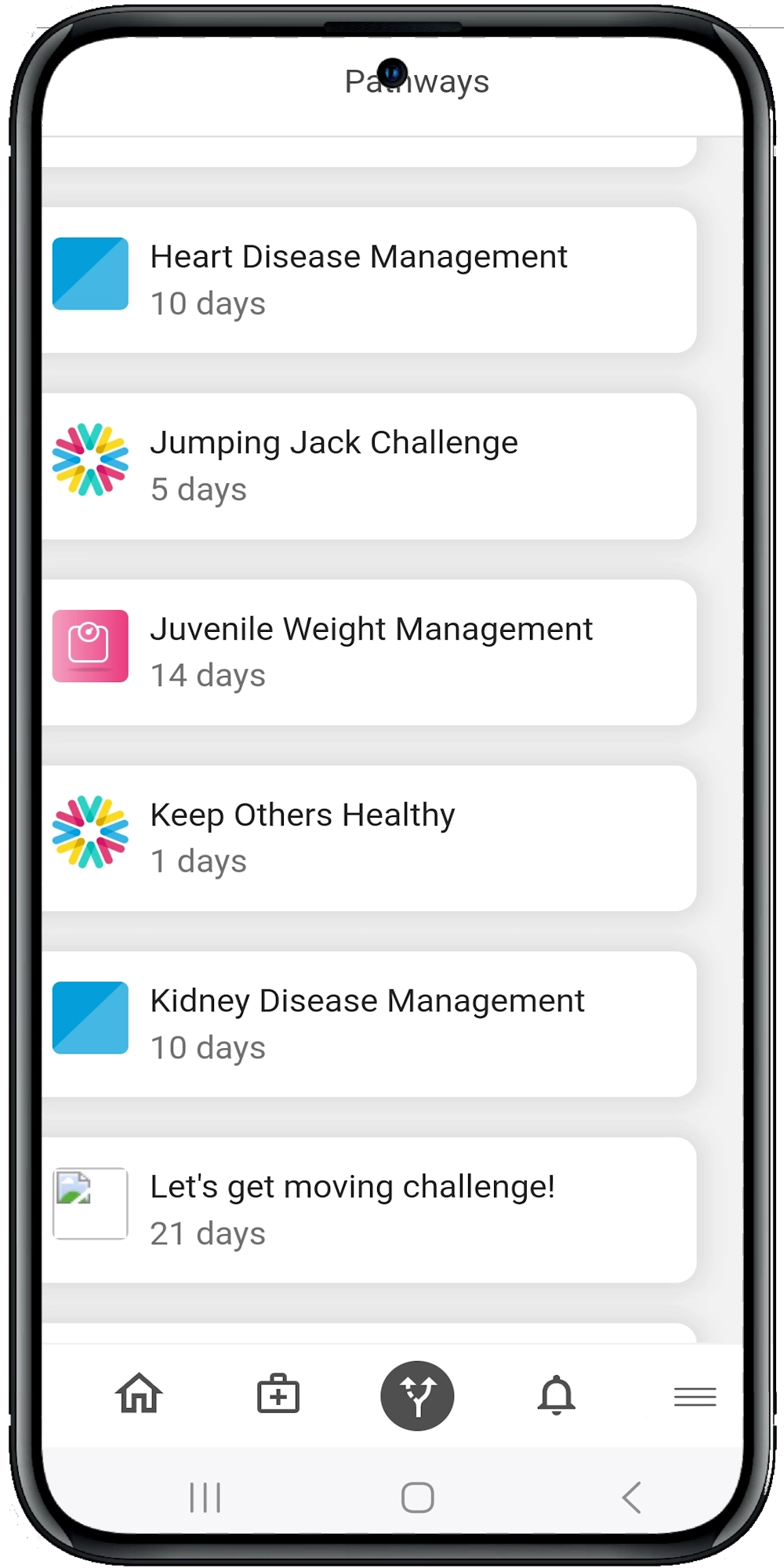
- Step-by-step care plans
- Daily checklists
These small nudges make a big difference. They help you stick to your care routine without relying on memory alone.
3. You Can Track Vital Signs and Spot Trends
Monitoring your vitals — like blood pressure, blood sugar, heart rate or oxygen levels — is essential for chronic care. But writing them down on paper or keeping notes in your phone isn’t exactly efficient.
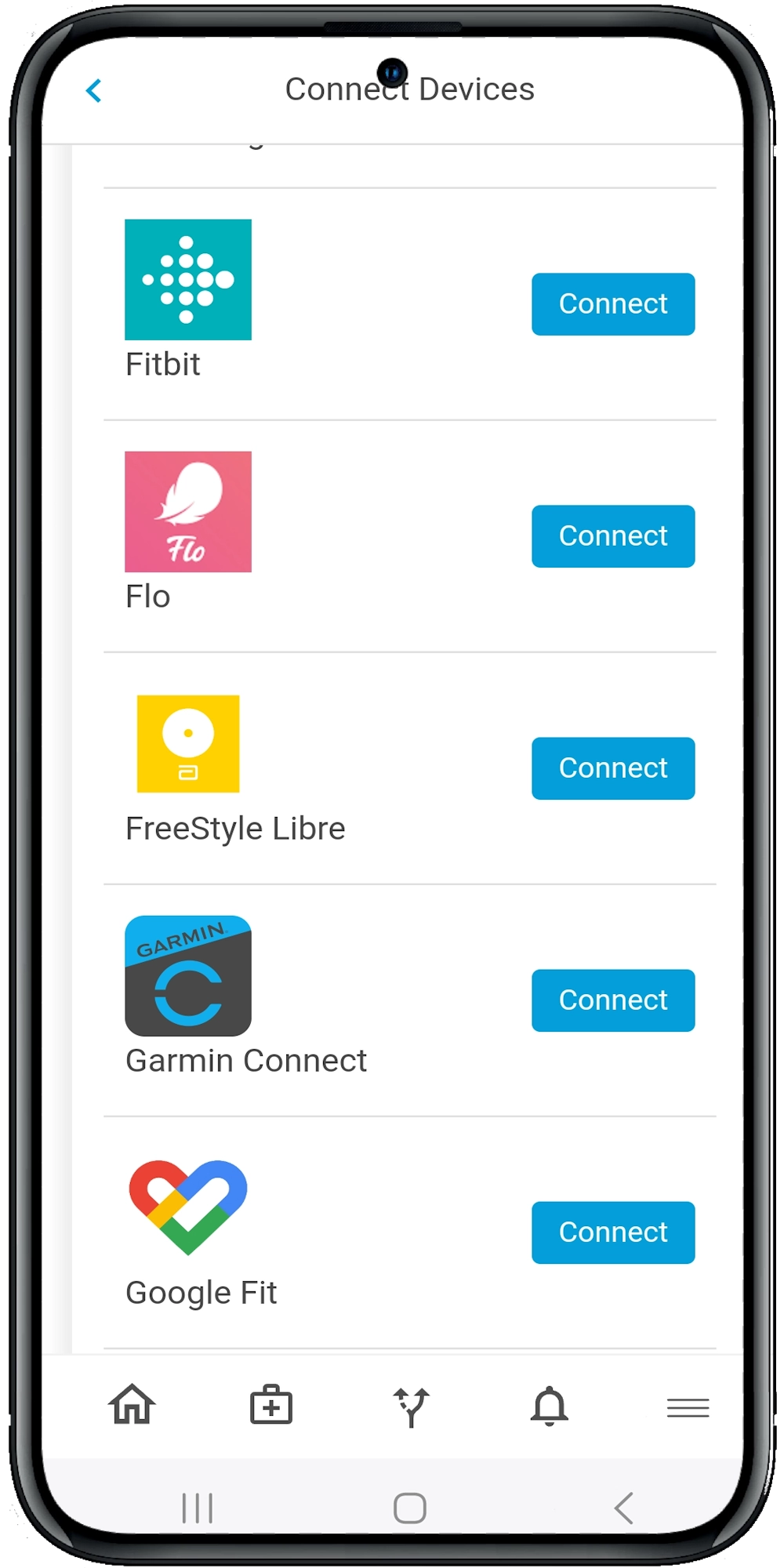
A good PEMR system lets you record your vitals right in the app. Some even connect directly with:
- Glucose monitors
- Smart blood pressure cuffs
- Pulse oximeters
- Fitness trackers
This creates visual trends and graphs that help you and your provider spot changes early — before they become serious problems.
4. Your Care Team Stays Connected
If you see more than one doctor — say a primary care provider, a cardiologist and a mental health therapist — you know how hard it is to keep everyone on the same page.
Personal electronic medical records can act like a shared hub. When you give permission, your providers can:
- View your shared health data
- Coordinate treatment plans
- Avoid prescribing conflicting medications
- See how you’re progressing over time
This reduces duplicate testing, saves time and helps your providers work together as a team.
5. You’re Prepared for Emergencies
If you land in the ER or have to visit an urgent care clinic, time matters. Having immediate access to your health history through a PEMR can:
- Prevent medication errors
- Avoid unnecessary imaging or labs
- Speed up diagnosis and treatment
That’s especially critical if you live with conditions like asthma, diabetes or a heart condition, where a few minutes can make all the difference.
6. You Build Confidence and Take Control
Perhaps the biggest advantage? PEMRs help you become an active participant in your care. You’re no longer just reacting to problems — you’re anticipating them.
You can use the system to:
- Set health goals
- Track progress over time
- Learn from educational tools
- Record how you’re feeling day to day
And when you feel in control, you’re more likely to stay committed to your treatment and wellness goals.
How Calcium’s Platform Brings PEMRs to Life
The Calcium Digital Health Platform was built to solve the problems legacy EHRs can’t. It includes:
The Calcium Super App for Patients
- Combines your health data, wearables and wellness apps in one place
- Tracks vitals, medication, mental health and lifestyle metrics
- Offers daily digital care pathways for chronic conditions
- Lets you share data securely with providers or family
Calcium Core for Providers
- Gives clinicians a full 360° view of your health in real time
- Organizes EHR data, personal tracking and pathway responses
- Flags changes or missed meds for timely intervention
- Supports HIPAA-compliant communication and collaboration
Together, they turn passive records into a dynamic tool for better care.
Real-Life Example: Managing Hypertension and Anxiety
Let’s say you’re a 55-year-old managing high blood pressure and anxiety. You use a connected blood pressure monitor that syncs with your Calcium app. Each day, you log your vitals, complete a quick stress check-in and follow a digital care pathway with guided breathing and nutrition tips.
Meanwhile, your doctor monitors your readings through Calcium Core. They notice a spike in your BP during a stressful week and send you a quick note through the app. You feel seen, supported and in control.
This is what personal electronic medical records should look like — connected, compassionate and patient-driven.
The Wrap
Chronic condition management doesn’t stop at the clinic — it happens every day, in real life, by real people who deserve the tools to succeed. Personal electronic medical records give patients the clarity, control and confidence they need to make smarter decisions and stay ahead of their health. And with platforms like Calcium, that vision is not only possible, it’s here.
Whether you’re tracking blood pressure, managing medications or coordinating with multiple providers, Calcium brings everything together in one secure, user-friendly platform. It’s designed to help patients take charge and help providers deliver more connected, proactive care. Don’t let fragmented data stand in the way of better outcomes.
Reference
- Kalra D. (2006). Electronic health record standards. Yearbook of medical informatics, 136–144. https://pubmed.ncbi.nlm.nih.gov/17051307/
- Ambinder E. P. (2005). A history of the shift toward full computerization of medicine. Journal of oncology practice, 1(2), 54–56. https://doi.org/10.1200/JOP.2005.1.2.54
- Hoerbst, A., & Ammenwerth, E. (2010). Electronic health records. A systematic review on quality requirements. Methods of information in medicine, 49(4), 320–336. https://doi.org/10.3414/ME10-01-0038
- Häyrinen, K., Saranto, K., & Nykänen, P. (2008). Definition, structure, content, use and impacts of electronic health records: A review of the research literature. International Journal of Medical Informatics, 77(5), 291–304. Elsevier Ireland Ltd. Retrieved from https://doi.org/10.1016/j.ijmedinf.2007.09.001
- Safran, C., & Goldberg, H. (2000). Electronic patient records and the impact of the Internet. International Journal of Medical Informatics, 60(1), 77–83. https://doi.org/10.1016/S1386-5056(00)00106-4
- Hassey, A., Gerrett, D., & Wilson, A. (2001). A survey of validity and utility of electronic patient records in a general practice. BMJ, 322(7299), 1401–1405. https://doi.org/10.1136/bmj.322.7299.1401
- Greenhalgh, T., Potts, H. W. W., Wong, G., Bark, P., & Swinglehurst, D. (2009). Tensions and paradoxes in electronic patient record research: A systematic literature review using the meta-narrative method. The Milbank Quarterly, 87(4), 729–788. https://doi.org/10.1111/j.1468-0009.2009.00578.x