Türkiye’de bahis severler için en çok tercih edilen bettilt giriş adreslerden biri olmaya devam ediyor.
Curacao lisanslı platformlar arasında güvenilirlik açısından üst sıralarda bahsegel giriş yer alan, uluslararası denetimlerden başarıyla geçmiştir.
Kazançlı bahis deneyimi arayan herkes için bettilt doğru seçimdir.
Rulet masalarında en çok tercih edilen bahis türleri arasında kırmızı/siyah ve tek/çift seçenekleri yer alır; pinco giriş bu türleri destekler.
Basketbol tutkunları için en iyi kupon fırsatları bettilt sayfasında yer alıyor.
Turning Everyday Health Data Into Actionable Insights for Better Outcomes
Care plans are only as effective as a patient’s willingness—and ability—to follow them. Yet in today’s fast-paced, fragmented healthcare landscape, even the most motivated patients struggle to stay on track. Between complex instructions, limited face-to-face time with providers and a sea of disconnected apps and devices, it’s no wonder adherence rates remain stubbornly low.
But what if we could bridge that gap using the very data patients generate every day—on their phones, in their journals, through wearables and health apps? This isn’t just a nice idea—it’s a game-changing shift in how we approach healthcare.
Patient engagement data is redefining the relationship between care teams and the people they serve. In this post, we’ll explore why this type of data holds the key to better outcomes, greater accountability and stronger provider-patient partnerships—and how platforms like Calcium are leading the way.
What Exactly Is Patient Engagement Data?
Think of patient engagement data as the heartbeat of modern, patient-centered care. It’s the rich, real-world information generated by patients as they interact with their care plan—whether through a mobile app, wearable device or digital care pathway. Unlike traditional clinical data, which is collected during appointments or hospital visits, this kind of data is captured in between the visits, in the rhythms of everyday life.
This includes:
- Daily health check-ins via a mobile app
- Step counts and sleep cycles from a smartwatch
- Blood sugar readings from a home glucometer
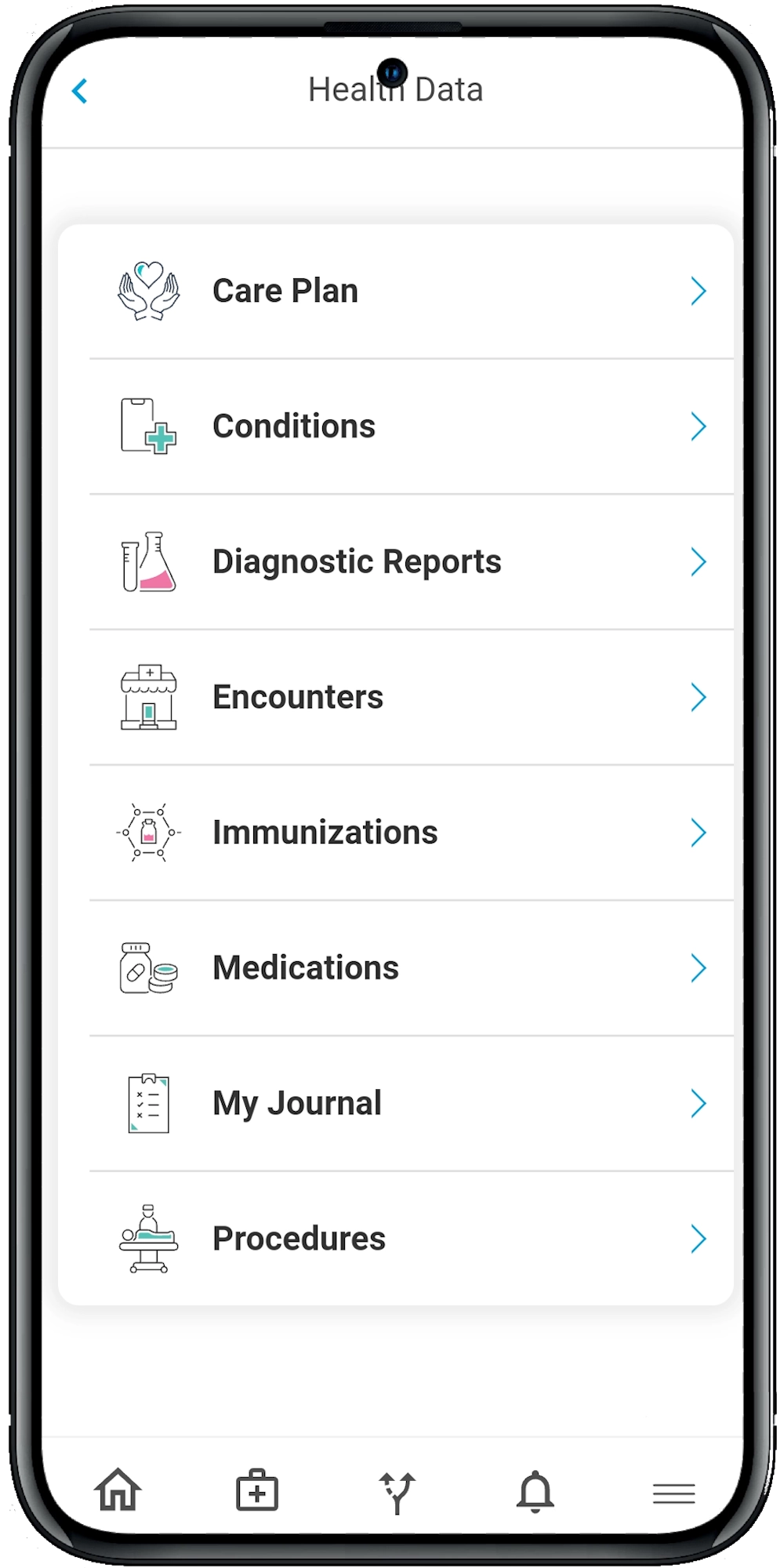
- Medication tracking and symptom journaling
- Responses to personalized care pathways
The more we capture this kind of data, the clearer the full picture becomes—not just what care was recommended, but how it’s actually unfolding outside the clinic.
The Missing Link: Why Care Plan Adherence Still Struggles
Let’s be honest: getting patients to stick with their care plans can feel like herding cats. Even the most well-designed care plans fall short if patients don’t stay engaged. Why? Because most traditional health systems don’t have the tools to support patients once they walk out the clinic door.
Research shows that adherence drops dramatically when:
- There’s no accountability mechanism in place
- Patients don’t understand the “why” behind their instructions
- Providers can’t see how patients are progressing in real time
We’ve also learned that electronic health records (EHRs)—which were supposed to fix all this—aren’t designed for engagement. A review by Kalra found that EHRs lack interoperability and often lose context when data moves between systems. Ambinder showed how poor interface design in oncology practices made it harder, not easier, for physicians to track complex treatment plans. The takeaway? EHRs are often just digital filing cabinets—not the real-time, interactive health companions patients and providers actually need.
How Engagement Data Directly Fuels Adherence
So how exactly does patient engagement data help people stick to their care plans? It boils down to visibility, personalization and connection. Let’s break it down:
1. It Makes Progress Visible
When patients track their health daily—whether it’s blood pressure readings, weight loss or mood—it gives them a tangible sense of progress. It’s like watching the fuel gauge in your car instead of guessing how far you can go on a tank.
2. It Encourages Accountability
If you know your provider can see whether you’re logging your medication or completing your physical therapy, you’re more likely to stay on track. It’s not about punishment—it’s about feeling seen, supported and part of a team.
3. It Helps Personalize the Plan
Everyone’s body responds differently. Engagement data lets providers tweak care plans based on how you’re doing in real life. If your blood sugar isn’t improving, they can adjust your pathway. If your back pain gets worse, they can intervene before it leads to another ER visit.
4. It Builds Motivation
Daily prompts, checklists and digital rewards (like progress badges or milestone alerts) help patients stay focused and motivated. Behavioral science tells us that small wins build long-term habits.
5. It Enables Real-Time Intervention
Providers no longer have to wait for a 3-month follow-up to find out something went wrong. Engagement data creates early alerts—allowing healthcare teams to act fast and prevent complications.
Why Current Systems Aren’t Enough
If this kind of data is so powerful, why isn’t everyone using it? The reality is that most healthcare organizations are still relying on outdated systems that weren’t built for the modern digital patient. Even with widespread EHR adoption, the industry faces major obstacles:
- Data fragmentation: Wearables, apps and EHRs don’t always play nicely together
- Poor usability: Many tools are hard to navigate for both patients and providers
- Privacy concerns: Sharing health data securely remains a challenge
- Information overload: Even when data is available, providers lack the tools to make sense of it
A European study reviewed over 1,100 quality criteria for EHRs and found that many fail on core principles—like usability, patient empowerment and real-time functionality. Meanwhile, another cross-study summary highlighted how EHRs are often deployed without considering human behavior, workflows or social dynamics. That’s like handing a pilot a plane with no navigation system.
The Calcium Difference: Turning Data into Action
This is where the Calcium Digital Health Platform shines. Unlike traditional EHR systems, Calcium was built from the ground up to support real-time, two-way engagement between patients and providers.
Let’s look at how Calcium transforms engagement data into better adherence:
Unified Patient-Provider Platform
Calcium combines a Super App for patients and a Core dashboard for providers. Patients track their health, complete daily tasks and follow personalized pathways. Providers, meanwhile, get a 360° view of each patient’s progress—including vitals, app usage, symptom check-ins and alerts.
Seamless Integration with Wearables & Devices
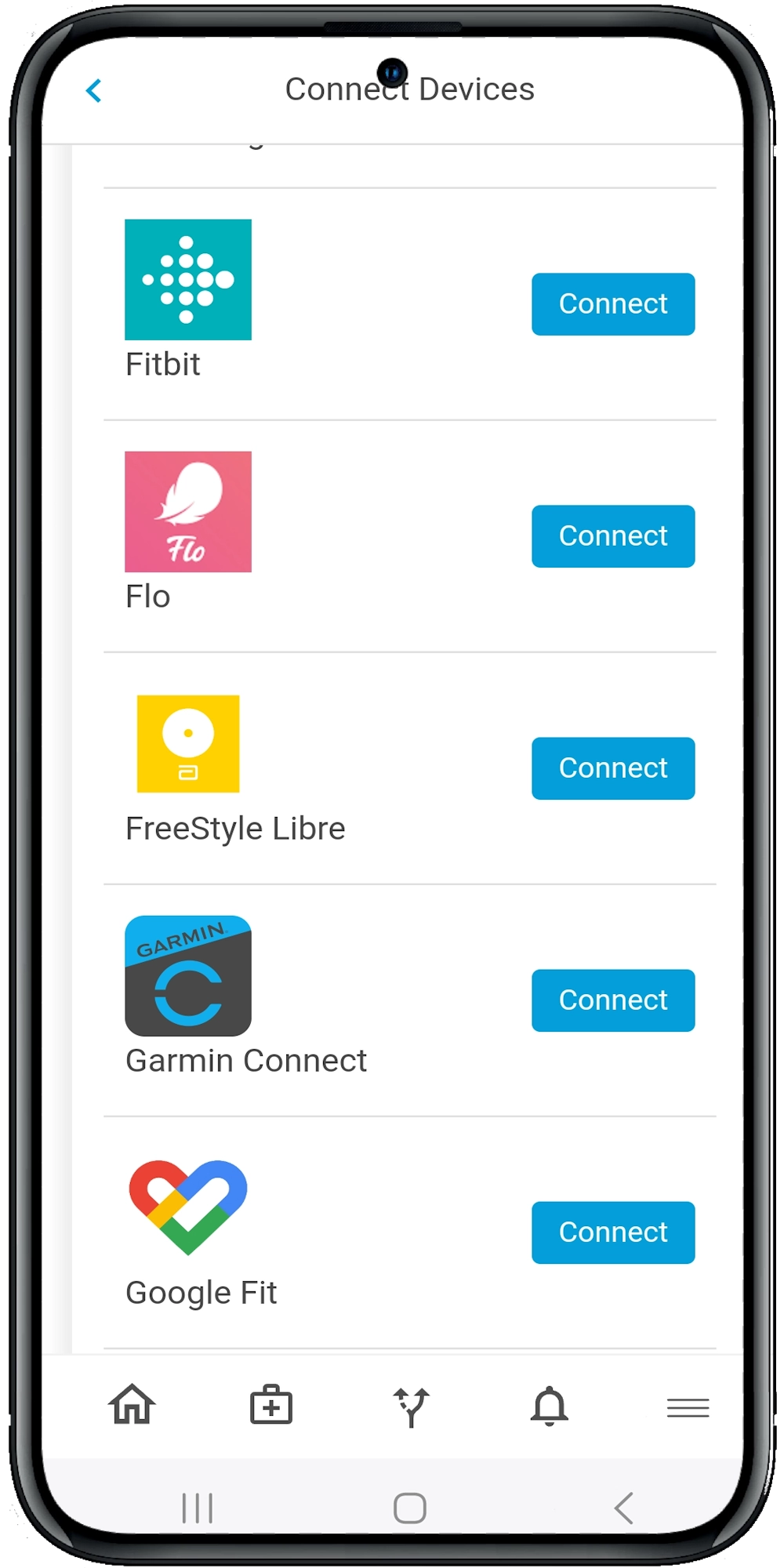
Calcium pulls in health data from Apple Health, Google Fit, Omron, Dexcom, Fitbit and more. Whether it’s blood glucose, sleep data or step counts, it all gets funneled into one place—where it can actually be used.
AI-Powered Digital Pathways
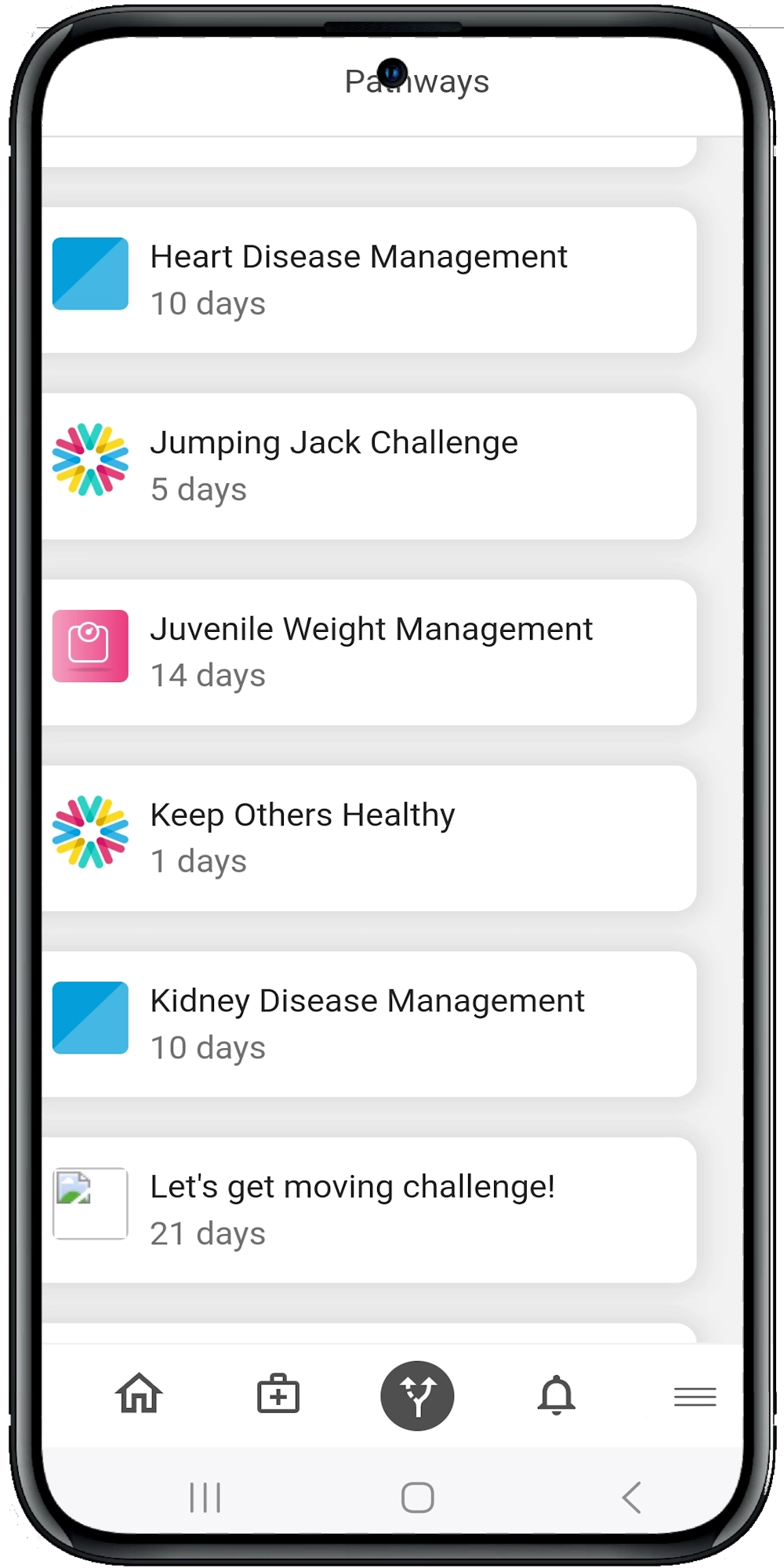
Here’s where it gets smart: Calcium’s AI Studio lets providers build personalized care pathways tailored to specific conditions like diabetes, depression or post-op recovery. These pathways guide patients day by day with checklists, education, journaling prompts and reminders—all while collecting valuable data for providers.
Motivation Through Design
Gamified health goals, badges and daily progress bars help keep users engaged. Calcium pathways are intuitive and designed for real-world use—helping people turn healthy behavior into lasting habits.
Secure Sharing & Family Support
Patients can choose to securely share their progress with loved ones or care teams, making health management a group effort. Parents can monitor a child’s asthma plan. Adult children can keep tabs on elderly parents’ post-surgery recovery.
Real-Life Scenarios Where It Works
To really see the power of engagement data, let’s explore a few examples:
- Diabetes Management. A patient uses the Super App to log meals, medications and glucose levels daily. The provider sees trends in the dashboard and adjusts the insulin plan before problems arise.
- Post-Operative Rehab. After knee surgery, a patient gets a recovery pathway with reminders to do exercises, track pain levels and check in with their care team. Their surgeon reviews the app data and intervenes early when mobility progress stalls.
- Behavioral Health Support. A teen managing anxiety uses a digital mental health pathway with breathing exercises, mood tracking and journaling. The school therapist sees journal entries and mood trends, adjusting therapy sessions accordingly.
These aren’t just hypotheticals. They reflect how platforms like Calcium can support the kind of care coordination, personalization and accountability that traditional systems miss.
Bridging the Data-Adherence Gap
At its core, patient engagement data is the fuel for a more connected, responsive and effective healthcare experience. But it only works when the right platform is in place—one that respects clinical workflows, empowers patients and bridges the gap between daily life and long-term outcomes.
When engagement data flows seamlessly, care plans become living, breathing roadmaps—not dusty instruction sheets. And that’s when patients really start following the path toward better health.
The Wrap
When patients are empowered to track, share and understand their own health data, something powerful happens: care plans stop feeling like to-do lists and start becoming personalized roadmaps to better health.
By harnessing real-time patient engagement data, providers gain the insights they need to offer more proactive, tailored support—and patients gain the confidence to stay the course. It’s a win-win that benefits everyone, from primary care clinics to hospital systems to individuals managing chronic conditions. If you’re ready to move beyond static records and reactive care, the Calcium digital health platform is your next step. Whether you’re a healthcare provider seeking better tools or a patient wanting more control, Calcium offers a smarter, more connected way to manage health journeys.
Reference
-
- Kalra D. (2006). Electronic health record standards. Yearbook of medical informatics, 136–144. https://pubmed.ncbi.nlm.nih.gov/17051307/
- Ambinder E. P. (2005). A history of the shift toward full computerization of medicine. Journal of oncology practice, 1(2), 54–56. https://doi.org/10.1200/JOP.2005.1.2.54
- Hoerbst, A., & Ammenwerth, E. (2010). Electronic health records. A systematic review on quality requirements. Methods of information in medicine, 49(4), 320–336. https://doi.org/10.3414/ME10-01-0038
- Häyrinen, K., Saranto, K., & Nykänen, P. (2008). Definition, structure, content, use and impacts of electronic health records: A review of the research literature. International Journal of Medical Informatics, 77(5), 291–304. Elsevier Ireland Ltd. Retrieved from https://doi.org/10.1016/j.ijmedinf.2007.09.001
- Safran, C., & Goldberg, H. (2000). Electronic patient records and the impact of the Internet. International Journal of Medical Informatics, 60(1), 77–83. https://doi.org/10.1016/S1386-5056(00)00106-4
- Hassey, A., Gerrett, D., & Wilson, A. (2001). A survey of validity and utility of electronic patient records in a general practice. BMJ, 322(7299), 1401–1405. https://doi.org/10.1136/bmj.322.7299.1401
- Greenhalgh, T., Potts, H. W. W., Wong, G., Bark, P., & Swinglehurst, D. (2009). Tensions and paradoxes in electronic patient record research: A systematic literature review using the meta-narrative method. The Milbank Quarterly, 87(4), 729–788. https://doi.org/10.1111/j.1468-0009.2009.00578.x