Türkiye’de bahis severler için en çok tercih edilen bettilt giriş adreslerden biri olmaya devam ediyor.
Curacao lisanslı platformlar arasında güvenilirlik açısından üst sıralarda bahsegel giriş yer alan, uluslararası denetimlerden başarıyla geçmiştir.
Kazançlı bahis deneyimi arayan herkes için bettilt doğru seçimdir.
Rulet masalarında en çok tercih edilen bahis türleri arasında kırmızı/siyah ve tek/çift seçenekleri yer alır; pinco giriş bu türleri destekler.
Basketbol tutkunları için en iyi kupon fırsatları bettilt sayfasında yer alıyor.
Why Smarter Technology Is the Key to Building Stronger Patient Relationships
We talk a lot about putting patients at the center of care—but what does that actually look like when most clinical decisions still revolve around rigid software systems? In a healthcare world increasingly shaped by technology, the tools we use can either bring us closer to our patients or push them further away.
Electronic health records (EHRs) were meant to revolutionize how we deliver care, yet many providers and patients feel more disconnected than ever. The good news? That’s starting to change. A new wave of EHR-connected platforms is emerging—tools built not just for data entry, but for real human engagement. If we want to create a future where care is collaborative, personalized, and proactive, we need to take a closer look at how technology can finally serve the patient—not the other way around.
What Is Patient-Centered Care, Really?
You’ve probably heard the term “patient-centered care” more times than you can count. But what does it actually mean in practice? At its core, it’s a model of care that prioritizes the patient’s experience, preferences, and active participation in their own health journey. It’s about more than treating symptoms — it’s about treating people as partners.
A truly patient-centered system aims to:
- Respect the patient’s values and cultural preferences
- Provide timely, transparent access to information
- Support coordinated care across providers
- Involve families and caregivers where appropriate
- Empower the patient to set goals and be part of decision-making
Simple in theory. Complicated in practice.
The Disconnect Between EHRs and Patient-Centered Care
If EHRs were supposed to help deliver all this, what went wrong?
Most electronic health record systems were built with billing and compliance in mind — not human connection. They were designed to streamline documentation and reduce errors, which is great. But many of them unintentionally put a screen between doctors and patients — literally and figuratively.
Here’s what often happens:
- Clinicians spend more time clicking boxes than connecting with people
- Health records are trapped inside one system, inaccessible to patients or outside providers
- Patients can’t contribute their own data or easily view their full health story
- Real-time feedback loops between patients and care teams are nonexistent
One research summary put it best: EHRs are not one-size-fits-all. Their success depends heavily on local workflows, user training, and human judgment. Without the right design and context, even the best technology can become a burden instead of a benefit.
Key Challenges at the Intersection of EHR and Patient-Centered Care
Before we dive into how things are changing, let’s look at the roadblocks that have held us back.
Here are seven common barriers healthcare organizations face:
- EHRs prioritize documentation, not interaction. They’re often optimized for insurance claims, not patient engagement.
- Data silos slow down care. Records don’t travel well between hospitals, clinics, or specialists — creating fragmented care.
- Limited patient access to their own data. Patient portals are often clunky, confusing, or offer minimal value.
- No real-time engagement tools. There’s little space for patients to track symptoms, log data, or communicate between visits.
- Shared decision-making is poorly supported. EHRs don’t typically present data in a way that patients can understand or act on.
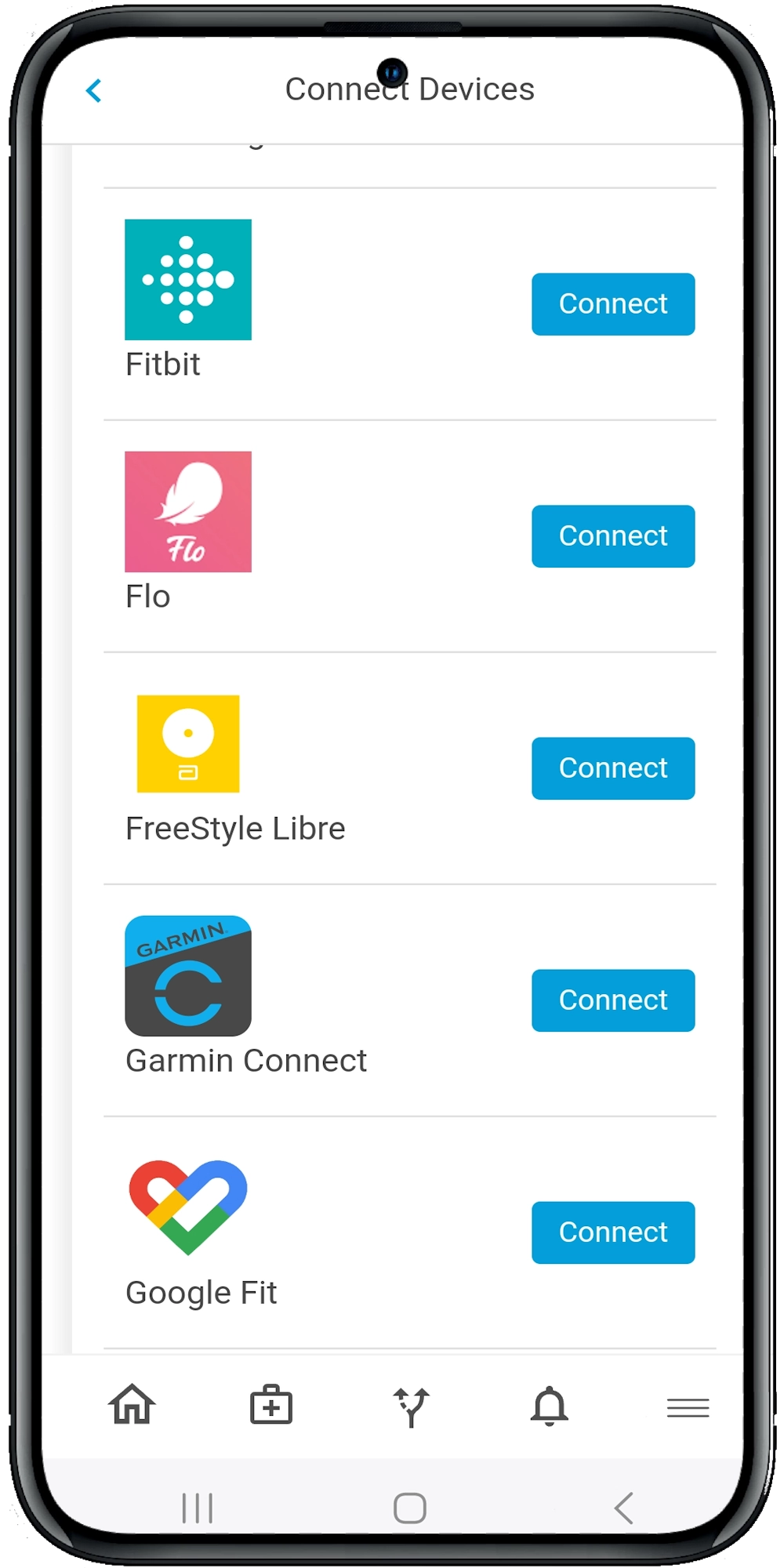
- Lack of integration with wearable tech and health apps. Everyday health data — like heart rate, steps, or blood sugar — rarely makes it into the clinical picture.
- Provider burnout from screen fatigue. When clinicians are stuck typing into a system all day, their ability to engage meaningfully suffers.
These challenges have made it hard for EHRs to deliver on the full vision of personalized, participatory healthcare.
The Next Generation: How Modern EHR Platforms Are Flipping the Script
The good news? A new generation of EHR-adjacent platforms is emerging — and they’re designed with patients (and providers) in mind.
Instead of focusing only on what happens inside the clinic, these platforms support care across the continuum. They bring in real-time data from wearables, allow patients to track their own progress, and create shared dashboards where providers and patients can actually collaborate.
These platforms are reshaping the game by offering features like:
- Bi-directional data flow. Patients can upload, view, and share their own health data
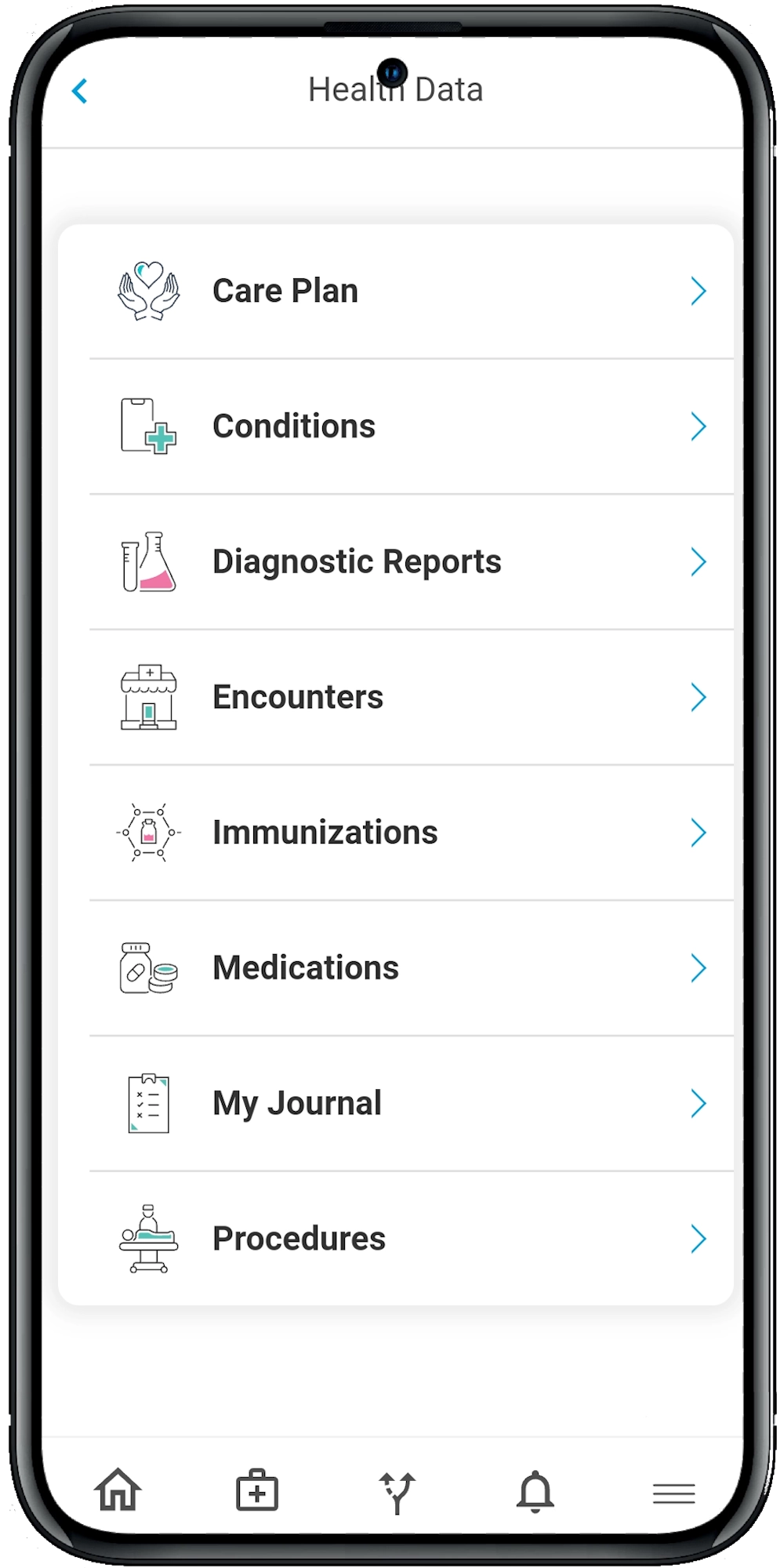
- Personal health tracking tools. Integrated vitals, medication reminders, symptom journals
- Shared care plans. Interactive to-do lists, education content, and wellness tasks
- Secure communication channels. HIPAA-compliant chat and alert systems
- Analytics dashboards. For providers to identify at-risk patients before crises occur
Instead of just being a digital filing cabinet, the modern EHR platform becomes a living, breathing care companion.
Real-World Example: How Calcium Is Enabling Patient-Centered Care at Scale
Let’s zoom in on one such platform that’s making this vision a reality: the Calcium Digital Health Platform.
Calcium is more than an EHR. It’s a comprehensive digital health ecosystem that connects patients, providers, and data across every step of the care journey. It bridges the traditional gaps between health systems, real-world behavior, and personal health goals.
Here’s how Calcium stands out:
- 360° Health Data Integration. Calcium Core pulls data from over 95% of U.S. health systems and combines it with patient-generated inputs from wearables, apps, and medical devices — creating a unified view of each person’s health story.
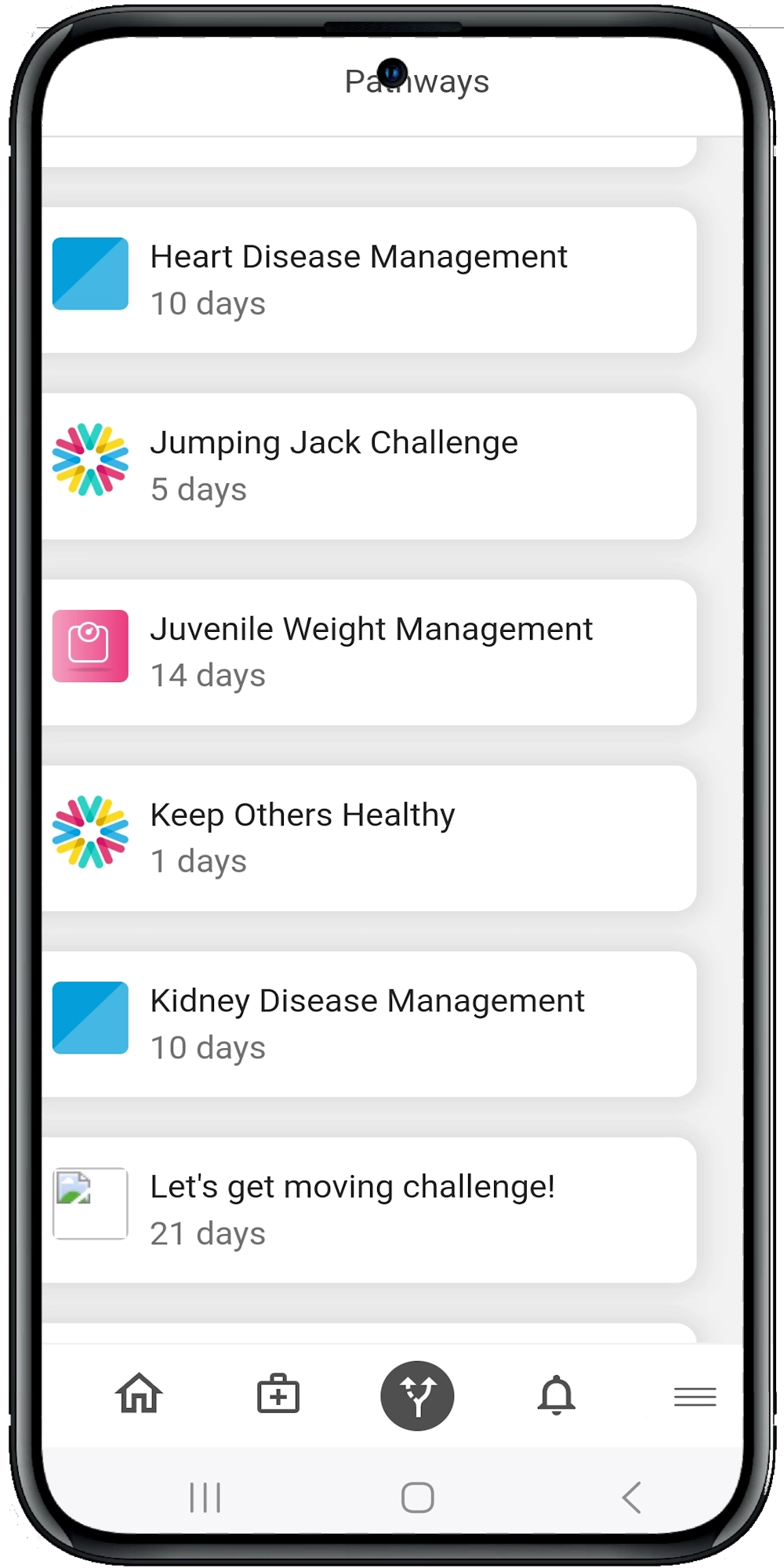
- Personalized Digital Pathways. Through the Super App, patients can follow interactive care plans (called Pathways) that offer daily reminders, tasks, journaling prompts, and feedback. These aren’t static PDFs — they’re dynamic, customizable programs that evolve with the user.
- Real-Time Monitoring and Alerts. Providers get real-time visibility into their patients’ progress, including vitals, symptom logs, and missed tasks. They can intervene before problems escalate, which is key for preventive care and chronic condition management.
- Secure Sharing with Care Circles. Patients can choose to share their data with family members, therapists, or coaches — creating a true team-based model of care. It’s patient empowerment, built into the design.
- Designed for Simplicity. Both patients and providers benefit from clean, intuitive design and mobile-first features that make engagement easy, not burdensome.
With this kind of infrastructure, patient-centered care isn’t just a buzzword — it’s the default.
Real-Life Impact: Where Patient-Centered Tech Makes the Difference
Let’s look at how this plays out in everyday care:
- Chronic Condition Management. A patient with hypertension logs their daily BP, receives reminders to take meds, and reviews weekly trends — all visible to their provider.
- Mental Health Journeys. A teen tracks mood and sleep in a digital pathway, while their therapist adjusts strategies remotely based on journal entries.
- Post-Surgical Recovery. A knee surgery patient follows a digital rehab plan with video exercises, pain tracking, and check-ins. Surgeons monitor progress without waiting for the next appointment.
Each of these use cases illustrates a shift from episodic, reactive care to continuous, collaborative support.
EHRs Must Evolve — Or Be Replaced by Platforms That Do
EHR systems have come a long way. But they won’t deliver truly patient-centered care until they:
- Empower patients to engage daily with their health
- Support real-time insights for providers
- Foster collaboration across care teams
- Integrate with the digital tools people already use
Platforms like Calcium are showing us what’s possible. They don’t just store health data — they activate it.
The Wrap
Patient-centered care isn’t just an ideal—it’s a necessity in a healthcare system that’s shifting toward outcomes, personalization, and equity. But to truly put patients first, we need tools that reflect their real lives, not just their lab results.
That’s where next-generation platforms like Calcium come in. By combining seamless EHR integration with real-time patient data, personalized care pathways, and intuitive user experiences, Calcium is proving that patient-centered care is not only possible—it’s scalable.
Whether you’re a provider looking to engage your patients more effectively, or a patient ready to take ownership of your health journey, the Calcium platform offers the tools to make it happen.
Reference
- Kalra D. (2006). Electronic health record standards. Yearbook of medical informatics, 136–144. https://pubmed.ncbi.nlm.nih.gov/17051307/
- Ambinder E. P. (2005). A history of the shift toward full computerization of medicine. Journal of oncology practice, 1(2), 54–56. https://doi.org/10.1200/JOP.2005.1.2.54
- Hoerbst, A., & Ammenwerth, E. (2010). Electronic health records. A systematic review on quality requirements. Methods of information in medicine, 49(4), 320–336. https://doi.org/10.3414/ME10-01-0038
- Häyrinen, K., Saranto, K., & Nykänen, P. (2008). Definition, structure, content, use and impacts of electronic health records: A review of the research literature. International Journal of Medical Informatics, 77(5), 291–304. Elsevier Ireland Ltd. Retrieved from https://doi.org/10.1016/j.ijmedinf.2007.09.001
- Safran, C., & Goldberg, H. (2000). Electronic patient records and the impact of the Internet. International Journal of Medical Informatics, 60(1), 77–83. https://doi.org/10.1016/S1386-5056(00)00106-4