Türkiye’de bahis severler için en çok tercih edilen bettilt giriş adreslerden biri olmaya devam ediyor.
Curacao lisanslı platformlar arasında güvenilirlik açısından üst sıralarda bahsegel giriş yer alan, uluslararası denetimlerden başarıyla geçmiştir.
Kazançlı bahis deneyimi arayan herkes için bettilt doğru seçimdir.
Rulet masalarında en çok tercih edilen bahis türleri arasında kırmızı/siyah ve tek/çift seçenekleri yer alır; pinco giriş bu türleri destekler.
Basketbol tutkunları için en iyi kupon fırsatları bettilt sayfasında yer alıyor.
Bridging the Gap Between Surgical Plans and Patient Follow-Through
One missed pill. One skipped instruction. That’s all it takes to cancel a surgery.
Every day, ambulatory surgery centers face last-minute disruptions—not because of medical complications, but because patients didn’t follow pre-op or post-op instructions. These seemingly small lapses can trigger big consequences. wasted OR time, delayed recoveries, and frustrated patients. In today’s fast-moving healthcare landscape, where every minute counts and every outcome matters, improving patient compliance isn’t optional—it’s essential.
The good news? We don’t need more paperwork. We need better tools.
Digital health technology is transforming the way ASCs guide, support, and communicate with patients—and it’s closing the compliance gap in ways that old systems simply can’t. If you’re ready to improve efficiency, outcomes, and patient satisfaction, this is where it starts.
The Hidden Compliance Gap in Surgery Centers
Let’s face it—getting patients to follow instructions in ambulatory surgery centers (ASCs) is a lot harder than handing them a checklist and hoping for the best. Patients aren’t ignoring instructions on purpose. Often, they’re overwhelmed, confused, or just forget. In fast-paced ASC settings where face-to-face time is limited, these gaps can lead to big problems—missed pre-op prep, surgical cancellations, post-op complications, even costly readmissions.
So what causes these compliance breakdowns? Here are a few of the most common culprits.
- Low health literacy. Many patients struggle to fully understand medical instructions, especially when packed with jargon.
- Poor communication. Relying on paper packets or rushed verbal briefings doesn’t cut it in 2025.
- Anxiety and fear. Nervous patients may block out crucial details or hesitate to ask for help.
- Forgetfulness. Without timely reminders, even well-meaning patients miss key tasks like fasting or picking up prescriptions.
And when things slip through the cracks, the consequences can be serious. canceled procedures, longer recoveries, or avoidable complications. That’s why ASCs need a better way to guide patients—one that works with their lives, not against them.
What Digital Tools Bring to the Table
Digital health tools are changing the game for patient compliance. We’re talking about mobile apps, automated reminders, patient portals, and smart platforms that put clear, personalised guidance in the palm of a patient’s hand.
Let’s look at the most powerful digital features and how they boost compliance across the surgical journey.
1. Mobile Apps and Smart Patient Portals
Today’s leading digital platforms deliver tailored instructions in a format that’s interactive, easy to access, and hard to ignore. These apps walk patients through each phase of care—pre-op prep, hospital stay, and recovery at home—while tracking their progress.
For example, in a neurosurgical setting, the TrackMyRecovery app helped 54 out of 56 patients fully comply with their pre- and post-op instructions. It also eliminated surgery cancellations and kept readmissions at zero. That’s not just impressive—it’s a wake-up call.
2. Automated Reminders That Nudge, Not Nag
Let’s be honest—everyone needs a reminder now and then. Digital tools can send push notifications, SMS, or email reminders for.
- Fasting times
- Medication changes
- Pre-op labs or imaging
- Transportation coordination
- Post-op wound care and medication schedules
These reminders are like a personal assistant in your patient’s pocket, keeping them on track without overwhelming them. And because reminders are based on individual surgery types and timelines, they feel relevant—not generic.
3. Two-Way Messaging for Real-Time Support
Communication shouldn’t end when the patient leaves the building. Smart platforms allow two-way messaging so patients can send updates, like pain scores or wound photos, and get feedback without calling the office or rushing to urgent care.
One woman in the neurosurgery study used the app to send pictures of a rash near her surgical site. Her care team reviewed the images, reassured her it was a minor reaction, and avoided an unnecessary ER visit. That kind of connection builds trust, calms nerves, and prevents problems from escalating.
4. Patient-Reported Outcomes and Recovery Monitoring
Digital platforms can track things like…
- Pain scores
- Anxiety levels
- Walking progress
- Sleep quality
- Medication adherence
This data gives providers a real-time look at how recovery is going. In a lung cancer surgery program, one platform helped track daily pain and mobility, reducing patient anxiety and preventing unplanned calls or visits in over 40% of cases.
It’s like having a virtual nurse checking in every day, helping patients stay accountable—and giving providers early warning when something’s off.
5. Easy-to-Digest Education Modules
You wouldn’t throw someone into a game without explaining the rules first, right? Digital tools give patients on-demand access to clear, visual education tailored to their surgery. These often include:
- Short videos
- Interactive checklists
- FAQs written in plain English
- Visual instructions for dressing changes or exercises
In one Canadian study on colorectal and gynaecological surgeries, patients using the ERAS app reported better understanding of what to expect and felt more confident managing their recovery. Many said it reduced their anxiety and kept them out of the clinic unless necessary.
Behavioural Science Behind Digital Engagement
It’s not just about tech. It’s about how that tech taps into human psychology.
Behavioural health principles show that people are more likely to follow through when they feel empowered, reminded, and supported. Here’s how digital tools do just that.
- Reminders act as nudges to help patients make the right choice at the right time.
- Self-monitoring tools increase accountability and give patients a sense of control.
- Visual tracking (like progress bars or daily streaks) boosts motivation.
- Tailored content speaks to a patient’s age, literacy level, and health status.
The result? Better compliance without adding pressure—and better outcomes without extra staff workload.
Value-Based Care. Where Compliance Meets ROI
Under value-based care models, ASCs are under pressure to deliver great outcomes, reduce readmissions, and keep patient satisfaction high. Compliance plays a huge role in hitting those targets.
Digital tools help ASCs.
- Avoid penalties from cancelled surgeries or readmissions
- Shorten recovery times through better adherence to enhanced recovery protocols
- Streamline workflows by reducing unnecessary calls, visits, and paper use
- Capture quality data for CMS reporting and accreditation
In short, better compliance means better care—and better margins.
Where Calcium Digital Health Fits In
Patient compliance isn’t just about responsibility—it’s about access, support, and the right tools at the right time. As surgery centers strive to deliver faster, safer, and more personalised care, digital health is no longer a luxury.
It’s a strategic advantage. From reducing cancellations to improving recovery and cutting down on avoidable readmissions, the impact of smart, connected tools is clear. Platforms like Calcium are leading the way, giving ASCs a powerful, patient-centered solution to manage every step of the surgical journey—from prep to full recovery.
Calcium’s digital health platform was built to solve exactly these challenges. It’s more than just an app—it’s a smart, connected ecosystem that supports patients before, during, and after their surgery. Here’s what makes Calcium stand out.
- Pre-op task automation with reminders, secure messaging, and symptom check-ins
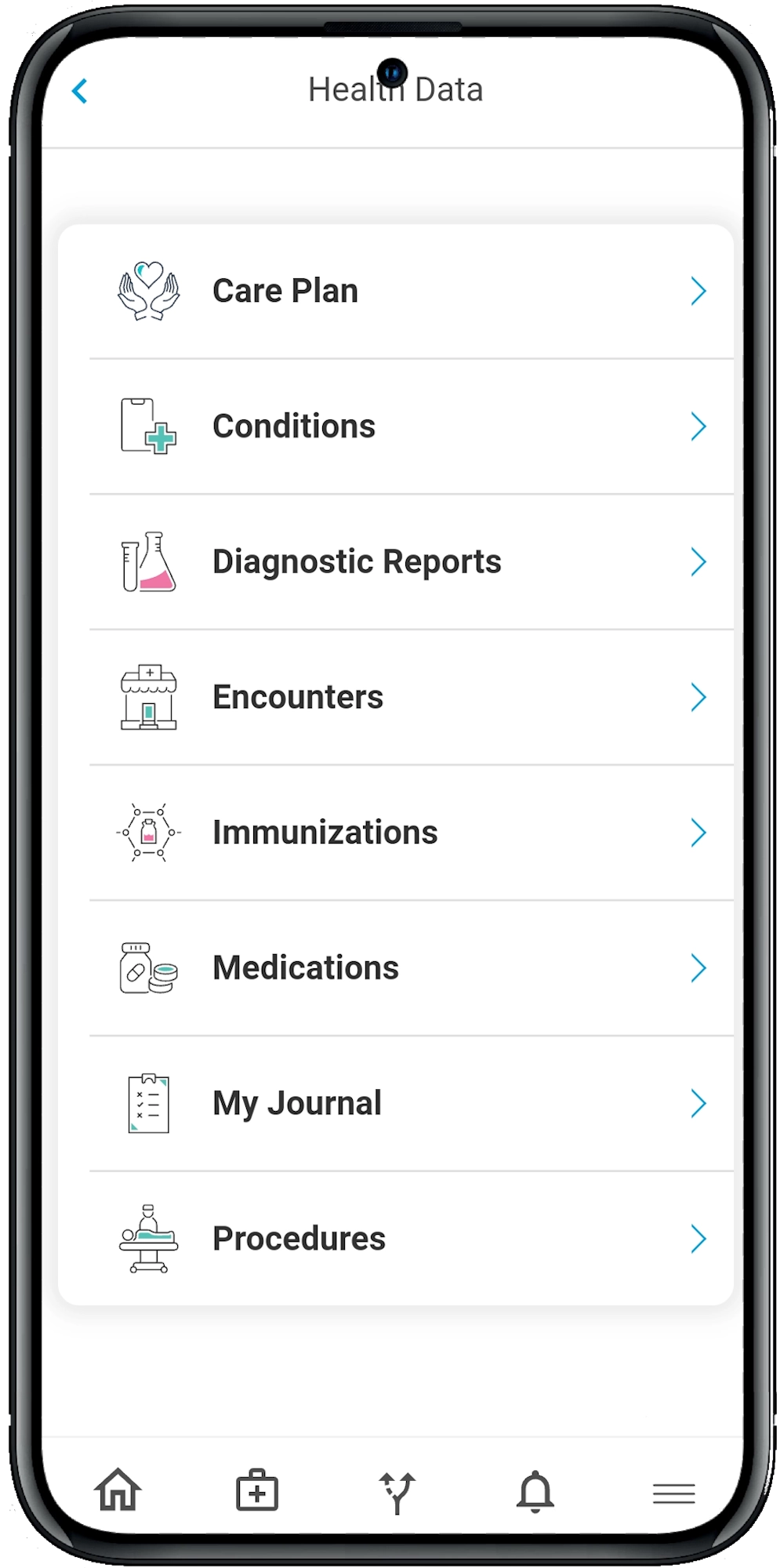
- Post-op monitoring that tracks pain, mood, movement, and healing progress
- Two-way communication so patients never feel lost or alone in recovery
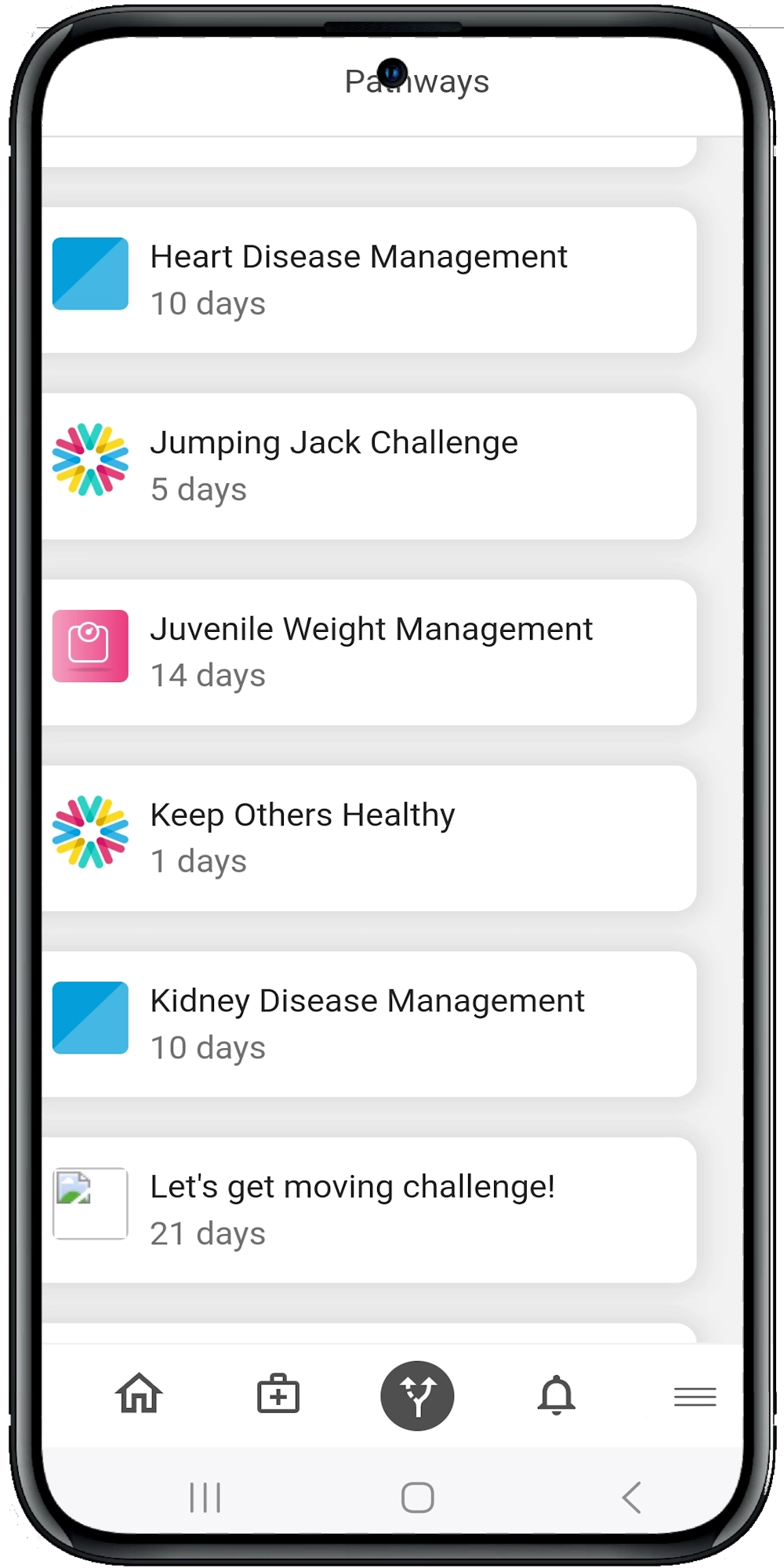
- Custom pathways based on procedure type, provider preferences, and patient risk
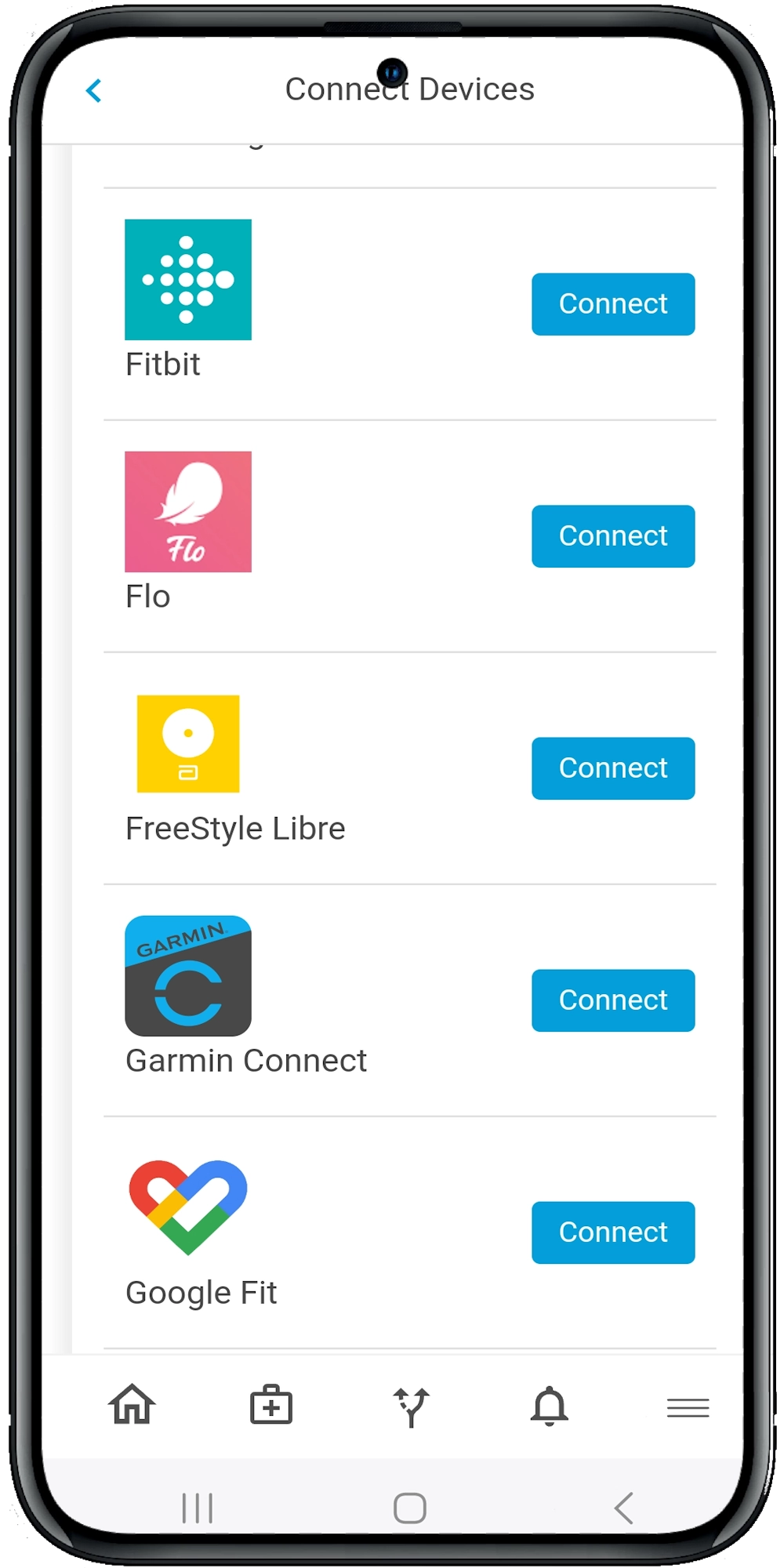
And because Calcium integrates seamlessly with ASC systems and EHRs, it doesn’t add tech headaches—it solves them.
If you’re ready to turn compliance from a challenge into a strength, now is the time to take action. Explore how Calcium’s digital platform can help your ASC improve efficiency, boost outcomes, and enhance the patient experience—without adding to your team’s workload.
Reference
- Felbaum, D. R., Stewart, J. J., Anaizi, A. N., Sandhu, F. A., Nair, M. N., & Voyadzis, J.-M. (2017). Implementation and Evaluation of a Smartphone Application for the Perioperative Care of Neurosurgery Patients at an Academic Medical Center. Implications for Patient Satisfaction, Surgery Cancelations, and Readmissions. Operative Neurosurgery, 14(3), 303–311. https.//doi.org/10.1093/ons/opx112
- Heudel, P. E., Ichou, M. A., Favier, B., Crochet, H., & Blay, J.-Y. (2024). Can Digital Health Improve Therapeutic Compliance in Oncology? JCO Clinical Cancer Informatics, 8. https.//doi.org/10.1200/cci-24-00205
- Sanjay Beesoon, Drobot, A., Smokeyday, M., Ali, A.-B., Collins, Z., Reynolds, C., Berzins, S., Gibson, A., & Nelson, G. (2023). Patient and Provider Experiences With a Digital App to Improve Compliance With Enhanced Recovery After Surgery (ERAS) Protocols. Mixed Methods Evaluation of a Canadian Experience. JMIR Formative Research, 7, e49277–e49277. https.//doi.org/10.2196/49277
- Kneuertz, P. J., Jagadesh, N., Perkins, A., Fitzgerald, M., Moffatt-Bruce, S. D., Merritt, R. E., & D’Souza, D. M. (2020). Improving patient engagement, adherence, and satisfaction in lung cancer surgery with implementation of a mobile device platform for patient reported outcomes. Journal of Thoracic Disease, 12(11), 6883–6891. https.//doi.org/10.21037/jtd.2020.01.23
- Gordon, C. R., Rezzadeh, K. S., Li, A., Vardanian, A., Zelken, J., Shores, J. T., Sacks, J. M., Segovia, A. L., & Jarrahy, R. (2015). Digital mobile technology facilitates HIPAA-sensitive perioperative messaging, improves physician-patient communication, and streamlines patient care. Patient Safety in Surgery, 9(1). https.//doi.org/10.1186/s13037-015-0070-9
- Robinson, J. R., Huth, H., & Jackson, G. P. (2016). Review of information technology for surgical patient care. Journal of Surgical Research, 203(1), 121–139. https.//doi.org/10.1016/j.jss.2016.03.053