Türkiye’de bahis severler için en çok tercih edilen bettilt giriş adreslerden biri olmaya devam ediyor.
Curacao lisanslı platformlar arasında güvenilirlik açısından üst sıralarda bahsegel giriş yer alan, uluslararası denetimlerden başarıyla geçmiştir.
Kazançlı bahis deneyimi arayan herkes için bettilt doğru seçimdir.
Rulet masalarında en çok tercih edilen bahis türleri arasında kırmızı/siyah ve tek/çift seçenekleri yer alır; pinco giriş bu türleri destekler.
Basketbol tutkunları için en iyi kupon fırsatları bettilt sayfasında yer alıyor.
The Role of Technology in Advancing Value-Based Care
Healthcare is evolving fast, and so are the expectations placed on providers. Gone are the days when volume alone defined success. Today, value-based care (VBC) is reshaping the landscape—rewarding outcomes, coordination and patient experience over quantity of services.
But this shift brings its own set of challenges, especially for providers trying to keep pace while juggling limited time, tools and teams. How do you deliver personalized care, track real-time progress and meet quality benchmarks without drowning in manual work? The answer isn’t more paperwork or added staff—it’s smarter systems.
Digital health tools are becoming the backbone of modern care, helping teams streamline workflows, stay connected with patients and unlock meaningful insights from every interaction. If you’re wondering how to bring this kind of clarity and efficiency into your own practice, you’re not alone.
Step 1: Identify and Stratify Patient Populations with Data
In value-based care, knowing who to help—and when—is half the battle. That’s where digital tools step in to turn guesswork into strategy.
With predictive analytics and real-time data integration, modern platforms help providers identify high-risk, rising-risk and under-engaged patients. These systems don’t just pull diagnosis codes—they factor in social determinants, medication adherence, recent utilization and even behavioral health trends.
For example, if a patient with diabetes and mild depression starts missing appointments and logging abnormal blood sugar, an intelligent platform like Calcium flags them for proactive outreach. That’s population health in action—before the patient lands in the ER.
Stratification backed by real-time insight empowers care teams to prioritize resources where they’ll have the greatest impact. It’s not about doing more. It’s about doing what matters—first.
Step 2: Deliver Personalized, Dynamic Care Plans
Traditional care plans often feel like printouts—static, generic, and easily forgotten. But value-based care demands more than that. It requires personalization at scale.
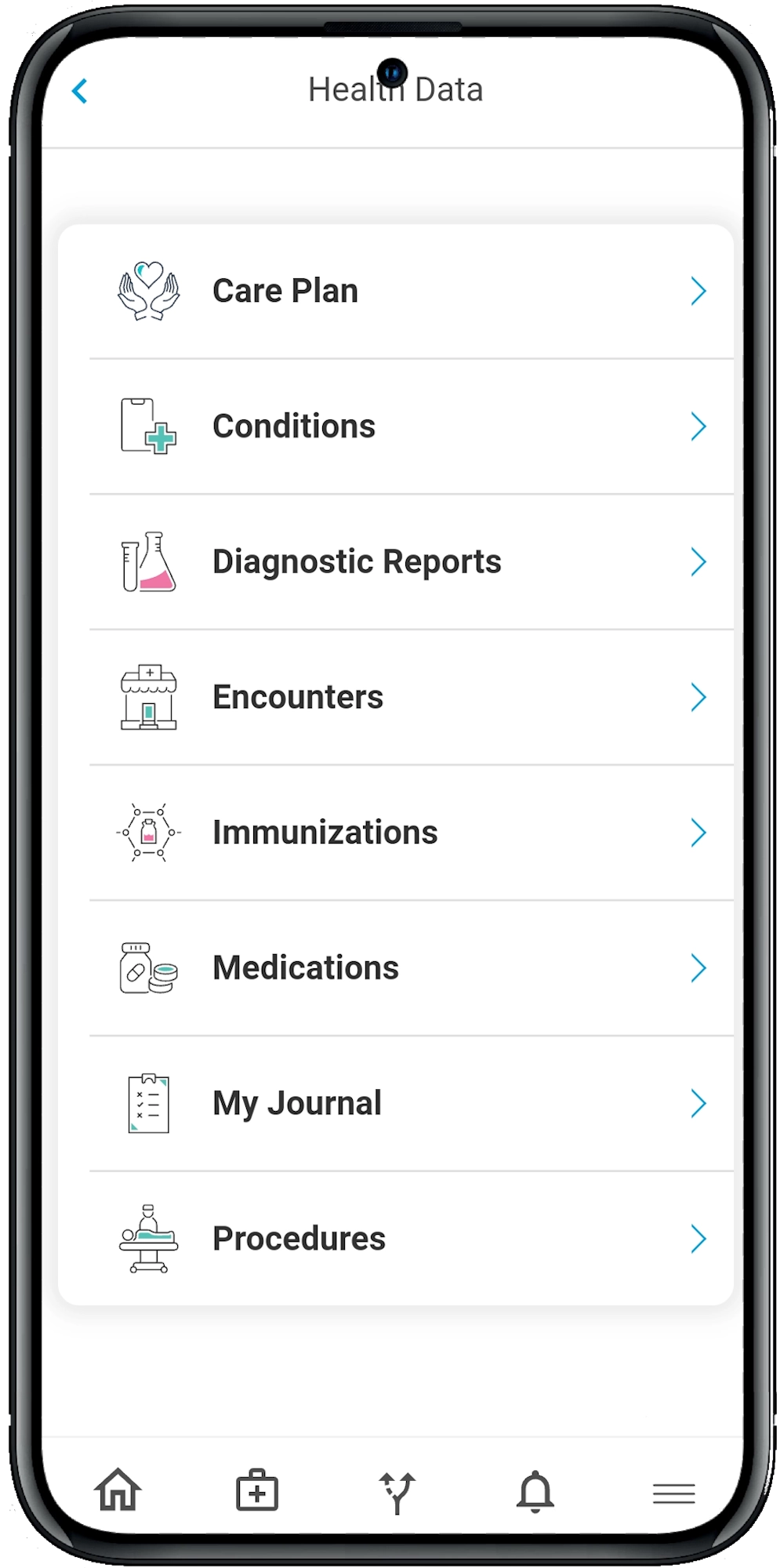
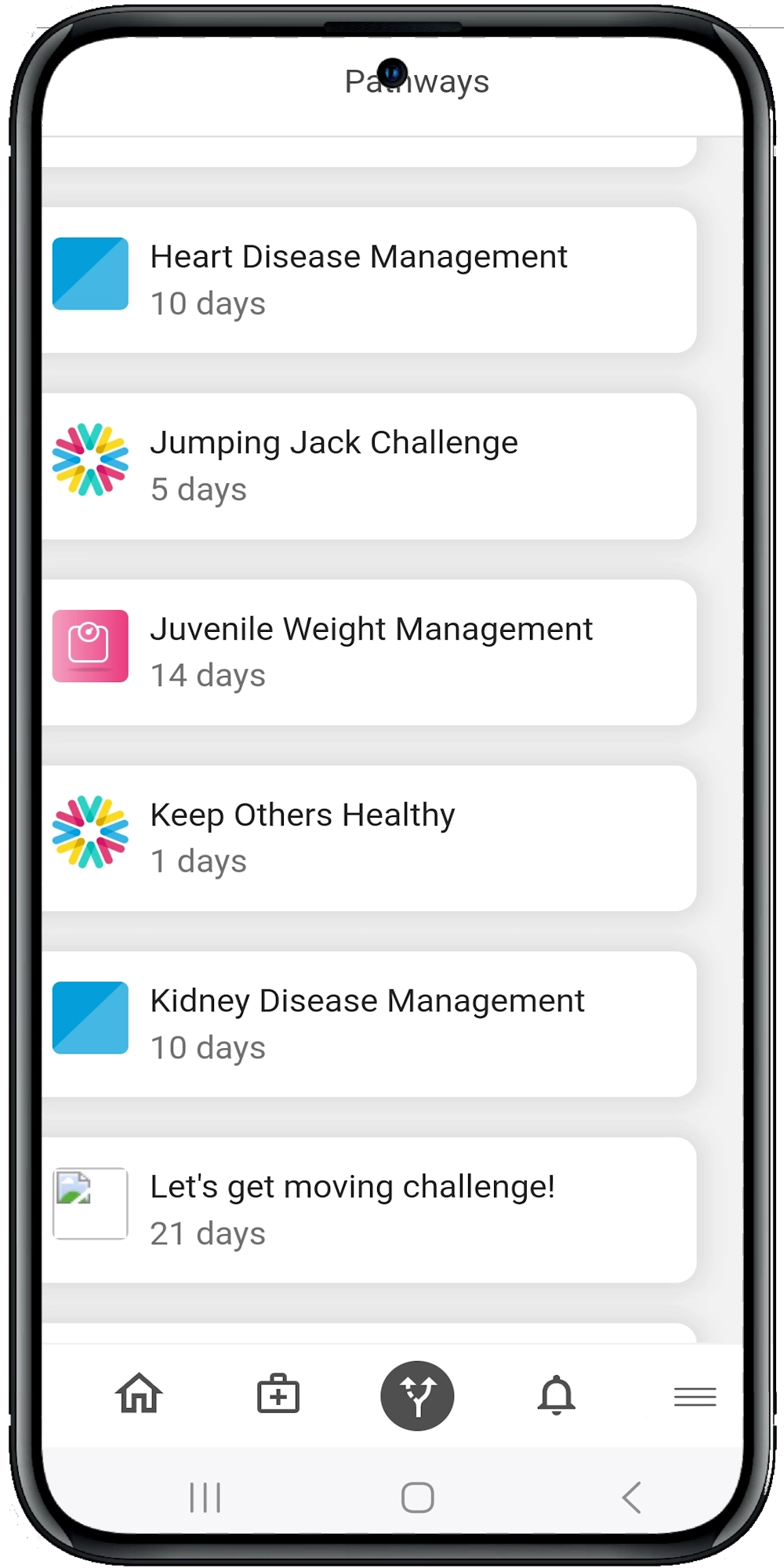
Digital platforms let providers build condition-specific care pathways that adjust over time based on patient behavior and outcomes. These pathways can include:
- Clinical goals tailored to the patient’s diagnosis and risk level
- Lifestyle recommendations that align with the patient’s preferences
- Reminders for screenings, follow-ups or labs
- Mental health check-ins and journaling prompts
With Calcium, providers can even create custom care journeys using AI-assisted tools. Want to create a COPD plan that includes pulmonary rehab, mood tracking and flu shot reminders? Done.
This level of personalization supports the goal-driven model of care described in Goal-Directed Health Care, where success isn’t just clinical—it’s measured by how well care aligns with what patients want for their lives.
Step 3: Keep Patients Engaged Between Visits
Here’s the reality: patients spend 99.9% of their lives outside the clinic. So if engagement stops when they leave your office, your outcomes are already at risk.
That’s why mobile-first patient engagement tools are essential in VBC. They help patients stay connected to their care plan and give providers insight into how things are going—day by day, not just visit by visit.
These tools include features like:
- Daily health check-ins and medication reminders
- Short educational videos and personalized health tips
- Mood and symptom tracking with built-in alerts
- Two-way messaging with care teams
The Informing Consumer Decisions in Health Care study shows that patients are more likely to stick with care when they feel in control and supported. Calcium’s Super App makes that easy with intuitive, personalized touchpoints that fit into everyday life—not just clinical workflows.
Step 4: Coordinate Care Across Providers and Teams
One of the biggest threats to value-based success? Siloed care. If your PCPs, specialists, and behavioral health staff don’t communicate, patients get mixed messages—or fall through the cracks entirely.
Digital tools solve this by centralizing care plans and communication in one place. Everyone involved in a patient’s journey—whether in your office or across town—can access the same dashboard, view progress, and contribute to care.
With Calcium’s Core platform, care managers, nurses and providers can:
- Assign and track tasks based on their role
- See real-time updates on care plan progress
- Escalate concerns with built-in alert systems
- Close gaps in documentation or follow-up seamlessly
That level of integration supports the interdisciplinary model emphasized in the Workforce for 21st Century Health and Health Care report, where collaboration isn’t optional—it’s foundational.
Step 5: Monitor Outcomes and Utilization in Real Time
If you’re only reviewing performance at the end of the quarter, you’re already behind. VBC success depends on real-time visibility into patient outcomes, engagement, and costs.
Smart platforms track everything as it happens, including:
- A1C, blood pressure, weight and other vitals
- Appointment attendance, lab follow-through and task completion
- Behavioral indicators like mood score trends or inactivity
- ER visits, hospitalizations and other acute events
And it’s not just tracking. Platforms like Calcium send alerts when something’s off—like a patient skipping meds or showing signs of depression. That gives care teams the chance to step in early, course-correct and keep the patient on track.
It’s the digital version of putting your finger on the pulse of your population.
Step 6: Demonstrate Value with Actionable Reports
Payers don’t just want to know you tried—they want to see proof. That’s why reporting tools are just as important as care coordination tools in any VBC platform.
The right digital system helps you:
- Track contract-specific quality measures (like STAR, HEDIS or MIPS)
- Export clean, formatted reports for CMS or commercial payers
- Tie clinical activity to utilization and outcomes for cost-effectiveness
- Identify gaps that impact performance incentives
The Economic Evaluation of Implementation Strategies study found that without financial clarity and reporting, even well-intentioned programs can fail. Calcium solves this with built-in dashboards and downloadable reports that make compliance and performance tracking straightforward—not stressful.
Digital Tools Solve Common VBC Pain Points
Let’s take a moment to connect the dots. Here’s how digital platforms help solve the most common VBC hurdles:
- Problem: Patient disengagement
Solution: Mobile apps with personalized reminders and behavioral support - Problem: Too much data, not enough insight
Solution: Real-time dashboards and smart alerts - Problem: Siloed care teams
Solution: Shared digital care plans and communication threads - Problem: Manual reporting and missed metrics
Solution: Automated tracking and reporting aligned with value-based contracts
Calcium brings all of this into a single, seamless experience—so your team spends less time clicking and more time caring.
A Real-World Example: Turning Strategy Into Impact
Let’s say a mid-size primary care group wants to reduce ER visits and boost chronic care adherence. They start by using Calcium to identify high-risk patients with diabetes and hypertension.
Here’s what happens:
- Patients get enrolled in digital care plans with step-by-step actions
- They start receiving reminders for meds, labs and journaling prompts
- Care managers monitor their progress through Core’s team dashboard
- Red flags trigger alerts, prompting early outreach or specialist referral
- At the end of the quarter, the practice exports reports showing fewer missed visits and improved A1C control
That’s value-based care in motion—backed by digital tools that make it possible every day.
The Wrap
Value-based care isn’t just a new way to bill—it’s a whole new way to deliver healthcare. And while the goals are bold, the path doesn’t have to be complicated. With the right digital tools in place, your team can coordinate care more efficiently, engage patients more meaningfully and track outcomes more clearly—without adding to your workload.
Platforms like Calcium are built to simplify the complex, giving you real-time insights, mobile engagement tools and customizable care pathways all in one seamless ecosystem. Whether you’re managing chronic conditions, closing care gaps or aiming for top-tier performance under value-based contracts, Calcium gives you the power to do more—with less friction.
Reference
- Marshall, M. (2015). A Precious Jewel — The Role of General Practice in the English NHS. New England Journal of Medicine, 372(10), 893–897. https://doi.org/10.1056/nejmp1411429
- Lipstein, S. H., Kellermann, A. L., Berkowtiz, B., Phillips, R., Sklar, D., Steele, G. D., & Thibault, G. E. (2016). Workforce for 21st Century Health and Health Care: A Vital Direction for Health and Health Care. NAM Perspectives, 6(9). https://doi.org/10.31478/201609m
- Hoomans, T., & Severens, J. L. (2014). Economic evaluation of implementation strategies in health care. Implementation Science, 9(1). https://doi.org/10.1186/s13012-014-0168-y
- Hibbard, J. H., Slovic, P., & Jewett, J. J. (1997). Informing Consumer Decisions in Health Care: Implications from Decision‐Making Research. The Milbank Quarterly, 75(3), 395–414. https://doi.org/10.1111/1468-0009.00061