Türkiye’de bahis severler için en çok tercih edilen bettilt giriş adreslerden biri olmaya devam ediyor.
Curacao lisanslı platformlar arasında güvenilirlik açısından üst sıralarda bahsegel giriş yer alan, uluslararası denetimlerden başarıyla geçmiştir.
Kazançlı bahis deneyimi arayan herkes için bettilt doğru seçimdir.
Rulet masalarında en çok tercih edilen bahis türleri arasında kırmızı/siyah ve tek/çift seçenekleri yer alır; pinco giriş bu türleri destekler.
Basketbol tutkunları için en iyi kupon fırsatları bettilt sayfasında yer alıyor.
Better Outcomes Through Smarter Care Coordination and Real-Time Insight
In today’s healthcare landscape, managing an Accountable Care Organization (ACO) is anything but simple. You’re expected to cut costs, improve outcomes, and report a mountain of quality data—often with outdated tools and disconnected systems.
Sound familiar? The truth is, ACOs are under more pressure than ever to deliver value, not just volume. But without the right support, even the most dedicated teams find themselves drowning in complexity. That’s where digital ACO management solutions come in—not as another layer of technology, but as a lifeline.
With the right platform, ACOs can turn chaos into coordination, data into insight, and good intentions into measurable outcomes. Curious how that actually works? Let’s break down how purpose-built digital tools are transforming ACO management from a daily grind into a streamlined, scalable operation—making it easier to meet quality goals, engage patients, and thrive in the value-based care era.
The Real Struggles Behind ACO Management
Managing an ACO is akin to conducting a symphony with a dozen instruments playing in different keys. Each provider, clinic, or specialist group might use its own electronic health record (EHR) system. In fact, 77% of ACOs use six or more EHR systems across their networks, according to recent survey data (Perloff & Sobul, 2022). That means instead of one unified view of a patient, you’re stuck stitching together fragmented records.
This fragmentation doesn’t just cause headaches for administrators—it impacts care delivery, slows down performance reporting, and makes it hard to identify care gaps before they turn into costly emergencies.
But that’s just the start. ACO leaders also deal with:
- Complex payer requirements across Medicare, Medicaid, and commercial contracts
- Patients who disengage or forget to follow through on treatment plans
- Specialists who aren’t fully bought into value-based care
- A constant battle to prove performance and qualify for shared savings
With so many moving pieces, how can ACOs realistically hit their quality goals, reduce costs, and improve outcomes?
Digital Health to the Rescue: Centralizing Chaos
This is where modern ACO management solutions step in—especially those designed from the ground up to integrate data, streamline workflows, and connect care teams and patients in real time.
Digital platforms like Calcium’s offer ACOs a centralized hub to bring all those disconnected pieces together. Imagine managing an orchestra where everyone’s instruments are finally tuned to the same key. That’s what interoperability feels like in health care.
Here’s how digital platforms help ACOs reclaim control and drive better outcomes:
1. Unified Health Data Across the Ecosystem
One of the biggest pain points in ACO management solutions is dealing with incompatible EHR systems. Different practices input data in different formats, and some records are buried in scanned PDFs or free-text notes. This creates major delays in reporting and patient tracking.
A powerful digital health platform solves this by:
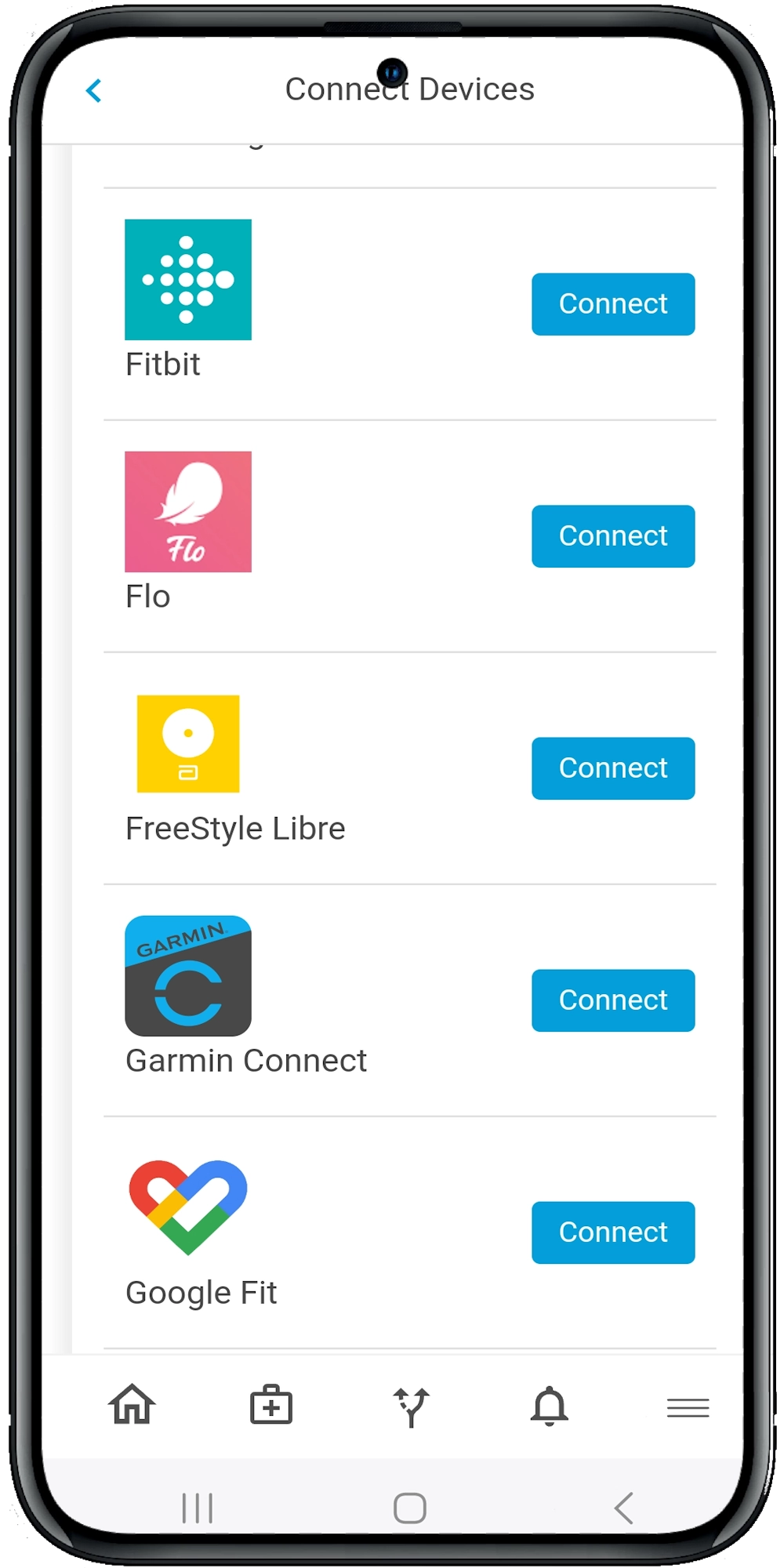
- Integrating data from multiple EHRs and devices
- Normalizing that data into a common format
- Giving providers a single dashboard to view clinical, claims, and social data
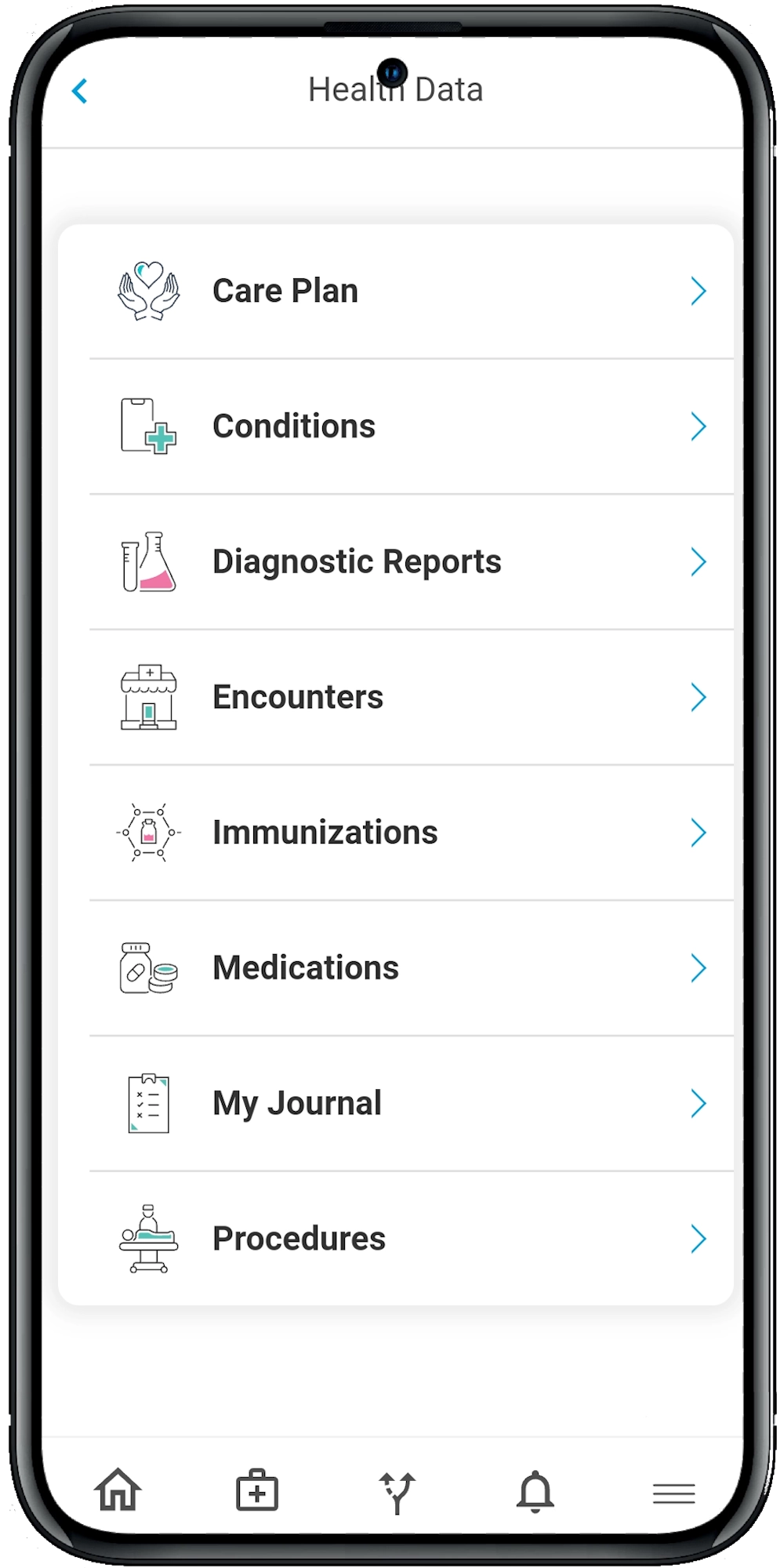
This means instead of hunting through five systems to find a patient’s medication history, care teams can see it all in one place. Even more importantly, this setup supports automated reporting for quality measures—cutting down on manual labor and human error (Perloff & Sobul, 2022).
2. Real-Time Quality Tracking and Reporting
Quality metrics are the lifeblood of ACO performance. But tracking them in real time? That’s often easier said than done.
Digital platforms can automatically monitor performance against metrics like:
- Cancer screenings
- Chronic disease management (diabetes, hypertension)
- Hospital readmissions
- Patient satisfaction
This gives ACOs live updates on how they’re doing—no more waiting for quarterly reports. If a key metric starts slipping, teams can intervene early.
For example, OneCare Vermont used integrated data dashboards to flag overdue colorectal cancer screenings and prompt timely outreach. That’s the power of digital visibility (Klein, 2024).
3. Engaging Patients Beyond the Clinic Walls
Let’s face it: a 15-minute office visit doesn’t give enough time to manage complex, chronic conditions. Patients need support between visits, not just when they’re sitting on an exam table.
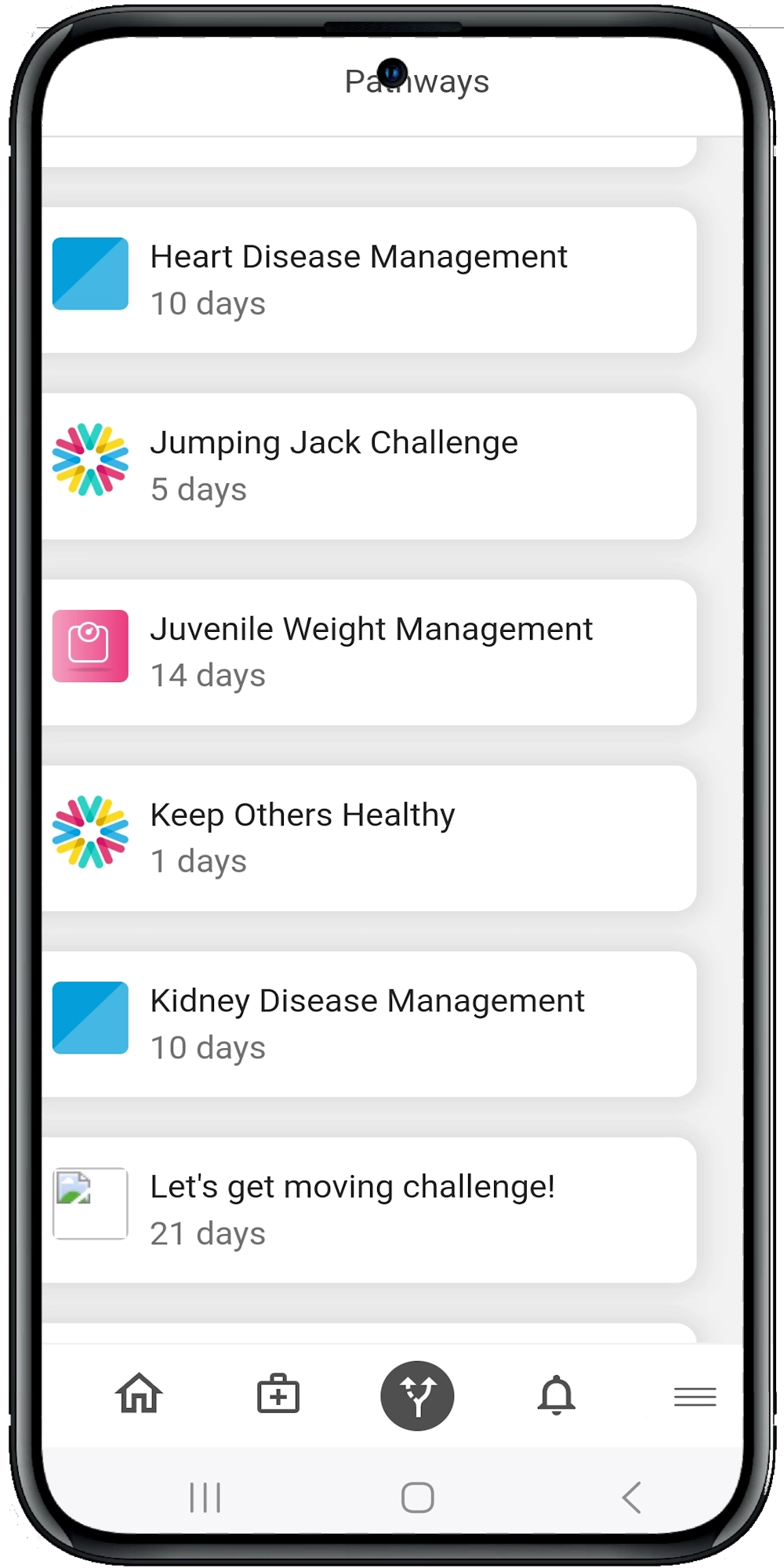
That’s why ACOs are turning to digital health pathways—structured care plans delivered through mobile apps or patient portals. Calcium’s ACO management solutions platform, for instance, offers:
- Daily medication and exercise reminders
- Symptom check-ins and mood tracking
- Personalized health education
- Real-time feedback and motivational messages
These digital tools act like a personal coach in your pocket. They guide patients through recovery, help manage diabetes or depression, and nudge users toward healthier choices—every single day.
And here’s the kicker: patients who use these tools are more likely to follow their care plans and stay out of the ER (CMS, 2021).
4. Closing the Loop on Care Coordination
Care coordination is the glue that holds ACO performance together. But when primary care, behavioral health, specialists, and social services all operate in silos, the glue doesn’t stick.
Digital platforms improve coordination by:
- Letting providers across specialties share care plans
- Sending automated alerts when a patient has a hospital admission or missed follow-up
- Supporting care transition checklists, referrals, and follow-through
Think of it like a GPS for patient care—making sure everyone on the care team knows the route and stays on track.
In fact, UNC Health Alliance cut emergency room visits for dialysis patients by offering a transportation benefit after data revealed weekend spikes. Without digital insights, they might’ve missed the root cause altogether (Klein, 2024).
5. Addressing Social Determinants of Health (SDOH)
You can’t improve outcomes without tackling what’s happening outside the clinic. Food insecurity, housing instability, and lack of transportation are major drivers of poor health outcomes and high costs.
That’s why leading ACOs are using digital platforms to collect and act on SDOH data. For example, OneCare Vermont identified food insecurity trends and partnered with a community clinic to connect over 900 patients with food benefits (Klein, 2024).
Digital ACO management solutions can flag these needs early, coordinate social support, and even embed community-based resources directly into care plans. It’s a holistic approach that supports both patients and providers.
6. Boosting Specialist Engagement
Here’s a frustrating fact: while specialists drive a large share of healthcare spending, only about 1 in 10 ACOs report strong engagement from them in value-based care.
Digital tools can bridge that gap by:
- Creating shared care agreements with clear expectations
- Offering incentives based on value metrics
- Simplifying referrals and feedback loops
When ACOs use digital tools to track referrals, share data, and align incentives, they start building trust—and specialists are more likely to participate (CMS, 2021).
7. Scalability Without Burnout
The last thing any ACO wants is to ask already-burned-out providers to do more. That’s why the right digital tools aren’t about adding tasks—they’re about taking tasks off the provider’s plate.
Platforms like Calcium automate:
- Daily patient check-ins
- Quality measure documentation
- Medication reconciliation reminders
- Pre-op and post-op instructions
This gives nurses, care coordinators, and doctors the freedom to focus on the human side of medicine—listening, connecting, and healing.
And with AI-assisted ACO management solutions, content can adapt to each patient’s inputs. Think of it as “choose-your-own-adventure” care, tailored to risk scores, conditions, and progress (Bao & Bardhan, 2024).`1
The Wrap
The future of ACO success doesn’t lie in working harder—it lies in working smarter with the right digital tools.
As value-based care evolves, so must the systems that support it. From unifying fragmented data to engaging patients between visits and simplifying quality reporting, digital solutions are transforming how ACOs operate. But not all platforms are created equal.
That’s why the Calcium digital health platform is built specifically to tackle the toughest ACO challenges—helping care teams stay connected, compliant, and ahead of the curve. Whether you’re managing a small network or a statewide organization, Calcium offers the flexibility, intelligence, and simplicity you need to deliver high-value care at scale.
Reference
- Jennifer Perloff, P., & Sam Sobul, M. P. A. (2022). Use of electronic health record systems in accountable care organizations. (2022). The American Journal of Managed Care, 28(1), e31–e34. https://doi.org/10.37765/ajmc.2022.88818
- Bao, C., & Bardhan, I. R. (2024). Measuring value in healthcare: Lessons from accountable care organizations. Health Affairs Scholar, 2(3). https://doi.org/10.1093/haschl/qxae028
- Klein, H. E. (2024, September 26). New Report Highlights Data-Driven Success Strategies for ACOs. AJMC. https://www.ajmc.com/view/new-report-highlights-data-driven-success-strategies-for-acos
- ACO Operational Elements Toolkit. (2021). https://www.cms.gov/priorities/innovation/media/document/aco-operational-elements-toolkit