Türkiye’de bahis severler için en çok tercih edilen bettilt giriş adreslerden biri olmaya devam ediyor.
Curacao lisanslı platformlar arasında güvenilirlik açısından üst sıralarda bahsegel giriş yer alan, uluslararası denetimlerden başarıyla geçmiştir.
Kazançlı bahis deneyimi arayan herkes için bettilt doğru seçimdir.
Rulet masalarında en çok tercih edilen bahis türleri arasında kırmızı/siyah ve tek/çift seçenekleri yer alır; pinco giriş bu türleri destekler.
Basketbol tutkunları için en iyi kupon fırsatları bettilt sayfasında yer alıyor.
Traditional tools and reactive workflows are no longer enough to meet today’s Value-Based Care expectations
Let’s face it—value-based care (VBC) isn’t just a new payment model. It’s a complete transformation in how healthcare systems think, operate, and deliver outcomes. Providers are being asked to do more with less, all while improving patient experiences and managing complex populations across fragmented systems. And while the mission is clear, the path forward isn’t always.
What if there were a way to bring clarity, speed, and precision to that chaos?
Enter artificial intelligence.
AI is no longer just a buzzword reserved for research labs or tech startups. It’s becoming one of the most powerful tools for solving real-world problems in value-based care—problems like preventable hospitalizations, care delays, and missed opportunities for early intervention. And for organizations aiming to meet (or exceed) VBC performance benchmarks, AI might be the missing link between intention and execution.
If you’re ready to scale your impact without burning out your team, this is the conversation you need to be having.
AI and Value-Based Care: A Natural Fit
If you’ve been navigating the shift from fee-for-service to value-based care, you already know the pressure is on. Healthcare providers are expected to deliver better outcomes, reduce unnecessary utilization, and keep patients more engaged—all while working with fewer resources. Sounds like a tall order, right?
This is exactly where artificial intelligence (AI) fits in. It’s not here to replace human touch. Instead, think of it as a co-pilot—one that processes massive amounts of data faster than any team ever could. When applied thoughtfully, AI doesn’t just support value-based care. It accelerates it.
AI Does What Spreadsheets Can’t
Let’s be real. You can’t drive measurable population health improvements or close care gaps efficiently by relying on traditional workflows. Manual chart reviews, static reports, and fragmented systems simply don’t scale.
AI, on the other hand, excels at spotting patterns, making predictions, and automating routine tasks. According to recent research (Artificial Intelligence as a Driver of Value in Value-Based Health Care Systems), AI aligns naturally with VBC by delivering precision, personalizing treatment, and learning from real-world outcomes over time.
Five Ways AI Drives VBC Performance to the Next Level
You don’t need a room full of data scientists to see results. You just need the right AI-powered tools woven into your care processes. Here’s how AI is helping healthcare organizations supercharge their value-based performance:
1. Predictive Risk Stratification
Not all patients need the same level of attention. But how do you know who’s likely to be readmitted or who’s about to slip through the cracks?
That’s where predictive analytics comes in. AI algorithms can analyze structured and unstructured data from EHRs, claims, labs, and even social determinants to flag rising-risk patients—before symptoms escalate. This gives care teams a heads-up to intervene early and reduce preventable utilization.
For example, an AI system might recognize that a patient with diabetes and recent medication nonadherence is trending toward hospitalization. That insight prompts a care manager to step in with timely support—before it turns into an ER visit.
2. Real-Time Care Gap Closure
AI doesn’t just look ahead—it also keeps your team alert to what’s missing right now.
Traditional care gap tracking often happens too late to be useful. AI changes that by scanning data feeds in real time and alerting care teams when something is overdue—like a missed mammogram, follow-up lab, or depression screening.
Here are the key benefits of real-time care gap detection:
- Boosts performance on quality metrics like HEDIS and STAR
- Supports contract compliance and incentive achievement
- Reduces clinical errors and improves chronic disease management
Calcium’s platform, for example, auto-generates actionable alerts directly into the care manager’s workflow, making it easier to close gaps without missing a beat.
3. Smarter Chronic Disease Management
Managing chronic conditions like COPD, CHF, and diabetes is central to VBC success. But no two patients respond to treatment the same way.
AI-powered systems personalize chronic care by continuously learning from patient behavior, outcomes, and biometrics. Over time, the algorithm can fine-tune care plans, flag deterioration, and suggest changes that are more likely to work.
Even better, when paired with remote monitoring and digital engagement tools, AI can help:
- Track symptoms and vitals from home
- Adjust medication reminders based on adherence
- Suggest behavioral health interventions when needed
This goes beyond automation—it’s adaptive care, and it’s where VBC is headed.
4. Workflow Automation and Efficiency
Ask any clinician what eats up their time, and they’ll likely point to documentation, triage, and low-value tasks. AI is already reducing that burden.
Machine learning algorithms are helping:
- Prioritize daily to-do lists based on patient risk
- Auto-document visits and generate visit summaries
- Sort messages and route them to the right team member
- Suggest follow-up actions based on guideline adherence
When AI supports the back-end, clinicians get more face time with patients. And in VBC, those high-touch moments matter most.
In Artificial Intelligence and Big Data for Value-Based Care, the authors note that AI-driven workflow support can reduce burnout, cut admin overhead, and ensure tasks align with what drives actual clinical value.
5. Enhanced Shared Decision-Making
Value-based care isn’t just about lowering costs—it’s about aligning care with what matters most to patients. That means bringing them into the conversation in meaningful ways.
AI can help by simplifying complex data, surfacing tailored options, and making recommendations that reflect a patient’s individual preferences and history.
The framework from The Use of Artificial Intelligence in Clinical Care: A Values-Based Guide for Shared Decision Making reminds us that AI should respect patient autonomy, support transparency, and elevate—not replace—the human connection.
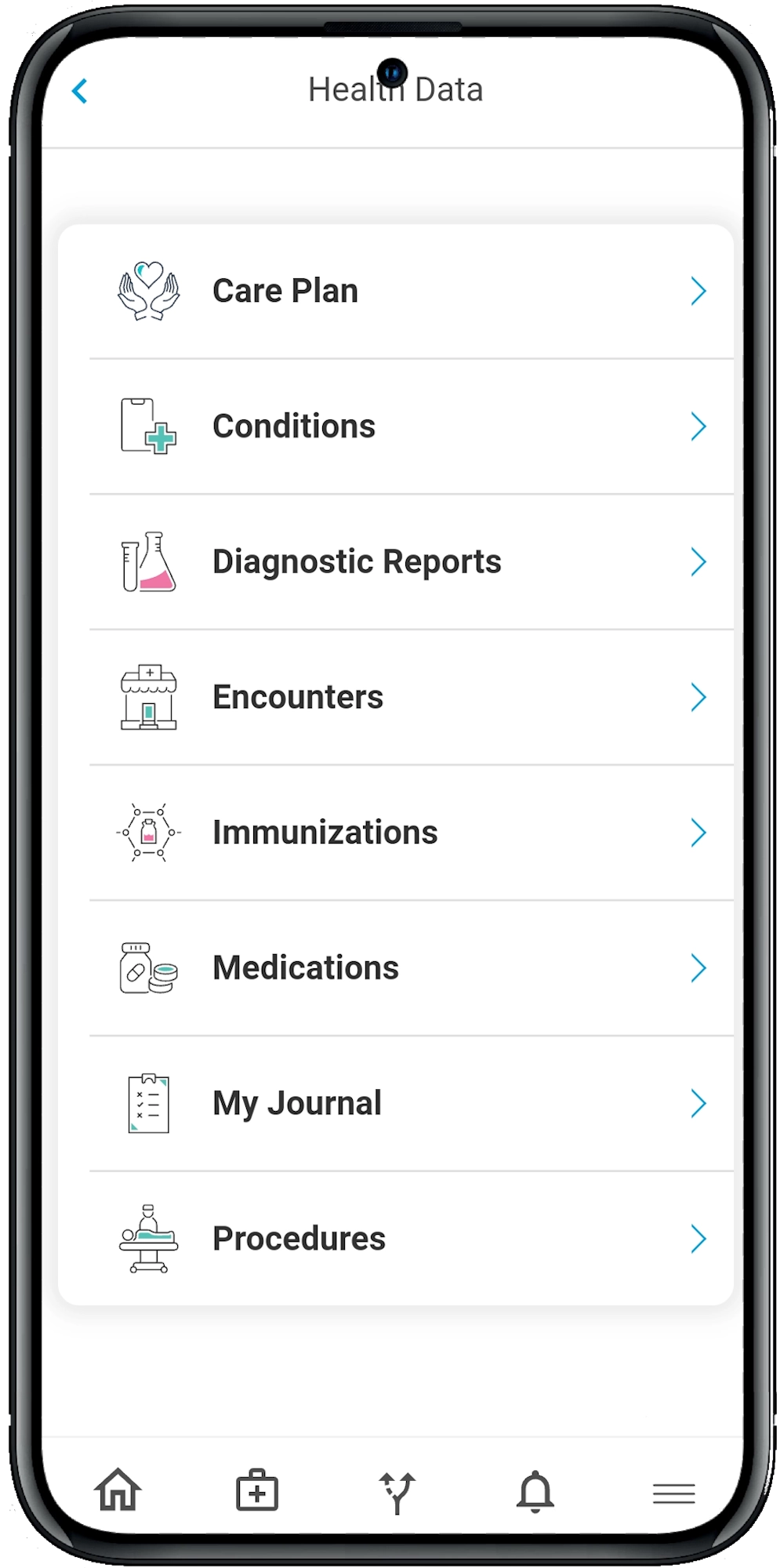
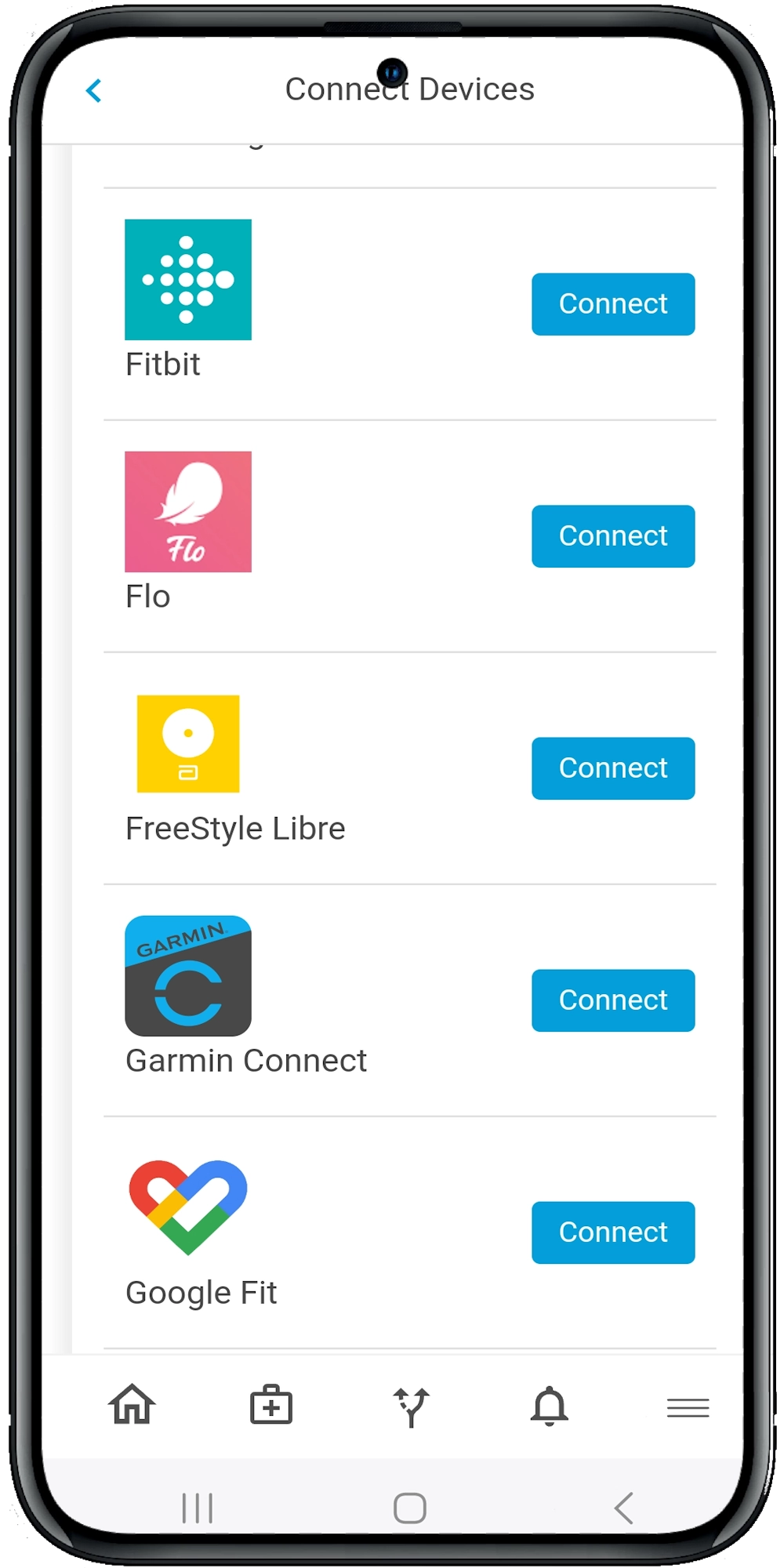
With tools like Calcium’s patient-facing app, patients can explore personalized care plans, track progress, and communicate with their team—all while feeling empowered to participate in decisions.
It’s Not Just Smarter—It’s Scalable
One of the best parts about AI in VBC? It scales without scaling burnout.
When you have 100,000 patients across multiple risk tiers, you can’t manage everyone manually. AI helps segment your population, assign appropriate workflows, and ensure that every patient gets the right level of care without overwhelming your team.
As noted in Value-Based Health Care 3.0, the future of VBC will require systems that are not only intelligent but adaptive. AI offers that flexibility—learning from every patient interaction and continuously optimizing care strategies.
Putting AI to Work: The Calcium Advantage
At Calcium, AI isn’t a separate feature—it’s embedded into the platform’s core. That means:
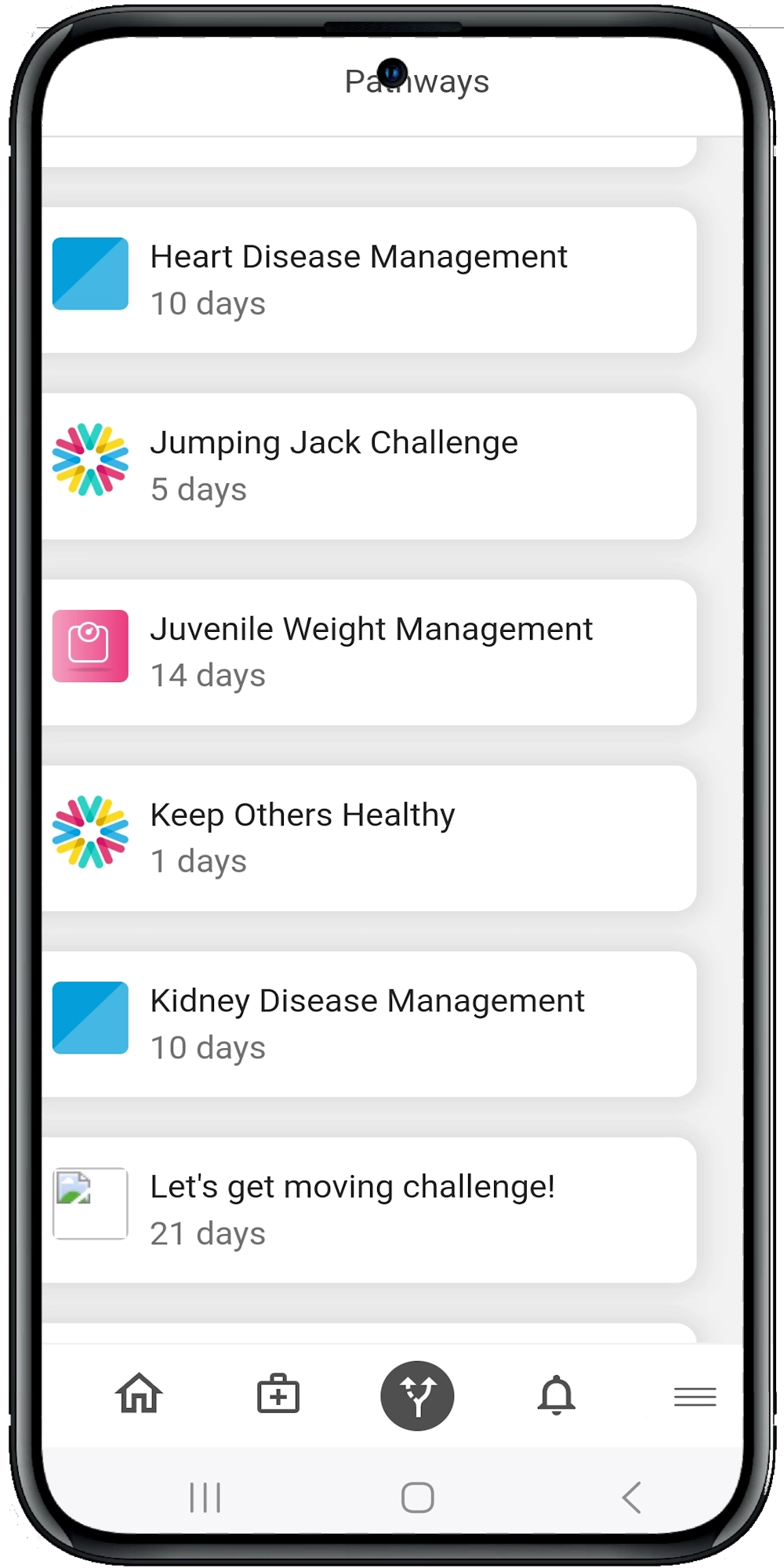
- AI Studio automates personalized care pathways based on evolving patient data
- Super App delivers intelligent engagement, journaling prompts, and reminders to patients in real time
- Core Dashboard surfaces alerts, gaps, and risk scores so care teams can act fast and focus where it matters
Whether you’re managing chronic care, closing performance gaps, or trying to get ahead of preventable ED visits, Calcium uses AI to help you do it all—faster, smarter, and more sustainably.
The Wrap
Artificial intelligence isn’t the future of value-based care—it’s the engine that’s powering it right now. From identifying rising-risk patients to streamlining workflows and enhancing patient engagement, AI gives care teams the clarity and efficiency they need to succeed in today’s demanding healthcare environment.
But AI only delivers real results when it’s integrated into tools your team actually uses. That’s why platforms like Calcium are changing the game. With embedded AI across patient engagement, care coordination, and performance tracking, Calcium helps providers scale smarter, act faster, and deliver better outcomes—without adding complexity to their day.
Reference
- Han, C. T., Lin, M.-C., Alsadoon, A., & Islam, Md. M. (2023). Editorial: Artificial intelligence and big data for value-based care. Frontiers in Medicine, 10. https://doi.org/10.3389/fmed.2023.1134021
- Van Der Meulen, M. (2019). Artificial Intelligence as a Driver of Value in Value-Based Health Care Systems. https://www.doktermartijn.nl/static/app/docs/ebook-ai.pdf
- Macri, R., & Roberts, S. L. (2023). The Use of Artificial Intelligence in Clinical Care: A Values-Based Guide for Shared Decision Making. Current Oncology, 30(2), 2178–2186. https://doi.org/10.3390/curroncol30020168
- Calabrò, G., & Ricciardi, W. (n.d.). Introduzione Sfide per i Sistemi Sanitari Value based health care 3.0. https://www.idelsongnocchi.com/shop/wp-content/uploads/2024/04/Capitolo_12.pdf