Türkiye’de bahis severler için en çok tercih edilen bettilt giriş adreslerden biri olmaya devam ediyor.
Curacao lisanslı platformlar arasında güvenilirlik açısından üst sıralarda bahsegel giriş yer alan, uluslararası denetimlerden başarıyla geçmiştir.
Kazançlı bahis deneyimi arayan herkes için bettilt doğru seçimdir.
Rulet masalarında en çok tercih edilen bahis türleri arasında kırmızı/siyah ve tek/çift seçenekleri yer alır; pinco giriş bu türleri destekler.
Basketbol tutkunları için en iyi kupon fırsatları bettilt sayfasında yer alıyor.
From Information to Intervention, Smarter Care Starts Here
In a world where value-based care is becoming the new normal, success for Accountable Care Organizations (ACOs) hinges on one thing: the ability to continuously improve. But improvement isn’t just about working harder—it’s about working smarter. And in today’s fast-paced, data-rich healthcare environment, that means rethinking how we use information.
Most ACOs are sitting on mountains of valuable data. But without the right tools to make sense of it, all that information becomes just noise—missed opportunities, overlooked risks, and costly delays in care. What’s needed now isn’t more data—it’s better analytics.
An intelligent, responsive ACO analytics platform has the power to transform how care is delivered, coordinated, and improved. It’s not just about dashboards or scorecards anymore. It’s about building a system that learns, adapts, and helps you stay a step ahead.
So how does that transformation actually happen? Let’s dive in.
The Strategic Role of Analytics in ACO Performance
If you’re part of an Accountable Care Organization (ACO), you’re already feeling the pressure to do more with less. You’re asked to reduce hospital admissions, improve outcomes, keep patients engaged and healthy—and still turn a profit. So how do you make that happen? The answer, increasingly, is a robust ACO analytics platform.
These platforms help ACOs analyze patient populations, identify high-risk members, and make smarter decisions across care teams. But they’re not just about crunching numbers. At their best, they’re engines for change—pushing quality and savings in the same direction.
The integration of big data analytics in healthcare can drive both quality improvement and cost efficiency when supported by the right technological infrastructure and decision-making processes (Wang et al., 2019). Think of them as GPS systems for healthcare: instead of telling you how to get across town, they show you how to improve lives while saving money along the way.
What’s Holding ACOs Back—and How the Right Analytics Platform Solves It
In today’s value-based care world, ACOs are judged by how well they manage outcomes, costs, and patient experience. But too often, the tools they’re using are stuck in the past. Outdated dashboards and data silos can’t support the real-time, coordinated care needed to improve performance.
Let’s walk through seven core problems ACOs face—and how a next-generation ACO analytics platform, like Calcium’s, directly solves each one.
1. Solving Data Fragmentation with Unified, Real-Time Integration
Most ACOs pull data from multiple sources—EHRs, labs, pharmacies, claims, and sometimes even wearables. But these systems don’t always communicate well. The result? Incomplete patient profiles and missed care opportunities. According to a 2021 dissertation, over 80% of clinical data is unstructured or siloed, and often ignored in analysis (Mohamed, 2020).
The solution:
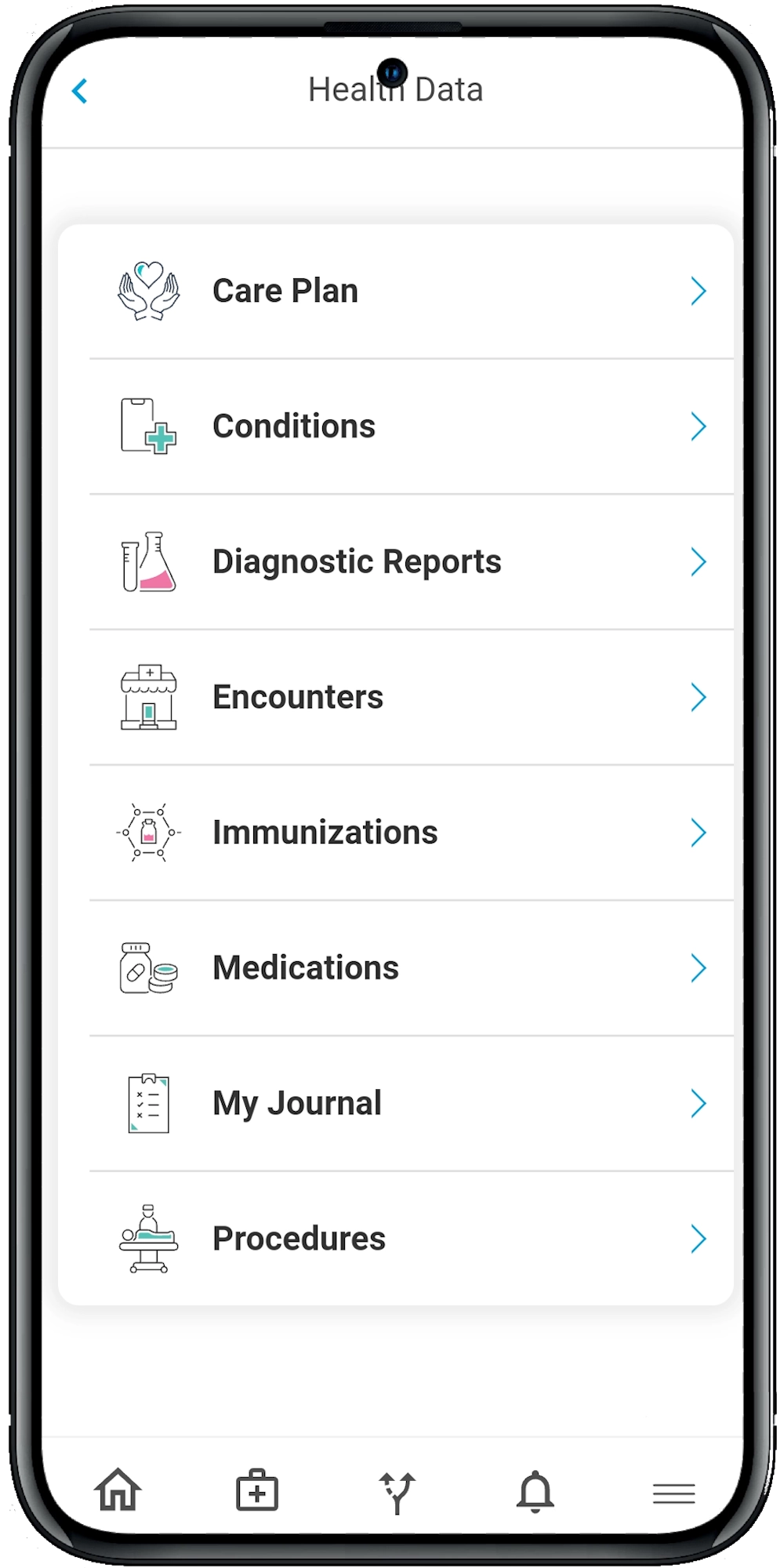
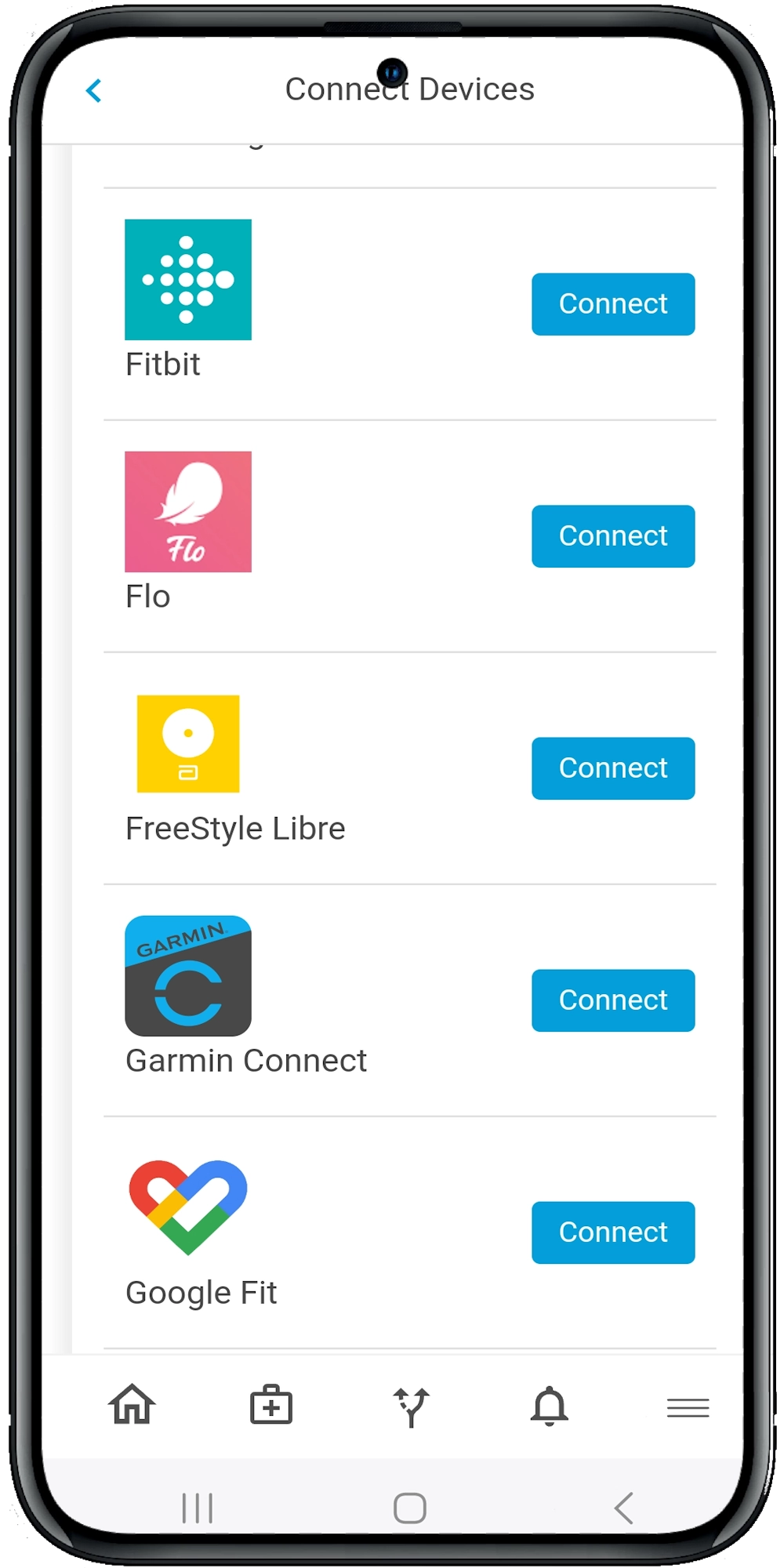
A modern ACO analytics platform unifies all of these data streams into a single, coherent patient view. It aggregates real-time health data—including vitals, symptoms, device readings, and even behavior logs—from its Super App and EHR integrations. Instead of chasing down records across systems, care teams get an always-updated dashboard that tells the full story of each patient’s health journey.
That means better risk assessments, fewer care gaps, and faster interventions.
2. Replacing Delays with Real-Time Insights and Alerts
Traditional analytics tools give you yesterday’s news. Reports are often delayed by days or weeks, long after a patient’s condition has changed. In today’s fast-moving care environments, that just doesn’t cut it.
The solution:
A high-performing ACO analytics platform delivers real-time insights. With Calcium, when a patient logs concerning symptoms or skips a medication, the platform sends live alerts to care managers. This just-in-time awareness allows providers to act before problems escalate—potentially avoiding ER visits or hospitalizations.
It’s like upgrading from a printed map to turn-by-turn GPS. You don’t just know where you’ve been—you know exactly where to go next.
3. Tackling Blind Spots in Behavioral and Social Health Data
Traditional ACO reporting focuses heavily on clinical metrics like blood pressure or A1c levels. But we all know that social and behavioral factors—like housing stability, mental health, and medication adherence—often determine outcomes.
Yet many ACO platforms ignore this data entirely, leaving teams in the dark.
The solution:
Modern ACO platforms are designed to capture and analyze these softer but vital indicators. Calcium’s Super App supports behavioral health tracking, daily journaling, social risk check-ins, and symptom reporting—data that flows directly into the provider dashboard.
By integrating mental health pathways, mood logs, and even gamified engagement features, the platform brings behavioral data into the clinical conversation. It’s not just about managing disease—it’s about understanding the human behind it. True accountable care cannot be achieved without understanding and integrating social determinants of health and patient behavior into population health strategies (Hogle, 2019).
4. Ending the Guesswork Around Patient Engagement
Are your patients actually following their care plans? With most platforms, you’d never know. Missed medications, skipped follow-ups, or unreported symptoms can quietly derail outcomes—and the analytics won’t catch it until it’s too late.
The solution:
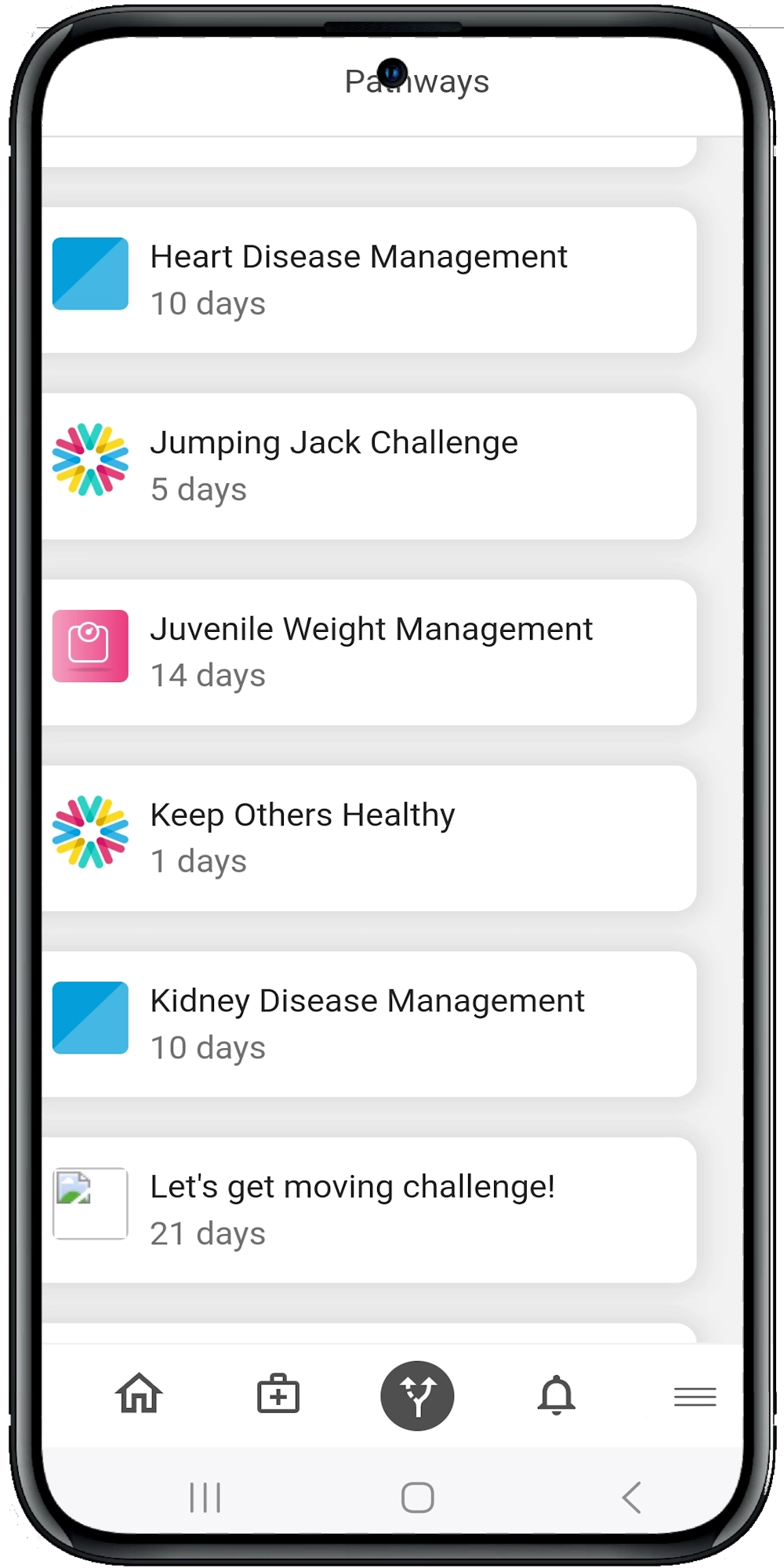
A next-gen ACO analytics platform actively monitors patient behavior. Calcium tracks task completion through its digital health pathways—whether that’s medication adherence, exercise routines, or educational content. Each interaction becomes a data point.
So instead of guessing who’s engaged, you can identify who’s falling off-track in real time—and reach out before they slip through the cracks.
5. From Rear-View Reporting to Predictive Intelligence
Legacy tools show what’s already happened: utilization, costs, outcomes. Useful? Sure. But what if you could see the future instead?
That’s the problem with outdated ACO platforms—they report, but they don’t predict.
The solution:
Modern platforms leverage AI and predictive modeling to look ahead. Calcium uses algorithms trained on historical and real-time data to forecast which patients are at risk of non-adherence, hospital readmission, or disease progression.
As one of the research from 2025 highlights, predictive analytics can help target pharmaceutical interventions, reduce adverse drug events, and support smarter medication planning (Okolue, 2024). With this level of foresight, ACOs can prioritize resources and prevent issues before they start.
6. Breaking Down Data Silos with Interoperability and Standards
Even today, healthcare systems struggle with interoperability. Different EHRs, incompatible APIs, and varying coding systems can make data exchange feel impossible. This technical friction slows down care and weakens analytics.
The solution:
A smart ACO platform is built for interoperability from the ground up. Calcium’s architecture supports standards like HL7, FHIR, and SNOMED, allowing it to integrate across providers, payers, and devices.
More than that, the platform converts disparate inputs into standardized formats—using frameworks like OMOP—to ensure clean, actionable analytics. The end result? Seamless data flow across the care continuum, powering smarter decisions everywhere.
7. Turning Numbers into Team-Based Action
Even with all the right data, analytics are useless if care teams can’t act on them together. Many platforms fail to support collaboration, forcing providers, case managers, pharmacists and behavioral health teams to work in silos.
The solution:
The most effective ACO analytics platforms drive coordinated care, not just analysis. Calcium includes built-in messaging, shared care plans, and real-time notifications across roles. Everyone stays aligned around the patient—without switching between tools.
Imagine a behavioral health provider seeing a patient’s journal entry trend downwards, and flagging it to the primary care physician within the same platform. That’s not just analytics—it’s connected care in action.
Bringing It All Together: A Platform Built for Continuous Improvement
An ACO is a living, breathing system—patients change, risks evolve, and care needs shift constantly. That’s why continuous improvement can’t rely on static reports or quarterly scorecards.
What ACOs really need is an analytics platform that:
- Sees the full picture, across clinical, behavioral, and social dimensions
- Learns and adapts, using AI to flag risks before they explode
- Engages patients directly, and tracks how they’re doing
- Connects care teams, with tools for collaboration and coordination
- Delivers real-time, actionable data, not just end-of-month reports
Digital platforms are changing the game by delivering exactly that.
If you’re tired of looking at dashboards that show you what went wrong last month, maybe it’s time to shift to a smarter, more responsive ACO analytics platform—one that helps you do the right things today, not just explain what happened yesterday.
The Wrap
As ACOs face mounting pressure to improve outcomes, reduce costs, and engage patients more effectively, relying on outdated tools just isn’t an option anymore. The future belongs to organizations that can adapt in real time—connecting the dots between data, decisions, and delivery. A modern ACO analytics platform is no longer a luxury; it’s a lifeline.
Platforms like Calcium aren’t just helping ACOs keep up—they’re helping them lead. By integrating real-time data, predictive insights, patient engagement tools, and team-based collaboration, Calcium empowers ACOs to move from reactive care to proactive performance improvement.
Reference
Mohamed, A. (2020). Framework of Big Data Analytics in Real Time for Healthcare Enterprise Performance Measurements. STARS. https://stars.library.ucf.edu/etd2020/902/
Okolue, C. (2024). Integrating predictive analytics and EHRs to optimize pharmaceutical care across population health management platforms. ResearchGate. https://www.researchgate.net/publication/390944971
Wang, Y., Kung, L., Gupta, S., & Ozdemir, S. (2019). Leveraging Big Data Analytics to Improve Quality of Care in Healthcare Organizations: A Configurational Perspective. British Journal of Management, 30(2), 362–388. https://doi.org/10.1111/1467-8551.12332
Hogle, L. F. (2019). Accounting for accountable care: Value-based population health management. Social Studies of Science, 49(4), 529–551.