Türkiye’de bahis severler için en çok tercih edilen bettilt giriş adreslerden biri olmaya devam ediyor.
Curacao lisanslı platformlar arasında güvenilirlik açısından üst sıralarda bahsegel giriş yer alan, uluslararası denetimlerden başarıyla geçmiştir.
Kazançlı bahis deneyimi arayan herkes için bettilt doğru seçimdir.
Rulet masalarında en çok tercih edilen bahis türleri arasında kırmızı/siyah ve tek/çift seçenekleri yer alır; pinco giriş bu türleri destekler.
Basketbol tutkunları için en iyi kupon fırsatları bettilt sayfasında yer alıyor.
Smarter Tools for Personalized, Connected Care
In today’s evolving healthcare landscape, success isn’t just about delivering care—it’s about delivering connected, coordinated, and patient-centered care. That’s the mission behind Accountable Care Organizations (ACOs), which are reshaping how providers work together to improve outcomes while lowering costs. But there’s a critical piece of the puzzle that often gets overlooked: the patient. Without meaningful engagement and proactive planning, even the best care strategies can fall short.
Enter the rise of the accountable care organization app—a digital bridge between patients, providers, and better health outcomes. These smart tools are helping ACOs do what once felt impossible: keep patients engaged outside the clinic, support personalized care plans, and transform massive data into real-time insights.
That’s where the next generation of digital tools—accountable care organization apps—comes into play. These platforms are reshaping how ACOs connect with patients, manage chronic conditions, and plan care collaboratively. Let’s dive into the core challenges ACOs face and how smart apps are solving them.
1. Boosting Patient Engagement with Mobile Tools
Engaging patients is the holy grail for ACOs. But we all know it’s easier said than done. Between tech barriers, low health literacy, and general mistrust of the system, many people don’t stick with their care plans—especially in underserved communities.
Care models that use technology and are based in the community work well when they focus on what patients truly need. These approaches have proven effective in reaching both rural and urban populations and in reducing care disparities (Brown et al., 2019).
Apps built specifically for ACOs can meet patients where they are. They offer:
- Culturally relevant health guidance in multiple languages
- Friendly nudges through push notifications and reminders
- Self-enrollment features for those who want to take charge of their own health journey
- Built-in education tools that explain the “why” behind every care step
The simpler a care plan is to follow, the more likely people are to stick with it.
2. Streamlining Provider Collaboration
Imagine trying to plan a cross-country road trip with five friends, but everyone’s using a different map app. That’s what communication can look like in ACOs today.
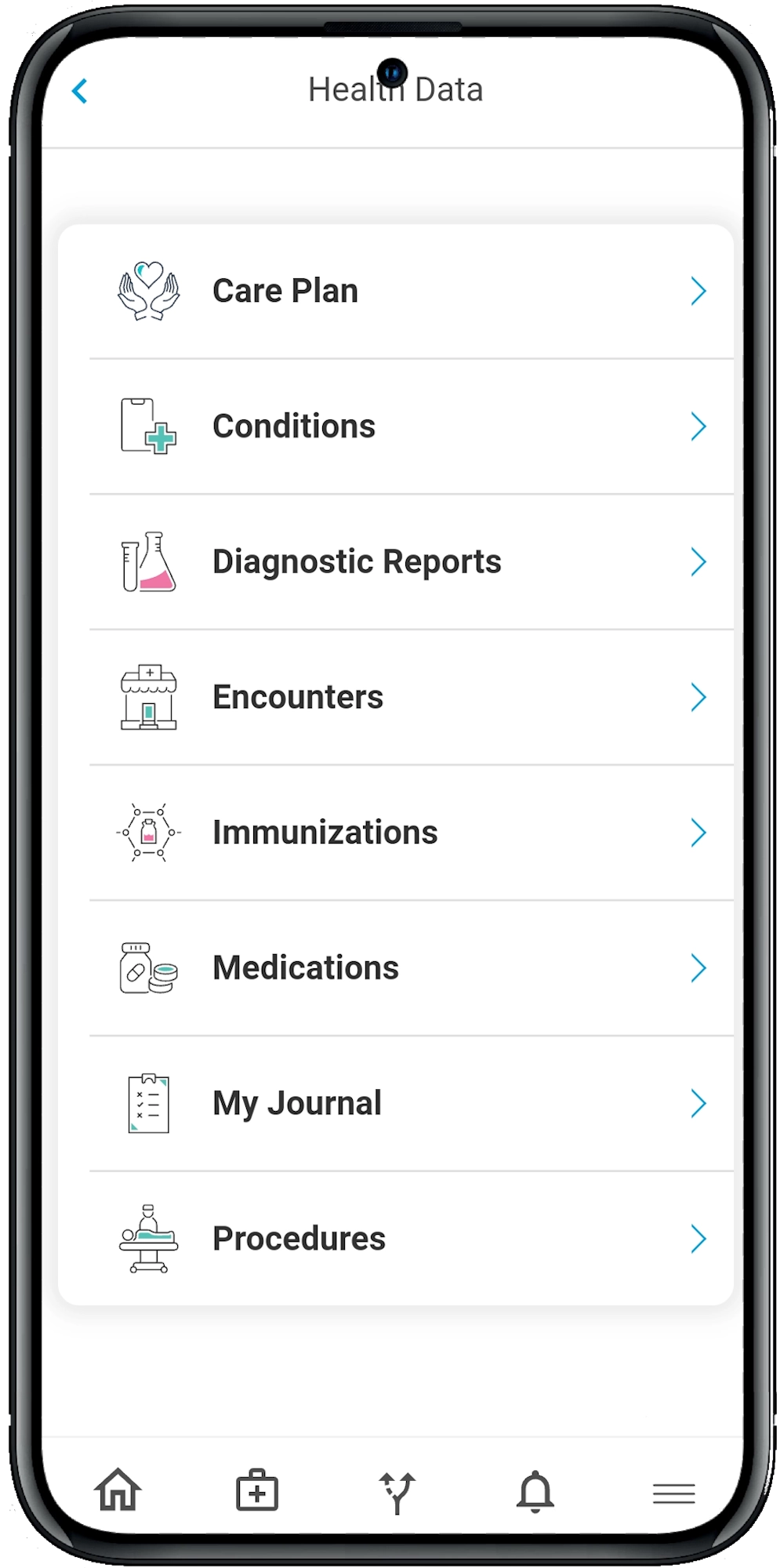
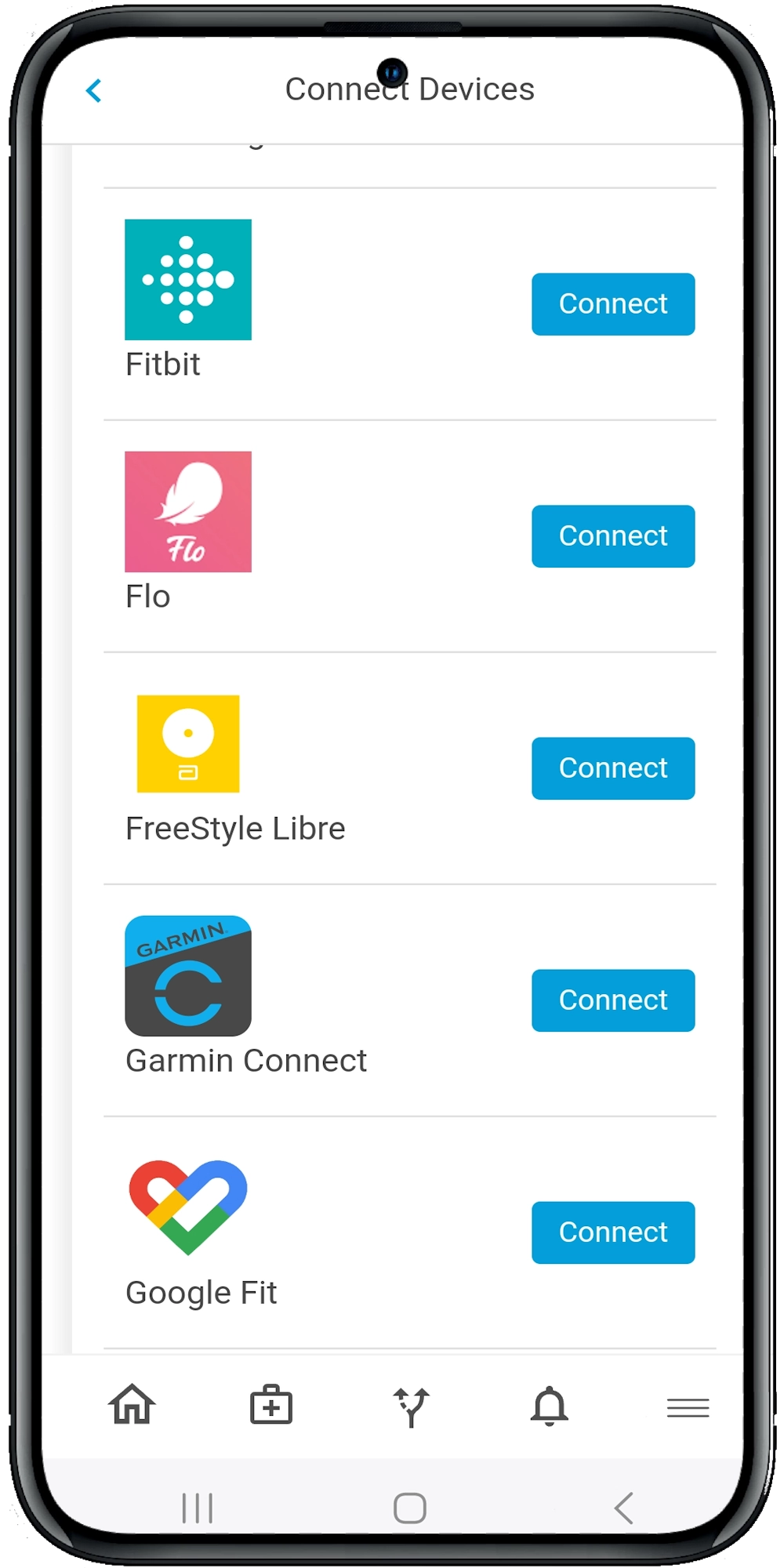
Many accountable care organization apps aim to fix this by becoming the single source of truth. These platforms can integrate EHR data, health journals, lab results, and even wearable device data into one place. That means a patient’s primary care doc, cardiologist, and care coordinator are finally on the same page.
Apps like Calcium’s platform offer secure, real-time messaging, shared care plans, and journal features that allow patients to record symptoms and experiences. That kind of transparency helps care teams make better decisions—and faster.
3. Improving Medication Adherence Digitally
The reality is—medications only work when people take them. But tracking adherence across a large patient population? It often feels like herding cats.
Many ACOs report difficulty in ensuring cost-effective and quality medication use. A study in 2017 found that only 31% of ACOs felt confident in their ability to manage the cost of medication use, and just 64% believed they could manage quality (Wilks et al., 2017). That’s a problem.
Accountable care organization apps can take the pressure off by:
- Sending personalized med reminders
- Syncing with pharmacy data
- Alerting providers when a patient skips a dose or needs a refill
- Helping patients understand the “why” behind each prescription
Some even include a digital “med check” feature where patients confirm what they’ve taken, helping providers close adherence gaps before they snowball into bigger issues.
4. Simplifying Advance Care Planning
Let’s talk about a subject that no one wants to touch—advance care planning (ACP). Despite its importance, very few patients have these critical conversations with their doctors.
Digital tools are helping close long-standing gaps in advance care planning. Studies show that when patients are guided through the process using user-friendly platforms, completion rates improve significantly—often exceeding 50%. Even more promising is that these tools perform consistently well across different racial and socioeconomic groups, which is a rare achievement in healthcare (Brown et al., 2019; Roberts et al., 2023).
Here’s what makes digital ACP tools inside ACO-focused apps so powerful:
- Easy-to-follow prompts that help people articulate values and treatment preferences
- Educational videos that remove confusion or fear
- The ability to designate a healthcare proxy and share documents with loved ones
- Seamless upload of advance directives into the ACO’s electronic health record system
When it’s that simple, more people engage—and that means fewer unwanted treatments and better alignment with patient goals.
5. Scaling Chronic Care with Digital Pathways
If you’ve worked with an ACO, you already know the population often includes people juggling multiple chronic conditions—diabetes, heart disease, COPD, you name it. Managing that at scale? It’s overwhelming without automation.
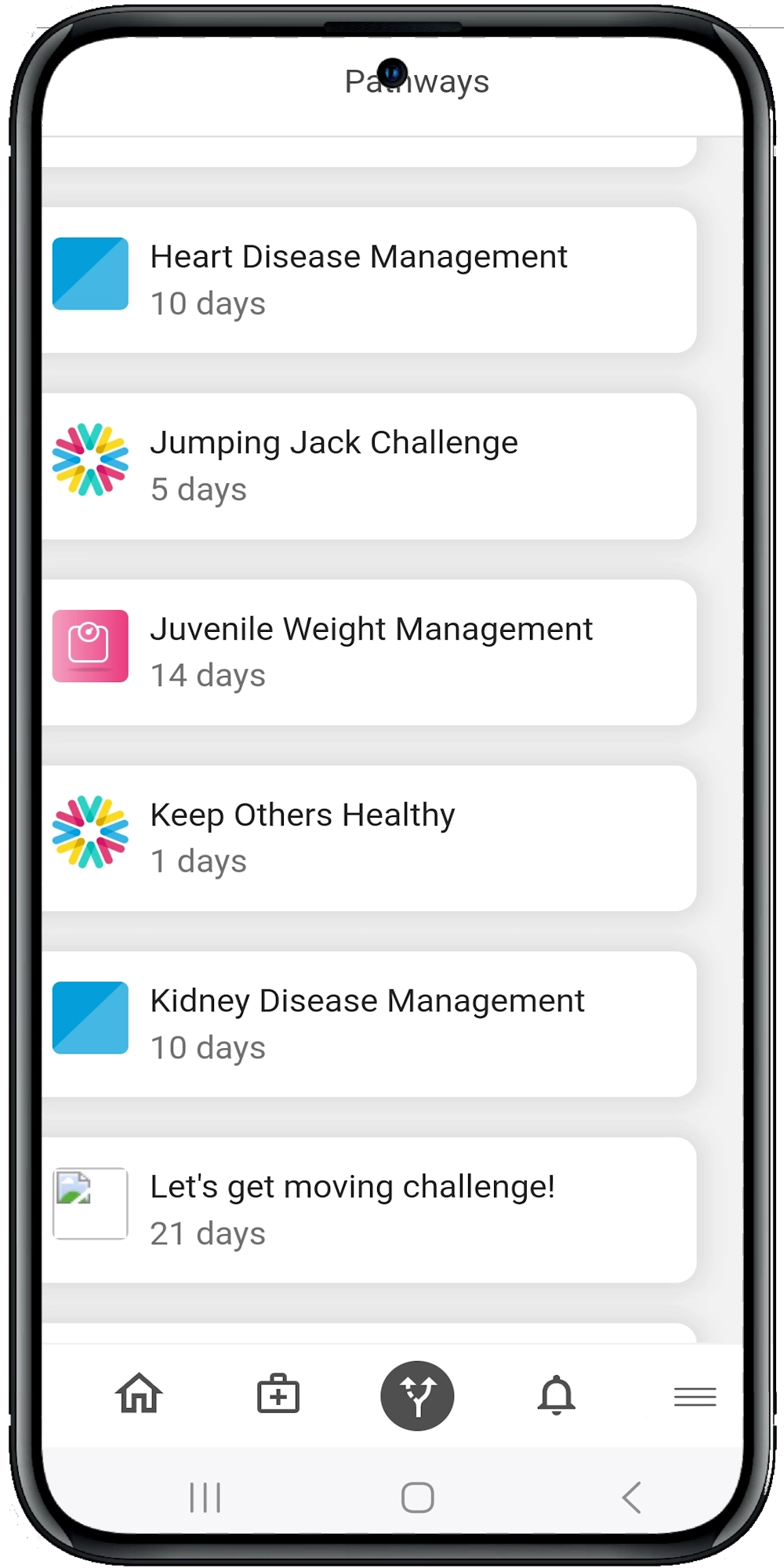
Digital health pathways—like those found in the Calcium Super App—help break complex care plans into bite-sized tasks. These pathways:
- Offer daily checklists for meds, exercises, or symptom tracking
- Adapt over time based on user data or provider input
- Provide real-time feedback to patients and care teams
- Help stratify patients by risk level to prioritize outreach
Think of it like Google Maps for healthcare. It doesn’t just give you directions—it adjusts based on traffic, weather, and detours. That’s what ACOs need to manage chronic conditions in real life.
6. Turning Data into Real-Time Action
ACOs don’t have a data shortage problem—they have a data translation problem. There’s so much information, but most of it isn’t actionable, or it arrives too late to matter.
Apps built for accountable care organizations flip the script by turning raw data into real-time insights. Here’s how:
- Vitals from wearables and home monitors feed into dashboards automatically
- Alerts notify care teams when values fall outside of safe zones
- Patients get instant feedback and tailored next steps
- Predictive analytics flag high-risk patients before a crisis hits
Centralized platforms that aggregate clinical data into real-time dashboards have proven useful for reducing unnecessary ER visits and guiding care more effectively (Brown et al., 2019). When patients also have access to this information—through wearables, alerts, and feedback—they become active participants in their own health.
7. Driving Behavior Change Through Motivation
Most ACO patients know what to do. The real struggle is doing it consistently. That’s where behavior science meets design.
Accountable care organization apps are starting to use gamification, coaching, and even AI to keep users engaged. Features like:
- Progress bars and achievement badges
- Motivational messages or virtual high-fives
- Intelligent reminders that learn your routine and suggest better habits
- Mental health and mindfulness tools baked right into the experience
These aren’t gimmicks—they’re grounded in research. And for many patients, they’re the difference between a “should do” and a “done.”
The Wrap
As ACOs continue to lead the charge toward value-based care, the ability to engage patients and coordinate care beyond clinic walls is no longer optional—it’s essential. Digital tools are transforming that vision into reality. With the right accountable care organization app, providers can empower patients, close critical care gaps, and bring clarity to even the most complex health journeys.
At the forefront of this movement is Calcium Health, a digital health platform designed to help ACOs scale engagement, streamline care planning, and deliver better outcomes across diverse populations. Whether you’re looking to improve chronic care, optimize medication adherence, or personalize digital health pathways, Calcium offers a flexible, patient-friendly solution built for today’s care teams.
Reference
Roberts, R. L., Mohan, D. P., Cherry, K. D., Sanky, S., Huffman, T. R., Lukasko, C., Comito, A., Hashemi, D., Menn, Z. K., Fofanova, T. Y., & Andrieni, J. D. (2023). Deployment of a Digital Advance Care Planning Platform at an Accountable Care Organization. The Journal of the American Board of Family Medicine. https://doi.org/10.3122/jabfm.2023.230133R2
Brown, M., Ofili, E. O., Okirie, D., Pemu, P., Franklin, C., Suk, Y., Quarshie, A., Mubasher, M., Sow, C., Montgomery Rice, V., Williams, D., Brooks, M., Alema-Mensah, E., Mack, D., & Dawes, D. (2019). Morehouse Choice Accountable Care Organization and Education System (MCACO-ES): Integrated Model Delivering Equitable Quality Care. International Journal of Environmental Research and Public Health, 16(17), 3084. https://doi.org/10.3390/ijerph16173084
Wilks, C., Krisle, E., Westrich, K., Lunner, K., Muhlestein, D., & Dubois, R. (2017). Optimization of Medication Use at Accountable Care Organizations. Journal of Managed Care & Specialty Pharmacy, 23(10), 1054–1064. https://doi.org/10.18553/jmcp.2017.23.10.1054