Türkiye’de bahis severler için en çok tercih edilen bettilt giriş adreslerden biri olmaya devam ediyor.
Curacao lisanslı platformlar arasında güvenilirlik açısından üst sıralarda bahsegel giriş yer alan, uluslararası denetimlerden başarıyla geçmiştir.
Kazançlı bahis deneyimi arayan herkes için bettilt doğru seçimdir.
Rulet masalarında en çok tercih edilen bahis türleri arasında kırmızı/siyah ve tek/çift seçenekleri yer alır; pinco giriş bu türleri destekler.
Basketbol tutkunları için en iyi kupon fırsatları bettilt sayfasında yer alıyor.
Smarter Surgical Workflows Start With Real-me Team Connectivity
Surgery centers are expected to deliver high-quality outcomes, rapid recovery, and a seamless experience, often without the infrastructure that hospitals take for granted. While clinical teams do their best to coordinate care, outdated tools and siloed systems make that job harder than it needs to be. Communication breaks down. Follow-ups are missed. Bottlenecks go unnoticed until they impact patients.
What’s missing isn’t effort it’s a smarter, more connected way to work.
As more surgeries move to outpatient settings, the need for real-time coordination, clear task ownership, and patient visibility has never been more urgent. A unified care team platform offers a modern solution to an old problem: how to keep everyone aligned from pre-op to post-op, without adding complexity.
7 Real Challenges Faced by ASC Care Teams
To understand the value of a unified platform, we first need to look at the day-to-day problems that care teams face. These issues aren’t theoretical they’re real obstacles that impact outcomes, revenue, and reputation.
Here are the most common hurdles surgery centers deal with:
- Fragmented Communication
Teams often rely on emails, sticky notes, EHR messages, and verbal updates to coordinate care. It’s like trying to run a relay race with no baton you’re bound to drop something. - Limited Postoperative Monitoring
Once patients leave the center, care teams have few tools to monitor their recovery. This leads to unnecessary urgent care visits or missed early signs of complications. Studies at institutions like Women’s College Hospital and Memorial Sloan Kettering have shown how mobile follow-up tools can fill this gap by reducing in-person visits and flagging issues earlier. - Inefficient Preoperative Clearance
Pre-op workflows are often a maze of phone calls and forms. One missed consult or late lab result can lead to day-of-surgery cancellations, which are costly for both the center and the patient. UCLA’s implementation of telemedicine for anaesthesia clearance showed that virtual pre-op evaluations saved time, reduced cancellations, and boosted satisfaction. - Missed Early Complications
Without structured symptom tracking, patients may ignore or misinterpret signs of infection or pain. Recovery Tracker, used after ambulatory cancer surgeries, showed that when patients self-report symptoms digitally, teams can intervene earlier and reduce avoidable urgent care visits. - Manual Scheduling and Capacity Blind Spots
Too often, surgery centers struggle to match surgical volume with available rooms, staff, and recovery space. Predictive modelling tools like the one developed at Duke—have shown promise in identifying cases suitable for same-day discharge, helping ASCs maximise their throughput without compromising safety. - Data Silos Across Systems
Many ASCs use separate tools for EHRs, billing, scheduling, and patient communication. This lack of integration causes documentation gaps, redundant tasks, and a lack of real-time oversight. - Safety Risks and Compliance Pressures
When team members lack visibility into a patient’s progress, safety checks fall through the cracks. Add HIPAA, accreditation, and reporting demands to the mix, and things can get overwhelming fast.
What a Unified Care Team Platform Does
So, what does a unified care team platform solve, exactly? Think of it like mission control for your surgery center. It connects all the people, processes, and patient data into one seamless flow. Instead of everyone working in silos, the platform acts as a shared workspace where everything is coordinated in real-time.
Let’s walk through the ways this can transform ASC operations:
Real-Time, Role-Based Communication
With a centralised platform, every member of the care team sees what they need, when they need it. Nurses get notified when a patient is cleared for discharge. Surgeons can flag special instructions. Anesthesiologists can update pre-op risk scores.
Instead of chasing each other down, everyone works from the same digital playbook.
Remote Symptom Tracking After Discharge
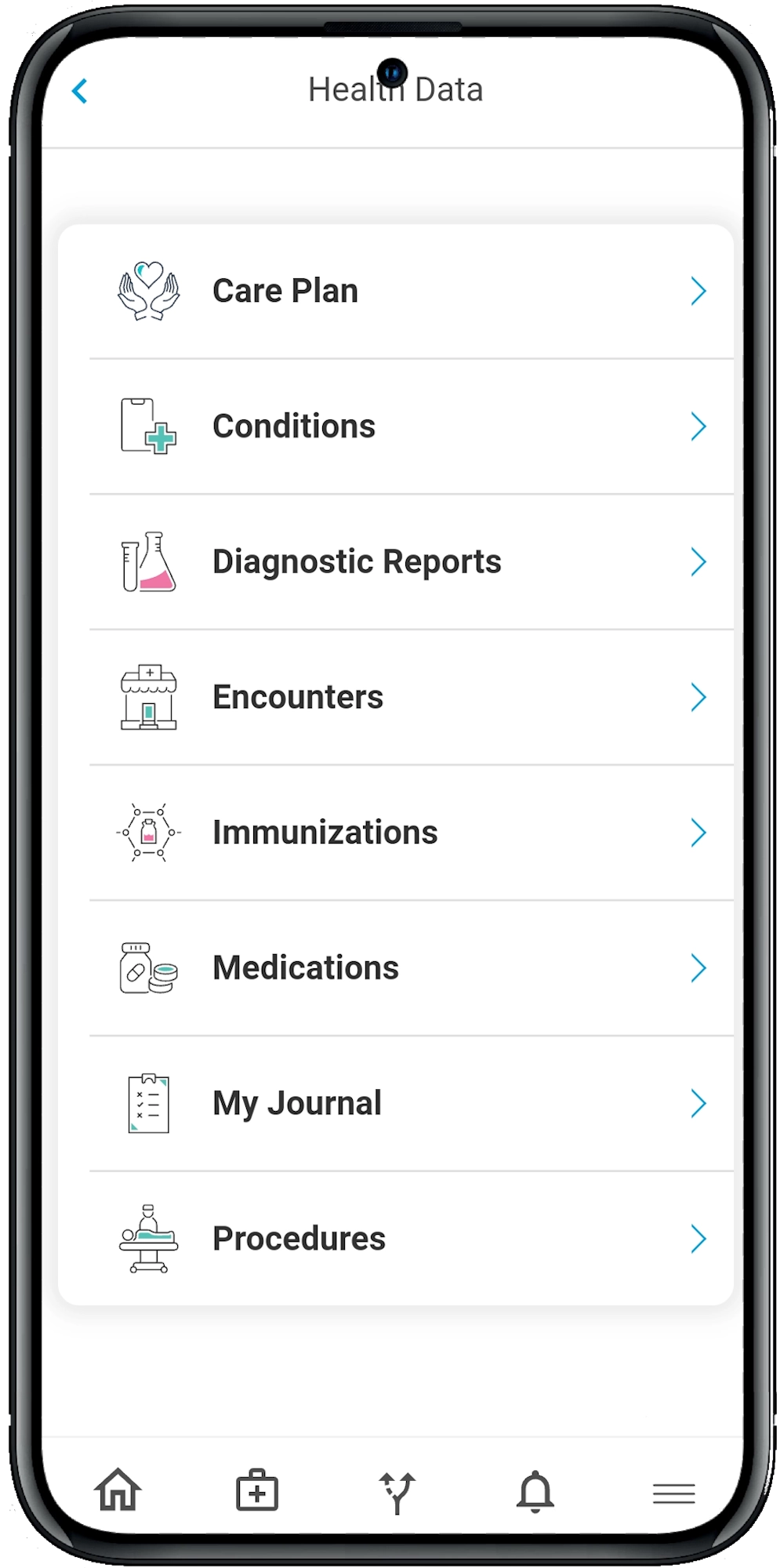
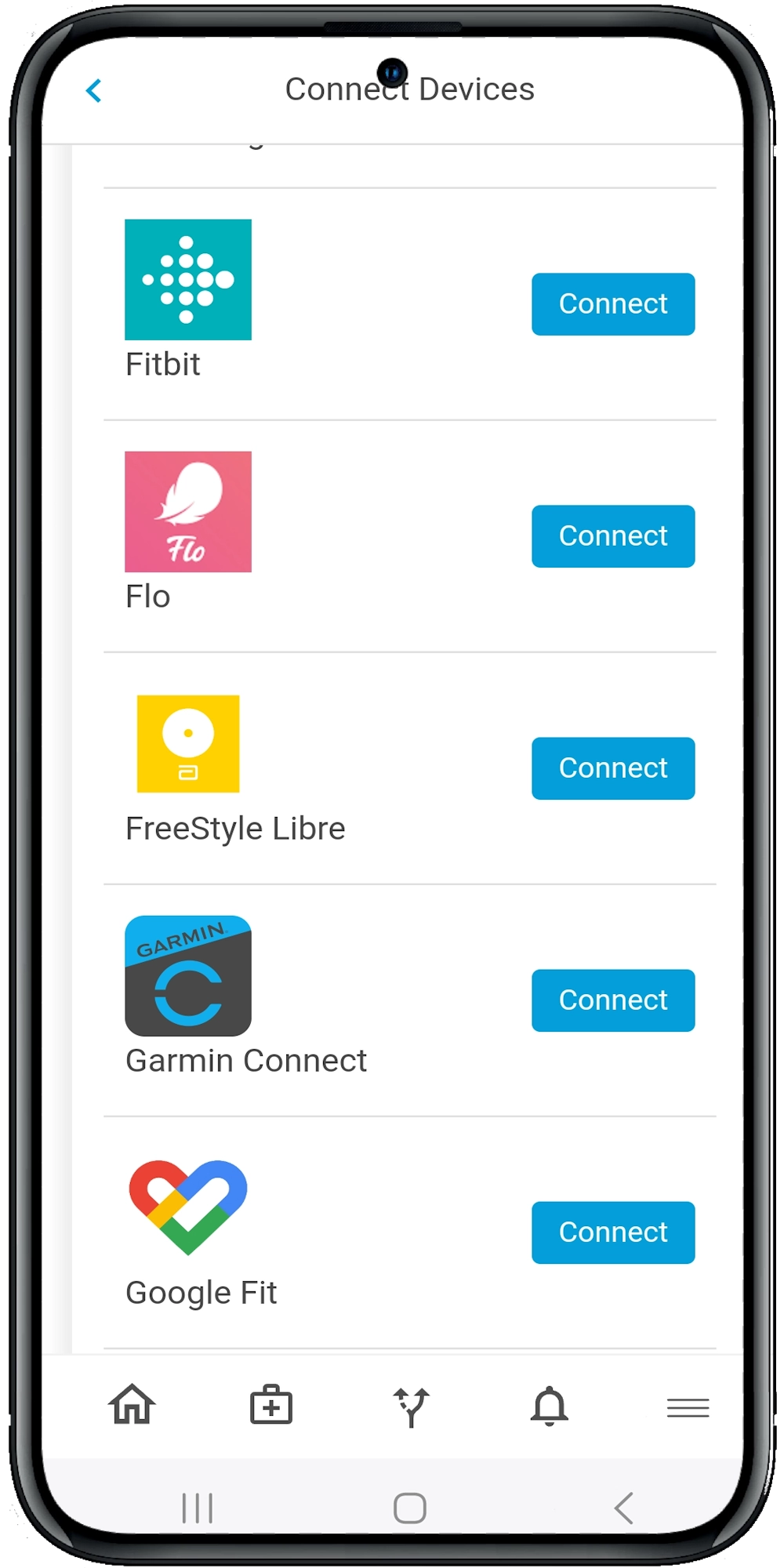
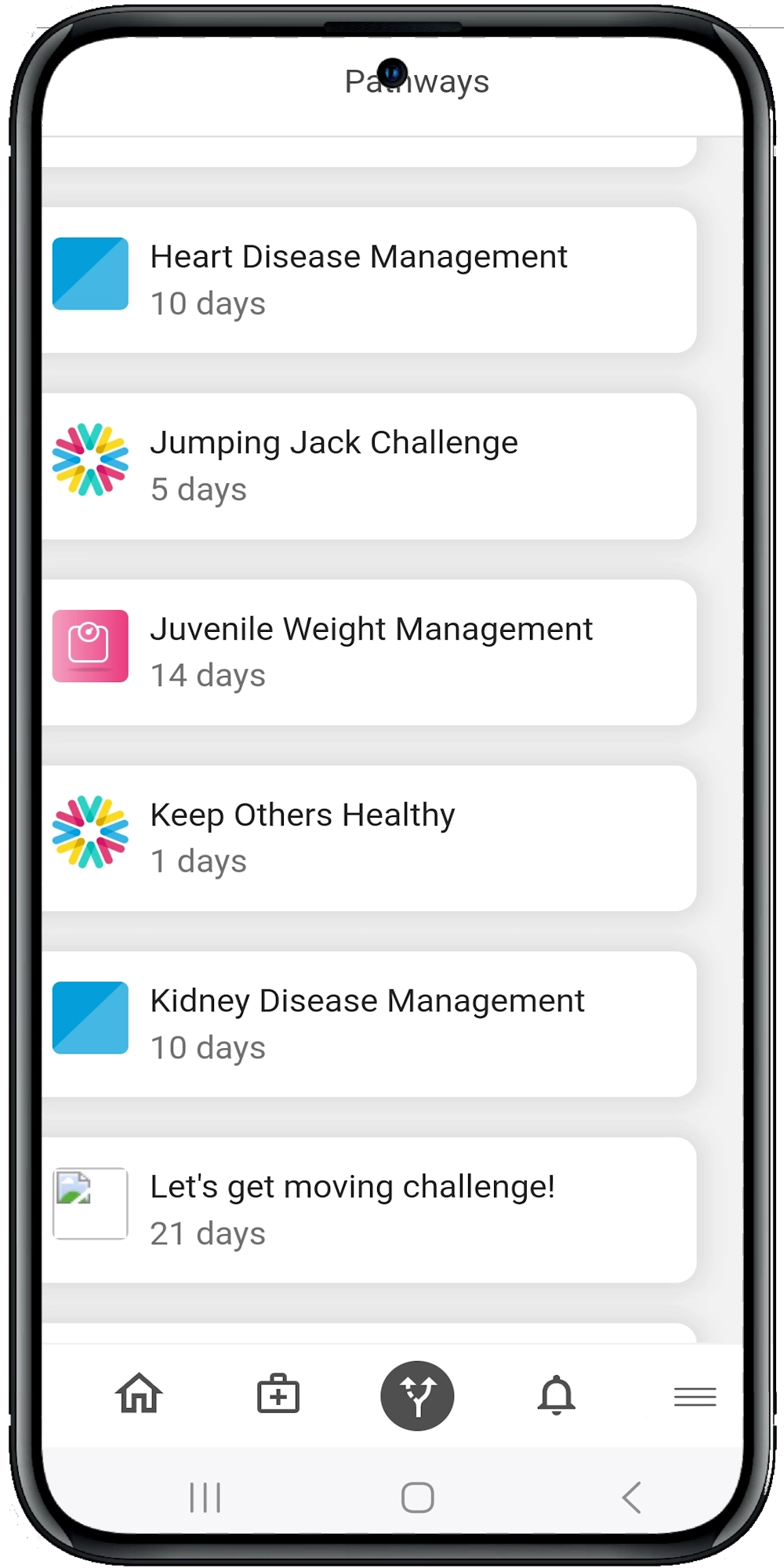
Platforms like Calcium can offer patient-facing apps that prompt users to answer daily questions, upload wound photos, and report symptoms. These inputs trigger alerts to the care team if something looks off.
This isn’t just a feel-good feature. Research shows that remote monitoring tools can reduce unnecessary clinic visits, catch complications earlier, and improve recovery confidence for patients.
Virtual Preoperative Assessments
Pre-op readiness is one of the most overlooked but crucial parts of ASC efficiency. A telemedicine-enabled platform allows pre-anaesthesia interviews, medication reconciliation, and patient education to happen remotely and well in advance.
At UCLA, this shift not only saved patients from hours of travel but also helped prevent day-of cancellations and streamlined surgical readiness.
Smart Case Selection and Scheduling
With machine learning and data integration, modern platforms can analyse previous case durations, discharge data, and comorbidities to flag which procedures are best suited for same-day surgery.
This helps schedulers make better decisions and allows leadership to optimise block times and resource allocation. It’s the difference between reactive scheduling and strategic, capacity-aware planning.
Integrated Dashboards and Documentation
One of the most powerful benefits of a unified platform is the ability to visualise everything in one place. From a real-time OR schedule to task status to recovery scores, everyone sees a single source of truth.
This improves not only team efficiency but also compliance. When it’s time for a Joint Commission audit or CMS report, the documentation is already organised and up to date.
Empowering the Patient Through Mobile Tools
Patients are no longer passive participants in their care. With the right mobile tools, they can view their instructions, complete symptom check-ins, get medication reminders, and message their care team all from their phone.
This level of engagement leads to better adherence, fewer errors, and higher satisfaction. When patients feel informed and connected, outcomes improve. That’s not just theory it’s backed by strong evidence from programs like MSK’s Recovery Tracker and Brigham’s imPROVE platform.
Enhancing Safety and Accountability
Unified platforms also improve safety by reducing errors of omission. Missed labs, incomplete forms, and communication breakdowns are much less likely when the entire team is working from the same digital interface.
A viewpoint published in JAMA emphasised that ambulatory settings while often overlooked are just as prone to diagnostic and coordination-related safety incidents as inpatient facilities. A unified care team platform helps address these gaps head-on.
The Wrap
With more surgeries shifting to outpatient settings, the time to modernise ASC coordination is now. Health systems can no longer afford fragmented care that slows down operations or risks patient safety.
Ambulatory surgery centers can no longer afford to navigate complex workflows using fragmented systems and outdated processes. A unified care team platform bridges the critical gaps—connecting teams, automating follow-up, enhancing patient engagement, and ensuring every moment of care is coordinated and accountable. It’s more than just technology—it’s a mindset shift toward smarter, safer, and more efficient care.
Platforms like Calcium offer a bridge between care coordination, digital health innovation, and value-based care goals. They don’t just digitise the workflow they optimise it, turning chaos into clarity and disjointed efforts into true collaboration.
Would you trust a pit crew without radios or a cockpit without instruments? Then why run a surgery Center without a unified digital platform?
If you’re ready to transform how your surgery center operates from pre-op to discharge and beyond—Calcium is here to help. Our digital health platform was purpose built for modern surgical care, giving your team the tools they need to deliver exceptional outcomes with less friction and more confidence.
Reference
- Armstrong, K. A., Coyte, P. C., Bhatia, R. S., & Semple, J. L. (2015). The Effect of Mobile App Home Monitoring on Number of In-Person Visits Following Ambulatory Surgery: Protocol for a Randomized Controlled Trial. JMIR Research Protocols, 4(2), e65. https://doi.org/10.2196/resprot.4352
- Simon, B. A., Assel, M. J., Tin, A. L., Desai, P., Stabile, C., Baron, R. H., Cracchiolo, J. R., Twersky, R. S., Vickers, A. J., & Laudone, V. P. (2021). Association Between Electronic Patient Symptom Reporting With Alerts and Potentially Avoidable Urgent Care Visits After Ambulatory Cancer Surgery. JAMA Surgery. https://doi.org/10.1001/jamasurg.2021.1798
- Carter, J. B., & Mohammad, A. E. (2009). Building Nonhospital-Based Platforms for Ambulatory Orthognathic Surgery: Facility, Anesthesia, and Price Considerations. Journal of Oral and Maxillofacial Surgery, 67(10), 2054–2063. https://doi.org/10.1016/j.joms.2009.03.036
- Howell, T. C., Hamed Zaribafzadeh, Sumner, M. D., Rogers, U., Rollman, J., Buckland, D. M., Kent, M., Kirk, A. D., Allen, P. J., & Rogers, B. (2024). Ambulatory Surgery Ensemble: Predicting Adult and Pediatric Same-Day Surgery Cases Across Specialties. Annals of Surgery Open, 6(1), e534–e534. https://doi.org/10.1097/as9.0000000000000534
- December 2020 – Volume 131 – Issue 6 : Anesthesia & Analgesia. (n.d.). Journals.lww.com. https://journals.lww.com/anesthesia-analgesia/fulltext/2020/12000/Development
- Singh, H., & Carayon, P. (2020). A Roadmap to Advance Patient Safety in Ambulatory Care. JAMA, 324(24), 2481. https://doi.org/10.1001/jama.2020.18551
- Panda, N., Perez, N., Tsangaris, E., Edelen, M., Pusic, A., Zheng, F., & Haynes, A. B. (2022). Enhancing Patient-Centered Surgical Care With Mobile Health Technology. Journal of Surgical Research, 274, 178–184. https://doi.org/10.1016/j.jss.2022.01.005