Türkiye’de bahis severler için en çok tercih edilen bettilt giriş adreslerden biri olmaya devam ediyor.
Curacao lisanslı platformlar arasında güvenilirlik açısından üst sıralarda bahsegel giriş yer alan, uluslararası denetimlerden başarıyla geçmiştir.
Kazançlı bahis deneyimi arayan herkes için bettilt doğru seçimdir.
Rulet masalarında en çok tercih edilen bahis türleri arasında kırmızı/siyah ve tek/çift seçenekleri yer alır; pinco giriş bu türleri destekler.
Basketbol tutkunları için en iyi kupon fırsatları bettilt sayfasında yer alıyor.
Turning Daily Habits into Health Wins with Smarter, Personalized Support
Imagine being held responsible for someone else’s health—but not having the tools to influence their daily decisions. That’s the uphill battle ACOs face every day. Despite advances in coordinated care, value-based contracts, and population health strategies, many organizations still struggle with a critical missing piece: patient follow-through. Why? Because real health happens outside the clinic—on couches, in kitchens, and during everyday routines.
The future of accountable care won’t be won with spreadsheets or one-size-fits-all programs. It’ll be shaped by smarter, more personal connections between patients and their care teams.
That’s where technology steps in—not as a gimmick, but as a true partner in behavior change, engagement, and compliance. In this post, we’ll explore how a new generation of smart, accountable care apps is helping ACOs close gaps in compliance and boost outcomes across the board. If you’re aiming to turn care plans into real-world progress, this is a conversation you can’t afford to miss.
Why ACOs Struggle with Patient Compliance
Accountable Care Organizations (ACOs) face one of healthcare’s trickiest balancing acts: keeping patients healthier while lowering costs. But here’s the rub—patients often don’t follow through.
Even with the best care plans, medication schedules, or discharge instructions, compliance still slips. Patients forget doses, ignore diet advice, skip appointments, or simply lose motivation. But for ACOs operating under value-based care contracts, every gap in compliance puts outcomes—and financial performance—at risk.
So why do patients struggle?
Here are a few common reasons:
- They don’t fully understand their care plan or condition
- They feel overwhelmed by multiple steps and reminders
- They don’t get timely support or feedback
- They’re not motivated by the tools (or lack thereof) they’re given
It’s no surprise that ACOs repeatedly identify patient engagement and adherence as top challenges. In fact, a national study of ACOs found that less than half of patients with high-risk chronic conditions were getting consistent health coaching. That’s a missed opportunity—and a costly one.
Why Traditional Tools Aren’t Cutting It
Healthcare systems have tried many approaches: patient portals, printed instructions, periodic check-ins, even nurse call lines. But these tools are often fragmented, impersonal, or buried in clunky technology.
Think about it: would you stick with a health plan if it felt like a spreadsheet?
Too many apps and portals assume patients will seek out support. But what really works are tools that come to the patient, adapt to their needs, and nudge them forward—kind of like a GPS for health.
Enter the Smart Care App: A Digital Companion for Compliance
A truly smart accountable care app is not just about attractive design or sending reminders. It integrates personalized guidance, behavioral science, real-time data, and secure communication into one cohesive experience—making complex care easier for both patients and providers.
Here are the key features that set smart care apps apart:
- Tailored Reminders. Whether it’s medication, vitals tracking, exercise, or journaling, reminders are delivered in sync with the user’s lifestyle and preferences. This personalized nudging has been shown to improve treatment adherence in chronic care settings (Munteanu et al., 2020).
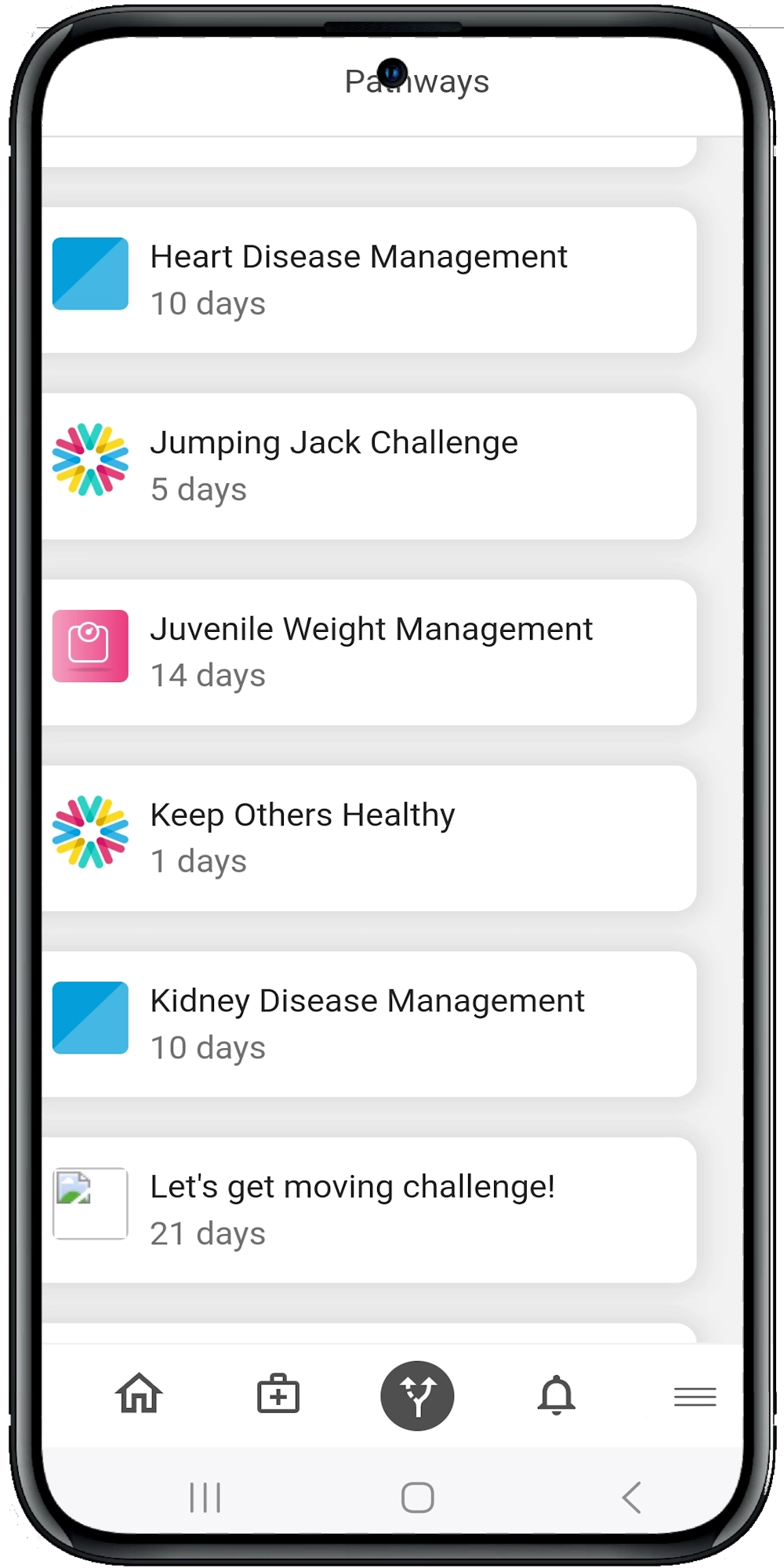
- Guided Digital Pathways. These step-by-step programs walk patients through recovery, chronic condition management, or preventive care journeys. Apps that provided structured care pathways significantly improved the management of chronic diseases, which could worsen without proper follow-up (Munteanu et al., 2020).
- Real-Time Feedback. Patients and care teams receive instant insights and alerts, enabling timely intervention and boosting engagement—something highlighted as essential in early evaluations of ACO engagement strategies (Shortell et al., 2015).
- Secure Messaging. A direct, HIPAA-compliant line between patients and clinicians helps clear up confusion before it leads to complications. One such study on gestational diabetes demonstrated that real-time communication was associated with improved glucose control and an enhanced quality of life (Wickramasinghe et al., 2015).
- Gamification and Motivation. Progress bars, goal badges, and daily streaks engage the human drive for achievement. Behavioral design elements like these help turn long-term compliance into manageable daily actions (Chen, 2020).
When implemented well, these features don’t overwhelm—they streamline. They transform detailed care plans into micro-actions that are easy to follow and sustain.
Better Compliance, Better Business
Smart apps don’t just benefit patients—they’re a strategic asset for Accountable Care Organizations (ACOs). By improving adherence to medications and lifestyle changes, accountable care apps help reduce high-cost events such as ER visits and readmissions.
In fact, ACOs that adopted mobile health tools were more likely to report reduced ED utilization and improved patient outcomes (Shortell et al., 2015). Moreover, in chronic disease management, self-monitoring tools like mobile apps were found to enhance both patient engagement and provider efficiency (Mora et al., 2023).
The business case is clear:
- Higher quality scores
- Stronger shared savings performance
- Better CAHPS and satisfaction scores
- Streamlined provider workflows
In short, a smart accountable care app supports both clinical and operational goals, making it an investment with measurable return.
Key Use Cases That Matter
Let’s look at how smart apps like Calcium help tackle day-to-day ACO challenges:
- Managing Chronic Conditions. Patients with diabetes, hypertension, or COPD use digital pathways to track vitals, receive coaching tips, and maintain accountability.
- Post-Op Recovery. After orthopedic or cardiac surgery, patients follow digital rehab plans that include pain logs, mobility exercises, and warning signs. Real-time monitoring allows clinicians to intervene early, improving outcomes and reducing readmissions.
- Behavioral Health Support. Patients coping with depression or anxiety benefit from tools like guided journaling, relaxation techniques, and therapist-linked messaging. These supports align with evidence that digital behavioral tools can promote consistent self-care (Mora et al., 2023).
- Preventive Wellness. ACOs can deploy campaigns for weight loss, smoking cessation, or screenings through customizable digital pathways.
Each use case demonstrates improved compliance and tangible health outcomes—within one flexible, user-friendly mobile platform.
Implementation Without the Headaches
One concern many providers have is whether a digital solution will complicate workflows. The answer? It doesn’t have to.
Modern accountable care apps are designed for ease of implementation:
- Prebuilt Pathway Libraries. Access a wide range of templates or create custom programs
- EHR Integration. Syncs with major health systems for seamless data exchange
- Custom Branding Options. Ideal for large ACOs or employer groups
- Fast Deployment. Go live in weeks, not months
What’s more, patients don’t need tech expertise. These apps are visual, mobile-first, and intuitive—designed to resemble the consumer apps people already use every day.
How Calcium Makes It All Work
Calcium’s platform takes this smart care concept and supercharges it. Designed for both providers and patients, it offers a full ecosystem for managing care pathways, tracking engagement, and sharing data securely—all in real time.
Let’s break down what makes Calcium different.
For Patients (via the Super App):
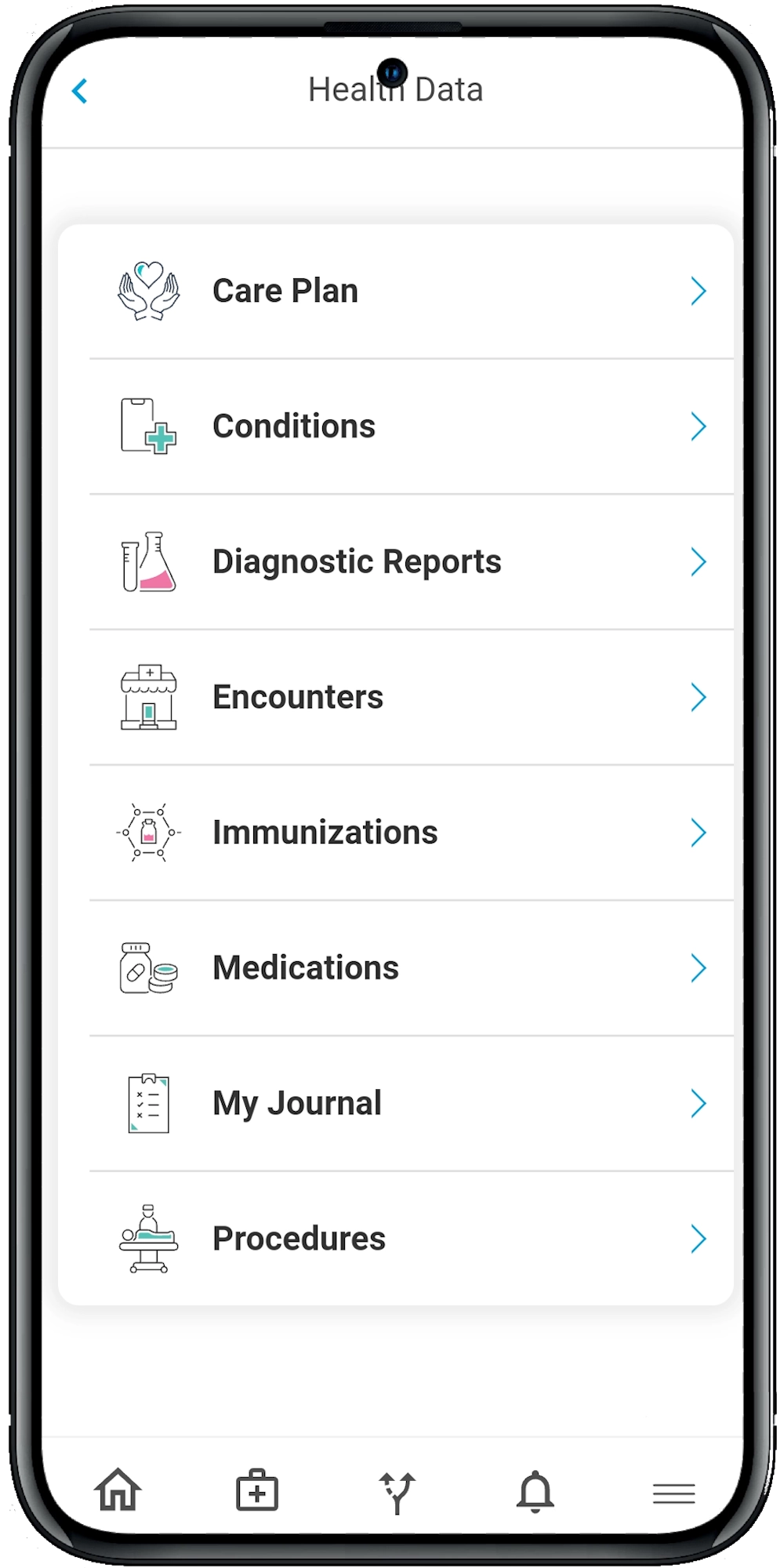
- Digital solutions for chronic conditions, fitness, recovery, mental well-being, and more.
- Daily Guidance that includes reminders, content, check-ins, and encouragement
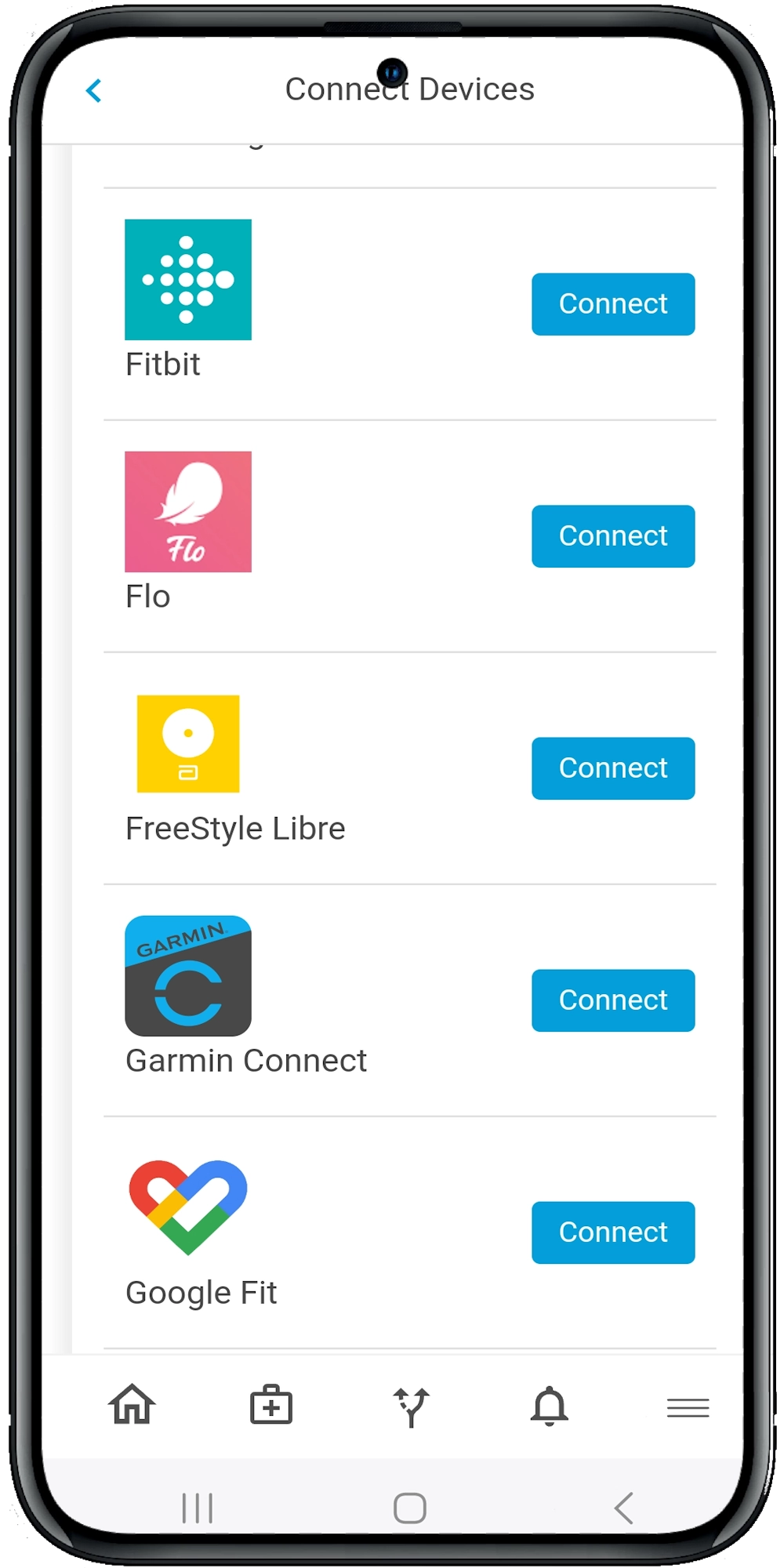
- Wearable and Device Integration to pull in data from fitness trackers, glucometers, and smartwatches
- Health Journal so users can reflect on symptoms, moods, or lifestyle changes
- AI Personalization that adapts plans based on what’s working—or not
For Providers (via Calcium Core):
- Assign and Monitor Pathways to groups or individuals
- Dashboards that show who’s compliant, who’s struggling, and who needs a nudge
- Automated Feedback Loops to adjust care plans or trigger outreach
- AI Studio that allows providers to build or tweak pathways based on real-time needs
And it’s not just chronic disease. Calcium has modules for behavioral health, post-operative care, fitness, family wellness—even rare disease management.
The Wrap
The path to better patient outcomes doesn’t have to be paved with frustration, missed follow-ups, and non-compliance. With the right digital tools, ACOs can finally move beyond reactive care and create proactive, personalized health journeys that truly stick.
A smart accountable care app bridges the gap between clinical guidance and everyday behavior—boosting engagement, strengthening outcomes, and improving the bottom line.
Calcium’s digital health platform makes this transformation possible and practical. Whether you’re managing chronic disease populations, rolling out preventive health programs, or supporting behavioral health, Calcium delivers the tools you need to guide patients every step of the way.
References
Nilmini Wickramasinghe, Teoh, S. Y., & Mercieca, P. (2015). Using Smartphones for Accountable Care and Evidence-based Decision Making in Managing Gestational Diabetes: An Australian Case Study. AIS Electronic Library (AISeL). https://aisel.aisnet.org/cais/vol37/iss1/33/
Munteanu, L. A., Frandes, M., Timar, B., Tudorache, E., Fildan, A. P., Oancea, C., & Tofolean, D. E. (2020). The efficacy of a mobile phone application to improve adherence to treatment and self-management in people with chronic respiratory disease in Romanian population – a pilot study. BMC Health Services Research, 20(1). https://doi.org/10.1186/s12913-020-05340-0
Shortell, S. M., Sehgal, N. J., Bibi, S., Ramsay, P. P., Neuhauser, L., Colla, C. H., & Lewis, V. A. (2015). An Early Assessment of Accountable Care Organizations’ Efforts to Engage Patients and Their Families. Medical Care Research and Review, 72(5), 580–604. https://doi.org/10.1177/1077558715588874
Chen, T. (2020). Assessing factors critical to smart technology applications to mobile health care − the fgm-fahp approach. Health Policy and Technology, 9(2), 194–203. https://doi.org/10.1016/j.hlpt.2020.02.005
Mora, N., Arvanitakis, Z., Thomas, M., Kramer, H., Morrato, E. H., & Markossian, T. W. (2023). Applying Customer Discovery Method to a Chronic Disease Self-Management Mobile App: Qualitative Study. JMIR Formative Research, 7, e50334. https://doi.org/10.2196/50334