Türkiye’de bahis severler için en çok tercih edilen bettilt giriş adreslerden biri olmaya devam ediyor.
Curacao lisanslı platformlar arasında güvenilirlik açısından üst sıralarda bahsegel giriş yer alan, uluslararası denetimlerden başarıyla geçmiştir.
Kazançlı bahis deneyimi arayan herkes için bettilt doğru seçimdir.
Rulet masalarında en çok tercih edilen bahis türleri arasında kırmızı/siyah ve tek/çift seçenekleri yer alır; pinco giriş bu türleri destekler.
Basketbol tutkunları için en iyi kupon fırsatları bettilt sayfasında yer alıyor.
Closing the Gaps That Disrupt Patient Care and Delay Surgeries
One misstep in communication—like a missed fasting instruction—can derail an entire surgical day. It’s a familiar story: a patient arrives unprepared, the case is cancelled, and valuable OR time is lost. For staff, it’s a scheduling headache. For surgeons, it’s wasted efficiency. And for patients, it’s a confusing, often distressing experience.
Now imagine this scenario repeating again and again, month after month, draining resources and trust from your ambulatory surgery center (ASC).
In a world where nearly everything is managed through smartphones—from banking to telemedicine—why should surgical care lag? Outdated methods like phone trees and paper packets are no match for the complexity and pace of today’s surgical environments. That’s why forward-thinking ASCs are embracing branded patient apps—not as a luxury, but as a necessity for clear, consistent, and effective communication.
Let’s dive into how a smart, customizable app can bridge those gaps and transform the surgical experience from start to finish—for patients, staff, and the bottom line.
The Real Problem: Communication in ASCs Is Still Too Manual
Many ambulatory surgery centers (ASCs) still rely on outdated methods like paper handouts, voicemails, and rushed phone calls to guide patients through complex surgical journeys. Unfortunately, these methods leave way too much room for error.
Patients forget fasting instructions. Forms go missing. Nurses waste hours chasing down follow-ups. Worst of all, you might find out on surgery day that the patient didn’t stop their blood thinner—and now you’re cancelling a procedure that’s been on the books for weeks.
It’s a communication breakdown that’s expensive, stressful, and avoidable.
So, What Exactly Is a Branded Patient App?
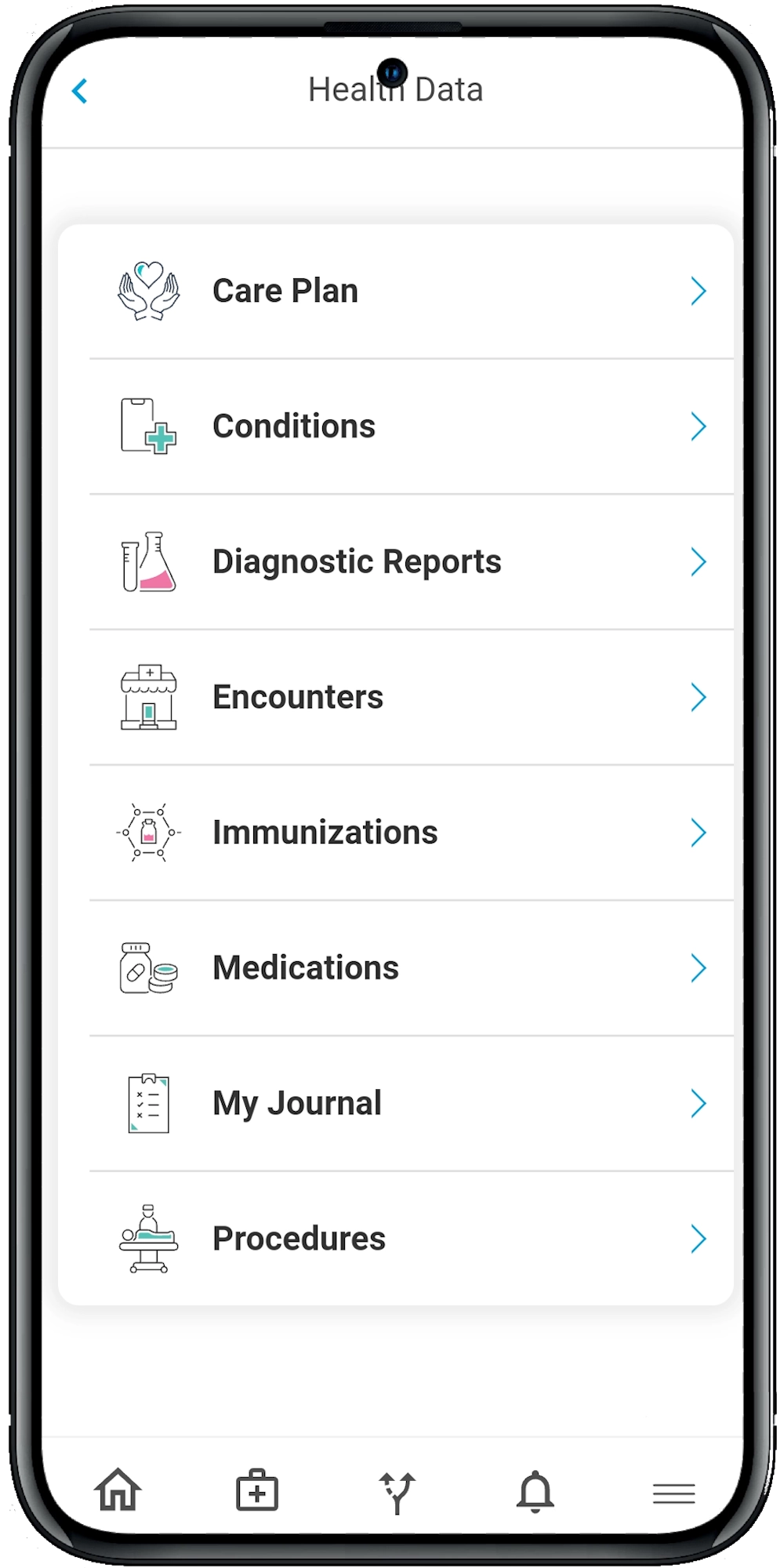
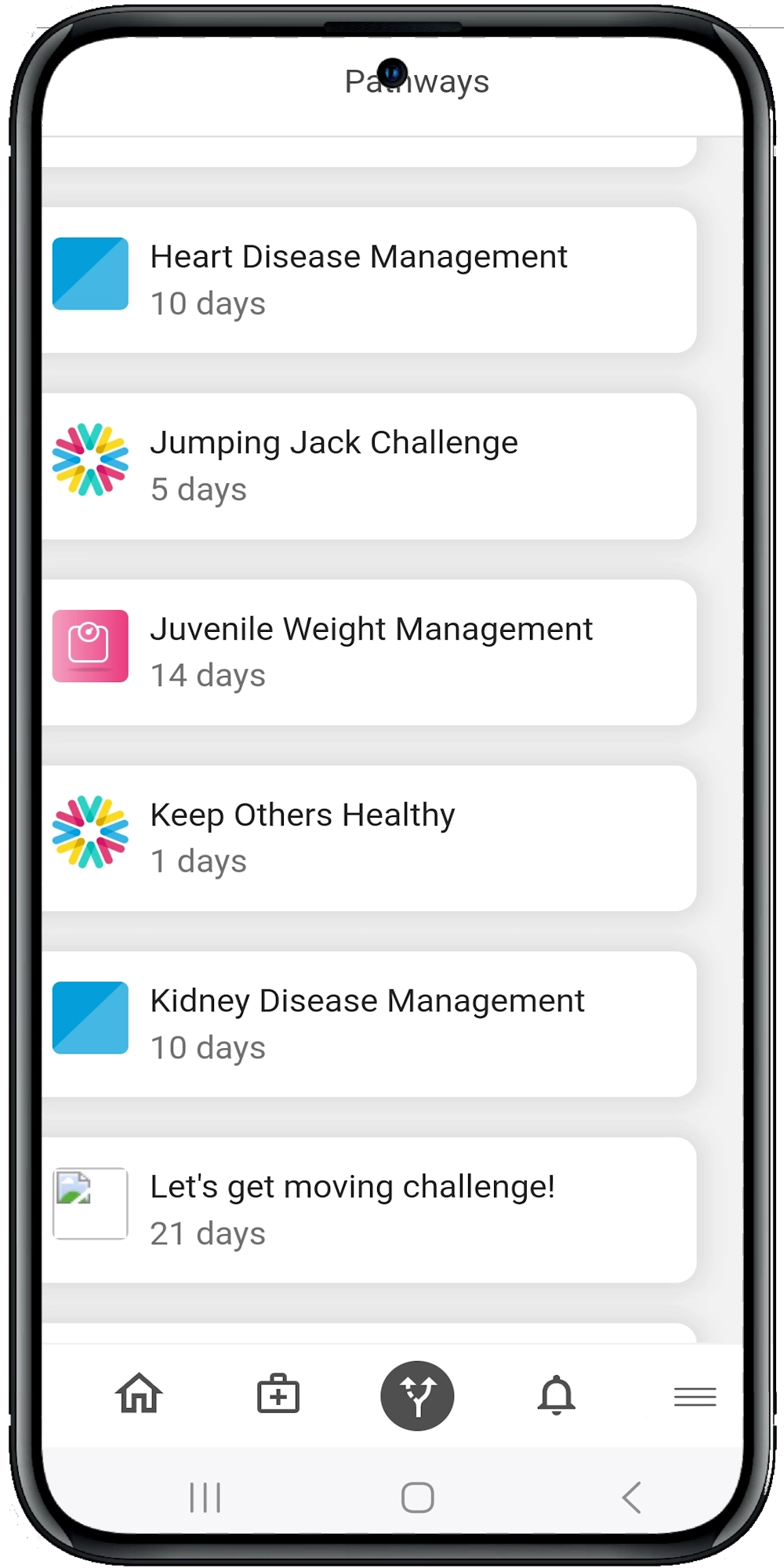
A branded patient app is a mobile application designed specifically for your surgery center. It carries your name, your logo, and your patient journey—fully customized to match how your team delivers care.
Think of it as your ASC’s digital front door. Unlike generic health apps, a branded app puts your brand in the patient’s pocket. It’s personalised, easy to use, and built around your workflows, not someone else’s template.
This level of personalisation builds trust and consistency. It lets patients know, “You’re still with us—even when you’re at home.”
7 Ways a Branded App Streamlines ASC Communication
Let’s break down the core benefits. Here are seven ways a branded surgery center app transforms how you communicate—with your patients and your team.
1. Delivers Pre-Op Instructions Clearly and On Time
Ever had a case cancelled because the patient ate breakfast or didn’t stop their meds? You’re not alone. One study found up to 27% of ambulatory surgery cancellations are tied to poor compliance with preoperative instructions. That’s nearly one in four surgeries lost because something slipped through the cracks.
A branded app tackles this head-on by sending:
- Automated reminders (fasting, medication hold, arrival time)
- Easy-to-follow checklists
- Push notifications for urgent changes
It turns instruction delivery from a guessing game into a guided experience.
2. Secure Two-Way Messaging That Doesn’t Overwhelm Staff
Traditional communication—voicemails, back-and-forth phone tag, or even texts—can get messy fast. But when your app offers secure, real-time chat, patients get answers fast, and staff can manage questions efficiently.
Apps used in neurosurgery settings showed that direct app messaging dramatically cut down post-op calls and confusion, even allowing patients to send wound photos and receive care instructions without ever stepping into the office.
3. Digitizes Consent Forms and Critical Documents
Your branded app can be your document hub, too. Patients can:
- E-sign consent forms
- Upload ID and insurance cards
- Access procedure details or lab requests
No more faxing. No more forms lost in purses or glove compartments. Everything is at their fingertips—and yours.
4. Delivers Personalised Education and FAQs
Let’s be honest—patients Google everything. But wouldn’t you rather they get their answers straight from you?
A branded app can house:
- Pre-recorded videos explaining the procedure
- Surgeon-approved FAQs
- Recovery tips tailored to the type of surgery
Studies show that when patients are given on-demand access to relevant education, their satisfaction improves, and they’re far less likely to make mistakes that delay recovery.
5. Provides Post-Op Monitoring Without In-Person Visits
After surgery, patients still need guidance, but dragging them back for routine follow-ups isn’t always necessary.
Apps with built-in post-op monitoring allow:
- Daily pain score submissions
- Wound photo uploads
- Symptom checklists to catch complications early
Research from multiple trials—including one from Women’s College Hospital—found that app-based follow-up care not only matched in-person visits for safety, but also saved over $200 per patient in healthcare and travel costs.
Some apps even reduced unnecessary ER visits by letting patients know when a concern could be safely managed at home.
6. Automates Follow-Up Reminders and PRO Surveys
Want better data on patient outcomes? Branded apps are perfect for collecting Patient-Reported Outcomes (PROs) after surgery—like pain levels, mobility, or complications.
Patients get simple prompts to answer questions at set intervals. That means you get real-world insights that support:
- Value-based care reporting
- Bundled payment models
- Continuous quality improvement
One cardiac surgery center using app-based surveys found that 98% of patients felt the app helped them recover, and nearly half avoided unnecessary calls or visits as a result.
7. Integrates Seamlessly With Staff Workflows
The best apps aren’t just “patient-facing.” They help your team work smarter.
A fully integrated branded app:
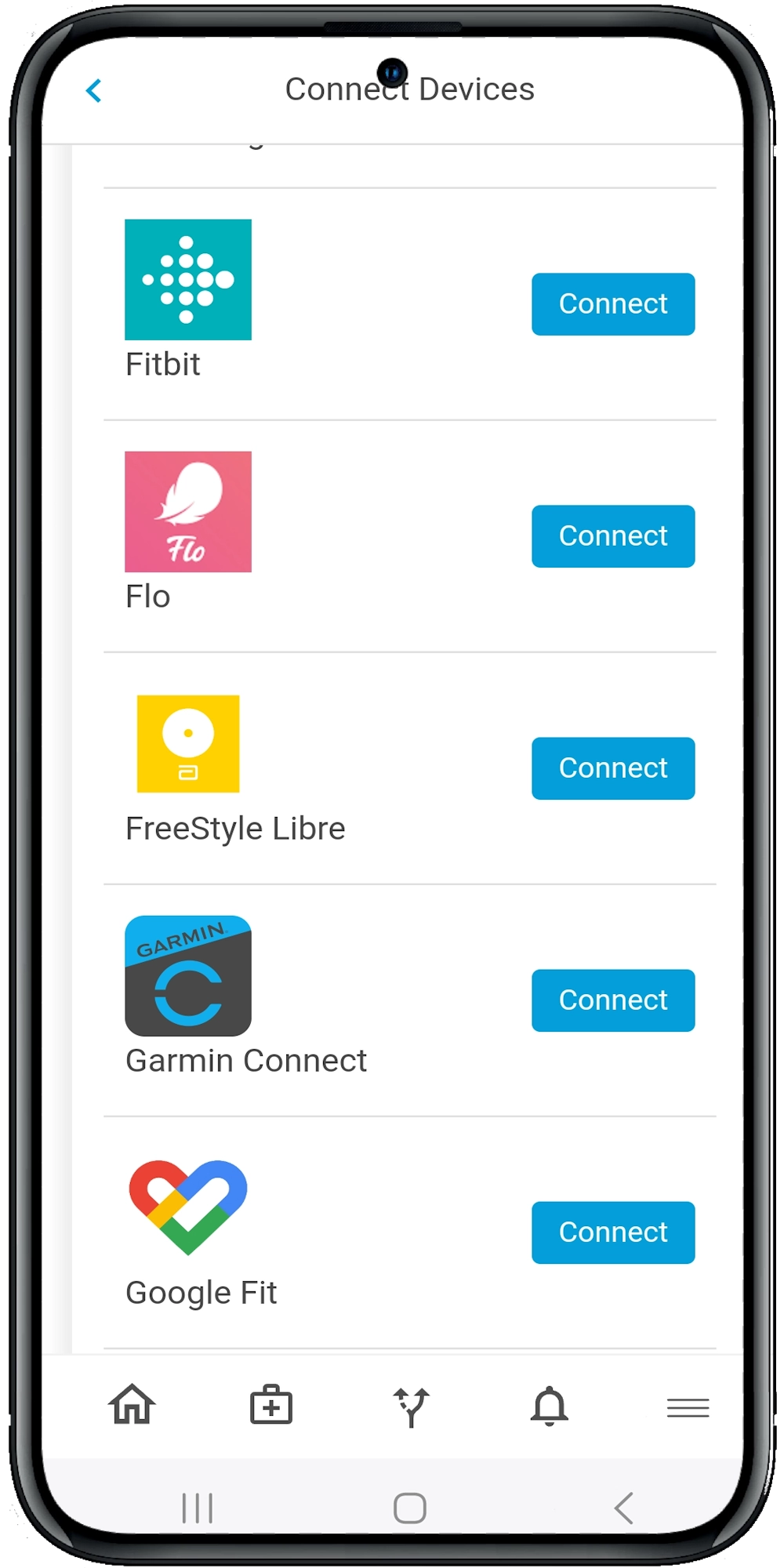
- Connects with your EHR or scheduling system
- Alerts your staff when a form is submitted or a symptom is flagged
- Reduces duplication, missed calls, and communication bottlenecks
It’s like adding another staff member who never takes a day off.
Why It’s Worth the Investment for ASCs
If you’re wondering whether a branded app moves the needle, here’s the truth: it pays for itself in operational savings and better outcomes.
A well-designed app can:
- Lower surgery cancellations
- Cut down on unnecessary follow-up visits
- Boost your reputation with referring physicians and tech-savvy patients
Plus, it reinforces your brand identity and keeps patients connected to your ASC, not some third-party portal or generic platform.
In an industry where value-based contracts and bundled payments are becoming the norm, having the tools to track, engage, and support patients beyond the walls of your facility is no longer optional—it’s strategic.
The Wrap
Patient communication shouldn’t be a bottleneck—it should be your surgical center’s greatest strength. In high-volume ASC environments, delays, miscommunication, and outdated processes can lead to unnecessary cancellations and compromised care. A branded patient app changes that, creating a continuous digital connection from pre-op to recovery. It empowers patients, streamlines workflows, and ensures your care teams stay in sync.
If your ASC still relies on paper packets and phone trees, now is the time to modernise your approach. Calcium offers a fully customizable, HIPAA-compliant digital health platform designed for today’s mobile-first patients. Whether your goal is to reduce costs, improve clinical outcomes, or enhance the patient experience, our technology delivers.
Reference
- Walid Ben-Ali, Lamarche, Y., Carrier, M., Demers, P., Bouchard, D., Ismail El-Hamamsy, Cartier, R., Pellerin, M., & Perrault, L. P. (2021). Use of Mobile-Based Application for Collection of Patient-Reported Outcomes in Cardiac Surgery. Innovations, 16(6), 536–544. https://doi.org/10.1177/15569845211045677
- Armstrong, K. A., Semple, J. L., & Coyte, P. C. (2014). Replacing Ambulatory Surgical Follow-Up Visits With Mobile App Home Monitoring: Modeling Cost-Effective Scenarios. Journal of Medical Internet Research, 16(9), e213. https://doi.org/10.2196/jmir.3528
- Felbaum, D. R., Stewart, J. J., Anaizi, A. N., Sandhu, F. A., Nair, M. N., & Voyadzis, J.-M. (2017). Implementation and Evaluation of a Smartphone Application for the Perioperative Care of Neurosurgery Patients at an Academic Medical Center: Implications for Patient Satisfaction, Surgery Cancelations, and Readmissions. Operative Neurosurgery, 14(3), 303–311. https://doi.org/10.1093/ons/opx112
- Armstrong, K. A., Coyte, P. C., Bhatia, R. S., & Semple, J. L. (2015). The Effect of Mobile App Home Monitoring on Number of In-Person Visits Following Ambulatory Surgery: Protocol for a Randomized Controlled Trial. JMIR Research Protocols, 4(2), e65. https://doi.org/10.2196/resprot.4352
- Herrera-Usagre, M., Santana, V., Burgos-Pol, R., Oliva, J. P., Sabater, E., Rita-Acosta, M., Casado, M. A., Cruces, S., Pacheco, M., & Solorzano Perez, C. (2019). Effect of a Mobile App on Preoperative Patient Preparation for Major Ambulatory Surgery: Protocol for a Randomized Controlled Trial. JMIR Research Protocols, 8(1), e10938. https://doi.org/10.2196/10938
6. Tang, M.-Y., Li, Z.-C., Dai, Y., & Li, X.-L. (2019). What Kind Of A Mobile Health App Do Patients Truly Want? A Pilot Study Among Ambulatory Surgery Patients. Patient Preference and Adherence, Volume 13, 2039–2046. https://doi.org/10.2147/ppa.s220207