Türkiye’de bahis severler için en çok tercih edilen bettilt giriş adreslerden biri olmaya devam ediyor.
Curacao lisanslı platformlar arasında güvenilirlik açısından üst sıralarda bahsegel giriş yer alan, uluslararası denetimlerden başarıyla geçmiştir.
Kazançlı bahis deneyimi arayan herkes için bettilt doğru seçimdir.
Rulet masalarında en çok tercih edilen bahis türleri arasında kırmızı/siyah ve tek/çift seçenekleri yer alır; pinco giriş bu türleri destekler.
Basketbol tutkunları için en iyi kupon fırsatları bettilt sayfasında yer alıyor.
How Smarter Digital Tools Empower Teams, Streamline Care, and Support Whole-Person Health.
Multi-specialty practices are becoming the new normal in today’s healthcare arena. From cardiology to behavioral health to orthopedics, patients are rarely treated by just one provider—and that’s a good thing. Coordinated, whole-person care leads to better outcomes. But behind the scenes, this complexity creates one major challenge: managing it all with a health care EHR system that wasn’t built for the job.
Most EHRs were designed with a narrow focus, built for one specialty, one workflow, or one setting. That doesn’t cut it anymore. Practices need systems that can flex across departments, unify patient data, and support both clinical and business goals—without forcing teams to compromise. So how do you choose the right platform when the stakes are this high?
This post explores exactly what multi-specialty practices should look for in an EHR—and why the future of collaborative care depends on getting that choice right.
Delivering great care across multiple specialties isn’t easy. Each specialty brings its own set of clinical workflows, documentation styles, care coordination needs and regulatory requirements. Trying to force all of that into a rigid, traditional EHR system? That’s a recipe for frustration—and inefficiency.
If you’re part of a multi-specialty group, you’ve likely seen firsthand how EHR limitations create real-world headaches. From fractured data to clunky user interfaces, these systems often make collaboration harder, not easier. And in a healthcare landscape that’s increasingly focused on outcomes and value, those roadblocks can impact both patient safety and financial performance.
So what exactly should multi-specialty practices look for in an EHR? And how does the Calcium Digital Health Platform deliver where legacy systems fall short? Let’s break it down.
Why Multi-Specialty Practices Struggle With Traditional EHRs
Most EHRs were designed with a single-user profile in mind—typically a primary care physician working in a hospital or outpatient setting. But when you’re coordinating care between cardiology, orthopedics, behavioral health, endocrinology and beyond, that cookie-cutter approach doesn’t hold up.
Here’s why standard EHRs struggle to meet the needs of multi-specialty groups:
- They lack flexibility to support different clinical workflows
- They create data silos across departments
- They don’t account for the nuances of cross-specialty care coordination
- They offer limited tools for population health and risk-based care models
- They rarely include robust patient engagement features
Let’s explore each challenge—and how the right platform can turn these issues into strengths.
The EHR Features Multi-Specialty Practices Actually Need
Choosing the right EHR platform starts with knowing what to look for. Here are seven must-have features that multi-specialty practices should prioritize:
1. True Interoperability
If your systems don’t talk to each other, your care teams can’t either. Your platform should make it easy to share data across providers, hospitals and external labs. It should use national standards like HL7 and FHIR to pull in everything from labs and medications to referrals and diagnostics.
Without this kind of interoperability, you’re flying blind during care transitions.
2. Custom Workflows by Specialty
An orthopedic surgeon doesn’t chart the same way a psychiatrist does—and they shouldn’t have to. You need customizable templates, dashboards and documentation flows that match each specialty’s clinical and billing needs.
Rigid systems force workarounds. The right platform fits your practice, not the other way around.
3. A Unified, Longitudinal Patient Record
Patients don’t come with separate records for each body part. You need a holistic view of the patient’s journey—across specialties, across visits, across time. That means a single record that aggregates all data points and allows care teams to see the full context.
Fragmented records are one of the biggest contributors to duplicate testing, delayed diagnoses and medical errors.
4. Built-In Behavioral Health Support
Mental health is healthcare, and it can’t be an afterthought. Your EHR should support secure, compliant integration of behavioral health data. That includes special access controls for sensitive records, plus workflows for conditions like anxiety, depression and substance use disorders.
A platform that excludes behavioral health contributes to fragmented, ineffective care.
5. Population Health & Analytics Tools
Value-based care is here to stay. Multi-specialty practices need tools that help them stratify risk, monitor quality metrics and proactively manage high-risk patients. That means built-in dashboards, reporting tools and analytics features that don’t require a data scientist to use.
When your EHR can’t support population health, you’re leaving outcomes—and dollars—on the table.
6. Patient-Facing Features
Engaged patients have better outcomes. Your platform should give them mobile access to their records, lab results, appointment history, care plans and messaging. Bonus points if it can integrate with wearables and home devices to track vitals and medication adherence.
If your patients can’t access their data, how can they help manage their health?
7. Cloud-Based and Scalable
Practices grow, merge and evolve. Your EHR should be flexible enough to scale with you. Cloud-based platforms make it easier to add users, launch new service lines and support remote access—all without the burden of heavy IT infrastructure.
Scalability isn’t just a tech perk—it’s a business essential.
What the Research Says About EHR Gaps
Decades of research have echoed these concerns. In the summaries.docx file, three landmark studies shed light on what’s broken—and what needs to change.
- Kalra’s study (2006) emphasized the lack of meaningful interoperability. He found that most systems failed to preserve clinical intent and context during data transfers, turning patient records into lifeless archives.
- Ambinder’s analysis (2005) highlighted how poor design in EHRs was making things harder for oncologists. Cluttered screens, fragmented information and irrelevant prompts disrupted critical workflows.
- Hoerbst & Ammenwerth (2010) compiled more than 1,100 quality requirements for EHR systems—and concluded that most fail on usability, security, interoperability and patient empowerment.
Across the board, the message is clear: EHRs aren’t failing because they’re digital. They’re failing because they’re not built for the complex, real-world environments they’re supposed to serve.
How the Calcium Digital Health Platform Gets It Right
Calcium isn’t trying to replace your existing EHR—it’s here to make it work better. Designed for modern, multi-specialty practices, Calcium includes two core components:
Calcium Core (For Providers)
This provider-facing platform delivers:
- A unified, contextual patient record
- Specialty-specific workflows that match real-world practice needs
- Predictive insights and care gap detection
- Integration with legacy EHRs, labs, devices and health systems
Calcium Super App (For Patients)
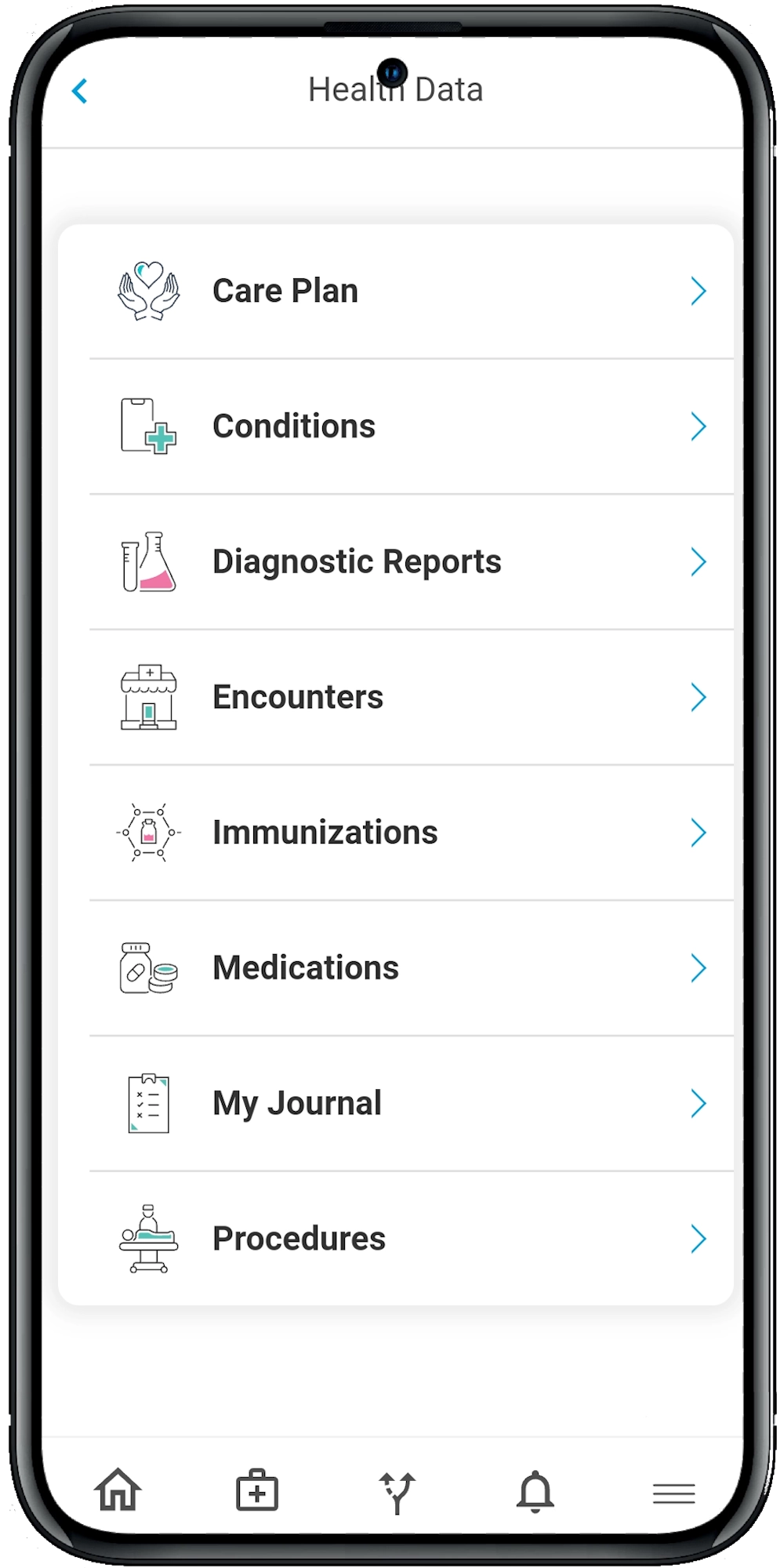
This patient-facing mobile app gives users:
- Real-time access to their health records and results
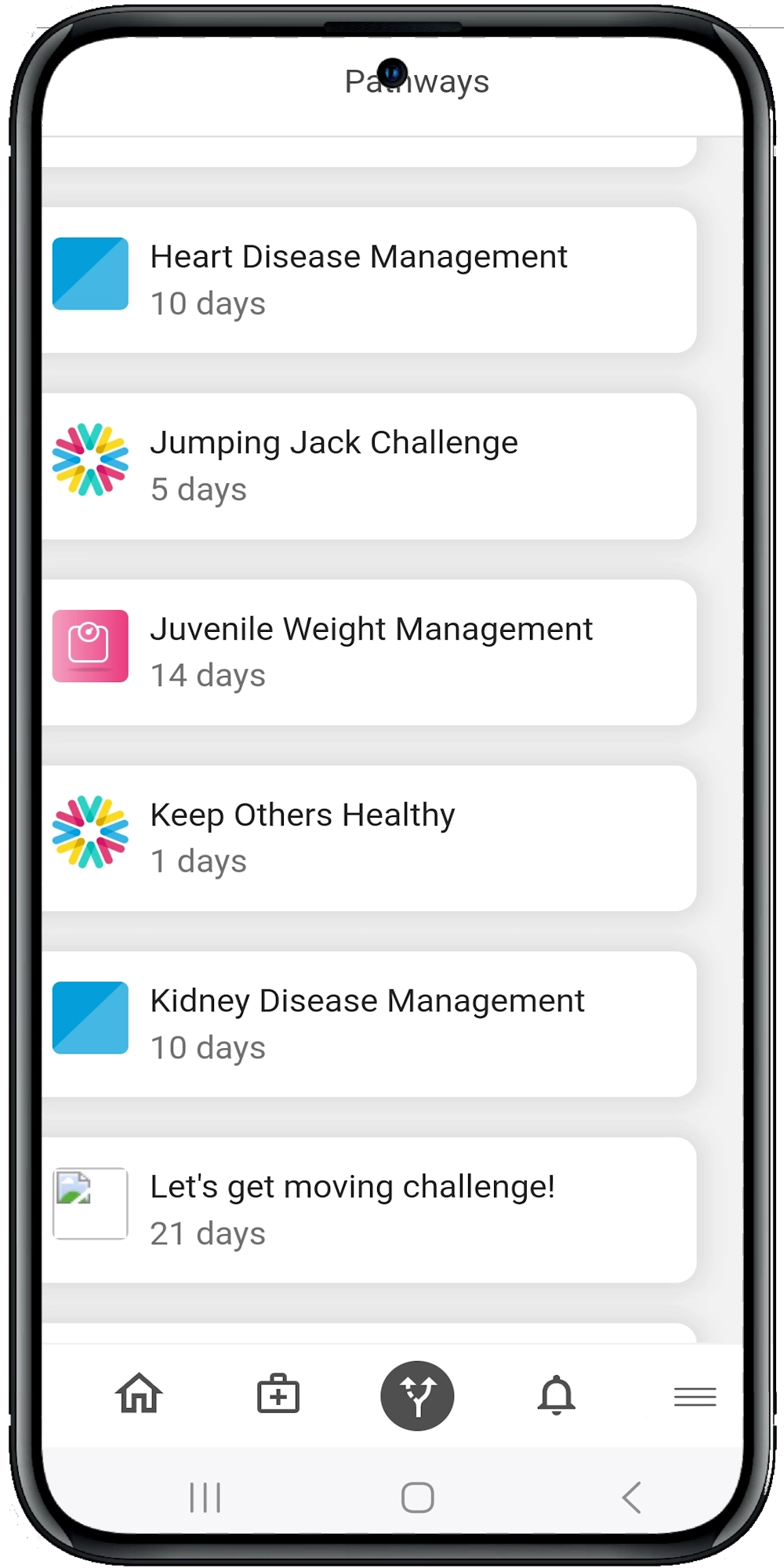
- Tools to manage medications, track vitals and follow care pathways
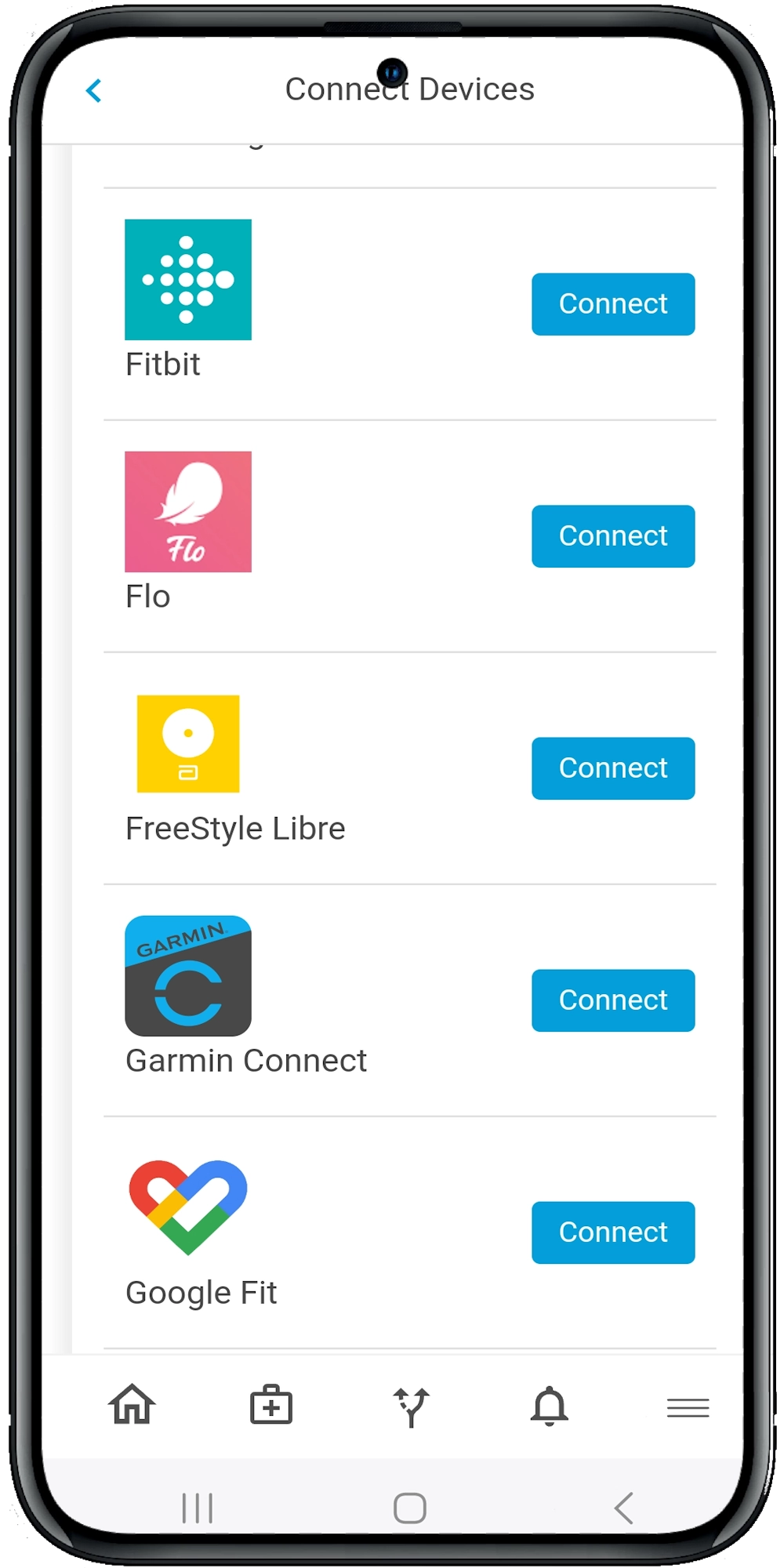
- Integration with devices like Apple Health and Fitbit
- Secure communication with care teams
Together, these tools solve the core EHR challenges we outlined earlier—without requiring a full system replacement.
Calcium in Action: Real-World Use Cases
Want to see how it works in practice? Here are a few quick examples:
- A cardiologist and behavioral health provider coordinate care for a patient with hypertension and anxiety, using shared notes and care plans through Calcium Core.
- A patient recovering from knee surgery uses the Super App to track pain, complete post-op exercises and check in virtually with ortho and physical therapy.
- An endocrinologist, nephrologist and PCP jointly manage a diabetic patient’s labs and vitals using a unified, real-time record—cutting out redundant tests and improving A1C management.
Key Takeaway for Practice Leaders
Multi-specialty care is only getting more complex—but your EHR platform doesn’t have to be. By choosing a solution that prioritizes interoperability, configurability, patient engagement and real-time insights, you can deliver safer, more efficient care across the board.
The right EHR platform can make or break a multi-specialty practice. When systems don’t communicate, workflows break down, and patients fall through the cracks. But when your technology works with you—not against you—it opens the door to truly coordinated, high-quality care across every specialty.
That’s where Calcium stands out. More than just another health care EHR, Calcium is a smart, patient-centered digital health platform designed to unify data, streamline workflows, and empower both providers and patients. Whether you’re managing complex chronic conditions or coordinating across multiple departments, Calcium adapts to your needs—without forcing a full system overhaul.
Reference
- Kalra, D. (2006). Electronic Health Record Standards. In R. Haux & C. Kulikowski (Eds.), IMIA Yearbook of Medical Informatics 2006 (pp. 136–144). IMIA and Schattauer GmbH. Retrieved from https://www.schattauer.de.
- Ambinder, E. P. (2005). Oncology Enters the Information Age. Journal of Oncology Practice, 1(2), 57–63. Retrieved from https://www.jopasco.org.
- Hoerbst, A., & Ammenwerth, E. (2010). Electronic Health Records: A Systematic Review on Quality Requirements. Methods of Information in Medicine, 49(4), 1–9. Schattauer GmbH. Retrieved from https://www.schattauer.de.
- Häyrinen, K., Saranto, K., & Nykänen, P. (2008). Definition, structure, content, use and impacts of electronic health records: A review of the research literature. International Journal of Medical Informatics, 77(5), 291–304. Elsevier Ireland Ltd. Retrieved from https://doi.org/10.1016/j.ijmedinf.2007.09.001