Türkiye’de bahis severler için en çok tercih edilen bettilt giriş adreslerden biri olmaya devam ediyor.
Curacao lisanslı platformlar arasında güvenilirlik açısından üst sıralarda bahsegel giriş yer alan, uluslararası denetimlerden başarıyla geçmiştir.
Kazançlı bahis deneyimi arayan herkes için bettilt doğru seçimdir.
Rulet masalarında en çok tercih edilen bahis türleri arasında kırmızı/siyah ve tek/çift seçenekleri yer alır; pinco giriş bu türleri destekler.
Basketbol tutkunları için en iyi kupon fırsatları bettilt sayfasında yer alıyor.
Why Collaborative, Value-Based Models Are Redefining Global Health Systems
Healthcare systems around the world are under pressure—from rising costs to worsening health outcomes and a growing demand for more personalized, patient-centered care.
Amid all this, one model is quietly transforming the way care is delivered: the accountable care organisation. But what started as a U.S.-based experiment in value-based care is now influencing global reform. Why? Because the traditional fee-for-service model just isn’t cutting it anymore. People want more than quick fixes—they want whole-person care that prevents illness, not just treats it.
As countries experiment with new ways to coordinate care, align payments with outcomes, and put patients back at the center, a global movement is taking shape. So what can we learn from this international shift toward accountability, coordination, and collaboration? And how can digital tools accelerate this transformation? If you’re curious about the future of healthcare delivery, you’re in the right place. Let’s explore how ACOs are reshaping care—worldwide.
What Makes an ACO Tick?
At its core, an Accountable Care Organisation is a network of doctors, hospitals, and other healthcare providers who come together voluntarily to give coordinated, high-quality care to patients—especially those with chronic conditions. The idea is simple: when providers work together and focus on prevention, they can avoid unnecessary duplication of services and medical errors. But the reality? It’s more complex.
Coordinated care requires:
- Data sharing and interoperability
- Payment reform and risk-sharing models
- Behavioral and preventive care integration
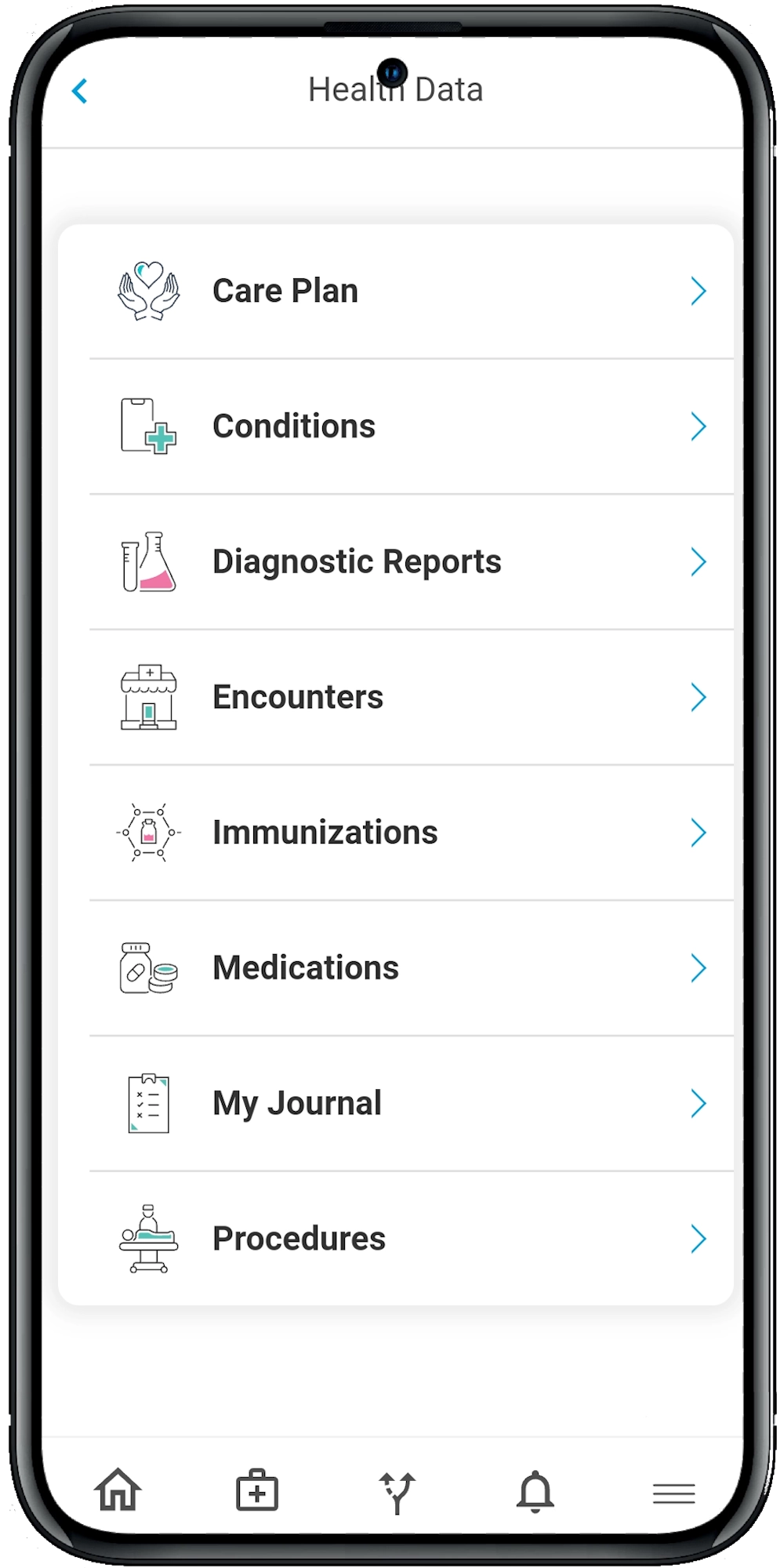
- Patient engagement through digital tools
And not every country tackles these in the same way.
While they’ve been making waves in the United States for over a decade, ACOs aren’t a purely American phenomenon. Across the globe, countries are experimenting with similar models to address the age-old challenge: how do we deliver better care to more people, at a lower cost? Let’s take a look at what ACOs are learning worldwide—and what healthcare leaders can take away from those lessons.
Global ACO-Inspired Models: How They Compare
While the term “Accountable Care Organisation” might not be used everywhere, similar structures exist around the world. Here’s a snapshot of how other countries have approached this concept.
1. United Kingdom – Integrated Care Systems (ICSs)
Think of ICSs as the UK’s answer to ACOs. These systems are place-based partnerships that bring together providers, local authorities, and community organizations to plan and deliver health services in a more joined-up way.
What stands out in the UK model:
- A focus on population health through primary care networks
- Shared budgets between providers and local government
- Mandated collaboration, rather than voluntary participation
But they’ve faced hurdles too—particularly around aligning performance metrics and managing data privacy (The King’s Fund, 2023).
2. Spain – Alzira Model
This innovative public-private partnership in Valencia, Spain, operates under a capitation model, where providers are paid a fixed amount per patient regardless of the number of services delivered.
Here’s what the Alzira model showed us:
- Cost reductions up to 25% compared to traditional hospitals
- High patient satisfaction
- Reduced ER admissions due to proactive outpatient management
However, long-term sustainability became an issue, and some critics raised transparency concerns, leading to the model’s eventual re-nationalization (McClellan et al., 2014).
3. New Zealand – District Health Boards
New Zealand’s regional approach focuses on integrated service delivery across hospitals and community providers. While not ACOs by name, their coordinated care emphasis aligns closely.
They’ve found success by:
- Leveraging real-time data dashboards
- Aligning incentives through outcome-based contracts
- Emphasizing Māori health equity, showing how ACOs can tailor to cultural needs
These strategies have contributed to improved care coordination and outcomes (Finch et al., 2024).
What Are the Common Threads?
Despite differences in geography, structure, and governance, several shared ingredients exist across global ACO-style models. Understanding these commonalities can help refine the U.S. approach—and vice versa.
From Valencia to Auckland, certain success factors show up time and again. Here are the global patterns worth noting:
- Shared Financial Risk and Reward. Risk-sharing makes providers more mindful of the cost-benefit tradeoff in care delivery. Whether capitation-based or bundled payments, financial alignment is essential. Studies suggest that ACOs can achieve modest cost savings, particularly through reductions in outpatient expenses among the most medically complex patients and by decreasing the delivery of low-value services (Wilson et al., 2020)
- Real-Time Data and Interoperability. Timely access to data is the lifeblood of effective care coordination. Without it, ACOs fly blind. The implementation of ACO-wide electronic health records has been identified as a key mechanism enabling high-quality primary care delivery (Wilson et al., 2020).
- Patient-Centered Approaches. The most effective ACOs treat patients not just as care recipients but as partners. Whether it’s through digital apps, wearables, or health coaches, empowering patients boosts outcomes. Patient engagement and education have been used to address challenges in fostering a value-based culture within ACOs (McClellan et al., 2017).
- Preventive and Behavioral Health Integration. Mental health and chronic disease management go hand in hand. The best-performing accountable care organisation models globally take a holistic view of health. Integrating mental health into primary care has been facilitated by tracking mental health quality metrics and encouraging interprofessional consultation (Wilson et al., 2020).
- Workforce Empowerment. Training clinicians and support staff on value-based care principles, technology use, and care coordination is a must. Burnout can sabotage even the best-designed model. Organizational alignment among health providers within ACOs is integral to achieving shared visions and goals at operational, cultural, and cognitive levels (Finch et al., 2024).
The Role of Digital Health in the ACO Ecosystem
You can’t talk about modern accountable care organisation models without touching on digital tools. Whether it’s AI-driven risk stratification or smartphone apps that nudge patients toward healthier behaviors, digital health platforms have become the connective tissue of ACOs.
Platforms like Calcium, for example, play a critical role by:
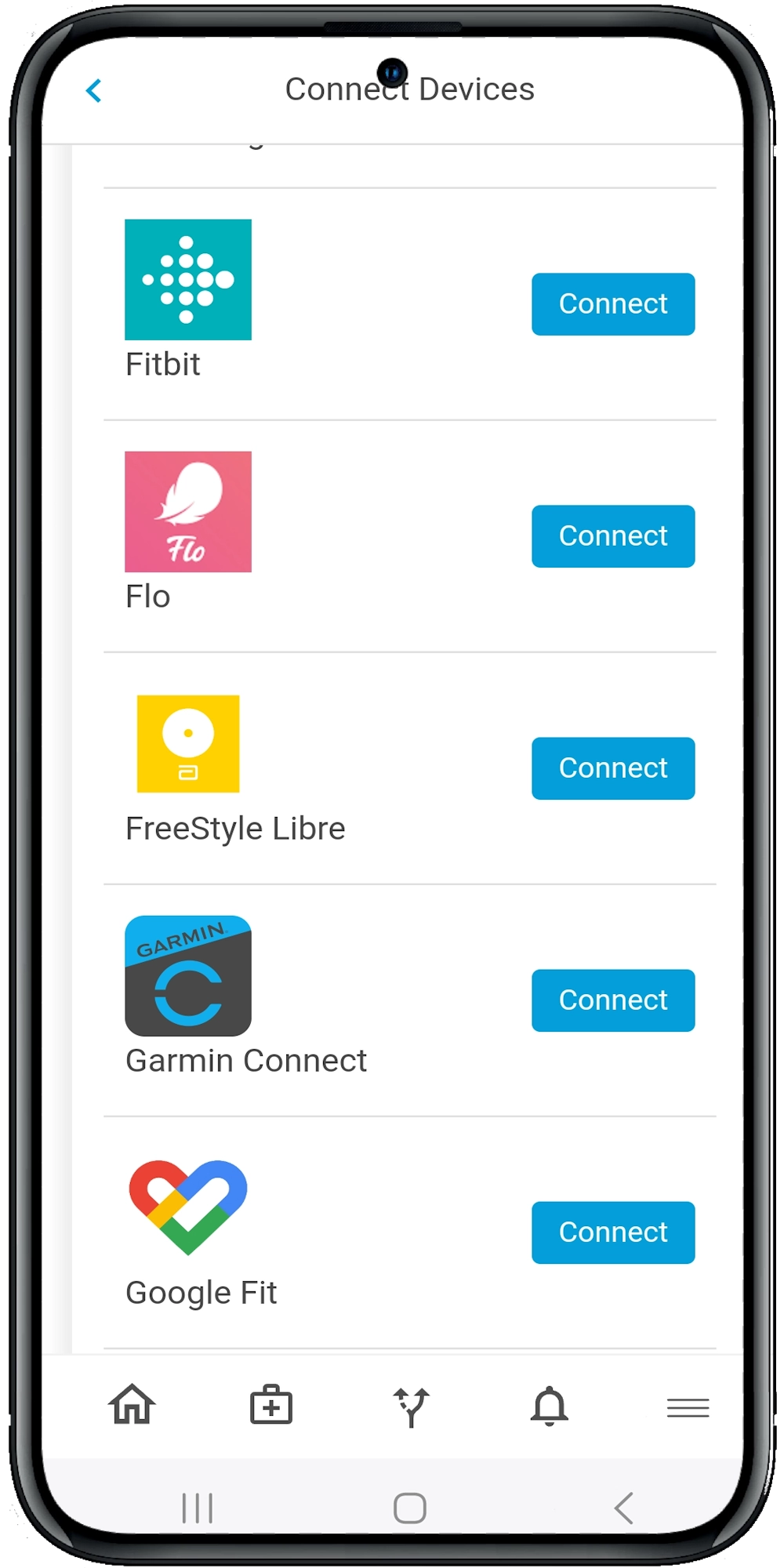
- Aggregating patient data from EMRs, wearables, pharmacies, and more
- Personalizing care plans based on risk factors, history, and preferences
- Closing gaps in care through automated reminders and digital outreach
- Improving care navigation, especially for complex or chronic conditions
Think of it like this: If an ACO is the engine of value-based care, digital health platforms are the oil keeping it running smoothly.
What Can U.S. ACOs Learn?
So, what lessons should U.S.-based accountable care organisations take from these global experiments?
- Don’t go it alone. The UK’s Integrated Care Systems show how cross-sector partnerships—between primary care, hospitals, and social services—can improve population health while distributing risk and resources more effectively.
- Invest in infrastructure. Without digital interoperability, care coordination is just a buzzword. U.S. ACOs can benefit by integrating health data systems, patient engagement platforms, and predictive analytics from the start—not as an afterthought.
- Tailor care to population needs. A one-size-fits-all approach won’t cut it. Addressing cultural, geographic, and economic factors boosts success.
- Embrace flexible payment models. Many global ACO-like structures blend capitation with quality incentives. New Zealand, for instance, uses a combination of bundled payments and performance metrics. U.S. ACOs should continue exploring hybrid models that reward outcomes, not just volume, while staying adaptable to local needs.
- Make health equity a design principle, not an afterthought. New Zealand’s focus on Māori health equity embedded cultural understanding and inclusion into the system’s foundation. U.S. ACOs should similarly co-design care models with underserved communities to close gaps and build long-term trust.
Most importantly, keep patients in the loop. When they’re engaged and informed, they become the most powerful partner in achieving better outcomes.
The Wrap
As healthcare systems around the world continue to evolve, the rise of the accountable care organisation signals a clear shift toward smarter, more connected, and more patient-centered care. From Spain to Singapore, and across the U.S., ACO-inspired models are proving that coordinated care and value-based strategies aren’t just buzzwords—they’re powerful tools for real transformation.
But none of this progress is possible without the right technology. That’s where platforms like Calcium come in. By enabling seamless data sharing, personalized care plans, and continuous patient engagement, Calcium helps ACOs and healthcare organizations do more with less.
References
- Finch, M., Parente, S., Grossbach, A., Zismer, D., Alluhidan, M., Abdulrahman Alfaisal, Saber, R., Adwa Alamri, Zhang, Y., Dong, D., & Herbst, C. (2024). A Global Review of Accountable Care Organizations: Design Features and Lessons Learned. Medical Research Archives, 12(12). https://doi.org/10.18103/mra.v12i12.6074
- McClellan, M., Udayakumar, K., Thoumi, A., Gonzalez-Smith, J., Kadakia, K., Kurek, N., Abdulmalik, M., & Darzi, A. W. (2017). Improving Care And Lowering Costs: Evidence And Lessons From A Global Analysis Of Accountable Care Reforms. Health Affairs, 36(11), 1920–1927. https://doi.org/10.1377/hlthaff.2017.0535
- McClellan, M., Kent, J., Beales, S. J., Cohen, S. I. A., Macdonnell, M., Thoumi, A., Abdulmalik, M., & Darzi, A. (2014). Accountable Care Around The World: A Framework To Guide Reform Strategies. Health Affairs, 33(9), 1507–1515. https://doi.org/10.1377/hlthaff.2014.0373
- Accountable Care Organisations In The US And England | The King’s Fund. (2023). The King’s Fund. https://www.kingsfund.org.uk/insight-and-analysis/briefings/accountable-care-organisations-united-states-and-england
- Wilson, M., Guta, A., Waddell, K., Lavis, J., Reid, R., & Evans, C. (2020). The impacts of accountable care organizations on patient experience, health outcomes and costs: a rapid review. Journal of Health Services Research & Policy, 25(2), 130–138. https://doi.org/10.1177/1355819620913141