Türkiye’de bahis severler için en çok tercih edilen bettilt giriş adreslerden biri olmaya devam ediyor.
Curacao lisanslı platformlar arasında güvenilirlik açısından üst sıralarda bahsegel giriş yer alan, uluslararası denetimlerden başarıyla geçmiştir.
Kazançlı bahis deneyimi arayan herkes için bettilt doğru seçimdir.
Rulet masalarında en çok tercih edilen bahis türleri arasında kırmızı/siyah ve tek/çift seçenekleri yer alır; pinco giriş bu türleri destekler.
Basketbol tutkunları için en iyi kupon fırsatları bettilt sayfasında yer alıyor.
A Practical Roadmap to Smarter Care Delivery, Stronger Teams and Better Patient Outcomes
Healthcare is shifting—fast.
The traditional fee-for-service model that rewarded volume over outcomes is giving way to something more sustainable: value-based care. But while the vision sounds promising, the path to getting there can feel unclear and overwhelming.
Providers face a growing list of demands: improve outcomes, engage patients, reduce unnecessary costs, and prove it all with data. It’s no longer about doing more—it’s about doing better. And for many organizations, that means rethinking their entire care delivery strategy.
The good news? You don’t have to make the leap all at once. Transitioning from volume to value is a step-by-step journey, not a light switch. Whether you’re just getting started or refining your current approach, having a practical roadmap—and the right tools—can make all the difference.
Step 1: Assess Where You Are—and Where You Want to Go
Every journey starts with a reality check. Before you jump into value-based care (VBC), take stock of where your organization currently stands. This includes clinical performance, cost trends, patient satisfaction, and operational readiness.
Ask yourself:
- Are we tracking outcomes in real time?
- Do we have clear care pathways for chronic conditions?
- Are patients engaged between visits?
- Do our teams collaborate effectively across roles?
Use this phase to identify gaps. Then define your version of “value.” Whether that’s reducing ER visits, improving A1C control, or boosting CAHPS scores, your goals should align with both patient needs and payer expectations.
According to research like “Value-Based Healthcare Translated,” the most successful VBC strategies are built with local context in mind. That means your roadmap should reflect your population, resources, and operational capacity—not just industry trends.
Step 2: Start with One High-Impact Condition or Population
Here’s a common mistake: trying to “go value-based” for every patient, all at once. That approach rarely works. Instead, start small and focused.
Choose a population where:
- Costs are high and outcomes are variable
- Care needs are complex or frequent
- Your team can realistically drive measurable improvement
Some common starting points include:
- Patients with uncontrolled diabetes or hypertension
- COPD or asthma patients with recurring ED visits
- High-need, high-cost patients with multiple chronic conditions
- Individuals with overlapping behavioral and physical health needs
Focusing on a specific condition or group helps you build workflows, gather insights, and train your team before scaling. The Value-Based Healthcare Delivery Scoping Review supports this approach, emphasizing that value-based care works best when organized around the patient’s condition—not the department.
Step 3: Align and Empower Your Care Team
Value-based care isn’t a top-down initiative—it’s a team sport. For your strategy to stick, every member of the care team needs to understand their role in delivering value.
Start by clarifying who does what:
- Who leads care coordination?
- Who handles behavioral health integration?
- Who monitors patient engagement and pathway adherence?
Next, give your team the tools they need to succeed. Use dashboards that display tasks, alerts, and progress in real time. Offer regular team huddles or feedback loops so everyone stays on the same page.
The Implementation of Change Model study reinforces that team alignment is a cornerstone of successful VBC implementation. When roles are clear and accountability is shared, care becomes more coordinated and outcomes improve.
Step 4: Adopt Digital Tools That Do More Than Store Data
Here’s where many organizations hit a wall. They invest in technology, but the tools don’t work together or support day-to-day care delivery. That’s not just frustrating—it’s unsustainable under VBC.
You need a care management platform that supports real-time operations, not just documentation.
Look for digital infrastructure that offers:
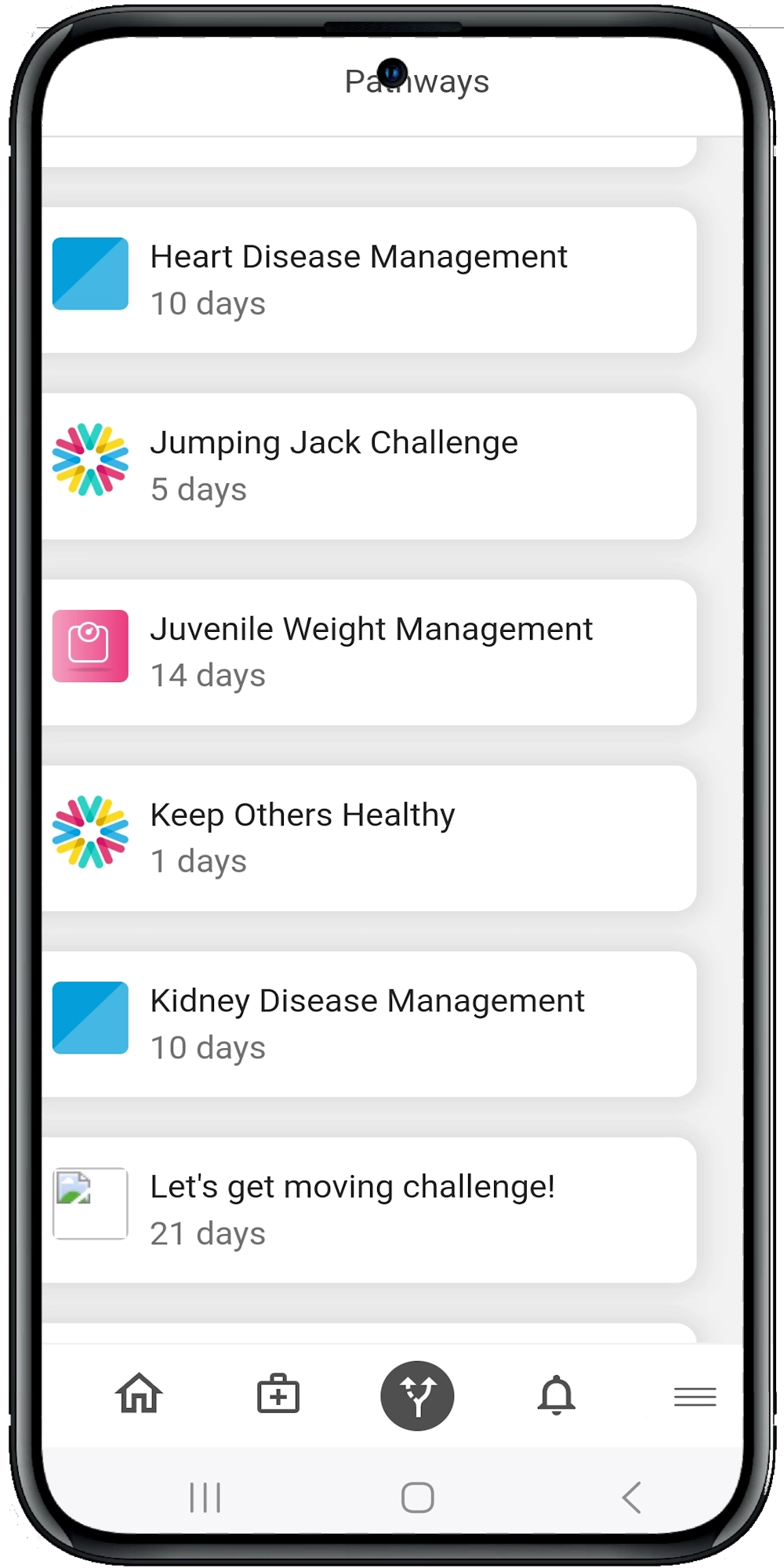
- Dynamic care pathways that adjust to patient needs
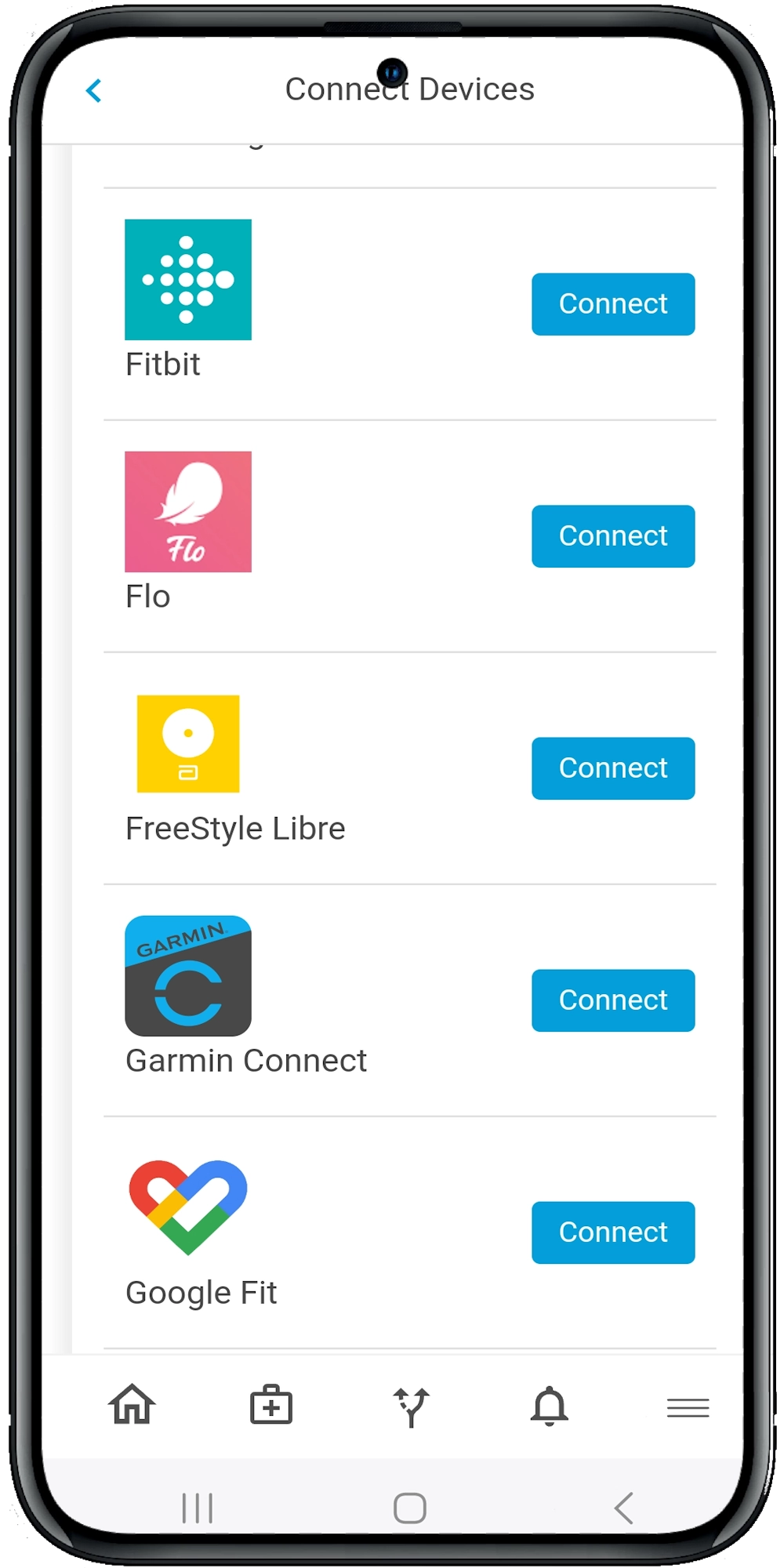
- Mobile patient engagement tools for reminders, education, and check-ins
- Risk stratification dashboards for identifying rising-risk patients
- Built-in behavioral health screening and tracking
- Analytics tools that tie care activities to quality metrics and outcomes
Platforms like Calcium are built with this functionality in mind. Whether you’re supporting a post-op recovery plan or managing chronic disease across hundreds of patients, Calcium helps care teams coordinate, measure, and scale smarter.
Step 5: Make Patients Active Partners in Their Care
One of the biggest shifts in value-based care is recognizing that outcomes don’t happen in the exam room—they happen in everyday life. That means your patients need to be more than compliant. They need to be engaged.
So how do you activate patients between visits?
Here are a few effective strategies:
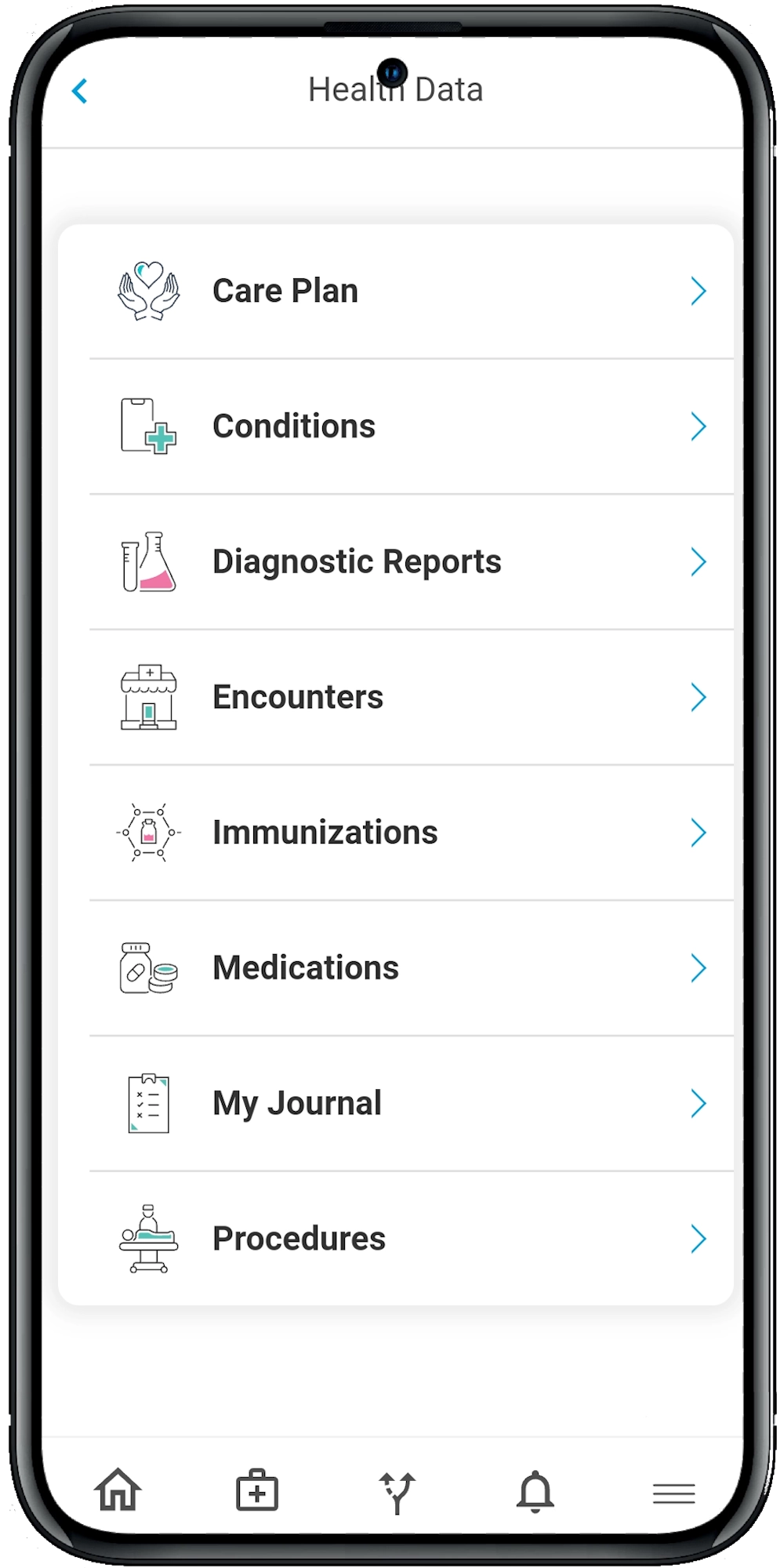
- Use digital care plans that patients can follow from their phone
- Offer behavioral health tools like journaling, mood tracking, and CBT prompts
- Send timely nudges through mobile reminders and educational content
- Give patients feedback on progress so they stay motivated
A study on web-based weight management in integrated care settings showed that digital interventions work best when they’re embedded in ongoing provider support. Patients don’t just want tech—they want connection. A smart platform like Calcium delivers both.
Step 6: Track, Measure, and Adjust in Real Time
VBC requires more than good intentions—it demands evidence. And that means tracking outcomes that matter.
You should be monitoring:
- Clinical outcomes (A1C, BP, screenings)
- Patient engagement (check-ins, pathway completion)
- Behavioral metrics (PHQ-9 scores, journaling activity)
- Cost and utilization (readmissions, ED visits, length of stay)
More importantly, you need the ability to adjust. If a care pathway isn’t working, tweak it. If patient engagement drops off, identify the barrier.
The Cost Measurement in Value-Based Healthcare review emphasizes that real-time cost and outcome data are crucial to understanding what’s driving value. You can’t wait for quarterly reports—you need tools that show you today’s performance, not just last month’s.
Calcium’s real-time dashboards allow providers to intervene before problems escalate, making continuous improvement part of the daily workflow.
Bonus Step: Scale What Works Without Reinventing the Wheel
Once you’ve got your first program running smoothly, it’s time to scale—but scale smart.
That doesn’t mean duplicating everything manually. With an intelligent platform like Calcium, you can:
- Repurpose proven care pathways for new populations
- Customize digital engagement tools for different age groups or risk levels
- Expand reporting to support new payer contracts or quality programs
- Onboard new care team members with consistent tools and workflows
Because the platform is modular, you don’t have to rip and replace. You grow at your pace—with your priorities.
This aligns with the VDO (value-driven outcomes) framework, which stresses the importance of extensible systems that can evolve alongside your organization. Whether you’re managing 50 patients or 5,000, your tools need to work as hard as your team does.
The Wrap
The journey from volume to value doesn’t have to be overwhelming. With the right strategies, tools and mindset, your organization can transition with confidence—starting small, scaling smart and keeping patients at the center of care.
Whether you’re improving outcomes for chronic conditions, enhancing team collaboration or meeting the demands of value-based contracts, success depends on having systems that support your goals—not slow you down. That’s where the Calcium digital health platform comes in.
From intelligent care pathways to real-time dashboards and mobile patient engagement, Calcium is built to power your value-based care transformation at every step. It’s flexible, scalable and designed for real-world teams working to deliver better care, every day.
Reference
- Colldén, C., & Hellström, A. (2018). Value-based healthcare translated: a complementary view of implementation. BMC Health Services Research, 18(1). https://doi.org/10.1186/s12913-018-3488-9
- Zipfel, N., van der Nat, P. B., Rensing, B. J. W. M., Daeter, E. J., Westert, G. P., & Groenewoud, A. S. (2019). The implementation of change model adds value to value-based healthcare: a qualitative study. BMC Health Services Research, 19(1). https://doi.org/10.1186/s12913-019-4498-y
- Leusder, M., Porte, P., Ahaus, K., & van Elten, H. (2022). Cost measurement in value-based healthcare: a systematic review. BMJ Open, 12(12), e066568. https://doi.org/10.1136/bmjopen-2022-066568
- Salido, M. F., Borrás, T. A., Casanova, G., & Ferrer, J. G. (2024). Value-Based Healthcare Delivery: A Scoping Review. International Journal of Environmental Research and Public Health, 21(2), 134–134. https://doi.org/10.3390/ijerph21020134