Türkiye’de bahis severler için en çok tercih edilen bettilt giriş adreslerden biri olmaya devam ediyor.
Curacao lisanslı platformlar arasında güvenilirlik açısından üst sıralarda bahsegel giriş yer alan, uluslararası denetimlerden başarıyla geçmiştir.
Kazançlı bahis deneyimi arayan herkes için bettilt doğru seçimdir.
Rulet masalarında en çok tercih edilen bahis türleri arasında kırmızı/siyah ve tek/çift seçenekleri yer alır; pinco giriş bu türleri destekler.
Basketbol tutkunları için en iyi kupon fırsatları bettilt sayfasında yer alıyor.
Strategies for Successfully Delivering on the Promise of Value-Based Care
What if we stopped paying for more procedures and started paying for better outcomes? That’s the radical, common-sense idea behind value-based care (VBC)—a healthcare model that promises to fix what’s broken by focusing on health instead of volume.
But if it sounds simple in theory, the reality on the ground is anything but. While policymakers, payers, and providers all agree on the promise of VBC, the journey to actually implement it is full of real-world friction. From overburdened clinicians to data silos and ethical gray zones, VBC adoption is less of a straight highway and more of a maze.
And yet, the stakes couldn’t be higher. As the U.S. healthcare system faces rising costs, widening disparities, and a mental health crisis, making VBC work isn’t optional—it’s urgent. In this post, we dive into the messy but necessary work of making value-based care a reality where it matters most: real life
Understanding the Challenges of Transitioning to VBC
Transitioning to value-based care (VBC) is often described as a necessary evolution for healthcare—but the road to get there is anything but smooth. What looks promising in theory can quickly become complicated in practice, as providers, payers, and patients alike navigate the realities of shifting away from fee-for-service models.
The move requires more than new contracts or incentives; it demands a rethinking of how care is delivered, measured, and experienced. Along the way, organizations encounter obstacles that test both their infrastructure and their culture—from the way health data flows (or doesn’t) to how patients are engaged and empowered. These hurdles aren’t signs of failure; they’re reminders of just how transformative the journey really is.
1. Fragmented Health Data Ecosystems
Imagine trying to complete a puzzle with pieces from different sets—frustrating, right? That’s the reality many healthcare providers face. Electronic Health Records (EHRs), wearable devices, and health apps often operate in silos, making it challenging to get a comprehensive view of a patient’s health. This fragmentation hampers the ability to deliver coordinated, value-based care.
2. Provider Burden and Workflow Misalignment
Transitioning to VBC isn’t just a policy change; it’s a cultural shift. Providers are expected to adopt new documentation practices, engage in care coordination, and focus on preventive measures—all while managing their existing workload. Without proper support and streamlined workflows, this can lead to burnout and resistance to change.
3. Limited Patient Engagement and Health Literacy
For VBC to succeed, patients need to be active participants in their health journey. However, many patients lack the necessary health literacy or motivation to engage effectively. Without tools and education to empower them, achieving desired health outcomes becomes an uphill battle.
4. Misaligned Incentives
Despite the push for VBC, many reimbursement models still favor volume over value. Providers might find themselves caught between delivering high-quality care and meeting financial targets set by fee-for-service models. This misalignment can deter the adoption of VBC principles.
5. Privacy, Security, and Data Governance Concerns
Handling sensitive patient data comes with significant responsibilities. Concerns about data breaches, compliance with regulations like HIPAA, and maintaining patient trust can make providers hesitant to fully embrace digital tools essential for VBC.
6. Ethical and Equity Considerations
A singular focus on efficiency and outcomes can inadvertently sideline the individual needs and values of patients. It’s crucial to ensure that VBC models don’t exacerbate existing health disparities or compromise ethical standards in care delivery.
Bridging the Gap: How Digital Health Platforms Can Help
To overcome these challenges, healthcare providers can leverage digital health platforms designed to support VBC initiatives. Here’s how:
Unified Data Integration
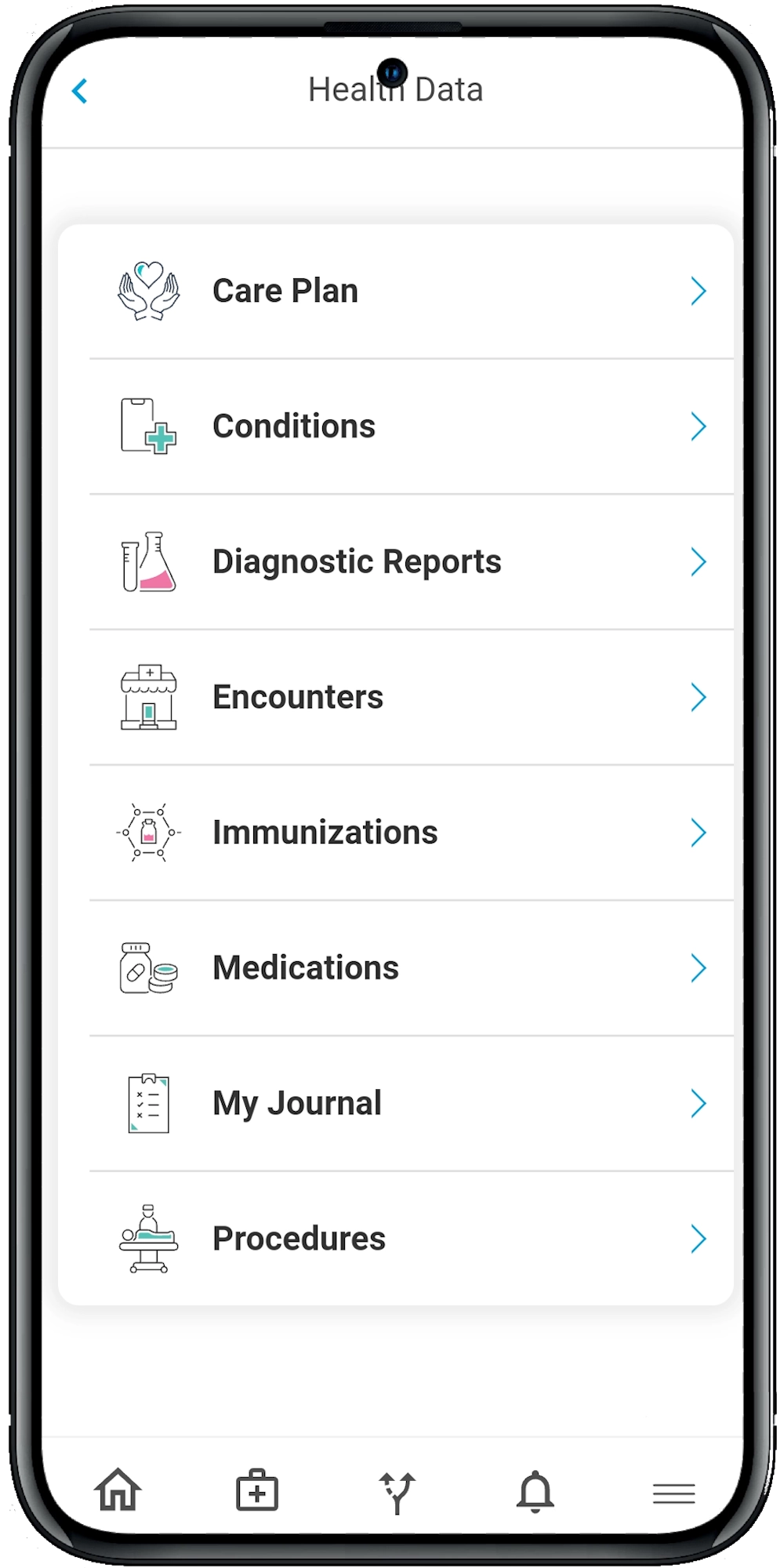
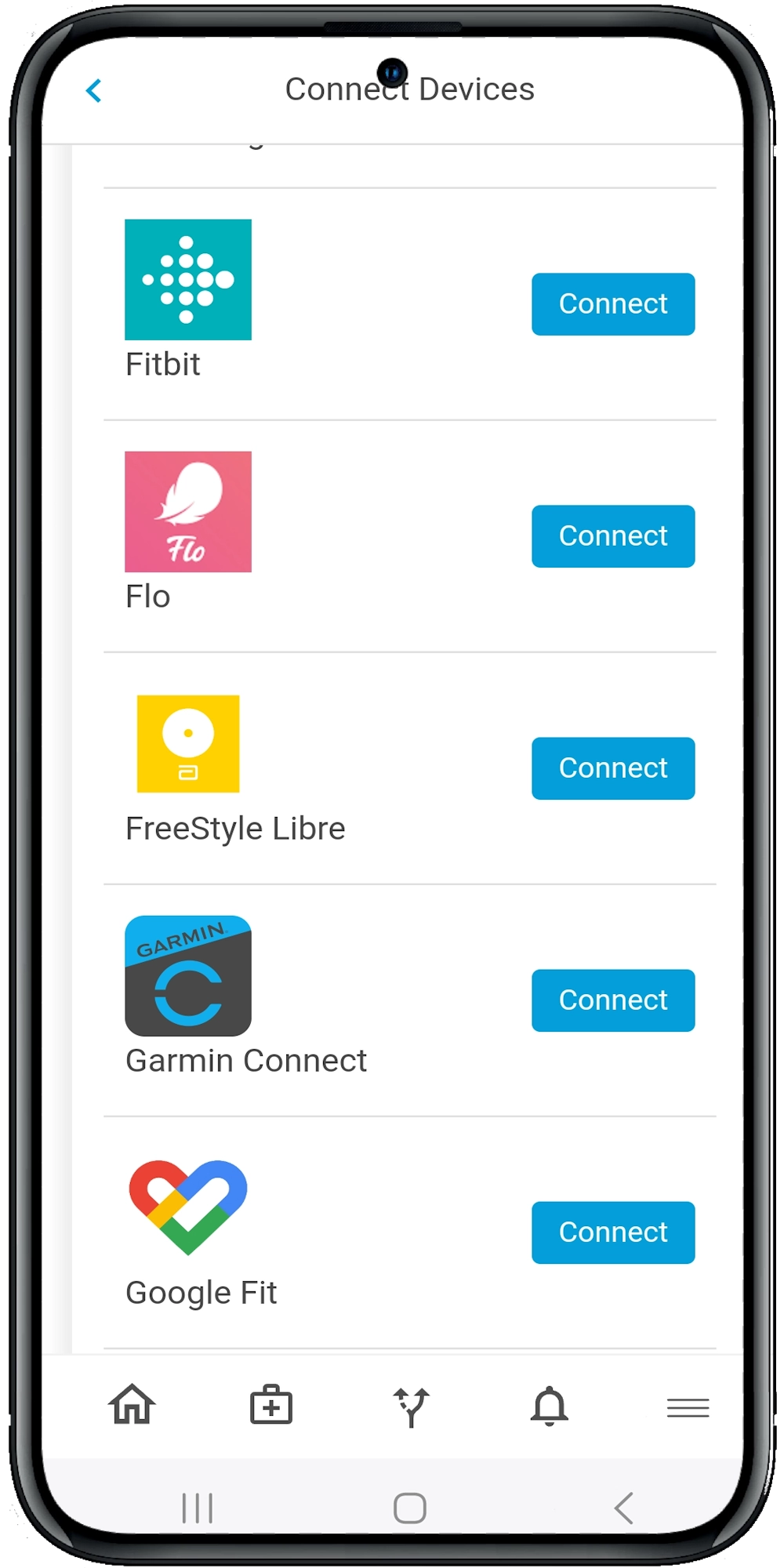
Digital platforms can aggregate data from various sources—EHRs, wearable devices, and health apps—into a centralized system. This integration provides a holistic view of patient health, facilitating better decision-making and care coordination.
Streamlined Workflows
By automating routine tasks and providing intuitive interfaces, digital tools can reduce administrative burdens on providers. This allows healthcare professionals to focus more on patient care and less on paperwork.
Patient Empowerment Tools
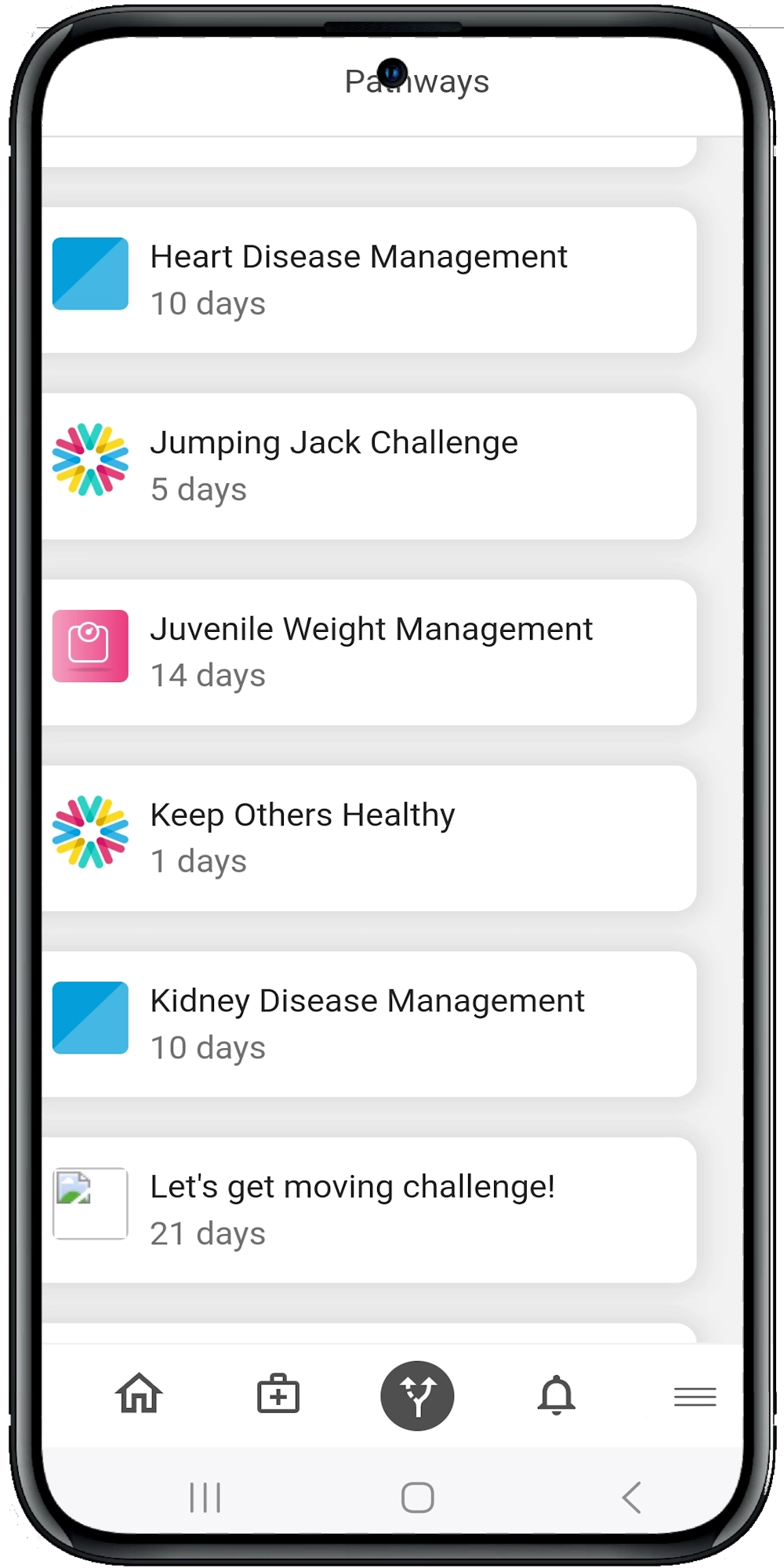
Features like personalized health education, goal tracking, and direct communication channels can enhance patient engagement. When patients are more involved in their care, outcomes improve, aligning with VBC objectives.
Secure Data Management
Advanced security protocols and compliance with healthcare regulations ensure that patient data is protected. This builds trust and encourages the adoption of digital solutions necessary for VBC.
Ethical Frameworks
Incorporating ethical considerations into platform design ensures that care delivery remains patient-centered and equitable. This includes features that address social determinants of health and promote inclusivity.
The Wrap
By addressing the real-world challenges of adopting VBC through strategic use of digital health platforms, healthcare providers can transition from theory to practice, delivering high-quality, patient-centered care that aligns with modern healthcare goals.
Value-based care isn’t just a policy goal—it’s a new way of thinking about how we deliver health in the real world. But turning that vision into action takes more than good intentions. It requires smarter tools, integrated data, and digital platforms that make value-based care practical, scalable, and personal.
That’s where technology like the Calcium digital health platform comes in. By bridging the gap between providers and patients, between data and decisions, Calcium helps healthcare teams do what they’ve always wanted to do: deliver better outcomes without burning out.
Reference
- Meinert, E., Alturkistani, A., Brindley, D., Knight, P., Wells, G., & de Pennington, N. (2018). Weighing benefits and risks in aspects of security, privacy and adoption of technology in a value-based healthcare system. BMC Medical Informatics and Decision Making, 18(1). https://doi.org/10.1186/s12911-018-0700-0
- Hagendijk, M. E., Zipfel, N., Van Der Wees, P. J., Melles, M., Hoving, J. L., & van der Burg-Vermeulen, S. J. (2024). Value-based healthcare for social insurance medicine: key enablers for adoption in practice. BMJ Open Quality, 13(4), e002878. https://doi.org/10.1136/bmjoq-2024-002878
- Groenewoud, A. S., Westert, G. P., & Kremer, J. A. M. (2019). Value based competition in health care’s ethical drawbacks and the need for a values-driven approach. BMC Health Services Research, 19(1). https://doi.org/10.1186/s12913-019-4081-6
- Werner, R., Emanuel, E., Pham, H., & Navathe, A. (2021, February). The Future of Value-Based Payment: A Roadmap to 2030 [Review of The Future of Value-Based Payment: A Roadmap to 2030]. Leonard Davis Institute of Health Economics at the University of Pennsylvania (Penn LDI). https://ldi.upenn.edu/wp-content/uploads/2021/07/PennLDI-Future-of-Value-Based-Payment-WhitePaper.pdf