Türkiye’de bahis severler için en çok tercih edilen bettilt giriş adreslerden biri olmaya devam ediyor.
Curacao lisanslı platformlar arasında güvenilirlik açısından üst sıralarda bahsegel giriş yer alan, uluslararası denetimlerden başarıyla geçmiştir.
Kazançlı bahis deneyimi arayan herkes için bettilt doğru seçimdir.
Rulet masalarında en çok tercih edilen bahis türleri arasında kırmızı/siyah ve tek/çift seçenekleri yer alır; pinco giriş bu türleri destekler.
Basketbol tutkunları için en iyi kupon fırsatları bettilt sayfasında yer alıyor.
Why Giving People Control of Their Health Data Is the Key to Better Care
Imagine trying to manage your health without knowing what your doctor wrote in your chart, which medications were prescribed last year, or what your latest test results actually mean. For millions of patients, that’s still the norm. Even in today’s tech-driven world, access to personal health records remains limited, confusing, or flat-out missing. And that’s a problem—because patient-centered care starts with one simple idea: people should have full visibility into their own health.
The healthcare industry talks a lot about empowering patients, but without easy access to Electronic Health Records (EHRs), that promise falls flat. Patients can’t participate in care decisions, track progress, or catch critical errors if they’re kept in the dark. So why is patient access still such a struggle? And what would it take to change that?
Modern healthcare is undergoing a long-overdue shift—from system-centered care to patient-centered care. But here’s the catch: true empowerment doesn’t happen unless patients have full, timely access to their own health information. It’s like asking someone to drive a car with the windows blacked out. You need visibility to make the right decisions—and the same goes for health.
So why is it still so hard for patients to get that kind of access?
EHRs were supposed to bridge this gap. Unfortunately, most systems were built around the needs of institutions, not individuals. The result? Confusing portals, incomplete records, and frustrated patients who are left out of the loop.
If we want to improve outcomes, reduce costs, and build trust, we have to flip the script. Let’s take a look at what’s holding back patient EHR access—and how a smarter digital health platform like Calcium is changing that story.
Why Patient EHR Access Is Critical to Modern Care
When patients can easily view, understand, and share their health information, something powerful happens. They ask better questions. They follow care plans. They avoid redundant tests. They even catch errors that doctors might miss.
And the research backs this up. Studies have shown that when patients are more engaged with their data, they’re more likely to manage chronic conditions successfully, avoid preventable hospitalizations, and follow through with screenings or treatments.
Access isn’t just a technical issue—it’s a clinical one. And it’s foundational to value-based care.
7 Key Barriers That Keep Patients Locked Out of Their Health Records
Despite the clear benefits, most EHR systems still fall short when it comes to patient access. These issues aren’t just annoying—they create real obstacles to safer, more informed care.
Here are the biggest roadblocks patients face today:
1. Limited Access to Full Records
Patients often only see pieces of their health history—lab results might show up late, visit notes might be redacted, or test results might never be posted at all. This incomplete view makes it hard to understand the “why” behind a diagnosis or treatment plan.
2. Fragmented Data Across Systems
Patients don’t stick with one provider forever. They visit specialists, urgent care clinics, hospitals, labs. Each uses different EHR systems, and they rarely talk to each other. That means the burden falls on the patient to stitch together their own story—if they even can.
This reflects what Kalra (2006) found: lack of interoperability between systems leads to health records becoming static and siloed—not meaningful or actionable.
3. Confusing Interfaces and Language
Even when patients can log into a portal, they’re often met with dense clinical language, unfiltered test data, or interfaces that feel like they were designed a decade ago. That leaves many patients guessing—or giving up.
Ambinder’s (2005) oncology study drove this home. Poor design and fragmented interfaces didn’t just frustrate providers—they overwhelmed patients too.
4. No Real-Time Integration
Wearables, remote monitoring, symptom trackers—today’s patients generate data all the time. But most EHRs can’t ingest or display that information in real-time. Instead, records get updated only during clinic visits. That’s like getting weather updates after the storm has passed.
5. Lack of Personalization or Preventive Support
Most portals just show what already happened. But what if they could help prevent the next ER visit or flare-up? Most EHRs don’t deliver actionable nudges, reminders, or personalized care plans.
Patients are left with the past. What they need is support for the future.
6. Unclear Privacy or Data Control
Patients often don’t know who can see their data—or how to share it on their terms. That lack of transparency erodes trust. And without trust, engagement falters.
Hoerbst & Ammenwerth (2010) found that security and patient empowerment were among the most overlooked features in EHR design, despite being essential to quality.
7. No Easy Way to Share Records
Need to bring records to a new specialist or caregiver? Many patients still have to print, email PDFs, or rely on fax machines. In 2024. It’s a manual process that should’ve been automated a long time ago.
How These Gaps Undermine Patient-Centered Care
When access is limited or confusing, the result isn’t just inconvenience—it’s risk.
Patients miss early warning signs. They forget critical follow-ups. They lose motivation to engage with their care. And in worst-case scenarios, they suffer from avoidable complications due to a lack of context, missed information, or poor coordination.
It’s like trying to complete a puzzle without all the pieces—or worse, with no picture to guide you.
If the healthcare system really wants to shift toward patient-centered care, then patients need to be the ones holding the compass. That starts with EHR access that is full, clear, and under their control.
Calcium: Putting Patients in the Driver’s Seat
The Calcium Digital Health Platform flips the script on traditional EHRs. It’s not another clunky portal or record viewer—it’s a fully interactive, patient-powered platform that brings clarity, context, and control back into the hands of the people who need it most.
Here’s how Calcium directly addresses each of the challenges above:
Unified, Real-Time Access
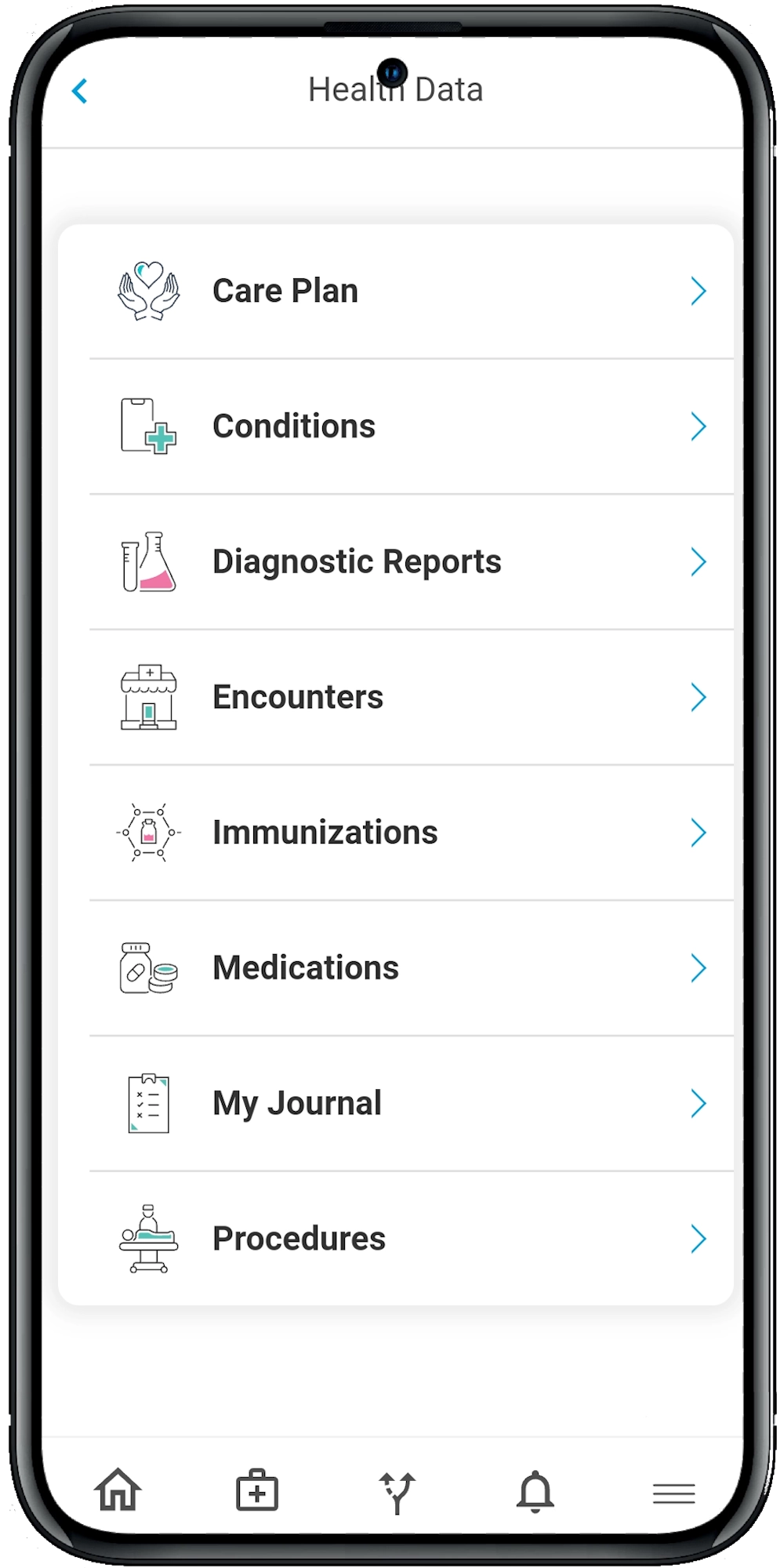
Calcium connects to 95% of U.S. health systems using standards like HL7 and FHIR. That means patients get one cohesive health story—not scattered fragments—from labs, imaging, meds, diagnoses, and more.
Clean, Patient-Friendly Interface
The Calcium Super App was designed for actual users, not just IT teams. It’s mobile-first, easy to navigate, and written in plain language. Patients can actually understand what they’re reading.
Integration With Everyday Health Tools
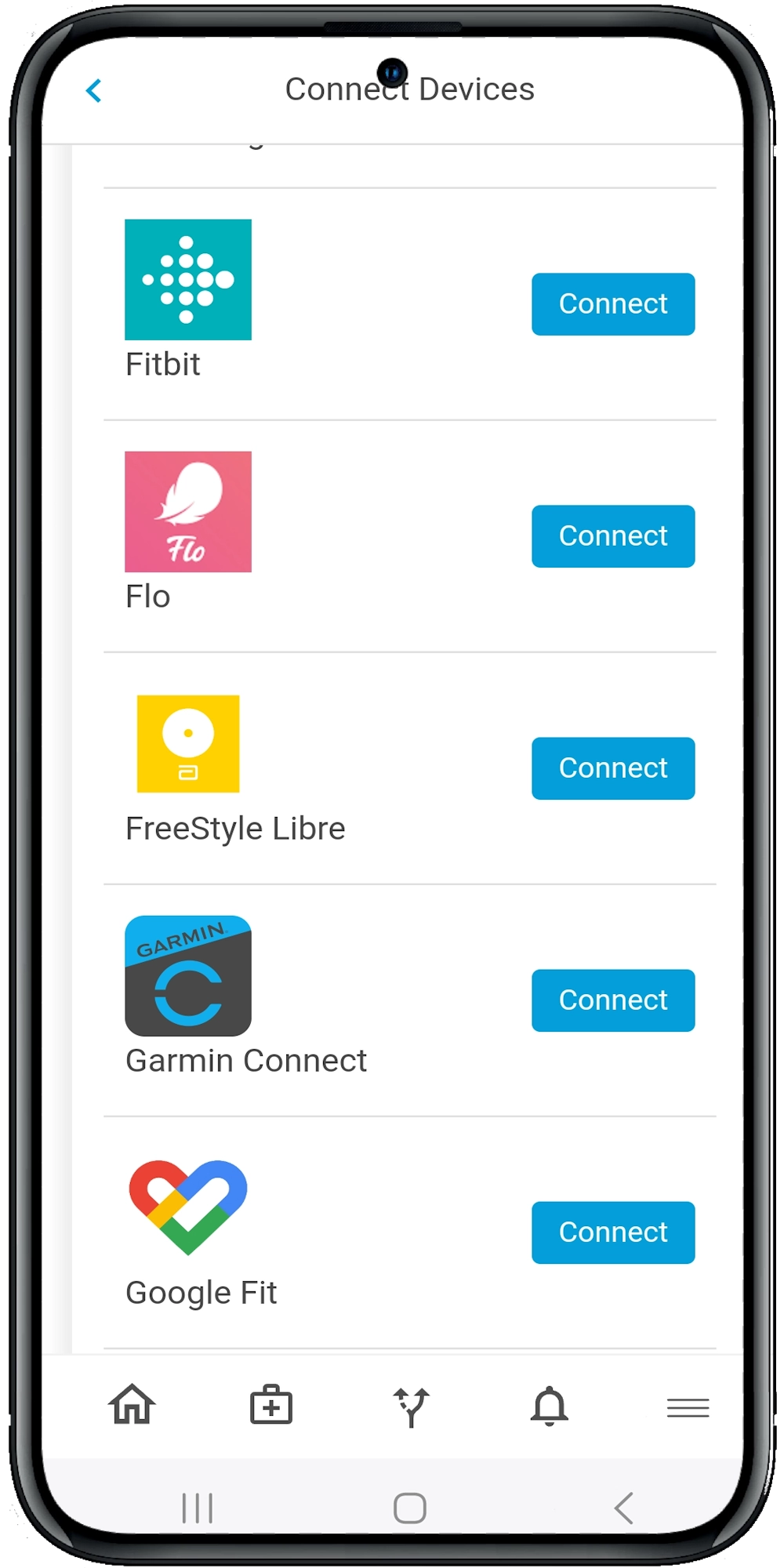
From Apple Health and Fitbit to home blood pressure cuffs and glucose monitors, Calcium pulls in real-time data to complement clinical records. Now patients can see the full picture, not just snapshots.
Personalized Care Pathways
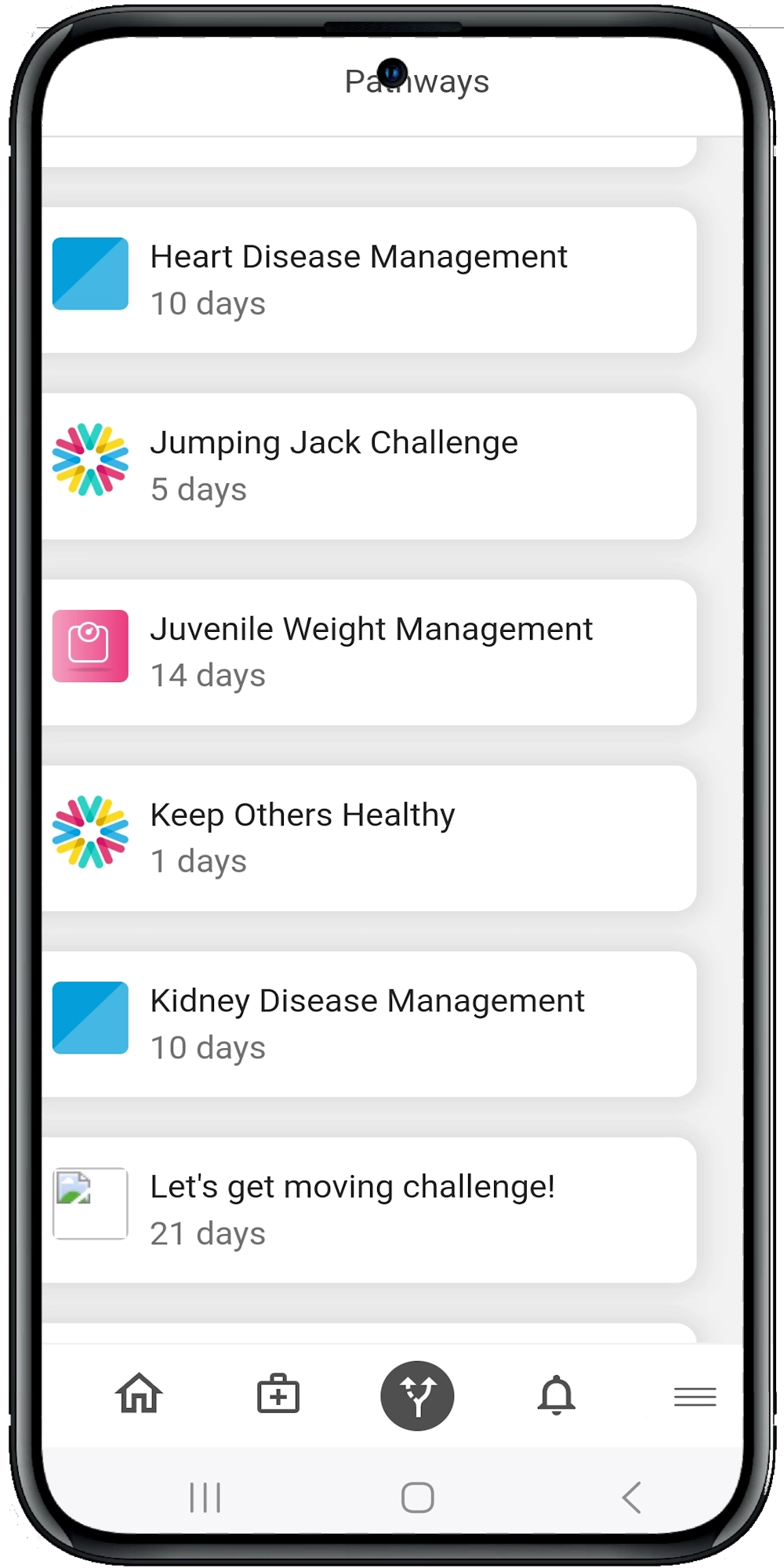
Through its AI-powered Care Pathway Builder, Calcium offers condition-specific task lists, reminders, and check-ins—giving patients tools to stay on track between visits.
Transparent Data Control
Patients decide who can access their information and when. Role-based sharing, one-tap permissions, and HIPAA-compliant encryption ensure that trust and security go hand in hand.
Easy, Secure Sharing
Need to send your chart to a new provider? Done. Want to share a medication list with a caregiver? Easy. With Calcium, patients control the flow of information—safely and seamlessly.
Patient-Centered Care in Action
To see this in practice, imagine a few real-world examples:
- A parent managing a child’s asthma uses the app to log symptoms, track inhaler use, and share updates with both a pediatrician and allergist—all in one place.
- A senior patient juggling diabetes, heart disease, and depression uses Calcium to connect data from different specialists, monitor progress, and follow care pathways customized to their needs.
- A young adult managing a chronic condition can access test results instantly, message their provider, and use digital reminders to stay on top of meds and follow-ups.
These are the kinds of experiences that build trust, improve outcomes, and make healthcare truly collaborative.
The Wrap
Patient-centered care isn’t just a philosophy—it’s a practice that starts with giving people access to their own health information. When patients can see, understand, and control their records, they become active partners in their care, not just passive recipients. That kind of empowerment leads to better outcomes, stronger trust, and a more connected healthcare experience.
But traditional EHR systems weren’t built with patients in mind. They’re slow, fragmented, and hard to use. It’s time for something better.
The Calcium Digital Health Platform is changing how patients engage with their health. From real-time data access and wearable integration to intuitive care pathways and secure record sharing, Calcium puts people in control—exactly where they should be.
Reference
- Kalra, D. (2006). Electronic Health Record Standards. In R. Haux & C. Kulikowski (Eds.), IMIA Yearbook of Medical Informatics 2006 (pp. 136–144). IMIA and Schattauer GmbH. Retrieved from https://www.schattauer.de.
- Ambinder, E. P. (2005). Oncology Enters the Information Age. Journal of Oncology Practice, 1(2), 57–63. Retrieved from https://www.jopasco.org.
- Hoerbst, A., & Ammenwerth, E. (2010). Electronic Health Records: A Systematic Review on Quality Requirements. Methods of Information in Medicine, 49(4), 1–9. Schattauer GmbH. Retrieved from https://www.schattauer.de.
- Häyrinen, K., Saranto, K., & Nykänen, P. (2008). Definition, structure, content, use and impacts of electronic health records: A review of the research literature. International Journal of Medical Informatics, 77(5), 291–304. Elsevier Ireland Ltd. Retrieved from https://doi.org/10.1016/j.ijmedinf.2007.09.001