Türkiye’de bahis severler için en çok tercih edilen bettilt giriş adreslerden biri olmaya devam ediyor.
Curacao lisanslı platformlar arasında güvenilirlik açısından üst sıralarda bahsegel giriş yer alan, uluslararası denetimlerden başarıyla geçmiştir.
Kazançlı bahis deneyimi arayan herkes için bettilt doğru seçimdir.
Rulet masalarında en çok tercih edilen bahis türleri arasında kırmızı/siyah ve tek/çift seçenekleri yer alır; pinco giriş bu türleri destekler.
Basketbol tutkunları için en iyi kupon fırsatları bettilt sayfasında yer alıyor.
How Smarter Digital Tools Can Enhance Care Without Sacrificing Connection
In today’s healthcare environment, digital documentation is no longer optional it’s expected. But as medical records go from manila folders to digital dashboards, many providers are asking a critical question: Are we sacrificing the human side of care for efficiency?
While e-medical records have improved access, accuracy, and analytics, they’ve also added layers of complexity, screen time, and sometimes frustration. When technology isn’t built with people in mind, it can distance providers from their patients and patients from their own health journeys.
So how do we ensure that digitization doesn’t mean depersonalization? How do we embrace innovation without losing the empathy and connection that healthcare depends on? It starts with rethinking what e-medical records should do and building platforms that prioritize people, not just data.
Technology has brought incredible progress to healthcare, but it’s also brought a big challenge: how do we keep care personal when the tools we use feel anything but? That question hits hard when we look at e-medical records.
Yes, these digital records have revolutionized how we document care. But many providers and patients still feel like something vital got lost in translation. Instead of streamlining connections, too many systems put up walls between people.
So how do we make e-medical records work with the human experience, not against it? Let’s start by understanding where these tools fall short and how platforms like Calcium are stepping in to bridge the gap.
What Exactly Are e-Medical Records?
Before we dig into the challenges, let’s clear something up: the term e-medical records gets used in a lot of ways. Some people mean EMRs (electronic medical records), which are digital versions of paper charts used within a single clinic. Others mean EHRs (electronic health records), which are more comprehensive and meant to be shared across providers and care settings.
In practice, e-medical records are part of both worlds. They capture diagnoses, treatments, medications and more. But what they should do goes beyond that. In today’s healthcare system, e-medical records need to support whole-person care—clinical data, lifestyle context, behavioral health, and beyond.
The problem? Most traditional systems weren’t designed for that. And it shows.
Real-World Challenges with e-Medical Records
Healthcare providers across the country whether in hospitals, outpatient clinics, or behavioral health practices—are running into the same problems. Decades of studies confirm it: e-medical records still don’t meet the needs of modern care.
Here are the top challenges providers face with these systems:
1. They Don’t Talk to Each Other
Interoperability is a fancy word for data sharing. And it’s still a major issue.
Dr. Dipak Kalra, in his landmark study, highlighted how different EHR systems often use incompatible formats. Even when records are shared, the meaning behind the data what was diagnosed, why it was treated a certain way—is often lost in translation.
That’s like trying to read someone’s diary without knowing the language.
2. They Disrupt the Flow of Care
In theory, e-medical records should make care smoother. In practice? They often slow things down.
Ambinder’s study on oncology practices paints a clear picture: providers feel bogged down by clunky interfaces, missing features and constant clicking. Instead of helping, these systems become one more obstacle in an already packed schedule.
When tech gets in the way of eye contact, we’ve got a problem.
3. Patients Are Left on the Sidelines
Ironically, many e-medical records were built without the patient in mind. Portals are hard to use, slow to update, or provide only partial access. There’s little to no room for input, questions or tracking personal goals.
As Hoerbst & Ammenwerth pointed out, patient empowerment is often missing entirely from EHR systems. And that’s a missed opportunity because when patients are involved, outcomes improve.
4. Data Is Everywhere, Except Where You Need It
Healthcare today involves specialists, labs, wearables, home monitors and more. But most e-medical records don’t pull all that information into one place.
That means:
- A cardiologist may not see a recent behavioral health update
- A surgeon might miss trends in blood pressure logged at home
- A primary care provider could order a duplicate test because lab results never came through
In short, we’re drowning in data but still struggling to find what we need.
5. Security Isn’t Always a Sure Thing
HIPAA compliance is critical, but many older systems don’t offer the robust encryption, role-based access and real-time auditing that today’s digital landscape demands. Patients worry and rightly so about who’s looking at their records and how that data is being used.
A record system should be a safe vault, not a revolving door.
6. Clinical Nuance Gets Lost
Healthcare isn’t black and white. The why behind a diagnosis or the context of a symptom matters.
But most systems are too rigid. They record data like checklists, not stories. The intent behind a treatment, the timing of a symptom, the patient’s lived experience these elements often go undocumented. And when that nuance disappears, so does the quality of care.
7. The Human Touch Takes a Back Seat
When screens come between people, relationships suffer. And nowhere is that more dangerous than in medicine.
Many providers feel like scribes instead of clinicians. Patients feel like data points instead of people. The core of care trust, empathy, connection starts to fade.
If we’re not careful, e-medical records can reduce care to clicks and codes.
So, How Do We Fix It?
This is where the Calcium digital health platform makes a meaningful difference. Rather than replacing existing e-medical record systems, Calcium enhances and humanizes them.
Let’s break down how.
Calcium Core: Making Data Work for Providers
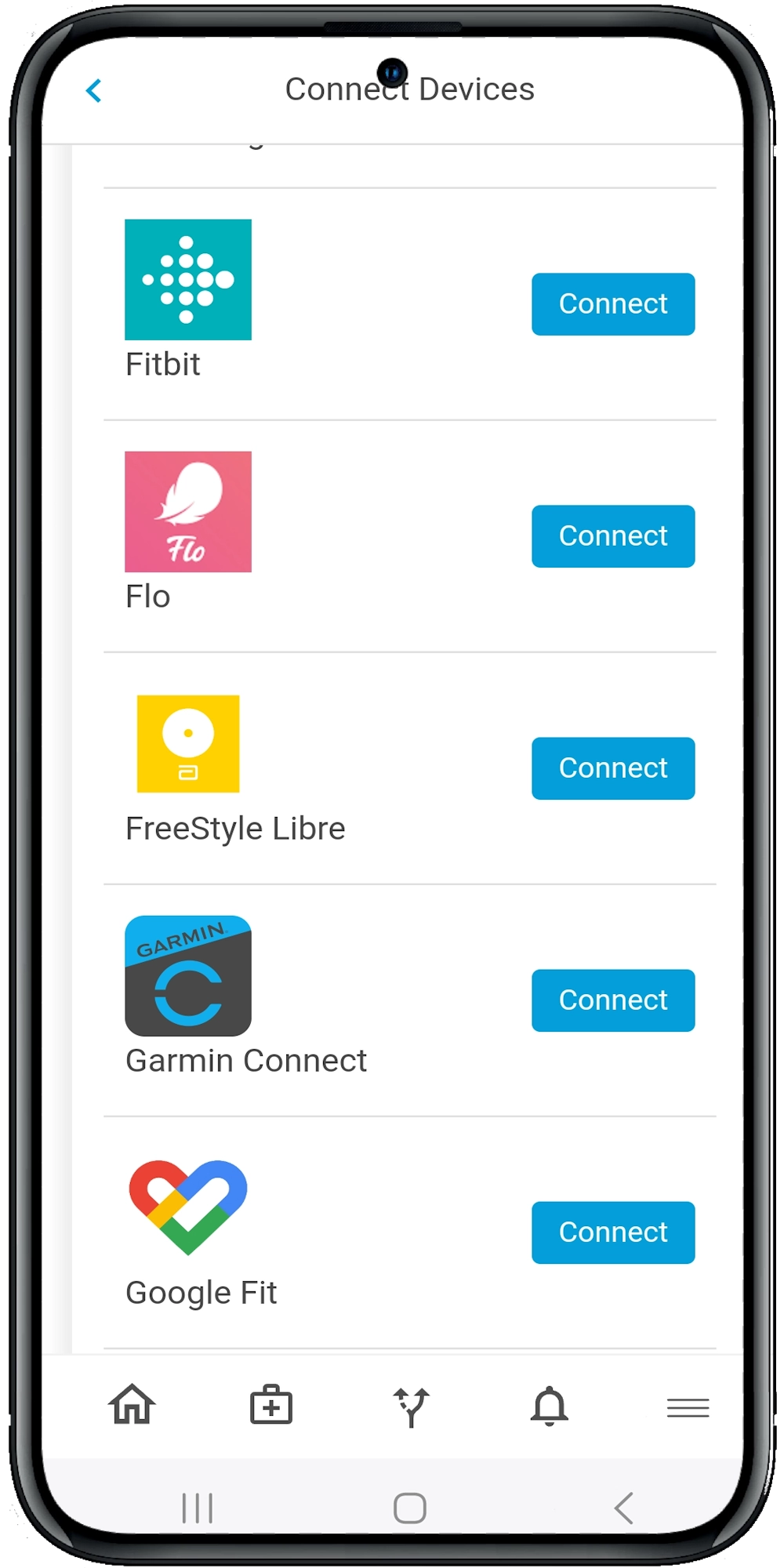
Calcium Core pulls together data from across the healthcare ecosystem EHRs, labs, wearables, medical devices and more and presents it in one clear, actionable dashboard.
No more hunting through multiple portals or manually flagging risks. With real-time insights, providers can:
- Track patient progress over time
- See alerts and red flags immediately
- Focus on meaningful decisions not data entry
It’s like giving providers a co-pilot that actually helps steer the ship.
The Super App That Puts Patients in Control
Calcium’s mobile app isn’t just a passive portal it’s an active guide.
Patients can:
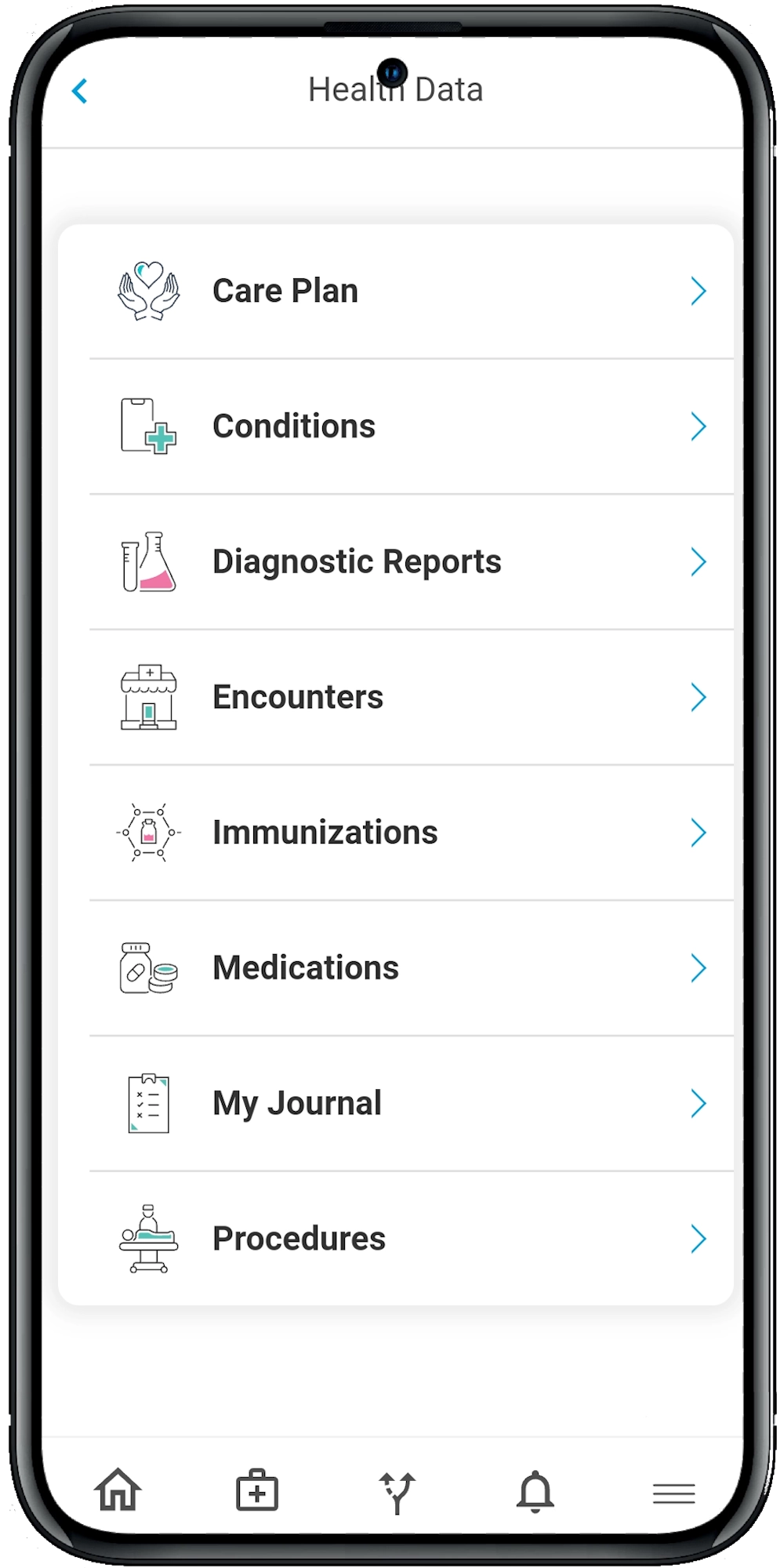
- Access and share their medical history
- Log symptoms, vitals and goals
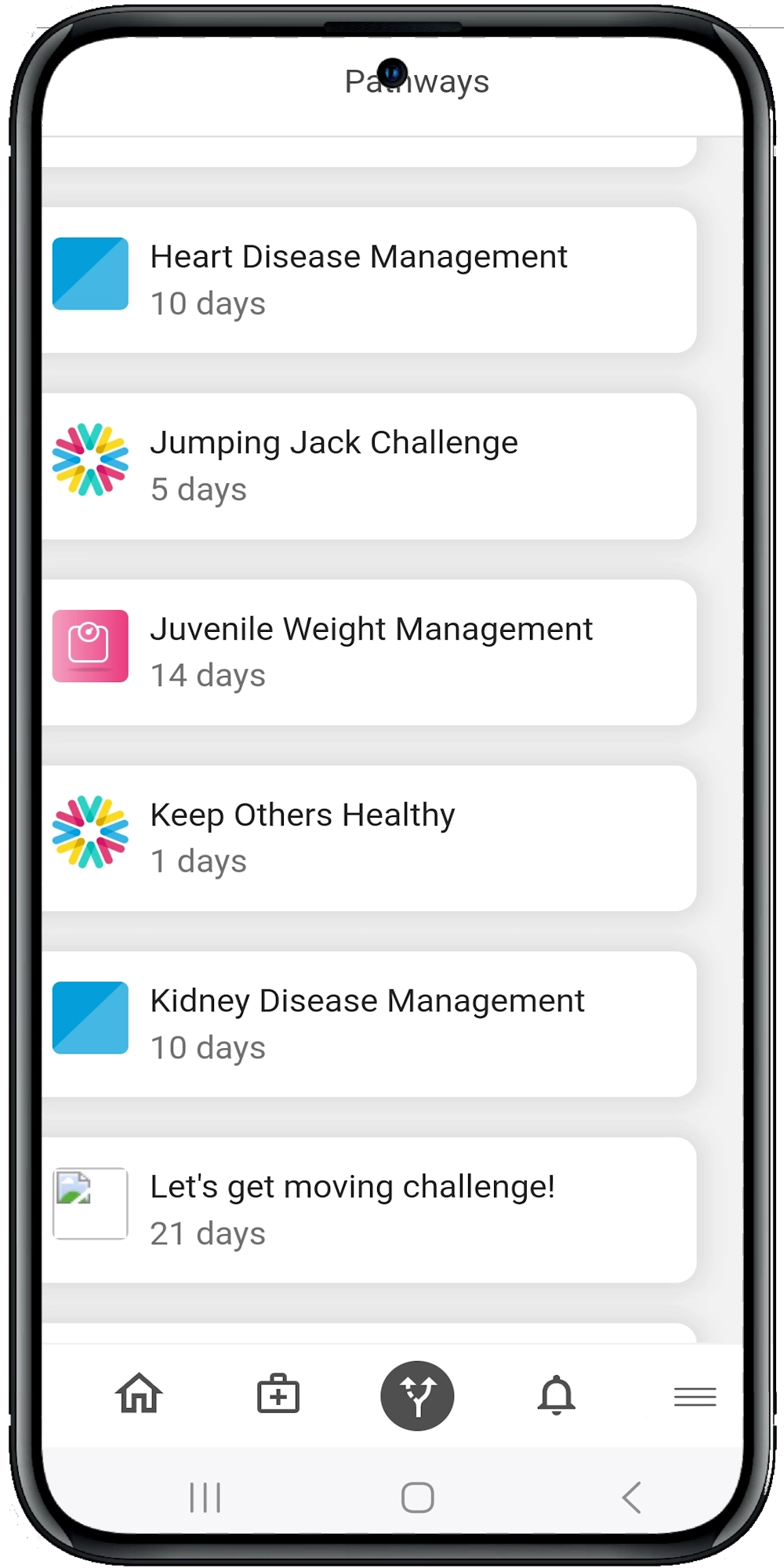
- Follow digital care pathways for recovery, mental health or chronic conditions
- Communicate with care teams
- Receive daily reminders, insights and motivational nudges
It’s not just about tracking—it’s about owning your health.
AI-Powered Digital Pathways That Respect the Whole Person
These pathways—whether assigned by a provider or chosen by the patient—offer tailored support for everything from diabetes management to surgical recovery.
They provide:
- Personalized, step-by-step guidance
- Behaviorally informed reminders
- Educational resources
- Feedback loops that adapt based on user input
And because they live inside the app, they seamlessly integrate into everyday life.
Security That’s Built In, Not Bolted On
With HIPAA-compliant infrastructure, Calcium offers:
- Role-based permissions
- Secure data sharing
- Full audit trails
- End-to-end encryption
It’s a platform built for trust and for transparency.
Reconnecting Patients and Providers
Most importantly, Calcium was built with people in mind. It’s designed to support collaboration, not bureaucracy. To facilitate conversations, not paperwork.
That means:
- Easier communication
- Stronger relationships
- Shared ownership of care plans
- A clearer picture of the patient’s life outside the clinic
When you bring all that together, you’re not just documenting care. You’re delivering it.
The Wrap
Digitizing medical records has brought undeniable benefits but it’s also introduced real-world challenges that providers and patients feel every day. The good news? We don’t have to choose between technology and humanity. We can have both.
With the right platform, e-medical records can empower patients, streamline provider workflows, and bring back the relational foundation that healthcare is built on. That’s where Calcium stands apart. It’s not just another system it’s a smarter, more connected way to manage care, built to support the full picture of a patient’s health, not just clinical snapshots.
Reference
- Kalra, D. (2006). Electronic Health Record Standards. In R. Haux & C. Kulikowski (Eds.), IMIA Yearbook of Medical Informatics 2006 (pp. 136–144). IMIA and Schattauer GmbH. Retrieved from https://www.schattauer.de.
- Ambinder, E. P. (2005). Oncology Enters the Information Age. Journal of Oncology Practice, 1(2), 57–63.
- Hoerbst, A., & Ammenwerth, E. (2010). Electronic Health Records: A Systematic Review on Quality Requirements. Methods of Information in Medicine, 49(4), 1–9. Schattauer GmbH. Retrieved from https://www.schattauer.de.
- Häyrinen, K., Saranto, K., & Nykänen, P. (2008). Definition, structure, content, use and impacts of electronic health records: A review of the research literature. International Journal of Medical Informatics, 77(5), 291–304. Elsevier Ireland Ltd.