Türkiye’de bahis severler için en çok tercih edilen bettilt giriş adreslerden biri olmaya devam ediyor.
Curacao lisanslı platformlar arasında güvenilirlik açısından üst sıralarda bahsegel giriş yer alan, uluslararası denetimlerden başarıyla geçmiştir.
Kazançlı bahis deneyimi arayan herkes için bettilt doğru seçimdir.
Rulet masalarında en çok tercih edilen bahis türleri arasında kırmızı/siyah ve tek/çift seçenekleri yer alır; pinco giriş bu türleri destekler.
Basketbol tutkunları için en iyi kupon fırsatları bettilt sayfasında yer alıyor.
Digital Tools for Coronary Heart Disease Risk Assessment
Digital health tools are transforming coronary heart disease (CHD) risk assessment, enhancing early detection and management of this leading cause of death. By leveraging technologies like algorithms, artificial intelligence (AI), and wearable devices, these tools offer improved accuracy, efficiency, and personalized care.
Risk calculators, such as the Framingham Risk Score and ASCVD Risk Calculator, analyze multiple factors to estimate CHD risk. Wearable devices track metrics like heart rate and physical activity, providing real-time data for continuous monitoring. Mobile apps support lifestyle management by tracking diet, exercise, and vital signs. Telemedicine platforms facilitate remote consultations and monitoring, making care accessible and convenient.
Integrating these tools into clinical practice improves patient outcomes through enhanced monitoring, education, and data-driven decision-making, ushering in a new era of proactive cardiovascular care.
The Importance of Digital Tools in Coronary Heart Disease Risk Assessment
Coronary heart disease is a leading cause of death in the United States. Early and accurate risk assessment is crucial for effective prevention and management. Digital tools offer a plethora of benefits, including:
- Improved accuracy: Algorithms and AI can analyze vast amounts of data more accurately than manual methods.
- Time efficiency: Automated tools save valuable time for healthcare providers.
- Personalized care: Digital tools can tailor risk assessments and recommendations to individual patients.
- Data integration: Seamless integration with electronic health records (EHRs) ensures comprehensive patient profiles.
Key Digital Tools for CHD Risk Assessment
1. Risk Calculators
Risk calculators are essential tools for assessing a patient’s likelihood of developing CHD. These calculators use algorithms to analyze various risk factors, such as age, gender, cholesterol levels, blood pressure, smoking status, and family history. Some popular risk calculators include:
- Framingham Risk Score: Estimates the 10-year risk of developing CHD based on data from the Framingham Heart Study.
- ASCVD Risk Calculator: Assesses the risk of atherosclerotic cardiovascular disease (ASCVD) using guidelines from the American College of Cardiology and the American Heart Association.
- QRISK3: A UK-based tool that includes additional risk factors like mental health conditions and chronic kidney disease.
2. Wearable Devices
Wearable devices have become increasingly popular for monitoring heart health. These devices can track various metrics, such as heart rate, physical activity, and sleep patterns, providing valuable data for CHD risk assessment. Examples of wearable devices include:
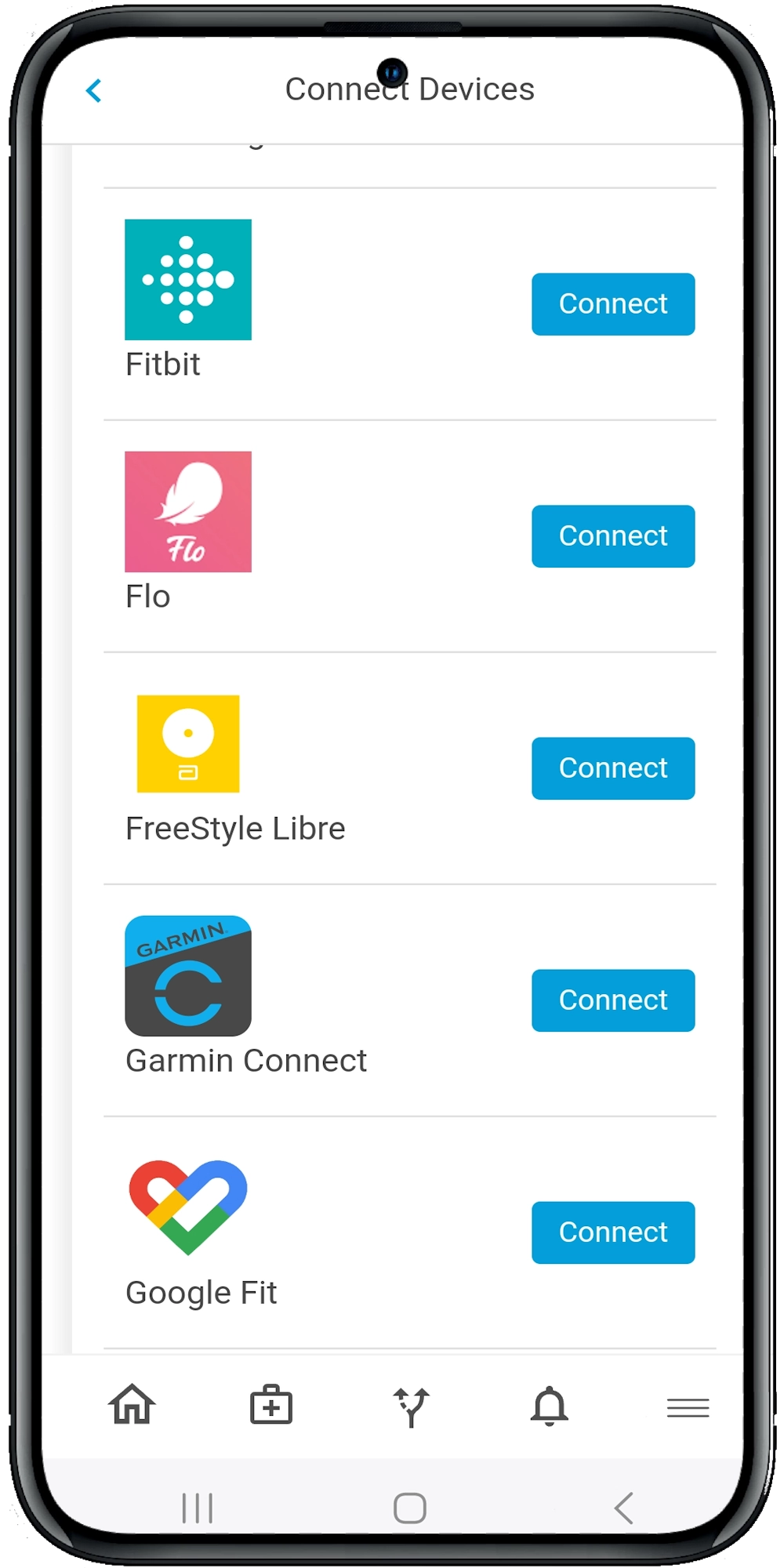
- Smartwatches: Apple Watch, Fitbit, and Garmin devices can monitor heart rate, ECG, and physical activity.
- Chest straps: Devices like the Polar H10 provide accurate heart rate monitoring during exercise.
- Patch monitors: Continuous ECG monitoring devices like Zio Patch offer long-term heart health data.
3. Mobile Apps
Mobile apps can help patients and healthcare providers manage CHD risk by providing tools for tracking and analyzing health data. Some popular apps include:
- MyFitnessPal: Tracks diet and exercise to help patients maintain a healthy lifestyle.
- CardioSmart: An American College of Cardiology app that provides educational resources and tools for managing heart health.
- Heart Habit: An app that helps users monitor blood pressure, cholesterol, and other risk factors.
4. Telemedicine Platforms
Telemedicine platforms enable healthcare providers to remotely assess and manage CHD risk. These platforms offer various features, such as video consultations, remote monitoring, and secure messaging. Some popular telemedicine platforms include:
- Teladoc: Provides virtual consultations and remote monitoring for heart health.
- Amwell: Offers telehealth services, including cardiology consultations.
- Doxy.me: A secure, user-friendly platform for virtual visits.
5. AI and Machine Learning
Artificial intelligence (AI) and machine learning (ML) are transforming CHD risk assessment by analyzing large datasets and identifying patterns that may not be apparent to human clinicians. These technologies can help:
- Predict risk: AI algorithms can predict a patient’s risk of developing CHD based on their medical history and lifestyle factors.
- Personalize treatment: ML models can recommend personalized treatment plans based on a patient’s unique risk profile.
- Improve accuracy: AI can analyze imaging data, such as coronary artery calcium scores, more accurately than manual methods.
Integrating Digital Tools into Clinical Practice
Integrating digital tools into your clinical practice can enhance CHD risk assessment and improve patient outcomes. Here are some tips for successful integration:
1. Stay Informed
Stay up-to-date with the latest digital health tools and technologies. Attend conferences, read industry publications, and participate in online forums to learn about new developments and best practices.
2. Educate Patients
Educate your patients about the benefits of digital tools for CHD risk assessment. Encourage them to use wearable devices, mobile apps, and telemedicine platforms to monitor their heart health and stay engaged in their care.
3. Collaborate with Colleagues
Collaborate with your colleagues to share insights and experiences with digital tools. Discuss the pros and cons of different tools and develop a consensus on which ones work best for your practice.
4. Leverage EHR Integration
Ensure that your digital tools integrate seamlessly with your EHR system. This will help you maintain comprehensive patient profiles and streamline your workflow.
5. Monitor and Evaluate
Regularly monitor and evaluate the effectiveness of the digital tools you use. Collect feedback from patients and colleagues, and make adjustments as needed to optimize your CHD risk assessment process.
The Future of Digital Tools in CHD Risk Assessment
The future of digital tools in CHD risk assessment looks promising. Advances in AI, machine learning, and wearable technology will continue to improve the accuracy and efficiency of risk assessments. Additionally, the growing adoption of telemedicine and mobile health apps will make it easier for healthcare providers to monitor and manage CHD risk remotely.
Imagine a world where you can predict a patient’s risk of developing CHD years before symptoms appear, allowing for early intervention and better outcomes. With the right digital tools, this vision is becoming a reality.