Türkiye’de bahis severler için en çok tercih edilen bettilt giriş adreslerden biri olmaya devam ediyor.
Curacao lisanslı platformlar arasında güvenilirlik açısından üst sıralarda bahsegel giriş yer alan, uluslararası denetimlerden başarıyla geçmiştir.
Kazançlı bahis deneyimi arayan herkes için bettilt doğru seçimdir.
Rulet masalarında en çok tercih edilen bahis türleri arasında kırmızı/siyah ve tek/çift seçenekleri yer alır; pinco giriş bu türleri destekler.
Basketbol tutkunları için en iyi kupon fırsatları bettilt sayfasında yer alıyor.
Transforming Recovery Journeys with Tailored Digital Guidance and Intelligent Support
Imagine having a GPS for your health, guiding you through the complex journey of surgery and recovery with personalised precision. In today’s fast-evolving healthcare landscape, one-size-fits-all approaches no longer meet the unique needs of each patient, especially in complex cases like advanced sarcoma.
The future belongs to intelligent, data-driven care pathways that adapt to individual risks, preferences, and health profiles. These AI-powered routes aren’t just about technology — they’re about transforming how we deliver safer, more efficient, and more compassionate care. As healthcare shifts toward value-based models, creating truly personalized, effective pathways has become essential for improving outcomes, reducing costs, and enhancing the patient experience.
This isn’t just a vision for tomorrow. It’s happening now, supported by innovative platforms that turn data into tailored journeys for surgical patients. Let’s explore how AI can revolutionise surgical care and what it means for patients and providers alike.
The Need for Personalised, AI-Driven Care Pathways
If you’ve ever watched a chef tweak a recipe based on taste tests along the way, you know the value of personalisation. In healthcare, especially when dealing with complex surgeries like those for advanced sarcoma (ASC), choosing a one-size-fits-all approach simply doesn’t cut it anymore.
Each patient is different — genetic makeup, tumour biology, comorbidities, and even social circumstances shape their unique journey.
Traditional care pathways often rely on averages and broad protocols. While these can be effective in many cases, they lack the agility to respond to each individual’s needs. That’s where AI comes in, turning big data into personalised insights that help tailor treatment plans, monitor recovery, and improve outcomes.
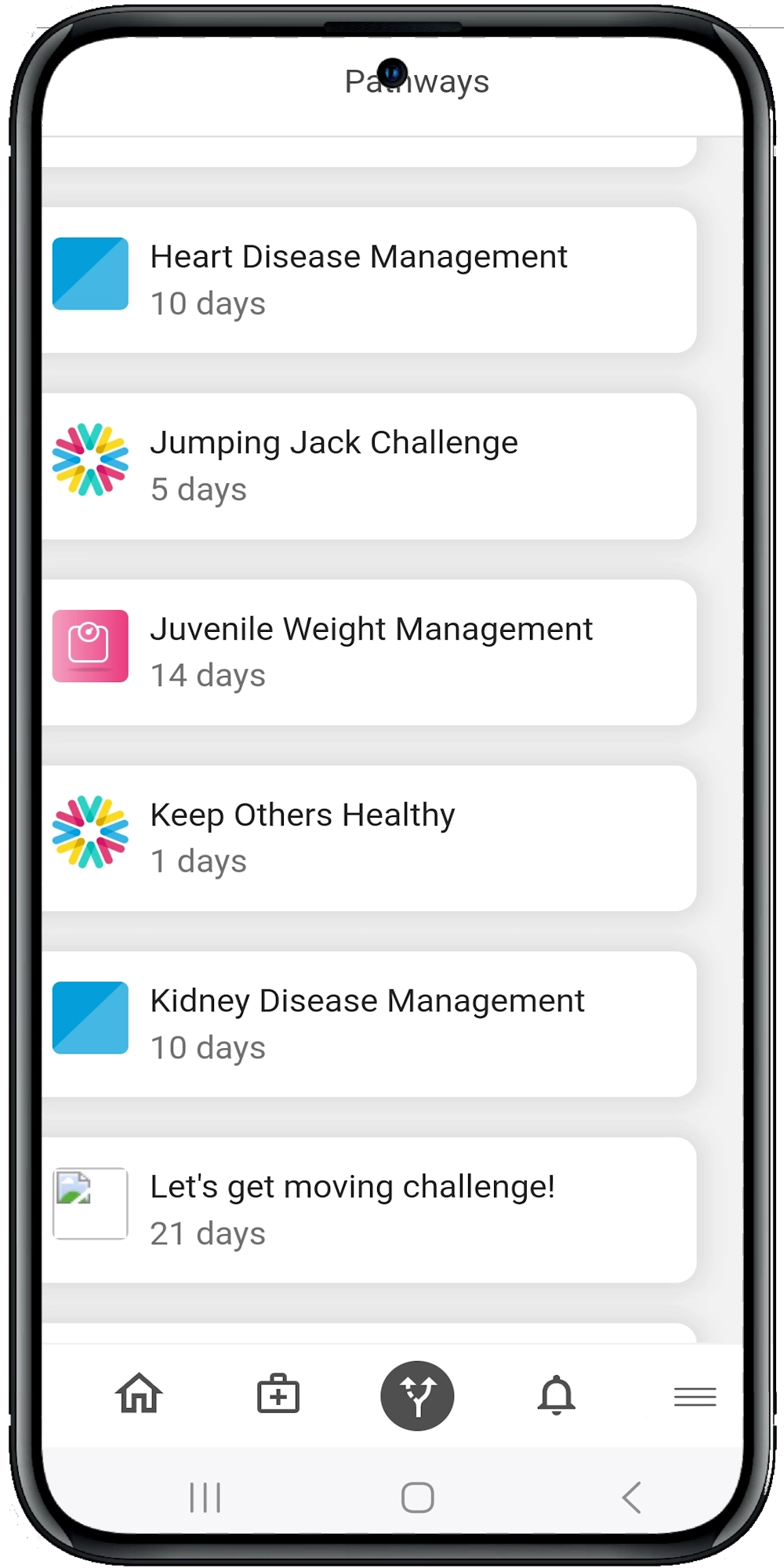
The rise of AI-enabled pathways aligns perfectly with the shift toward value-based care, a model focused on boosting quality while controlling costs. Instead of just treating problems as they arise, AI helps predict, prevent, and proactively manage patient needs. Imagine having a GPS for surgical care — guiding clinicians and patients alike toward a smoother, more precise journey.
Key Components of AI-Powered Care Pathways
Developing effective AI-driven care pathways isn’t just about plugging in a few algorithms. It’s about building a system that combines technology, clinical expertise, and patient engagement into a seamless workflow. Here are the core elements.
Data Integration and Interoperability
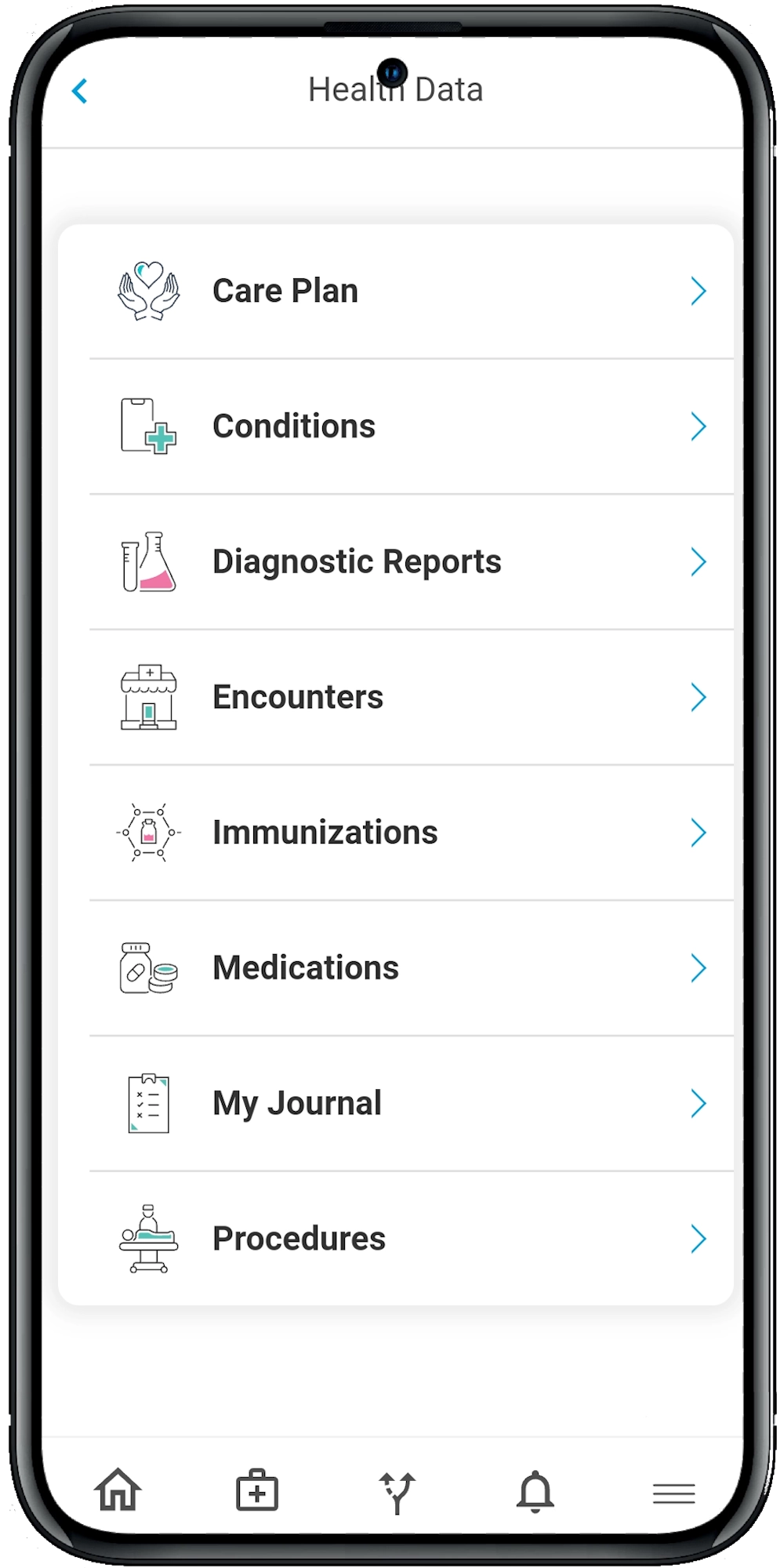
Think of a patient’s health record as a puzzle. You need all the pieces to fit together to see the full picture. Data integration pulls together information from electronic health records, imaging, genetic tests, lab results, wearable devices, and even patient-reported outcomes.
It’s not enough to have data scattered across different systems. Healthcare must connect these sources in real time, creating a unified, accessible view for clinicians. Only then can AI algorithms analyse the full spectrum of patient data, identify patterns, and generate personalised insights. Platforms like Calcium’s health system exemplify this approach by consolidating diverse data streams into one clean, actionable interface.
Predictive Analytics and Risk Stratification
Rather than reacting after complications occur, AI enables proactive care. Using historical data, AI models can predict who’s at higher risk of issues like infections, readmissions, or delayed recovery.
For example, a patient with ASC might appear stable today but could have a hidden risk of postoperative complications based on factors like age, comorbidities, or tumour characteristics. AI models analyse these variables, giving clinicians a heads-up. They can then adjust treatment plans, schedule closer follow-ups, or modify medication protocols.
This predictive ability is like having a weather forecast for patient outcomes — helping teams prepare for storms before they hit, and avoiding unnecessary delays or readmissions.
Decision Support and Clinical Workflow Integration
AI isn’t meant to replace clinicians — it’s there to support decision-making with evidence-backed recommendations. Think of it as a GPS navigational system that suggests the best routes, but you still decide when to turn.
Within the clinical workflow, AI provides alerts, suggestions, and contextually relevant data, making it easier for surgeons, oncologists, and nurses to choose the best course of action. Whether deciding on surgical techniques or tailored therapies, AI-powered decision support ensures choices are data-driven, improving the chances of better outcomes.
Remote Monitoring and Continuous Data Collection
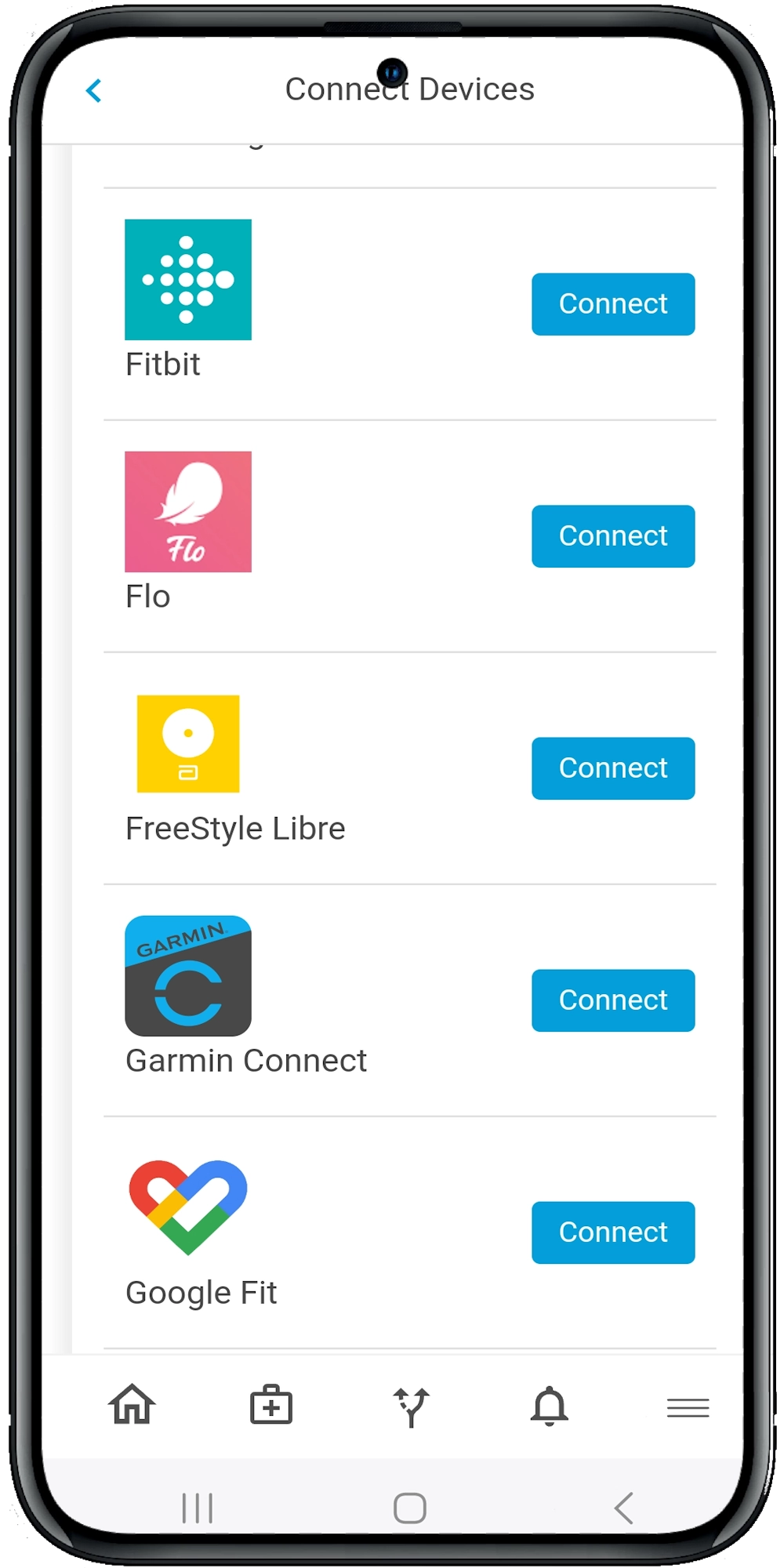
Recovery doesn’t happen solely within hospital walls. Postoperative patients need ongoing support and surveillance. Wearables, smartphone apps, and remote monitoring tools gather real-time data on vital signs, activity levels, and even symptoms.
This continuous flow of information allows clinicians to intervene early if something’s amiss. For example, subtle changes in a patient’s mobility or vital signs could signal an emerging complication, prompting a quick response. It’s like having a health assistant in your pocket — alerting you and your care team before small issues become big problems.
Overcoming the Challenges of AI in Surgical Care
While the promise is enormous, deploying AI pathways in real-world healthcare isn’t without hurdles. Recognising and addressing these challenges is key to unlocking AI’s full potential.
Data Scarcity and Quality
High-quality data is the foundation of effective AI models. Unfortunately, in specialised areas like ASC, data can be limited or inconsistent. Many datasets are fragmented across institutions, with missing or inaccurate information.
However, platforms like Calcium mitigate this problem by aggregating data from multiple sources, creating a more comprehensive and reliable dataset. This approach enhances AI accuracy and ensures models learn from diverse patient populations.
Managing Patient and Disease Heterogeneity
Patients aren’t cookie-cutter; each one has unique characteristics. AI models must account for this variability to deliver personalised recommendations.
This is where advanced machine learning techniques shine — they can identify subtle differences in patient profiles and adjust predictions accordingly. The goal is to move from generic pathways to truly tailored journeys.
Ensuring Trust and Explainability
Clinicians need to understand how AI arrives at its recommendations. Black-box algorithms breed distrust, which can hinder adoption.
Transparency is essential. By designing AI systems that explain their reasoning in understandable terms, we empower clinicians to verify and trust these insights. Calcium’s emphasis on explainable AI—showing the logic behind each recommendation—builds confidence and promotes integration into daily practice.
Regulatory and Ethical Considerations
AI must adhere to strict regulatory standards to protect patient privacy and safety. The healthcare industry faces complex legal frameworks, especially around data security and clinical decision support.
Furthermore, ethical questions about bias and fairness must be addressed. Are AI models equitable across different demographic groups? Responsible development requires ongoing evaluation and compliance with guidelines like those from the FDA and HIPAA.
Scalability and Workflow Integration
Deploying AI solutions across various healthcare settings demands scalable, easy-to-integrate systems. If AI tools disrupt workflows or require extensive training, clinicians may resist adoption.
Calcium’s platform employs user-friendly interfaces and seamless integration with existing systems, making it easier for hospitals to adopt AI-driven pathways without upheaval.
How the Calcium Digital Health Platform Supports Personalized Surgical Pathways
The calcium platform is designed specifically to tackle these challenges head-on, turning ambitious ideas into practical solutions.
- Data aggregation. By connecting disparate data sources, Calcium ensures that AI algorithms have access to comprehensive and high-quality data, enhancing prediction accuracy.
- Personalised analytics. It leverages AI models trained on rich datasets to create tailored care plans, risk predictions, and real-time alerts for each patient.
- Clinician trust. Transparency and explainability in its AI recommendations foster trust, making it easier for healthcare teams to incorporate insights into their daily workflows.
- Remote patient management. Continuous monitoring tools integrated into the platform support proactive post-surgical care, reducing complications and readmissions.
- Regulatory compliance. The platform adheres to strict privacy standards and undergoes ongoing validation to meet regulatory requirements, ensuring safe deployment.
By blending data-driven insights with intuitive usability, Calcium empowers clinicians and patients to navigate complex surgical journeys confidently.
Real-World Impact and The Future
Imagine a future where every surgical patient receives a truly personalised pathway—minimised risks, optimised outcomes, and improved experiences. AI makes this future possible by turning vast pools of data into actionable insights, guiding every step of the journey.
In real-world settings, AI-driven pathways have already demonstrated reductions in postoperative complications, shorter hospital stays, and higher patient satisfaction, particularly in complex cases like ASC. As technology advances, coverage expands, and trust grows, these benefits will become standard.
The key to realising this future is collaboration between technologists, clinicians, and patients. When we combine human expertise with AI’s analytical power, we unlock the full potential of precision medicine in surgical care.
The Wrap
The future of surgical care is increasingly personalised, powered by AI that turns data into actionable insights. With innovative platforms like CalciumHealth, healthcare providers can craft tailored pathways that improve patient outcomes, enhance safety, and deliver care more efficiently.
These intelligent systems don’t just support clinicians—they empower patients to take an active role in their recovery journeys. As we continue to innovate, the possibilities for transforming surgical care and making it more patient-centered are limitless.
The future of healthcare is here—are you ready to be part of it?
Reference
- Mahajan, A., Esper, S., Thien Htay Oo, McKibben, J., Garver, M., Artman, J., Klahre, C., Ryan, J., Senthilkumar Sadhasivam, Holder-Murray, J., & Marroquin, O. C. (2023). Development and Validation of a Machine Learning Model to Identify Patients Before Surgery at High Risk for Postoperative Adverse Events. JAMA Network Open, 6(7), e2322285–e2322285. https. //doi.org/10.1001/jamanetworkopen.2023.22285
- Joshi, G. P., & Vetter, T. R. (2024). Ambulatory Anesthesia. Current State and Future Considerations. Anesthesia & Analgesia, 139(3), 453–457. https. //doi.org/10.1213/ane.0000000000007127
- Gala, D., Behl, H., Shah, M., & Makaryus, A. N. (2024). The role of artificial intelligence in improving patient outcomes and future of healthcare delivery in cardiology. A narrative review of the literature. Healthcare, 12(4), 481. https. //doi.org/10.3390/healthcare12040481
- Bryan, A. F., Nair-Desai, S., & Tsai, T. C. (2022). The Need for a Better-Quality Reporting System for Ambulatory and Outpatient Surgery—Surgical Quality Without Walls. JAMA Surgery, 157(9), 753. https. //doi.org/10.1001/jamasurg.2022.0680
- Varghese, C., Harrison, E. M., O’Grady, G., & Topol, E. J. (2024). Artificial intelligence in surgery. Nature Medicine, 1–12. https. //doi.org/10.1038/s41591-024-02970-3
- Guni, A., Varma, P., Zhang, J., Fehervari, M., & Ashrafian, H. (2024). Artificial Intelligence in Surgery. The Future is Now. European Surgical Research. Europaische Chirurgische Forschung. Recherches Chirurgicales Europeennes, 65(1). https. //doi.org/10.1159/000536393