Türkiye’de bahis severler için en çok tercih edilen bettilt giriş adreslerden biri olmaya devam ediyor.
Curacao lisanslı platformlar arasında güvenilirlik açısından üst sıralarda bahsegel giriş yer alan, uluslararası denetimlerden başarıyla geçmiştir.
Kazançlı bahis deneyimi arayan herkes için bettilt doğru seçimdir.
Rulet masalarında en çok tercih edilen bahis türleri arasında kırmızı/siyah ve tek/çift seçenekleri yer alır; pinco giriş bu türleri destekler.
Basketbol tutkunları için en iyi kupon fırsatları bettilt sayfasında yer alıyor.
How to Decide on the Right Digital Tools That Empower Care Teams and Keep Patients on Track
As promising as value-based care (VBC) sounds, making value-based care work in the real world is no small task. It demands better coordination, tighter reporting and more meaningful patient engagement—all while keeping costs down and outcomes up.
The real challenge? Doing it all without overwhelming your staff or stretching your resources thin.
That’s where the right software becomes a game-changer. Not just any platform, but one that’s purpose-built to support the complexities of value-based care. Whether you’re part of a hospital system, a primary care network or a specialty group, having the right digital tools in place can make or break your success.
So what should you look for? Let’s dive into the features that actually move the needle
VBC is Changing the Game
Value-based care has reshaped the goals of modern healthcare. Instead of measuring success by volume, today’s providers are measured by outcomes—how well they keep people healthy, avoid complications and reduce unnecessary costs. But making that shift isn’t simple. It comes with a heavy operational lift: tracking metrics, coordinating care, managing patient engagement and juggling siloed systems.
That’s why choosing the right value-based care software isn’t just helpful—it’s critical. The right platform does more than track checkboxes. It gives your team the tools to deliver better care, faster, and with less burnout. Here’s what to look for when evaluating a software solution built to thrive in a value-based environment.
1. Integrated Patient Engagement Tools
Value-based care thrives on one simple principle: patients who are engaged in their health tend to do better. But engagement doesn’t happen by accident. It takes consistent communication, helpful reminders and accessible tools that make health management part of a patient’s daily life—not an afterthought.
That’s why your value-based care software should offer built-in engagement tools that go far beyond a patient portal.
Look for features like:
- A mobile app patients can actually understand and enjoy using
- Push notifications and reminders for medications, appointments or daily tasks
- Digital care plans that guide patients through step-by-step activities
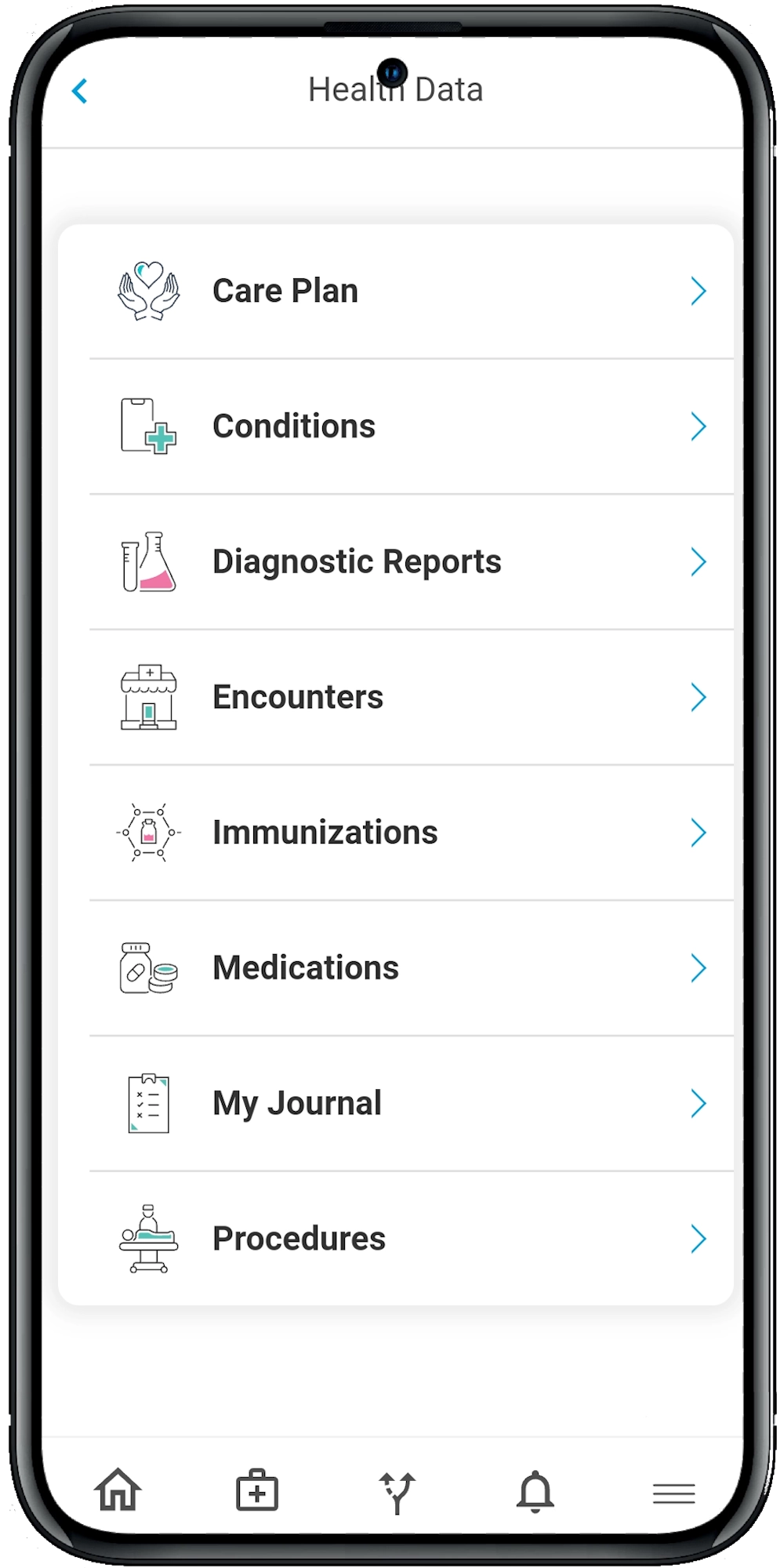
- Health tracking tools for vitals, symptoms, nutrition or physical activity
Research backs this up. In a study on digital application-based technology for joint arthroplasty patients, researchers found that software-driven engagement improved adherence and helped streamline post-op recovery. Patients who felt involved in their care were more likely to follow through—leading to better outcomes with fewer complications.
2. Real-Time Data Integration and Visualization
How can you treat what you can’t see?
One of the biggest operational challenges in value-based care is fragmented data. EHRs, wearable devices, lab systems and patient-reported outcomes all hold valuable clues—but if they live in different systems, you’re left putting together a puzzle with missing pieces.
That’s why real-time data integration should be non-negotiable.
Your platform should:
- Pull in EHR data from across provider networks
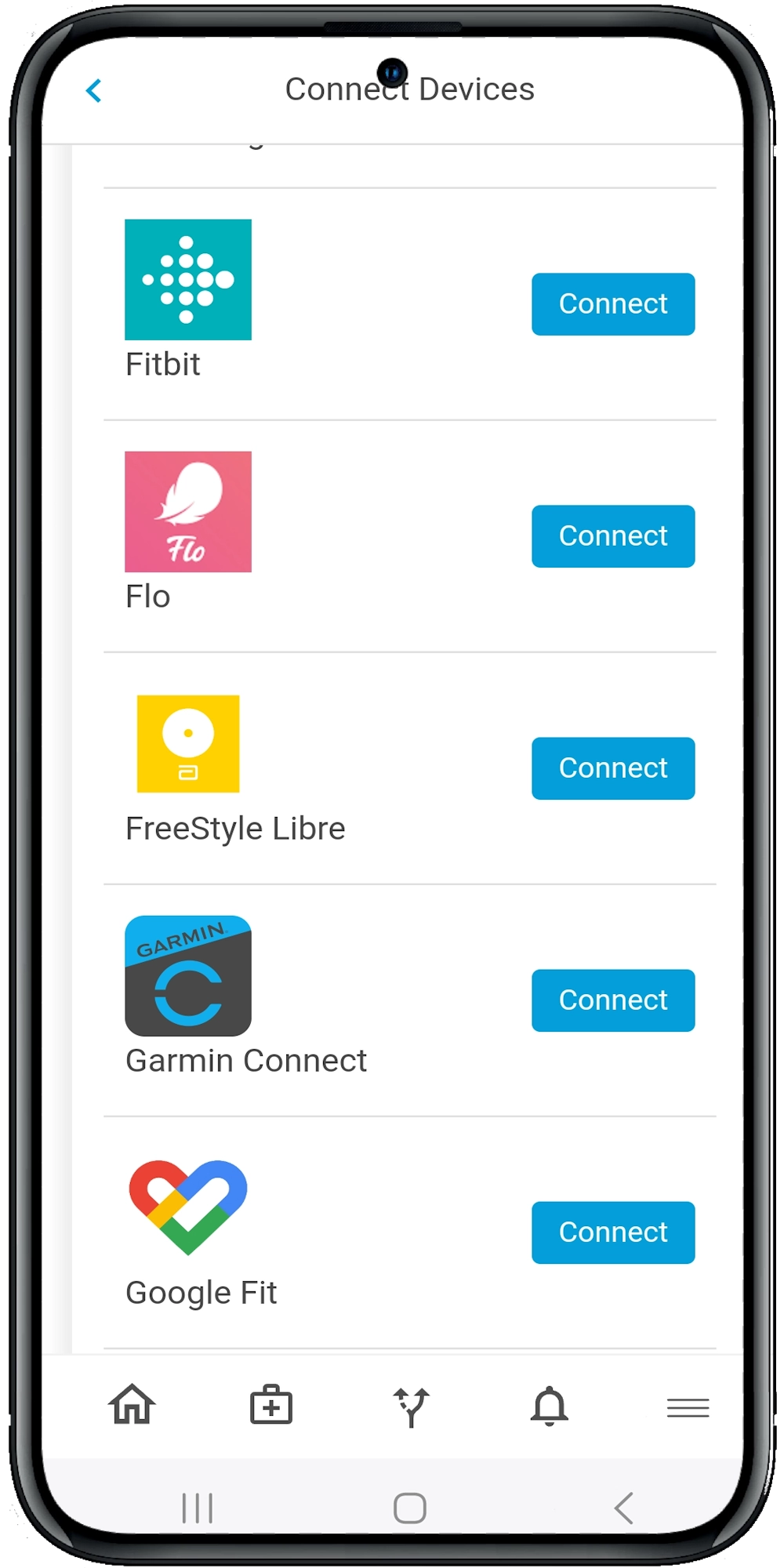
- Integrate with wearables (like Apple Watch, Fitbit and Omron monitors)
- Collect home health data (blood pressure, glucose, pulse ox)
- Aggregate patient-reported outcomes from mobile apps
Even better? All of that data should be visualized in clear dashboards that show progress over time. When care teams can quickly interpret trends and act on them, they reduce preventable events and respond faster to risk.
It’s similar to how AI-based motion analysis software in physical therapy can detect subtle changes in a patient’s form. That same principle—turning complex motion into meaningful data—can be applied to chronic condition monitoring, recovery progress and population health tracking.
3. AI-Driven Digital Care Pathways
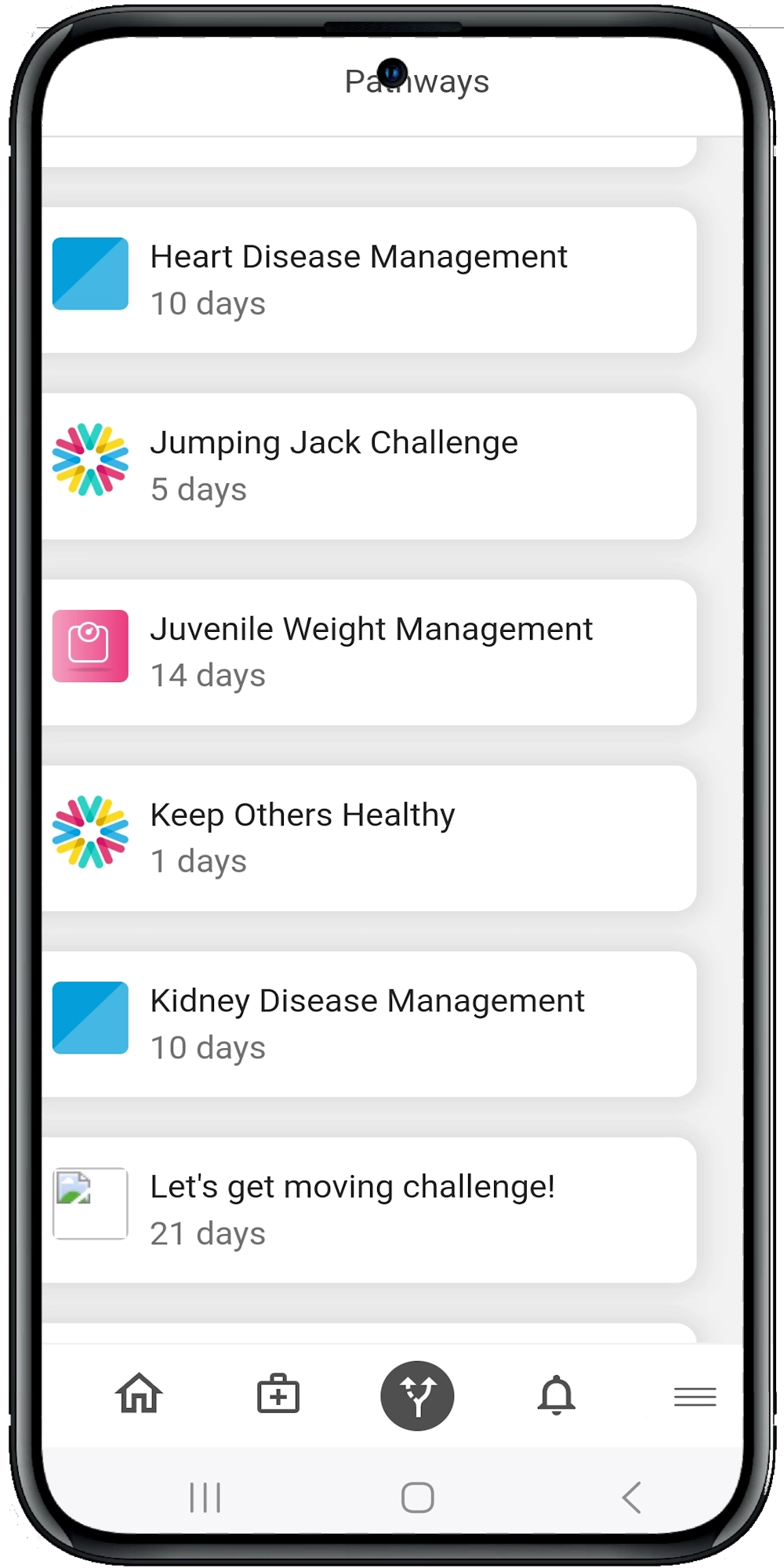
Let’s face it—static care plans don’t cut it anymore. What patients need is guidance that adjusts based on their daily inputs, condition progression and personal goals. That’s where AI-driven digital care pathways come in.
Think of them as GPS for a patient’s health journey. They:
- Deliver adaptive daily guidance based on real-time data
- Prompt users to complete health tasks or respond to check-ins
- Adjust based on symptom tracking, health data and engagement
- Offer tailored content for education and behavior change
The key is personalization. In the ProCESS trial on septic shock, researchers found that strict adherence to one-size-fits-all protocols didn’t significantly improve outcomes over usual care. What made a difference? Rapid, personalized responses based on evolving patient status. That’s exactly what digital care pathways can deliver—only scaled across entire populations.
Even better, when providers can assign and track these pathways through their software platform, it becomes easier to manage chronic conditions like diabetes, hypertension or depression—without overburdening staff.
4. Smart Alerts and Risk Stratification
Time is everything in healthcare. The sooner you can spot a patient veering off track, the sooner you can intervene and avoid complications—or worse, hospitalization. That’s why value-based care software must include smart alerts and risk stratification tools that prioritize your attention.
Look for:
- Customizable alert thresholds for vitals, missed meds or symptom flags
- Color-coded risk dashboards that categorize patients by urgency
- Predictive analytics that help forecast adverse events
Imagine managing a panel of 500 patients. Without smart sorting, your team is overwhelmed. But with intelligent risk filters, your software can highlight the 20 who need immediate attention today—before a small issue becomes a major cost.
This kind of prioritization supports team-based care and makes population health management actually manageable. It’s not just good practice—it’s essential in a system where quality and cost are tied together.
5. Automated Quality Metric Tracking and Reporting
Let’s talk about paperwork.
One of the most frustrating burdens of value-based care is the administrative load that comes with tracking quality metrics. Every outcome needs to be documented, every interaction counted, and every result linked to a contract incentive. Doing this manually? It’s a full-time job.
That’s why your software must:
- Track care activities and tie them to VBC quality measures
- Auto-generate reports for CMS, payers or internal reviews
- Provide audit trails and outcome dashboards
When your platform handles this behind the scenes, it frees up your clinical team to focus on care—not spreadsheets.
This ties in with what we know about open-source and value-based software frameworks: when platforms are designed around transparency and shared value—like the seven principles in value-based software engineering—they support ethical, scalable performance. Your software should work as hard as your care team does.
6. Collaborative Tools for Team-Based Care
Value-based care depends on collaboration. That means your software has to connect not just with patients, but with all members of the care team.
Features to prioritize:
- HIPAA-compliant messaging between providers and staff
- Shared care plans that update in real time
- Task assignment tools for care coordinators, nurses and specialists
- Family or caregiver access for holistic support
When your platform makes collaboration seamless, it creates better continuity of care and reduces the friction between settings, specialties and follow-up. It’s the digital glue that holds your team together—even when they’re working across locations or time zones.
7. User-Friendly, Scalable Design
Lastly, don’t underestimate the power of great user experience.
Your platform could have all the right features, but if it’s hard to use, people won’t use it. That includes patients, care managers, and even your back-office staff.
A strong value-based care platform should offer:
- Intuitive navigation and onboarding
- Mobile-first design for both patients and providers
- Gamified elements like badges, goals and visual progress bars
- Scalability across departments, clinics or entire health systems
Think of it like open-source platforms that thrive due to wide adoption—they succeed because they’re easy to use, flexible and accessible. That’s the same model your VBC software should follow.
The Wrap
Choosing the right value-based care software means looking beyond checklists and buzzwords. It means finding a platform that’s truly built to support better care, smarter decisions and lighter workloads.
The future of healthcare is value-driven—and the right software is the foundation that makes it work.
As care models evolve, providers need more than basic portals or disconnected dashboards. They need smart, intuitive tools that bring patients closer, streamline team workflows, and make tracking outcomes effortless. Choosing a value-based care platform isn’t just about technology—it’s about empowering your team to deliver the kind of care that changes lives while meeting the demands of modern reimbursement models.
That’s exactly what the Calcium digital health platform is built for. With personalized care pathways, real-time data integration, and an easy-to-use experience for both patients and providers, Calcium helps organizations transform how they engage, manage, and succeed in value-based care.
Reference
- Boehm, B. W. (2006). Value-Based Software Engineering: Seven Key Elements and Ethical Considerations. Springer EBooks, 109–132. https://doi.org/10.1007/3-540-29263-2_6
- Hoffmann, M., Nagle, F., & Zhou, Y. (2024). The Value of Open Source Software. SSRN Electronic Journal. https://doi.org/10.2139/ssrn.4693148
- Zsarnoczky-Dulhazi, F., Agod, S., Szarka, S., Tuza, K., & Kopper, B. (2023). Ai based motion analysis software for sport and physical therapy assessment.. Revista Brasileira de Medicina Do Esporte, 30, e2022_0020. https://doi.org/10.1590/1517-8692202430012022_0020i
- The PROCESS investigators. (2014). A Randomized Trial of Protocol-Based Care for Early Septic Shock. New England Journal of Medicine, 370(18), 1683–1693. https://doi.org/10.1056/nejmoa1401602