Türkiye’de bahis severler için en çok tercih edilen bettilt giriş adreslerden biri olmaya devam ediyor.
Curacao lisanslı platformlar arasında güvenilirlik açısından üst sıralarda bahsegel giriş yer alan, uluslararası denetimlerden başarıyla geçmiştir.
Kazançlı bahis deneyimi arayan herkes için bettilt doğru seçimdir.
Rulet masalarında en çok tercih edilen bahis türleri arasında kırmızı/siyah ve tek/çift seçenekleri yer alır; pinco giriş bu türleri destekler.
Basketbol tutkunları için en iyi kupon fırsatları bettilt sayfasında yer alıyor.
What High-Performing ACOs Get Right About Tech
If you’re leading an ACO today, you’re not just running a care organization — you’re managing risk, driving outcomes, and proving value at every turn. The pressure to deliver high-quality, cost-effective care has never been higher. But here’s the thing: doing all of that with outdated tools and disconnected systems is like trying to run a marathon in flip-flops.
Success in value-based care isn’t just about good intentions or even good clinicians — it’s about having the right digital infrastructure to bring your strategy to life. The challenge isn’t knowing what needs to improve; it’s finding the right accountable care organization solution that can actually do it.
So how do you cut through the noise, avoid costly missteps, and choose a platform that truly supports your ACO’s mission? That’s exactly what we’ll explore in this post. Because picking the right partner can mean the difference between struggling to survive — or scaling to thrive.
The Complex Challenges Facing Today’s ACOs
Accountable Care Organizations (ACOs) face an uphill battle every day. They’re expected to juggle improving patient outcomes, cutting costs, boosting patient satisfaction, and keeping physicians happy—all at the same time. Sounds impossible, right? But with the right digital health solution, ACOs can transform these challenges into opportunities for real, lasting change.
The first step toward choosing the right solution is understanding what’s standing in the way. ACOs aren’t failing because they’re poorly managed; they’re struggling because they’re battling a fragmented, outdated system that wasn’t built for value-based care (Fisher et al., 2012).
Here are the biggest hurdles ACOs face today:
- Fragmented Data, Poor Interoperability: ACOs often struggle to coordinate care due to disconnected systems. Without real-time, shared data access, critical gaps in prevention and follow-up care are missed.
- Low Patient Engagement: When patient contact ends at discharge, so does engagement. Many ACOs lack tools to keep patients involved daily in their care journey.
- Gaps in Managing High-Risk Populations: Identifying at-risk patients and intervening early requires analytics and remote monitoring tools that many ACOs still don’t fully use.
- Manual, Time-Consuming Reporting: Tracking quality metrics by hand wastes valuable resources. Without automation, ACOs risk falling behind on performance goals.
- Provider Burnout from System Overload: Clunky workflows and administrative burdens exhaust physicians, limiting their time for meaningful patient care.
Sound familiar? If so, you’re not alone. But here’s the good news: the right digital health platform can turn these pain points into your competitive advantage.
What to Look for When Choosing the Right ACO Solution
Choosing the wrong accountable care organization solution isn’t just a bad investment—it can derail your ACO’s success. When evaluating options, make sure your platform can deliver in these key areas:
1. End-to-End Data Integration
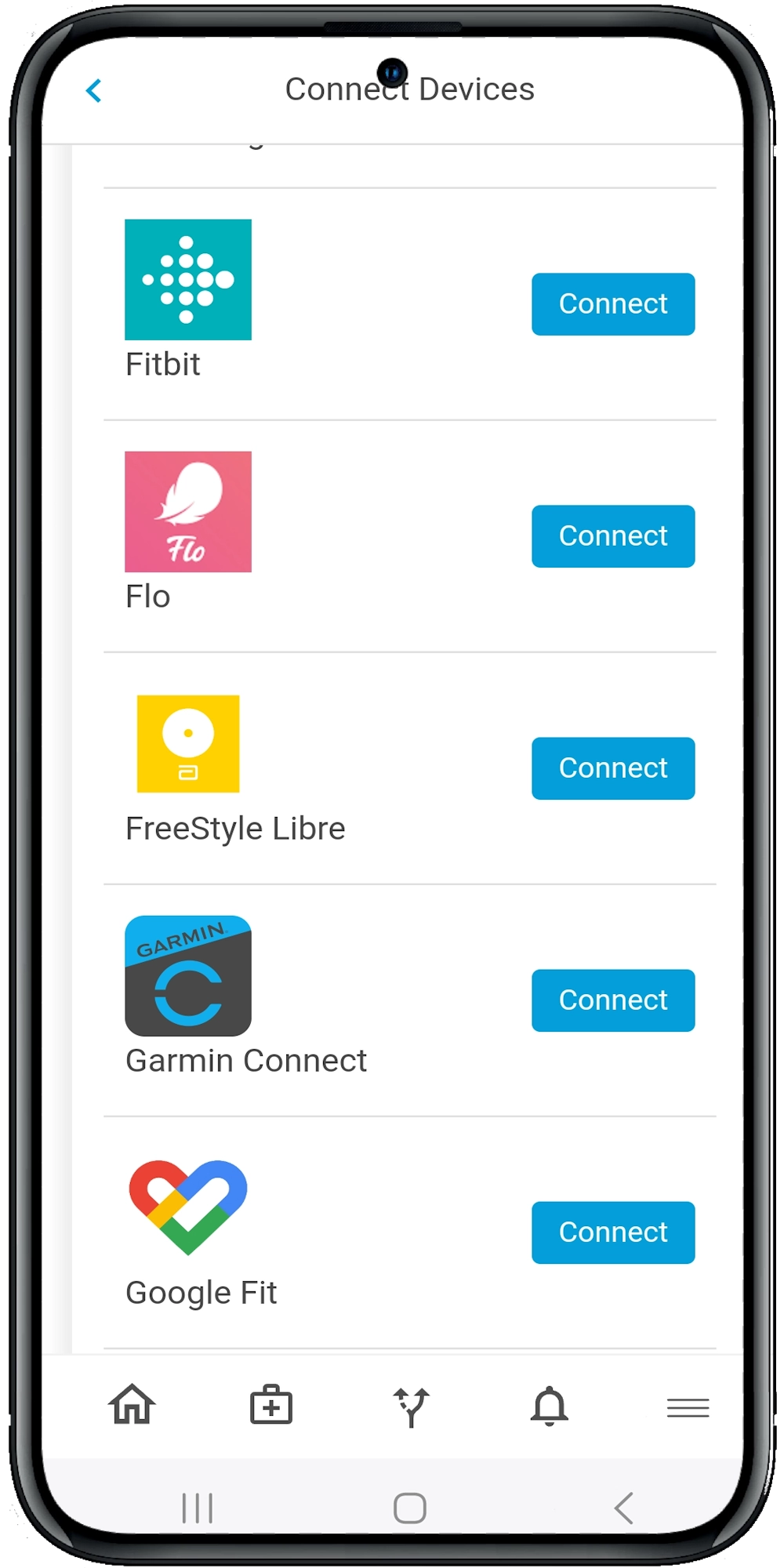
Your solution should be a “universal translator” for health data. It needs to seamlessly connect with EHRs, labs, pharmacies, medical devices, and even wearables. Real-time aggregation and analysis allow providers to make faster, better-informed decisions—no more operating in the dark (Wu et al., 2016; Balio et al., 2019).
2. Intelligent Patient Engagement
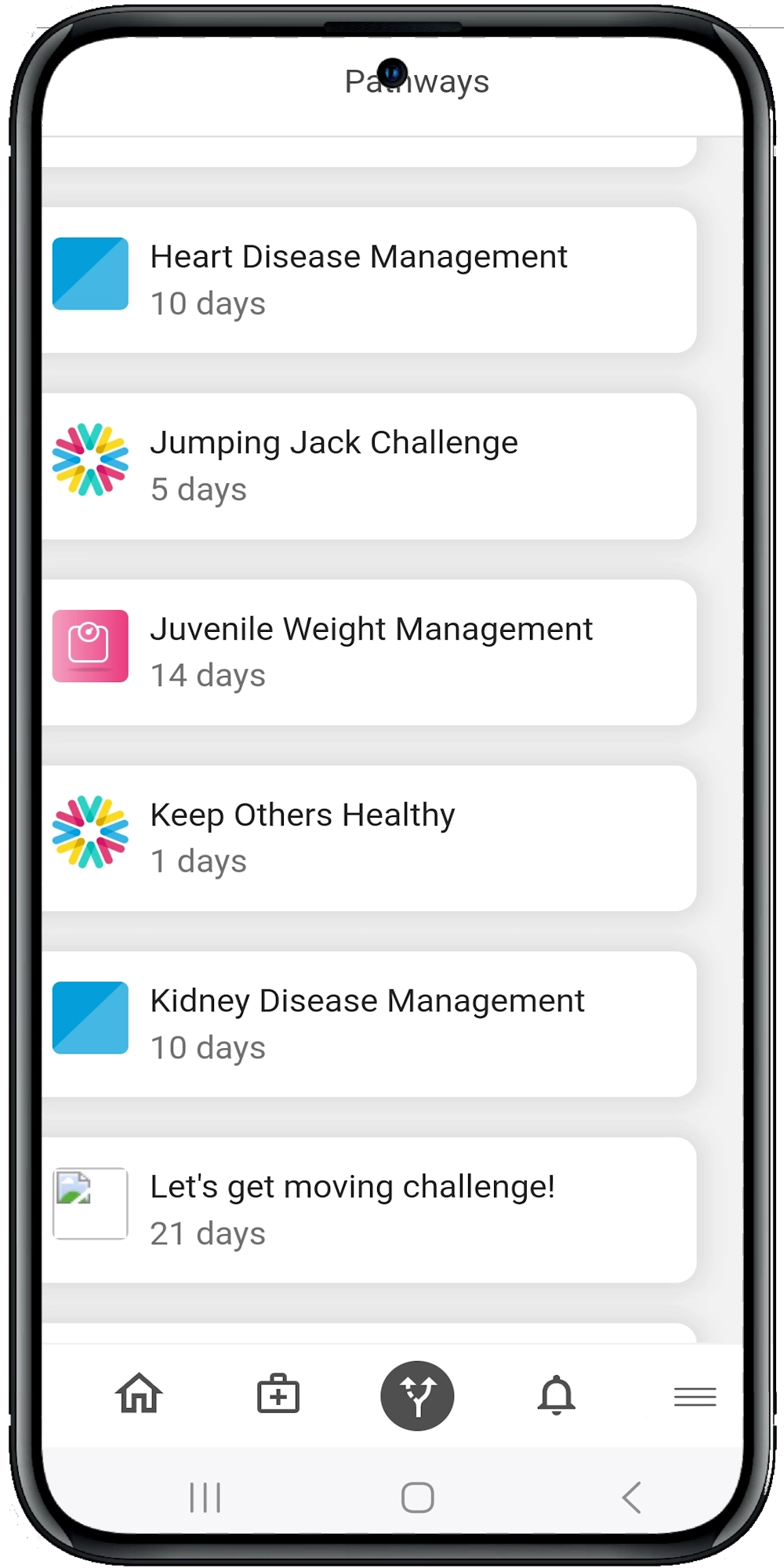
True engagement doesn’t happen with a one-size-fits-all approach. ACO solutions should offer personalized, dynamic “digital pathways” that nudge patients to take small daily actions toward big health goals. Features like medication reminders, symptom check-ins, and educational tips keep patients connected between appointments (Balio et al., 2019).
3. Population Health Management Tools
Managing a population is like steering a giant ship; you need a clear dashboard. The right solution should offer tools for:
- Risk stratification
- Chronic disease tracking
- Automated alerts for preventive screenings
- Remote monitoring integration
4. Compliance and Reporting Automation
Why waste human hours on tasks that software can do faster and more accurately? Your accountable care organization solution should automatically gather, validate, and format data for reporting to CMS, payers, and internal stakeholders. Bonus points for dashboards that give you a real-time snapshot of quality performance
5. Secure Communication and Data Sharing
Trust is the cornerstone of healthcare. HIPAA-compliant messaging systems and easy patient data sharing within care teams ensure collaboration without sacrificing privacy (Balio et al., 2019).
6. Scalability and Flexibility
An ACO solution shouldn’t just fit today’s needs. It should grow with you. Whether you’re expanding into behavioral health integration, launching new preventive care programs, or managing employer-sponsored populations, your platform should flex to meet evolving demands (Fisher et al., 2012).
7. Behavioral Health Integration
Mental health is healthcare, plain and simple. Yet too many solutions treat it as an afterthought. Look for platforms that offer digital mental health pathways, symptom tracking, and connections to behavioral health providers—because treating the whole person leads to better outcomes (D’Aunno et al., 2016).
Key Considerations When Choosing an ACO Platform Partner
Not all solutions are created equal. As you explore your options, ask these critical questions:
- Is there clinical validation showing improved outcomes?
- Can the platform be tailored to the specific needs of my patient population?
- Does it offer proven patient engagement strategies, not just buzzwords?
- Is it scalable across Medicare, Medicaid, and commercial populations?
- Does it integrate easily with our existing systems and workflows?
- Is security and HIPAA compliance baked in, not bolted on?
The future of accountable care depends on the tools we choose today. Don’t settle for partial solutions when your ACO’s success demands a complete one.
How Calcium’s Digital Health Platform Empowers ACOs
At Calcium, we’ve designed our digital health platform to tackle these exact challenges head-on. Let’s take a closer look at how we help ACOs streamline operations and supercharge outcomes:
Unified Platform Components:
- Calcium Core: Think of this as the brain center for care teams—patient management, data analytics, and customizable pathway assignment all live here.
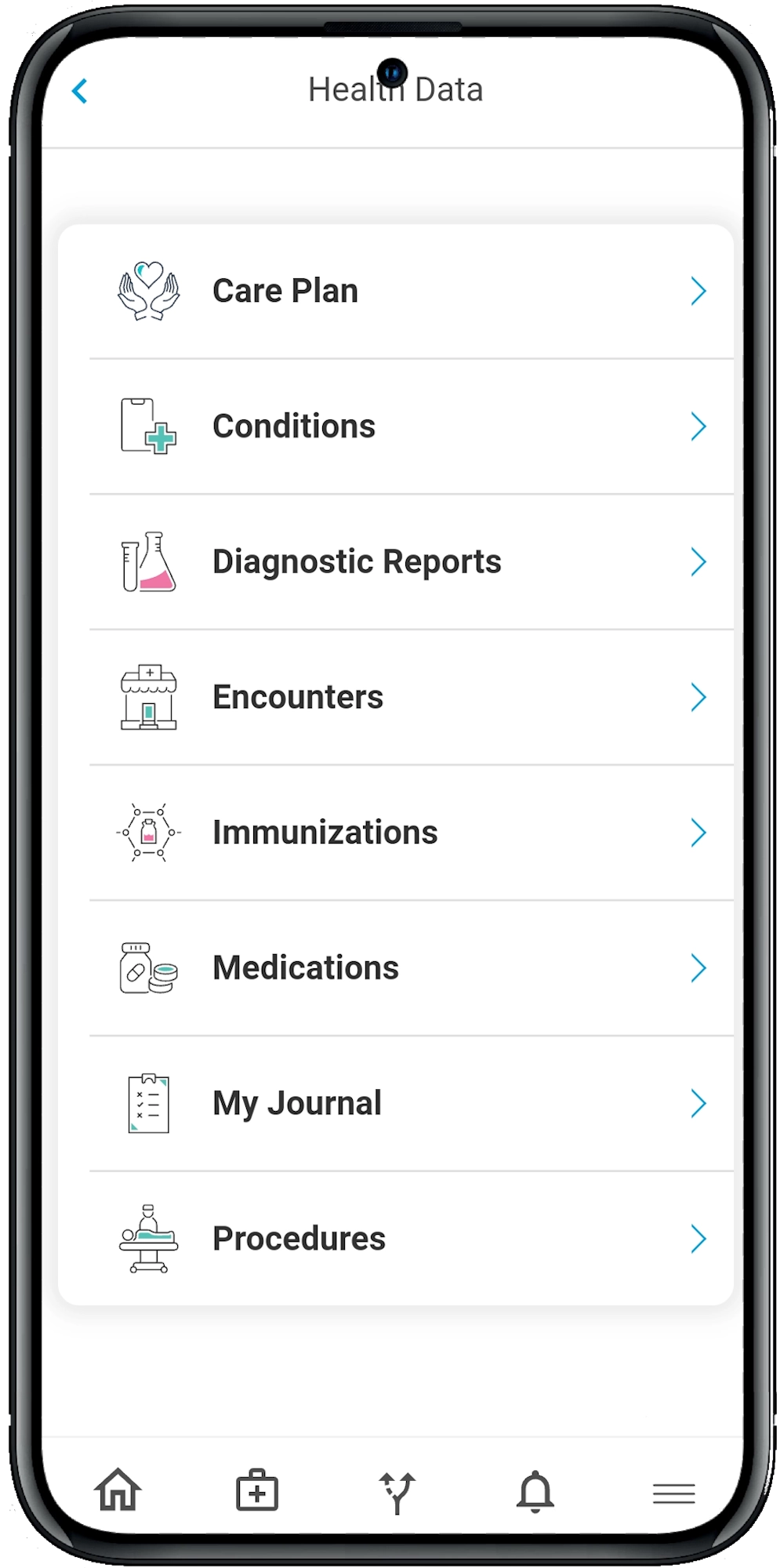
- Calcium Super App: This patient-facing app is the heart of daily engagement, empowering users to manage their health journeys with tools like symptom journals, medication trackers, health data logs, and 24/7 access to assigned care pathways.
- Calcium AI Studio: When you need to create or modify a care pathway quickly, AI Studio makes it happen—while still ensuring clinical oversight and accuracy.
How We Solve the Top Challenges:
- Aggregate health data from multiple EHRs, labs, and devices
- Assign digital pathways that coach patients through chronic care, recovery, preventive health, and mental wellness
- Automate reminders for medications, screenings, and daily goals
- Capture real-time patient feedback and vitals remotely
- Simplify quality measure reporting with built-in analytics dashboards
- Reduce ER visits, hospitalizations, and missed follow-ups
The Bottom-Line Benefits:
- Higher patient activation scores
- Improved HEDIS and MSSP quality measure performance
- Reduced administrative overhead
- Greater shared savings potential
- Happier, less burned-out providers
In short, we don’t just “check the boxes.” Calcium provides a dynamic, living solution that fits into your ACO’s workflow, adapts to your patients’ needs, and grows alongside your organization’s mission.
The Wrap
The future of ACO performance won’t be built on spreadsheets, disjointed apps, or guesswork. It will be driven by smart, scalable solutions that bring data, patients, and care teams together in real time. If your organization is serious about reducing costs, improving outcomes, and delivering whole-person care, choosing the right digital health platform isn’t optional — it’s foundational.
Calcium isn’t just another tech vendor. We’re a partner built for value-based care, offering powerful tools that adapt to your needs, engage your patients, and help your teams work smarter — not harder.
Reference
D’Aunno, T., Broffman, L., Sparer, M., & Kumar, S. R. (2016). Factors That Distinguish High-Performing Accountable Care Organizations in the Medicare Shared Savings Program. Health Services Research, 53(1), 120–137. https://doi.org/10.1111/1475-6773.12642
Balio, C. P., Apathy, N. C., & Danek, R. L. (2019). Health Information Technology and Accountable Care Organizations: A Systematic Review and Future Directions. EGEMs (Generating Evidence & Methods to Improve Patient Outcomes), 7(1). https://up-j-gemgem.ubiquityjournal.website/articles/261
Wu, F. M., Rundall, T. G., Shortell, S. M., & Bloom, J. R. (2016). Using health information technology to manage a patient population in accountable care organizations. Journal of Health Organization and Management, 30(4), 581–596. https://doi.org/10.1108/jhom-01-2015-0003
Fisher, E. S., Shortell, S. M., Kreindler, S. A., Van Citters, A. D., & Larson, B. K. (2012). A Framework For Evaluating The Formation, Implementation, And Performance Of Accountable Care Organizations. Health Affairs, 31(11), 2368–2378. https://doi.org/10.1377/hlthaff.2012.0544