Türkiye’de bahis severler için en çok tercih edilen bettilt giriş adreslerden biri olmaya devam ediyor.
Curacao lisanslı platformlar arasında güvenilirlik açısından üst sıralarda bahsegel giriş yer alan, uluslararası denetimlerden başarıyla geçmiştir.
Kazançlı bahis deneyimi arayan herkes için bettilt doğru seçimdir.
Rulet masalarında en çok tercih edilen bahis türleri arasında kırmızı/siyah ve tek/çift seçenekleri yer alır; pinco giriş bu türleri destekler.
Basketbol tutkunları için en iyi kupon fırsatları bettilt sayfasında yer alıyor.
What’s Holding ACOs Back—and How to Fix It with Smarter Tech
Accountable Care Organizations (ACOs) are under more pressure than ever, expected to do it all—reduce costs, improve outcomes, and deliver a better patient experience.
But here’s the catch: most ACOs are still trying to meet 21st-century goals with 20th-century tools. Outdated systems, disconnected providers, and hard-to-reach patients make it nearly impossible to deliver the kind of proactive, coordinated care that value-based models demand.
That’s where digital transformation isn’t just helpful—it’s essential. If ACOs want to stay competitive and sustainable, they need to think beyond EHRs and dashboards. They need a unified, flexible, patient-centered strategy. In short, they need a digital-first foundation.
But what does that actually look like? And how can the right platform solve the biggest pain points ACOs face? In the sections below, we’ll break down the seven biggest barriers to ACO success—and explore how a next-gen ACO digital health platform can help overcome them.
Why Traditional ACOs Are Struggling to Keep Up
Let’s face it—being an ACO in today’s healthcare environment isn’t easy. You’re expected to improve outcomes, control costs, close care gaps and keep patients satisfied—all while navigating a mountain of disconnected health data and outdated technology.
The truth is, many ACOs still rely on pieced-together systems that weren’t built to talk to each other. Electronic health records (EHRs), patient portals and care management tools often operate in silos. Patients fall through the cracks, and providers are stuck reacting to problems instead of preventing them.
So what’s the solution?
A true ACO digital health platform. One that unifies patient engagement, provider workflows and population health analytics under a single, flexible, digital-first model.
7 Common Barriers Holding ACOs Back
Before we get into how to build a better ACO, let’s explore what’s holding most organizations back. Based on industry research and case studies, here are the top obstacles ACOs face when adopting digital health platforms:
- Fragmented data systems – Without unified records, ACOs can’t deliver coordinated care or act on insights.
- Low patient engagement – Even the best care plan fails if patients aren’t following through at home.
- Disconnected provider teams – Poor communication between PCPs, specialists and behavioral health leads to inconsistent care.
- Equity gaps – Digital tools often fail to reach underserved or lower-income populations.
- Overburdened clinicians – Providers are already stretched thin; clunky tech only adds to the frustration.
- Lack of analytics – ACOs need real-time population insights to intervene early and measure success.
- Rigid platforms – Many digital tools are one-size-fits-all and can’t adapt to specific patient or population needs.
Sound familiar? You’re not alone. These are the same barriers cited by healthcare leaders in recent studies, including a national survey of ACOs that showed only one-third used any digital health tools for behavioral health or opioid use disorder treatment (Miller-Rosales et al., 2023).
The Blueprint: What a Digital-First ACO Should Look Like
If you could design your ideal ACO digital health platform from the ground up, what would it include? We think it should be built on a few core pillars:
- Interoperability – Every piece of health data should flow seamlessly, from EHRs to wearables to lab results.
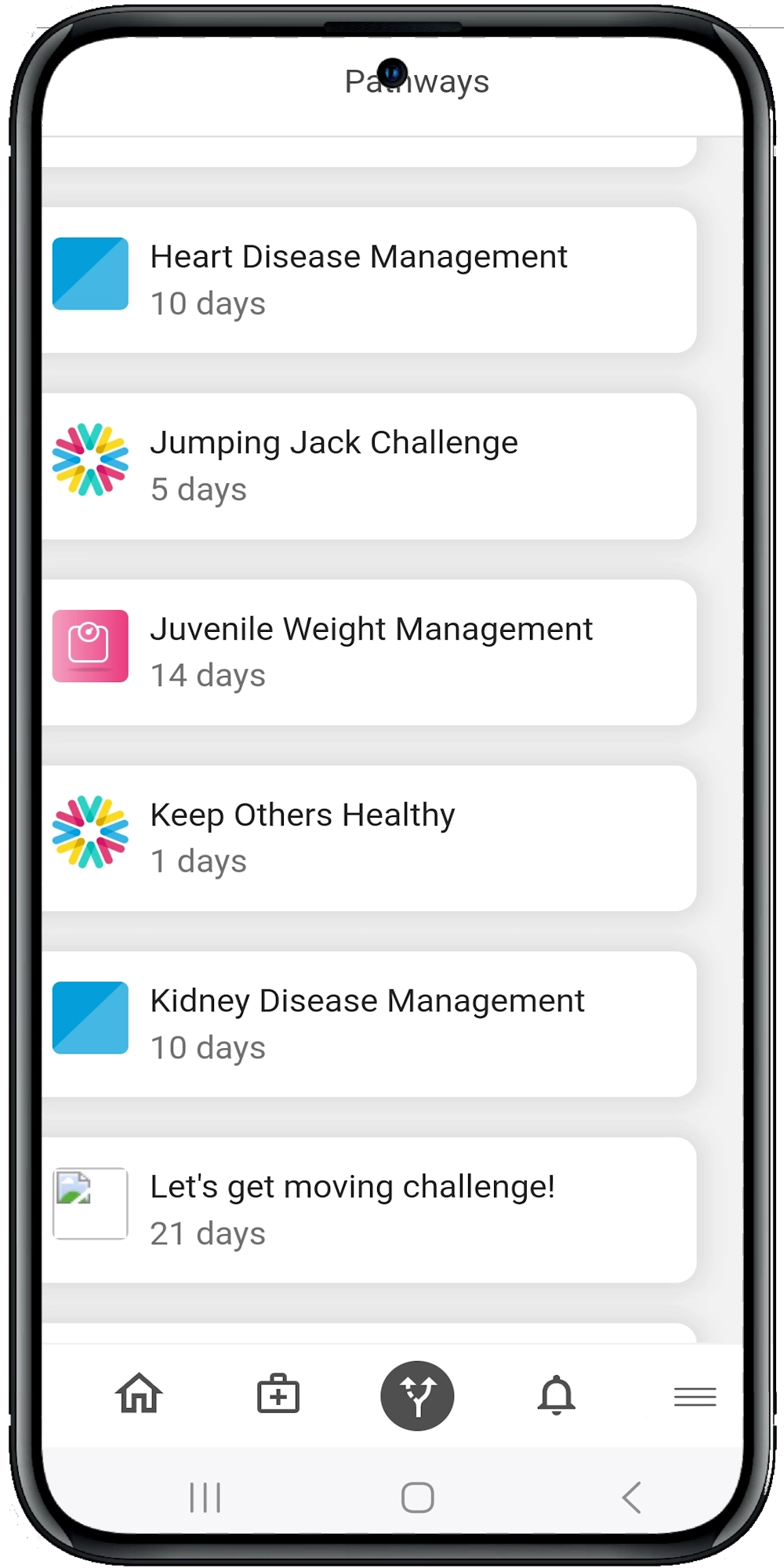
- Customizable care pathways – You need the flexibility to support chronic disease management, recovery care, behavioral health and wellness goals.
- Real-time engagement – Patients should receive personalized reminders, health tips, surveys and check-ins directly from their phone.
- AI-enhanced care – Smart algorithms can adjust care pathways based on patient input, vital signs or risk scores.
- Provider enablement – Clinicians should be able to assign care plans, track compliance and see patient-reported outcomes—all without extra burden.
- Analytics that matter – Dashboards should identify at-risk populations, care gaps and adherence patterns so teams can act fast.
This isn’t wishful thinking. A platform built with these capabilities is not only feasible—it aligns with the core principles driving digital transformation in healthcare (Kapur, 2023). It’s exactly what the Calcium platform is built to deliver.
How Calcium Builds a Better ACO Digital Health Platform
Let’s break down how the Calcium digital health platform delivers on each of those pillars, starting with the end user—the patient.
1. Super App: Empowering Patients to Lead Their Own Health Journey
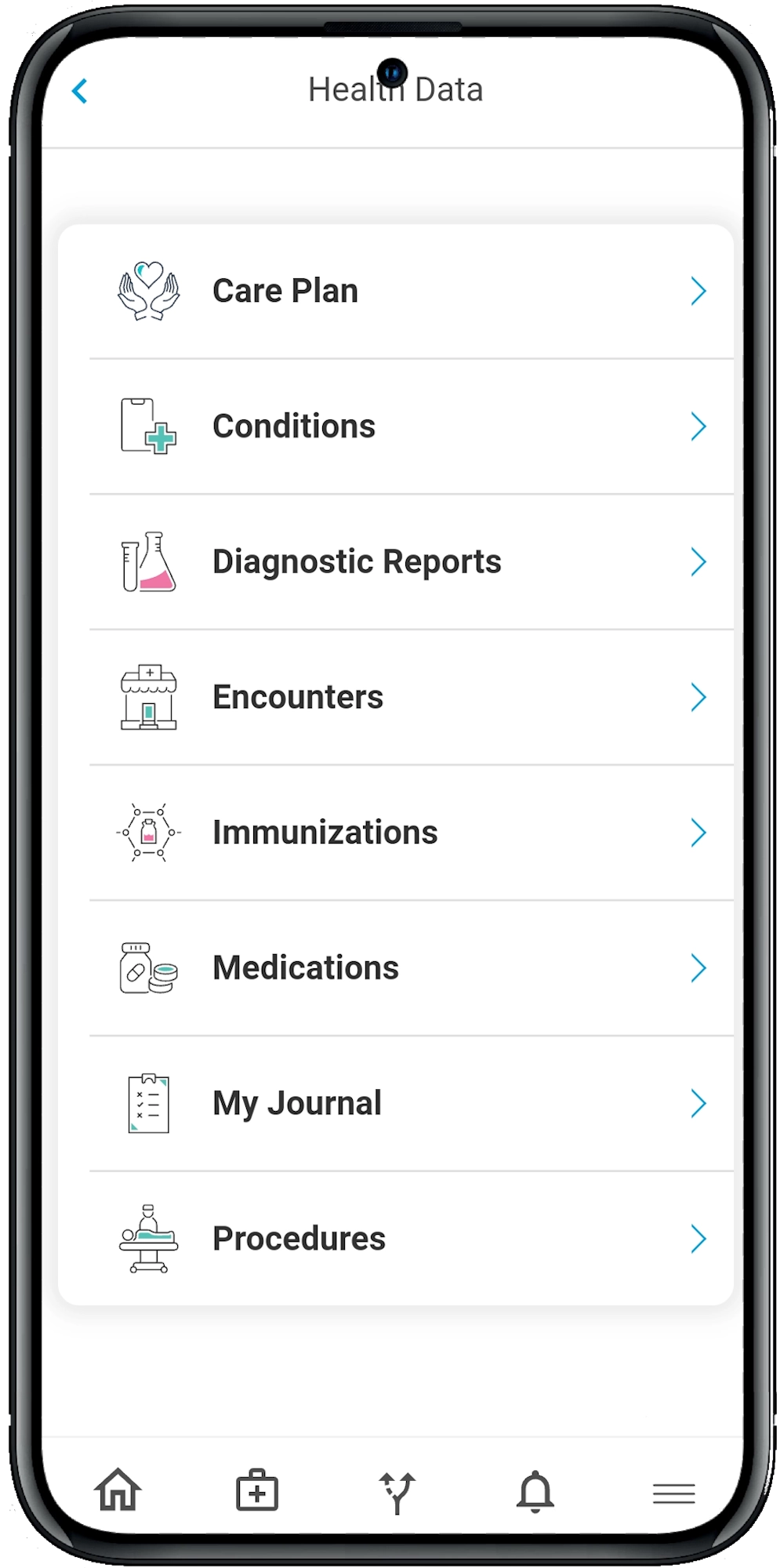
The Calcium Super App turns a patient’s smartphone into a personal health coach. Once a provider assigns a digital pathway (or the patient self-enrolls), the app guides them through daily tasks, education, symptom tracking and more. It includes:
- Pre-built and custom care pathways for hundreds of health conditions
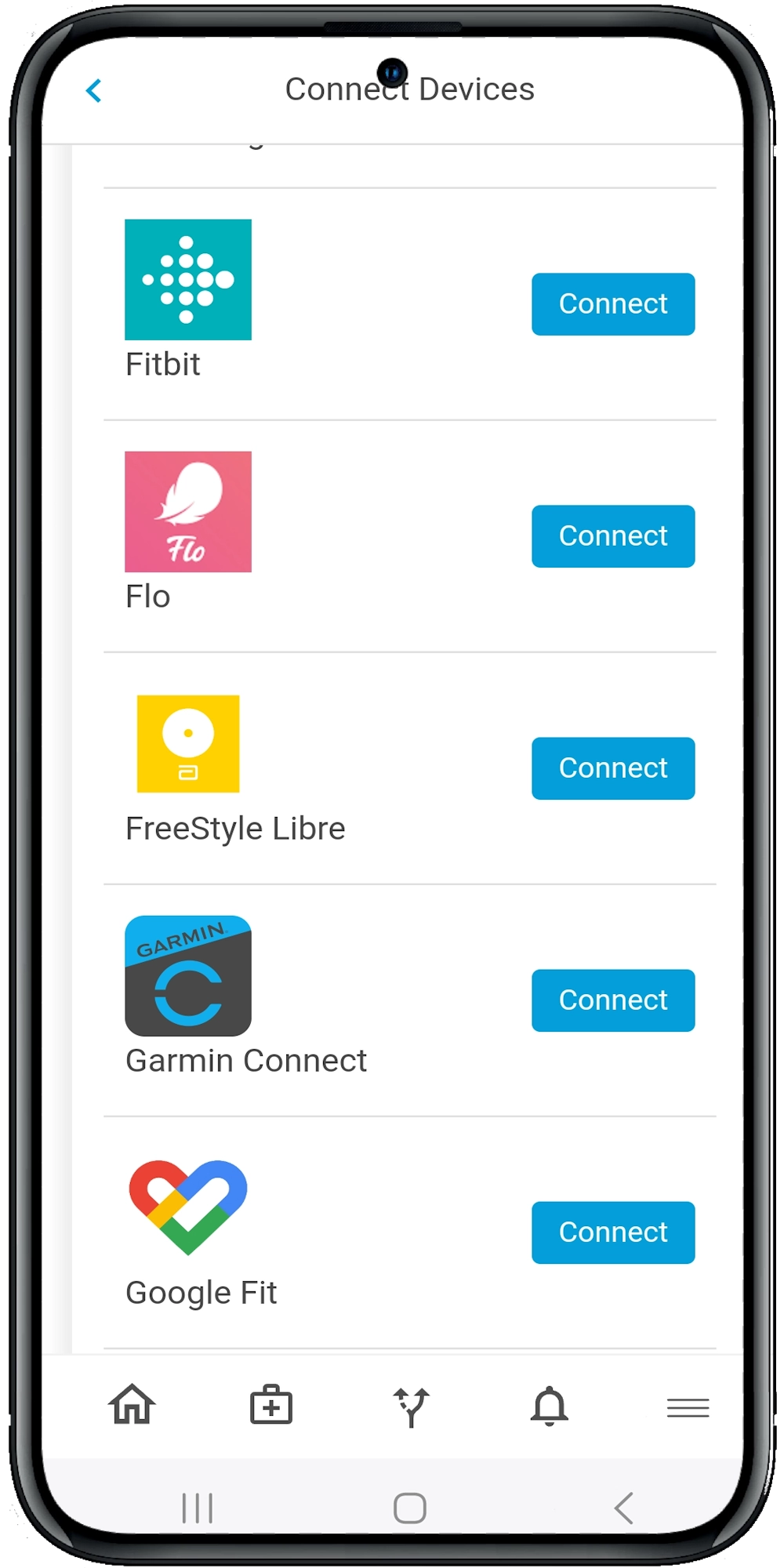
- Medication and vitals tracking, synced with wearables and devices
- Health journaling and automated check-ins to spot trends early
- Motivational nudges to keep patients engaged
- Secure sharing of progress with care teams, family or coaches
Think of it like GPS for healthcare—always recalibrating to keep patients on track, even when life throws them off course.
2. Calcium Core: Giving Providers the Tools to Coordinate Smarter Care
On the provider side, Calcium Core is where care teams manage patients, assign pathways, and track outcomes—all in real time. Features include:
- Centralized patient dashboards with pathway progress and alerts
- Integrated communication tools for messaging across teams
- Population health insights by condition, pathway, or risk score
- Compliance monitoring to see who’s on track or at risk of falling behind
No more chasing down charts or relying on manual notes. Everything is visible, measurable and sharable.
3. AI Studio: Designing the Care of the Future
Need to launch a new pathway for hypertension, post-op recovery or diabetes prevention? Calcium’s AI Studio lets providers and care managers build or customize care plans using AI and clinical templates.
This makes the platform highly scalable—and gives ACOs the ability to respond to emerging needs, new research or updated guidelines in days, not months (Kapur, 2023).
Closing Gaps in Behavioral Health and SUD Care
Behavioral health integration is no longer optional—it’s a key ACO performance driver. But most platforms ignore it, or tack it on as an afterthought.
Calcium’s pathways include built-in support for mental health, CBT, mindfulness and peer recovery. This is especially critical for populations struggling with opioid use disorder, where the JAMA study found only 9% of ACOs use digital CBT tools (Miller-Rosales et al., 2023).
By embedding mental health into everyday care journeys—not isolating it—Calcium helps ACOs meet the full spectrum of patient needs and reduce costly gaps.
The Wrap
The future of value-based care hinges on how effectively ACOs embrace digital transformation—not just in theory, but in practice.
As we’ve seen, the right ACO digital health platform isn’t just a tool; it’s a strategic advantage that unifies care teams, engages patients, and delivers actionable insights when they matter most. Calcium is built for this moment.
With customizable pathways, real-time analytics, and seamless integration across care settings, Calcium empowers ACOs to move faster, work smarter, and improve outcomes at scale. Whether you’re looking to enhance chronic care, expand behavioral health support, or close care gaps with greater precision, we’ve got the platform—and the people—to help you do it.
Reference
- Miller-Rosales, C., Morden, N. E., Brunette, M. F., Busch, S. H., Torous, J. B., & Meara, E. R. (2023). Provision of Digital Health Technologies for Opioid Use Disorder Treatment by US Health Care Organizations. JAMA Network Open, 6(7), e2323741. https://doi.org/10.1001/jamanetworkopen.2023.23741
- Roberts, R. L., Mohan, D. P., Cherry, K. D., Sanky, S., Huffman, T. R., Lukasko, C., Comito, A., Hashemi, D., Menn, Z. K., Fofanova, T. Y., & Andrieni, J. D. (2023). Deployment of a Digital Advance Care Planning Platform at an Accountable Care Organization. The Journal of the American Board of Family Medicine. https://doi.org/10.3122/jabfm.2023.230133R2
- Roberts, L., Mohan, D. P., Cherry, K. D., Andrieni, J., & Fofanova, T. Y. (2024). Insights from Implementation of a Digital Advance Care Planning Solution Among ACO Patients with Serious Illness. Journal of Pain and Symptom Management, 67(5), e689–e690. https://doi.org/10.1016/j.jpainsymman.2024.02.157
- Kapur, R. (2023). Digital Platforms and Transformation of Healthcare Organizations. https://doi.org/10.4324/9781003366584