Türkiye’de bahis severler için en çok tercih edilen bettilt giriş adreslerden biri olmaya devam ediyor.
Curacao lisanslı platformlar arasında güvenilirlik açısından üst sıralarda bahsegel giriş yer alan, uluslararası denetimlerden başarıyla geçmiştir.
Kazançlı bahis deneyimi arayan herkes için bettilt doğru seçimdir.
Rulet masalarında en çok tercih edilen bahis türleri arasında kırmızı/siyah ve tek/çift seçenekleri yer alır; pinco giriş bu türleri destekler.
Basketbol tutkunları için en iyi kupon fırsatları bettilt sayfasında yer alıyor.
Essential Strategies for Future-Ready Care Delivery
Building a high-performing Accountable Care Organization system isn’t just a nice-to-have anymore—it’s essential. As the U.S. healthcare system shifts toward value-based care, ACOs are under growing pressure to do more than simply manage costs. They need to deliver truly coordinated, patient-centered care across increasingly complex networks.
Yet, many ACOs are still weighed down by outdated technology, broken workflows, and disconnected data. Without the right foundation, even the most ambitious ACO can fall short of its potential.
The good news? Modern tech and smarter workflows can unlock the real promise of accountable care: healthier populations, lower costs, and better patient experiences. But where should organizations focus their energy and investments? And how can they avoid the pitfalls that have tripped up so many before? Let’s explore what it really takes to build an ACO system ready for the demands of today—and tomorrow.
The Evolving Role of ACOs in Value-Based Care
The Accountable Care Organization system has come a long way since its introduction in the Affordable Care Act. Back then, it was a bold experiment: could a network of doctors, hospitals and care teams work together to improve patient outcomes while also cutting costs? Today, that model is no longer just a Medicare pilot—it’s a growing standard across both public and private payers.
But here’s the twist: success in an ACO isn’t just about shared savings or checking quality boxes. It’s about creating a real culture of collaboration backed by smart technology and seamless workflows. And that’s where many ACOs still struggle.
If we want ACOs to thrive, they need more than a basic EHR. They need a full digital backbone that connects people, data and decisions across the entire care journey. So, what should that look like?
Truly Interoperable Health Data Systems
Think of your ACO like a symphony. Each provider is a different instrument—but without a shared sheet of music, you get noise instead of harmony. That’s what happens when electronic health records (EHRs) can’t talk to each other.
While 78% of office-based physicians now use EHRs, only 14% routinely share patient data with outside providers. That leaves massive gaps in care coordination, especially for patients with complex conditions or multiple specialists (Furukawa et al., 2014). An effective ACO system needs an integration layer that unifies data across all touchpoints—primary care, specialists, hospitals, behavioral health and even home care.
1. Analytics That Drive Action, Not Just Insight
It’s not enough to collect data—you need tools that do something with it. A modern accountable care organization system must use real-time analytics to:
- Identify rising-risk patients before they land in the ER
- Flag care gaps for chronic diseases like diabetes or heart failure
- Benchmark performance across teams and providers
When ACOs use AI and predictive modeling, they can proactively address issues, instead of reacting after the fact. That shift alone can transform cost curves and outcomes.
2. Engagement Tools That Patients Actually Use
Let’s be honest: most patient portals are glorified inboxes. They weren’t built to engage real people in managing their health day-to-day. For an ACO to succeed, patients need to be active players, not passive recipients.
That means mobile-first platforms that:
- Send daily health reminders (meds, diet, activity)
- Provide education in plain language
- Offer secure chat with care teams
- Track symptoms and progress over time
Research shows that when patients are more engaged, especially via tools like portals or health apps, test follow-up and condition management improve significantly (Alotaibi et al., 2019).
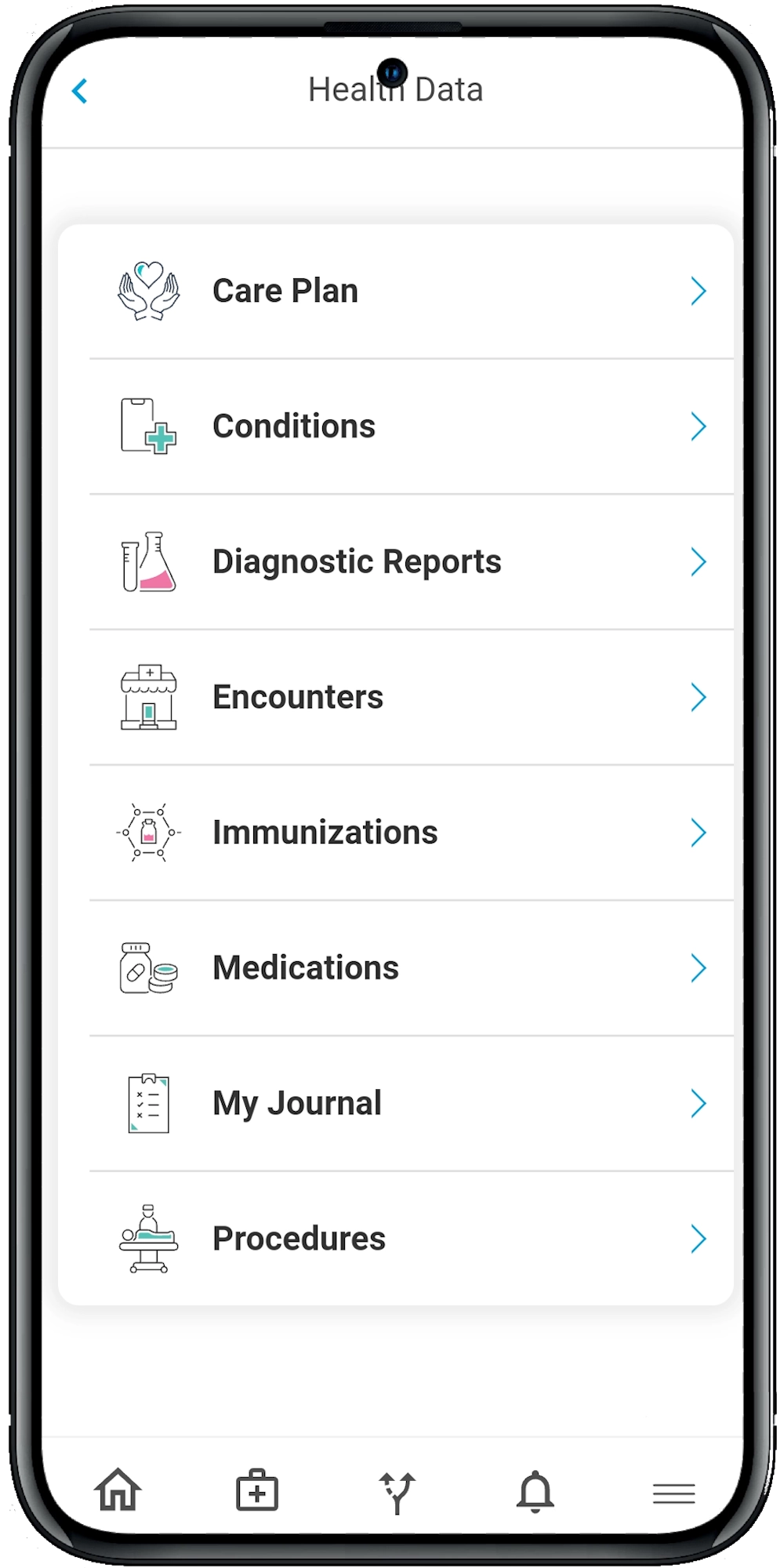
Platforms like the Calcium Super App go beyond reminders. They provide full digital care pathways for recovery, chronic condition support, and even preventive health. That’s a game-changer for population health goals.
3. Team-Based Care That Crosses Silos
ACOs work best when care is a team sport. That means getting everyone on the same page—PCPs, specialists, behavioral health, even social workers. Shared care plans and secure messaging tools can help.
But the workflow needs to support it. Assigning clear roles, automating routine tasks, and embedding alerts into daily routines all help teams move in sync. Without that? You get duplication, delays, and a whole lot of frustration.
4. Digital Pathways That Guide Patients and Save Time
One of the smartest moves an ACO can make? Implement structured digital care pathways.
Instead of relying on pamphlets or verbal instructions, digital pathways walk patients through recovery, treatment or health goals—step-by-step, day-by-day. They automate things like:
- Medication reminders
- Symptom check-ins
- Educational videos
- Follow-up scheduling
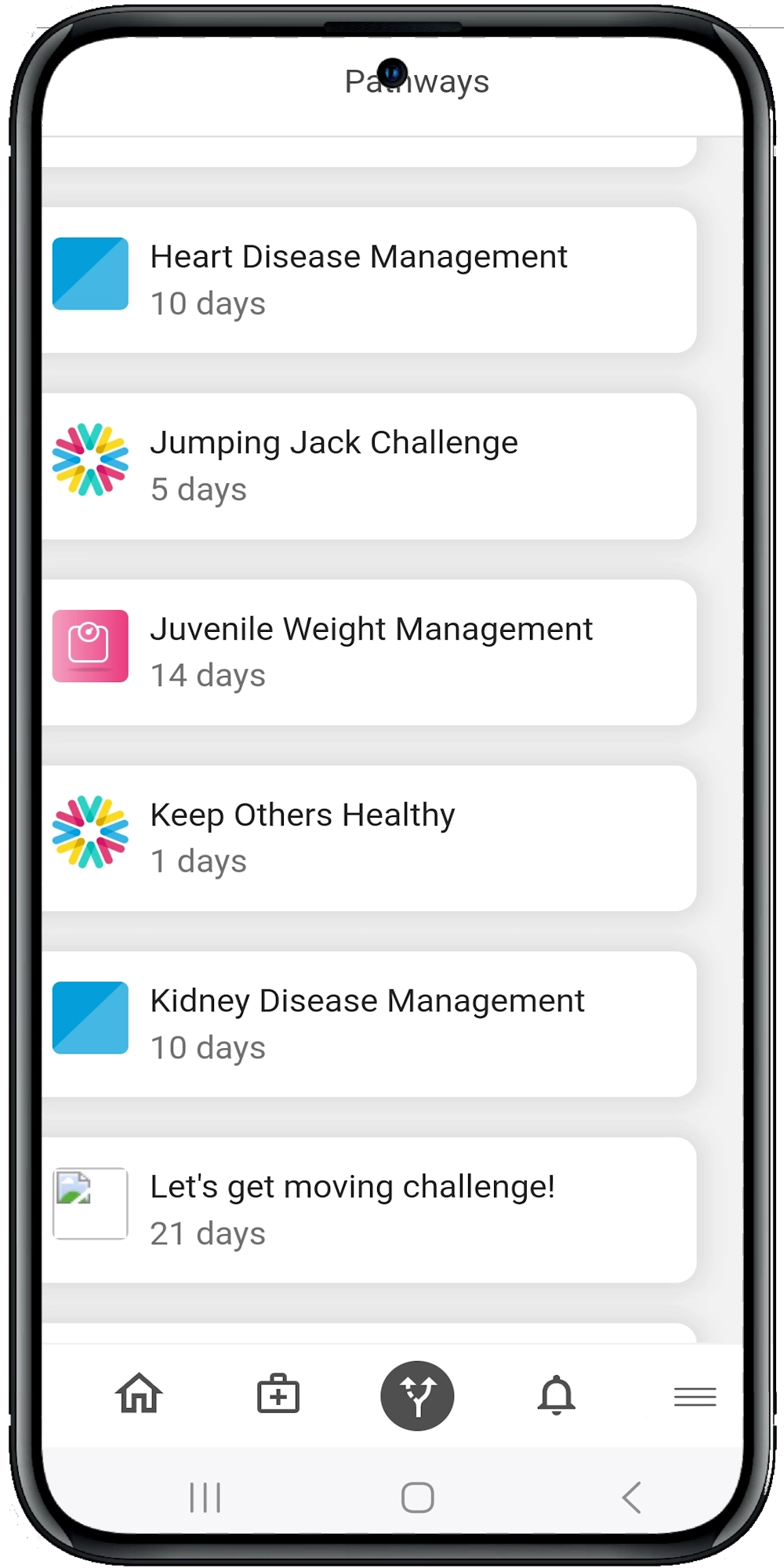
The Calcium digital health platform lets providers assign these pathways through its “Core” dashboard, while patients follow along in the app. It’s like having a digital health coach in your pocket—one that’s always on and always personalized.
5. Tighter Follow-Up Loops for Test Results
Missed test results aren’t just a liability—they’re a patient safety crisis. One major review found that even with EHRs, 37% of primary care doctors reported missed follow-ups for important results (Alotaibi et al., 2019).
To fix this, ACOs should:
- Use systems that track result acknowledgment in real time
- Escalate unviewed results automatically
- Notify both patients and providers when action is needed
That’s more than workflow—it’s peace of mind.
The Behavioral Health Blind Spot—and How to Fix It
Here’s something many ACOs miss: mental health is physical health. And behavioral conditions like depression, anxiety and substance use often drive up costs and worsen outcomes for patients with chronic diseases (Barnes et al., 2014).
Yet in most ACOs, behavioral health lives in a separate world. That has to change.
A modern accountable care organization system should:
- Include behavioral health providers in shared care plans
- Use digital tools to screen for issues like depression or anxiety
- Offer virtual therapy or coaching via integrated platforms
Apps like Calcium include dedicated behavioral health pathways that guide users through stress management, ADHD support, and more. When mental health is integrated into the broader care journey, everyone wins.
Why Tech and Workflow Investments Matter
So, why should ACOs double down on digital infrastructure and workflow redesign? Because the payoff is real.
In a study of teaching hospitals, investing in health information quality led to better clinical quality, greater operational efficiency, and even higher financial performance (Alolayyan et al., 2020). These aren’t just abstract benefits—they’re critical for meeting ACO benchmarks and sustaining shared savings over time.
Let’s also not forget compliance. With digital systems that track consent, documentation and follow-ups, ACOs reduce risk and support HIPAA while also improving patient trust.
Most importantly, these tools are scalable. You don’t need to hire more staff to expand care. You just need the right digital playbook.
The Wrap
Building a modern Accountable Care Organization system isn’t about chasing every new technology—it’s about making smart, strategic choices that put patients, providers, and data all on the same team. By investing in the right digital tools and redesigning workflows for real-world success, ACOs can move beyond surviving in a value-based world to actually thriving.
If you’re ready to take your ACO system to the next level, the Calcium digital health platform offers everything you need to power smarter care coordination, real-time patient engagement, and actionable insights. From customizable digital pathways to powerful population health analytics, Calcium is designed to meet the complex demands of today’s healthcare environment.
Reference
Alotaibi, B. N., Alshamri, A. S., Alanazi, M. A., & Alharbi, M. S. S. (2019). Assessing the impact of health information technology on community health administration. International Journal of Health Sciences, 3(S1), 408–422. https://doi.org/10.53730/ijhs.v3ns1.15277
Alolayyan, M. N., Alyahya, M. S., Alalawin, A. H., Shoukat, A., & Nusairat, F. T. (2020). Health Information Technology and Hospital Performance the Role of Health Information Quality in Teaching Hospitals. Heliyon, 6(10), e05040. https://doi.org/10.1016/j.heliyon.2020.e05040
Furukawa, M. F., King, J., Patel, V., Hsiao, C.-J., Adler-Milstein, J., & Jha, A. K. (2014). Despite Substantial Progress In EHR Adoption, Health Information Exchange And Patient Engagement Remain Low In Office Settings. Health Affairs, 33(9), 1672–1679. https://doi.org/10.1377/hlthaff.2014.0445
Barnes, A. J., Unruh, L., Chukmaitov, A., & van Ginneken, E. (2014). Accountable care organizations in the USA: Types, developments and challenges. Health Policy, 118(1), 1–7. https://doi.org/10.1016/j.healthpol.2014.07.019