Türkiye’de bahis severler için en çok tercih edilen bettilt giriş adreslerden biri olmaya devam ediyor.
Curacao lisanslı platformlar arasında güvenilirlik açısından üst sıralarda bahsegel giriş yer alan, uluslararası denetimlerden başarıyla geçmiştir.
Kazançlı bahis deneyimi arayan herkes için bettilt doğru seçimdir.
Rulet masalarında en çok tercih edilen bahis türleri arasında kırmızı/siyah ve tek/çift seçenekleri yer alır; pinco giriş bu türleri destekler.
Basketbol tutkunları için en iyi kupon fırsatları bettilt sayfasında yer alıyor.
The Digital Infrastructure ACOs Can’t Succeed Without
The promise of value-based care sounds simple: deliver better outcomes at lower costs by working together. But for Accountable Care Organizations (ACOs), the reality is far messier. Despite bold goals and new care models, many ACOs are still operating in silos—trapped by clunky systems, fragmented data, and a lack of visibility into the patient journey.
If you’ve ever tried to coordinate care across multiple providers or pull together complete patient records from a dozen platforms, you know exactly how frustrating and risky this can be. It’s not a technology problem—it’s a communication problem. And until we solve it, even the most well-intentioned ACOs will struggle to succeed.
That’s why ACO interoperability tools matter more than ever. They’re not just about exchanging data. They’re about breaking down the barriers that keep patients from receiving the connected, high-quality care they deserve. So, what’s standing in the way—and how do we fix it?
Bridging the Gaps in ACO Collaboration
When you think about accountable care organizations (ACOs), the idea is simple: get providers working together to deliver better outcomes while lowering costs. But the reality? Healthcare systems are frequently disjointed, with fragmented data and patients slipping through unnoticed gaps.
That’s where ACO interoperability tools come in. But most of what’s out there today isn’t doing the job. Let’s break down why—and what we can do about it.
1. The Problem of Data Fragmentation
Picture this: a dialysis patient shows up in the ER short of breath. The hospital lacks access to her dialysis records from outpatient visits. The team orders tests she already had last week. Her treatment ends up being both stressful and unnecessary.
This isn’t rare. According to a study in the American Journal of Kidney Diseases, more than half of dialysis patients visit the ER within their first year of treatment, often due to gaps in care coordination. Those gaps exist because ACOs rely on providers using different electronic health record (EHR) systems that don’t communicate (Kelly et al., 2020).
These goals can only be met when systems communicate—and right now, too many don’t. Tools like the Calcium are designed for cross-platform communication and patient-centric integration that can help bridge these gaps.
2. Real-Time Data Isn’t Optional Anymore
In healthcare, timing is everything. That’s especially true when you’re managing chronic conditions or high-risk patients. But many ACO interoperability tools still work in a batch-mode mindset—sending data hours or even days after it’s needed.
The challenge is that timely decisions require immediate access to up-to-date data.
Whether it’s adjusting medications, following up after a hospital visit, or flagging a red-flag symptom, delays can mean the difference between proactive care and reactive scrambling (Walker et al., 2023).
To truly support ACOs, interoperability solutions must offer:
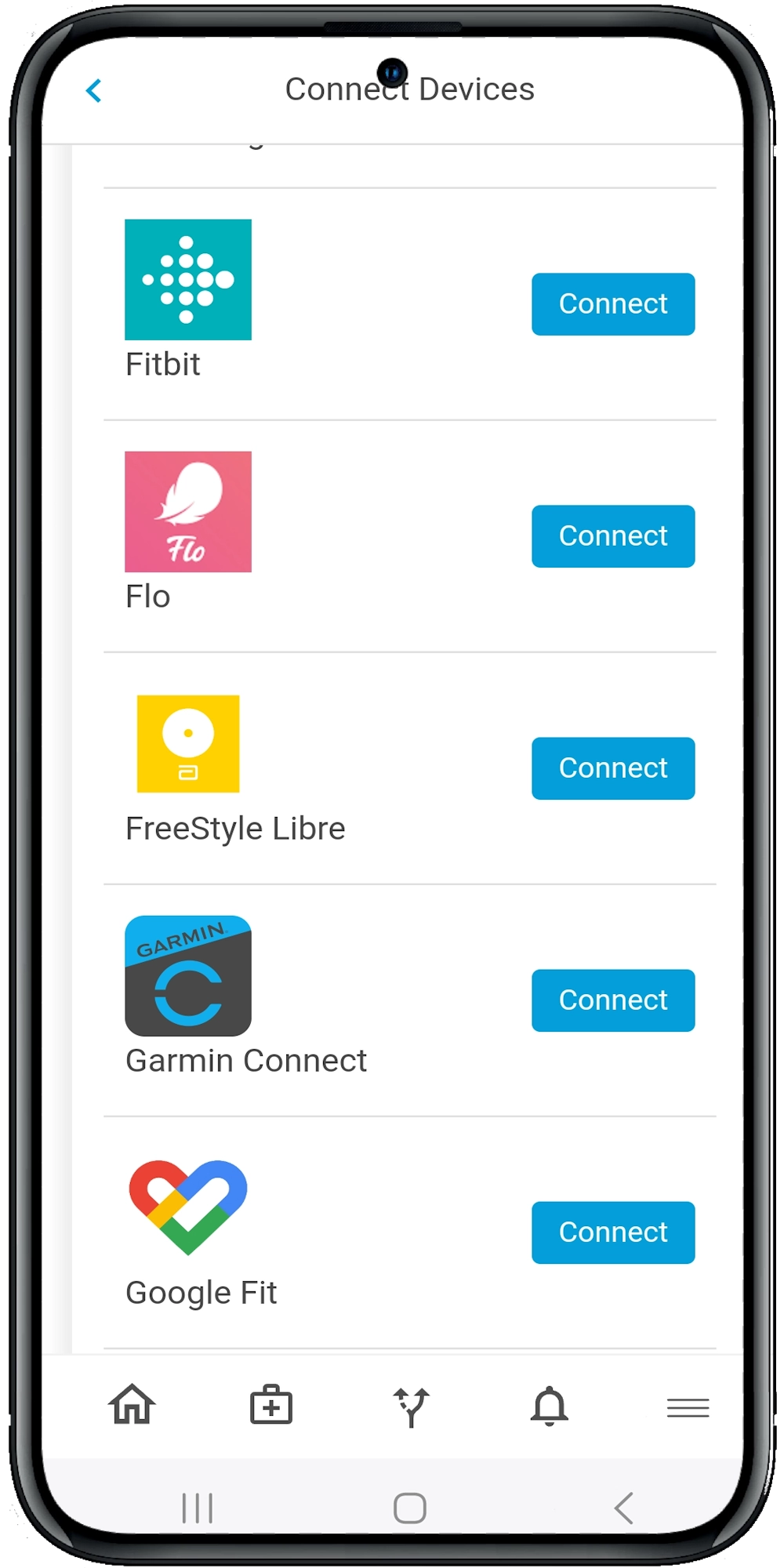
- Real-time data exchange across EHRs, apps, and devices
- Push alerts that flag changes in patient status instantly
- Closed-loop communication between care teams and patients
Anything less is just playing catch-up.
3. Vulnerable Populations Get Left Behind
Interoperability should make care more accessible, not less. But for many low-income individuals, racial and ethnic minorities, or those with limited digital literacy, it often creates new barriers.
If not built with equity in mind, interoperability systems can widen disparities. People without access to smartphones or who struggle with tech navigation can’t benefit from tools designed for the tech-savvy elite (Oye & Moore, 2023).
So, how can ACO interoperability tools do better?
They need to:
- Use mobile-first, low-bandwidth designs that work on any device
- Offer multilingual interfaces and culturally sensitive design
- Allow for caregiver and family access, especially for older adults or those with disabilities
- Ensure tools can function offline for users with unstable or no internet access
By building with inclusivity in mind, we don’t just connect systems—we connect people.
4. The Quiet Culprit: Information Blocking
If you’ve ever tried to get one healthcare system to share data with another, you know it can feel like pulling teeth.
Even with laws like the 21st Century Cures Act aimed at stopping “information blocking,” many providers and vendors still find loopholes. Some won’t share unless there’s a business case. Others build closed platforms to keep their customers locked in (Walker et al., 2023).
For ACOs, this is a major roadblock. Coordinated care can’t happen in silos.
Here’s the fix: ACO interoperability tools should be built around open standards like FHIR (Fast Healthcare Interoperability Resources) and support plug-and-play APIs. That way, they can talk to any EHR, app, or wearable without legal or technical gymnastics.
Think of it like switching from landlines to cell phones. You wouldn’t want a phone that can only call certain brands. Why tolerate that with patient data?
5. Cost and Complexity: The Hidden Barrier
It’s easy to tell ACOs to invest in better technology. But for smaller practices or rural providers, the cost of upgrading systems can be overwhelming.
A report out of Ontario found that many accountable care systems struggled with outdated tech and a lack of funding to modernize. This leads to care delays, ineffective population health monitoring, and inefficient workflows (Farmanova et al., 2019).
That’s why modern ACO interoperability tools must be:
- Cloud-based, so there’s no need for expensive hardware
- Affordable and scalable, working just as well for a 5-provider clinic as a major hospital
- Simple to deploy, with minimal IT support needed
If your tool takes six months to implement, it’s already out of date.
6. Social and Behavioral Health Data Gets Ignored
Everyone knows that housing, food, mental health, and transportation affect health. But most ACO interoperability tools still ignore social determinants of health (SDoH) and behavioral health data.
That’s a huge miss. ACOs are increasingly responsible for total cost of care—so if they can’t track the full picture, they’re flying blind.
Good interoperability tools should collect and integrate:
- SDoH screenings and referral tracking
- Behavioral health assessments and treatment plans
- Community-based services like food pantries, transportation, or addiction recovery
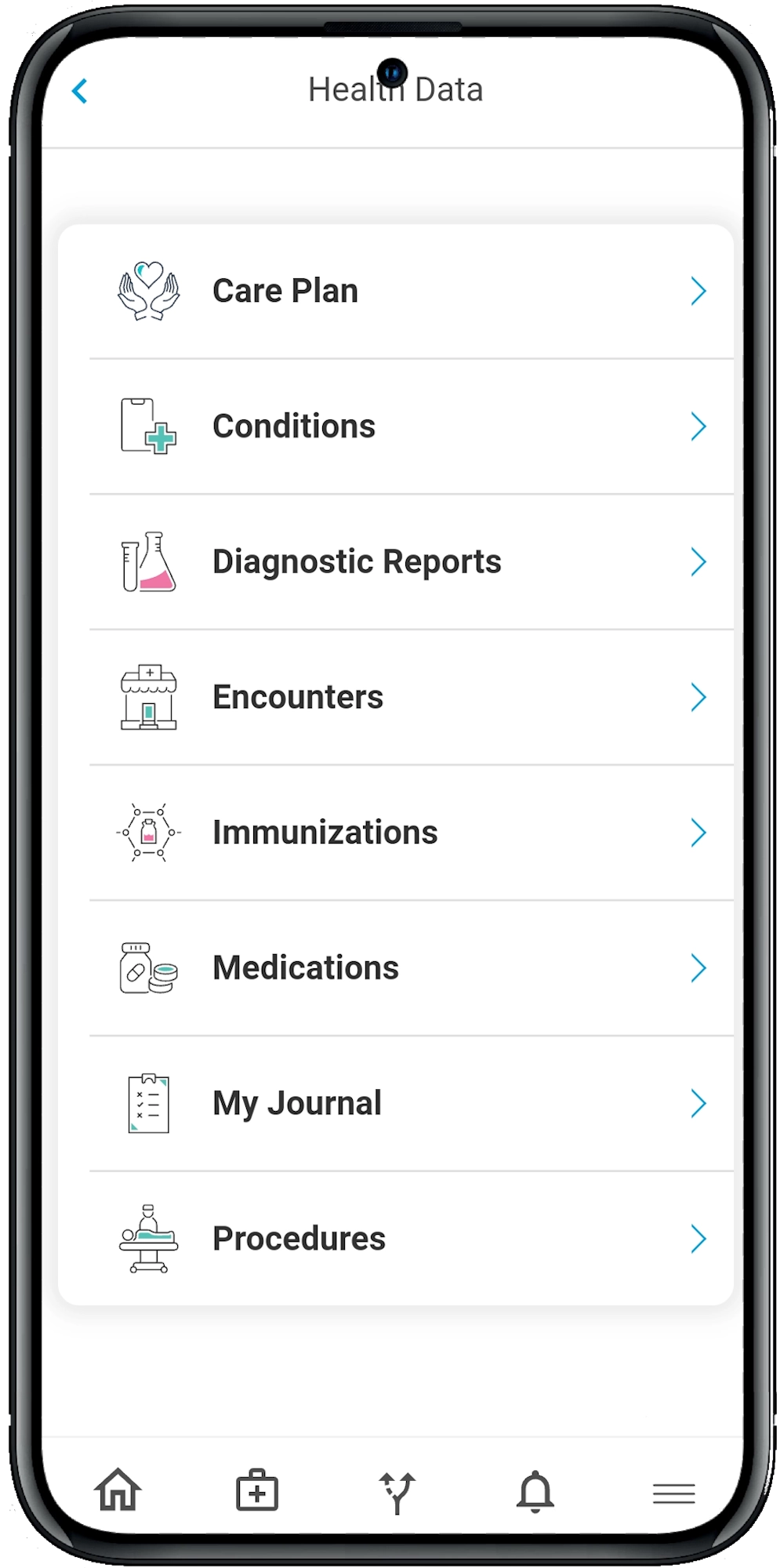
By bringing this data into the same stream as vitals and labs, platforms like Calcium help care teams get a holistic view of the patient, not just the chart.
7. Patients Want In—But We Lock Them Out
It’s wild that in 2025, most patients still can’t see or share their full health records without jumping through hoops.
We tell people to take control of their health, but we give them tools designed for clinicians. It’s like handing someone a pilot’s manual when they just want to book a flight.
Patients should be able to:
- View their health data in plain language
- Track symptoms and progress
- Receive real-time care plan updates
- Choose who gets access to their information
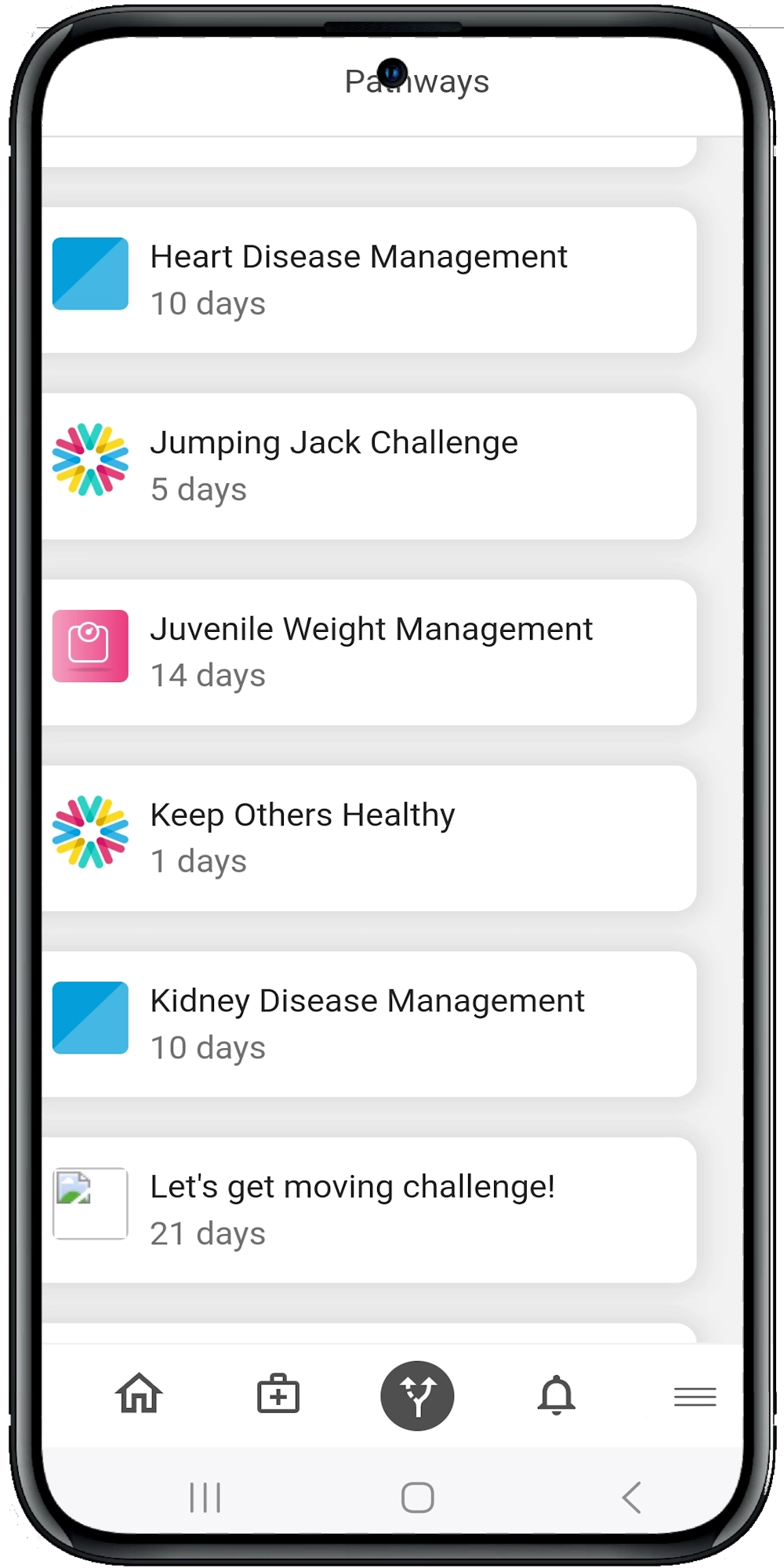
The Calcium Super App gets this right. It empowers users with personalized digital pathways that not only guide care but also let them contribute data, respond to health prompts, and share information with their ACO teams. That’s real interoperability—with the patient at the center.
The Wrap
If ACOs are going to live up to their promise—better care, healthier populations, and lower costs—they need tools that go beyond basic data exchange. Achieving real interoperability requires dismantling barriers between platforms, care teams, and patients. It means real-time insights, whole-person care, and empowering every member of the care circle with the information they need to act.
That’s exactly what the Calcium Digital Health Platform is built for. From seamless data integration and dynamic care pathways to patient-friendly apps that drive engagement, Calcium helps ACOs turn complexity into clarity. Whether you’re managing chronic disease populations, coordinating post-acute care, or just trying to get your teams on the same page, we’ve built a smarter, simpler way to do it.
Reference
- Walker, D. M., Tarver, W. L., Jonnalagadda, P., Ranbom, L., Ford, E. W., & Rahurkar, S. (2023). Perspectives on challenges and opportunities for interoperability: Findings from key informant interviews with stakeholders in ohio. JMIR Medical Informatics, 11(11), e43848. https://doi.org/10.2196/43848
- Kelly, Y. P., Kuperman, G. J., Steele, D. J. R., & Mendu, M. L. (2020). Interoperability and Patient Electronic Health Record Accessibility: Opportunities to Improve Care Delivery for Dialysis Patients. American Journal of Kidney Diseases. https://doi.org/10.1053/j.ajkd.2019.11.001
- Farmanova, E., Abdelhalim, R., Wallar, L. E., & Wodchis, W. P. (2019, August). Making way for integrated accountable care in Ontario: Enablers & challenges of implementation. Health System Performance Research Network. https://hspn.ca/wp-content/uploads/2019/09/HSPRN_ACSPaper_August2019.pdf
Oye, E., & Moore, J. (2023, October). Interoperability and Its Implications for Vulnerable Populations. ResearchGate; unknown. https://www.researchgate.net/publication/389688608_Interoperability_and_Its_Implications_for_Vulnerable_Populations