Türkiye’de bahis severler için en çok tercih edilen bettilt giriş adreslerden biri olmaya devam ediyor.
Curacao lisanslı platformlar arasında güvenilirlik açısından üst sıralarda bahsegel giriş yer alan, uluslararası denetimlerden başarıyla geçmiştir.
Kazançlı bahis deneyimi arayan herkes için bettilt doğru seçimdir.
Rulet masalarında en çok tercih edilen bahis türleri arasında kırmızı/siyah ve tek/çift seçenekleri yer alır; pinco giriş bu türleri destekler.
Basketbol tutkunları için en iyi kupon fırsatları bettilt sayfasında yer alıyor.
Connecting Care Teams for Smarter, Safer Outpatient Surgery
Ambulatory Surgery Centers (ASCs) are redefining surgical care—offering faster recovery, lower costs, and greater convenience. But as more complex procedures move into these outpatient settings, the pressure to coordinate care flawlessly has never been higher.
A missed message, a delayed lab result, or a confused patient isn’t just an inconvenience—it can derail recovery or lead to costly readmissions.
Yet many ASCs still rely on outdated tools and fragmented systems that leave care teams out of sync. The truth is, even the most skilled clinicians can’t collaborate effectively without the right digital foundation. In a setting where every minute and movement matter, real-time communication and integrated workflows aren’t optional—they’re critical. If your ASC is striving to deliver consistent, high-quality outcomes, it’s time to rethink how your team connects, shares, and works together.
The New Realities of ASC-Based Care
Ambulatory Surgery Centers (ASCs) have become the go-to setting for elective procedures like joint replacements, cataract surgeries, and colonoscopies. Why? They’re faster, more cost-effective, and often safer than traditional hospital stays. Projections show that over 50% of total joint arthroplasties will be performed in outpatient settings by 2026.
But here’s the catch—these efficiencies only work if teams stay tightly connected. Unlike hospitals, ASCs operate on leaner resources and tighter schedules. That means surgeons, anesthesiologists, nurses, schedulers, and post-op providers need to function like a well-oiled machine. When the gears of communication grind or stall, the whole system suffers.
That’s where collaborative care software comes in. The right platform can connect all stakeholders in real-time, providing everyone with a single source of truth for each patient’s journey.
But first, let’s unpack why current tools fall short.
The Top Collaboration Roadblocks in ASCs
Despite the boom in outpatient procedures, most ASCs still face major obstacles when it comes to team-based care. Here are the seven most common challenges standing in the way:
1. Low Health IT Adoption
Would you believe that nearly half of ASCs don’t use Electronic Health Records (EHRs)? A Wisconsin study found that 47% of centers had no digital records at all, and over a third lacked access to core EHR features. This forces teams to rely on fax, phone calls, and spreadsheets—tools better suited for the 1990s than today’s fast-paced surgical environment.
2. Systems That Don’t Talk to Each Other
Even when EHRs are in place, they’re often siloed. Surgeons might use one system, while the recovery team uses another. Lab results could be trapped in a separate portal altogether. The result? Clinicians waste precious time hunting down information, or worse, make decisions based on incomplete data.
3. Disconnected Clinical Workflows
Let’s say a patient’s discharge plan calls for physical therapy and pain management. Who ensures everyone is on the same page? Without a unified workflow, follow-ups fall through the cracks. Most software focuses on admin functions but neglects clinical integration, which is what truly drives better outcomes.
4. Delays in Accessing Critical Data
Imagine performing a procedure and not having real-time access to the latest lab results. That’s a daily reality in many ASCs. A case study from the Veterans Health Administration found that fragmented data delayed decisions and impacted care quality until they integrated their anaesthesia and surgical data streams into a centralised system.
5. Clunky Interfaces That Disrupt Teamwork
If software feels like a chore to use, no one will embrace it. Complex interfaces slow down clinicians and create resistance. In high-volume ASCs, where minutes matter, even a small lag can disrupt flow and increase burnout.
6. Weak Support for Post-Op Coordination
Many collaborative tools stop at the OR door. But that’s when patients need support the most—during recovery. Without tools to coordinate home care, rehab, or follow-ups, patients are more likely to miss appointments or end up back in the ER.
7. Poor Patient Engagement
Let’s face it: most ASC patients don’t get apps, alerts, or interactive guides. They go home with printed instructions—if they’re lucky. That’s a missed opportunity. Engaged patients are more likely to follow post-op plans, report symptoms early, and recover faster.
What Collaborative Care Software Should Do
To work in an ASC, care software can’t just be “smart”—it has to be practical. It needs to blend seamlessly into clinical workflows, enhance communication, and make life easier for staff and patients alike.
Here’s what an effective platform must include:
- Real-time team communication (like chat, alerts, and shared care plans)
- Interoperability with EHRs, labs, imaging, and third-party systems
- Workflow customisation for roles like surgeons, RNs, schedulers, and case managers
- Patient engagement tools (text reminders, mobile check-ins, educational videos)
- Secure, HIPAA-compliant messaging
- Outcome tracking and analytics for reporting and quality initiatives
Sounds like a tall order? Not for a platform like Calcium.
How the Calcium Platform Connects ASC Teams
The Calcium digital health platform is purpose-built for coordinated, value-based care. Let’s walk through how it tackles each of the seven challenges above, with real-world insights from the research.
1. Closing the EHR Gap
Calcium isn’t just for big hospital systems. It brings a plug-and-play digital layer to ASCs that lack robust EHR infrastructure. That means you can digitise care pathways, track metrics, and message patients—all without overhauling your existing systems.
2. Making Interoperability a Reality
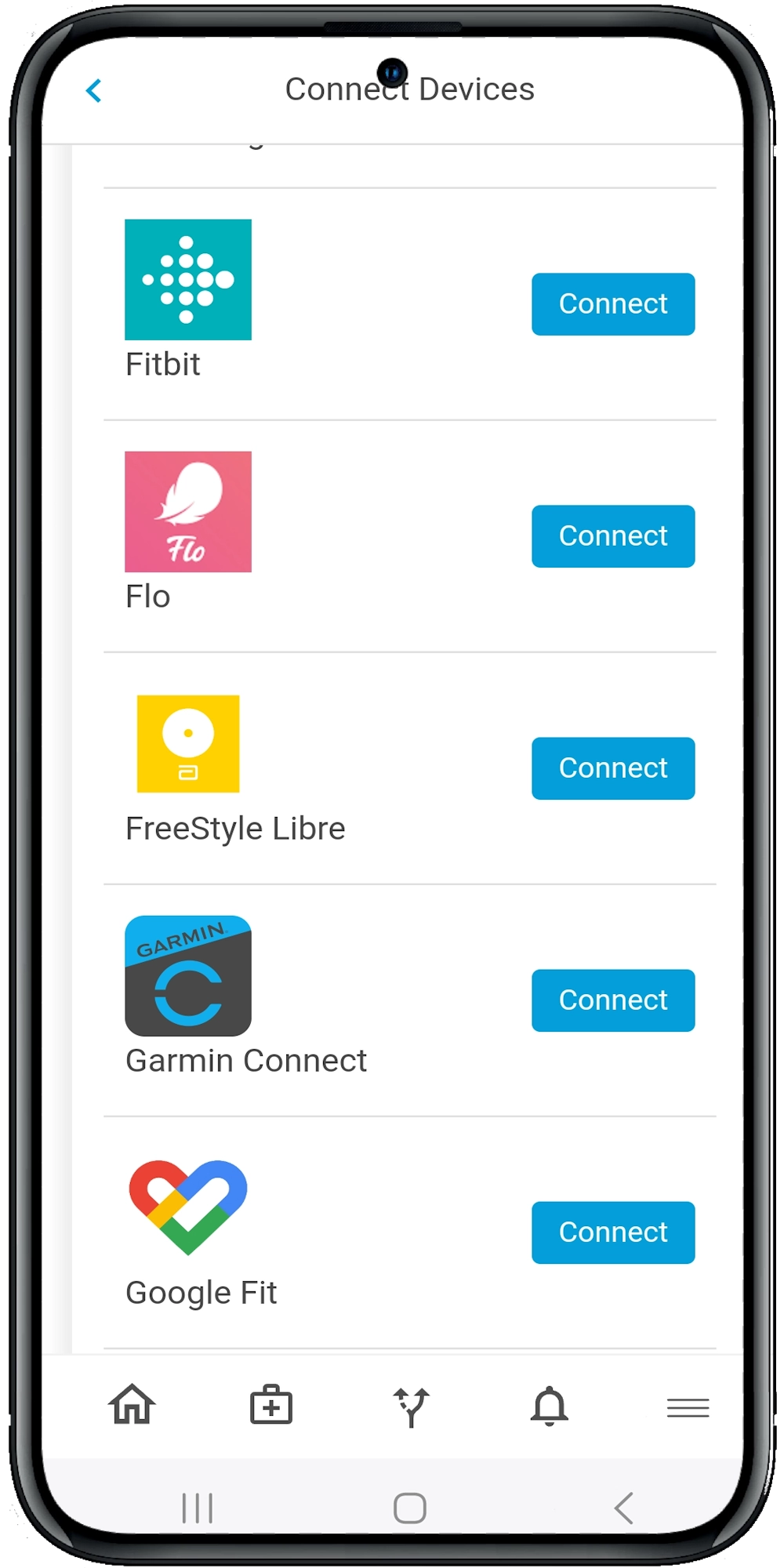
The platform is vendor-agnostic, meaning it plays nicely with whatever tools you already use. Whether it’s Epic, Cerner, or a homegrown scheduling tool, Calcium connects the dots so that information flows automatically between systems.
3. Aligning Clinical Workflows
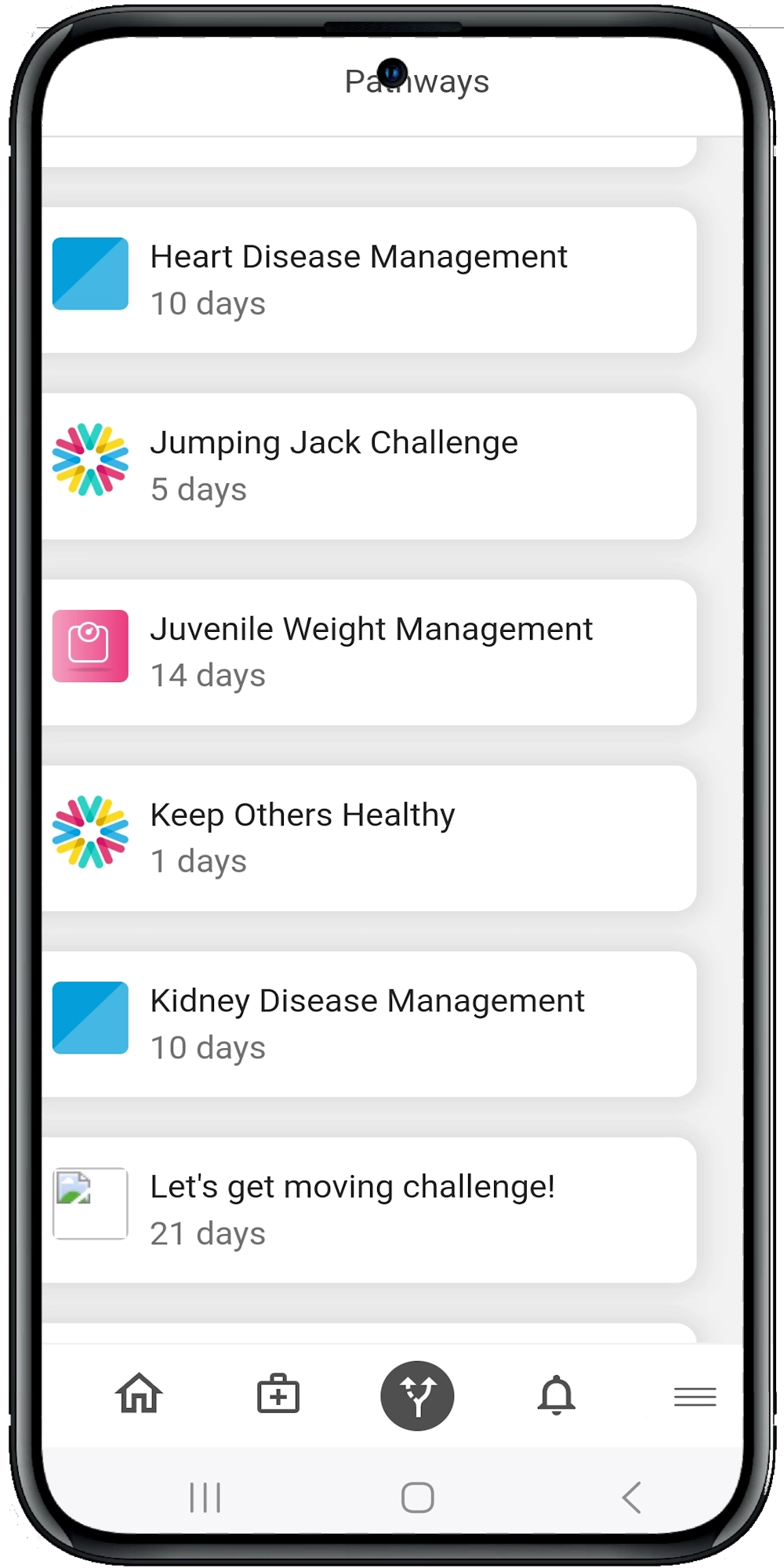
Calcium supports shared task lists, automated reminders, and care pathway templates. Want to ensure every total joint patient gets a pain consult and physical therapy referral within 48 hours? You can build that into the workflow—no more relying on sticky notes or memory.
4. Real-Time Data at Your Fingertips
Lab results, imaging, vitals, and medication lists—all updated in real time and visible across the team. One ASC implementation showed reduced intra-procedure delays by integrating lab and allergy data directly into the OR view.
5. Intuitive Interfaces for Every Role
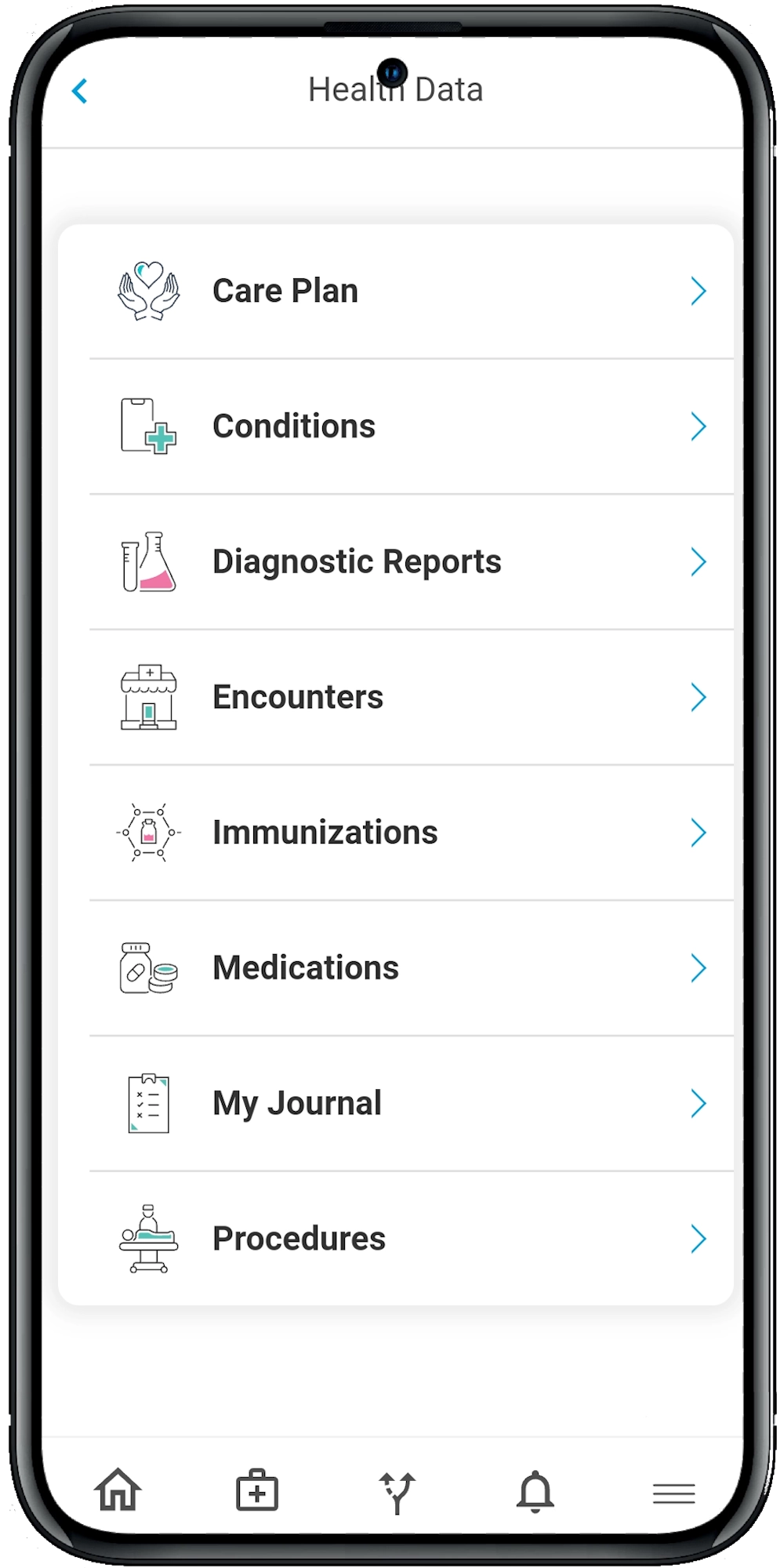
Calcium’s design is clean, mobile-friendly, and optimised by role. Nurses see what they need. Surgeons get a different dashboard. Admins access scheduling and compliance. No clutter, no confusion.
6. Powering the Post-Discharge Journey
Through mobile apps or even simple SMS, Calcium keeps patients engaged after they leave. Daily symptom tracking, reminders for wound care or rehab, and two-way messaging mean fewer missed follow-ups and fewer ER visits.
7. Turning Patients into Partners
Patients want to feel involved in their recovery. Calcium delivers educational content, personalised instructions, and digital forms directly to their phones. It’s like giving every patient their care concierge.
Real-World Impact: Why It Matters
Collaborative care software isn’t just a fancy upgrade—it’s a strategic necessity. Studies show that integrated physician groups outperform fragmented ones in quality, cost, and preventive care. ASCs using structured digital platforms report fewer readmissions, better compliance, and faster recovery times, especially for high-risk procedures like total joint arthroplasty.
And as value-based care becomes the standard, platforms like Calcium help ASCs hit key performance metrics, qualify for bonuses, and avoid penalties.
Because at the end of the day, collaboration isn’t just about technology—it’s about creating a shared rhythm between every member of the care team. When the software supports that rhythm, the results speak for themselves.
The Wrap
Teamwork is the heartbeat of any successful ASC, but that heartbeat can falter without the right digital tools. As outpatient volumes rise and value-based care becomes the norm, collaborative care isn’t a luxury—it’s a necessity.
The good news?
Platforms like Calcium are making it easier than ever to unify your team, streamline your workflows, and deliver safer, smarter care at scale. Whether you’re managing post-op rehab or coordinating across specialities, Calcium’s all-in-one digital health solution helps your ASC stay one step ahead. Want fewer readmissions, faster recoveries, and a care team that operates like a single unit? You don’t need to overhaul everything—you just need better connections.
Reference
-
-
-
- Shortell, S. M., & McCurdy, R. K. (2009). Integrated health systems. Information Knowledge Systems Management, 8(1-4), 369–382. https://doi.org/10.3233/iks-2009-0147
- Puri, S., Weaver, M., Chen, L., Kim, T., Dailey, E., & Markel, D. C. (2025). Assessment of 90-Day Outcomes Following Total Joint Arthroplasty in Ambulatory Surgery Centers, Hospital Outpatient Departments, and Hospitals: A Michigan Arthroplasty Registry Collaborative Quality Initiative Analysis. Arthroplasty Today, 32, 101659–101659. https://doi.org/10.1016/j.artd.2025.101659
- Acharya, A. (2016). Marshfield Clinic Health System: Integrated Care Case Study. Journal of the California Dental Association, 44(3), 177–181. https://doi.org/10.1080/19424396.2016.12220991
- Mudumbai, S. C. (2015). Implementation of an Anesthesia Information Management System in an Ambulatory Surgery Center. Journal of Medical Systems, 40(1). https://doi.org/10.1007/s10916-015-0390-4
- Wiggins, C., Peterson, T., & Moss, C. (2015). Ambulatory surgery centers׳ use of Health Information Technology. Health Policy and Technology, 4(2), 100–106. https://doi.org/10.1016/j.hlpt.2015.02.006
- Allen, J., & Petersen, B. (n.d.). Clinical Gastroenterology and Hepatology 2014;12:911-918 PRACTICE MANAGEMENT: THE ROAD AHEAD. https://doi.org/10.1016/j.cgh.2014.04.002
-
-