Türkiye’de bahis severler için en çok tercih edilen bettilt giriş adreslerden biri olmaya devam ediyor.
Curacao lisanslı platformlar arasında güvenilirlik açısından üst sıralarda bahsegel giriş yer alan, uluslararası denetimlerden başarıyla geçmiştir.
Kazançlı bahis deneyimi arayan herkes için bettilt doğru seçimdir.
Rulet masalarında en çok tercih edilen bahis türleri arasında kırmızı/siyah ve tek/çift seçenekleri yer alır; pinco giriş bu türleri destekler.
Basketbol tutkunları için en iyi kupon fırsatları bettilt sayfasında yer alıyor.
How Mobile Tools Are Turning Everyday Users into Active Partners in Their Own Care
Let’s face it—getting patients truly involved in their healthcare is one of the biggest challenges facing providers today. Even with top-tier doctors, breakthrough treatments and cutting-edge facilities, outcomes suffer when patients aren’t active participants in their own care.
That’s a real problem in today’s value-based care environment, where success is measured not by how many procedures are performed, but by how healthy people actually become.
So how do we close that gap? How do we move beyond the outdated, one-size-fits-all approach and give patients tools they’ll actually use? The answer may be sitting in their pockets right now. As smartphones become our go-to for everything from banking to shopping, they’re also transforming how we engage with our health.
The Role of Patient Engagement in Value-Based Care
In value-based care (VBC), patient engagement is the engine that drives better outcomes. Providers are no longer paid solely for the number of services delivered. Instead, they’re rewarded based on how well they improve their patients’ health. That’s a big shift.
But here’s the problem: many patients still feel disconnected from their care. They forget to take medications, skip follow-ups or simply don’t understand their treatment plans. When that happens, quality metrics slip, costs rise and nobody wins.
So, why are patients disengaged? Let’s take a look:
- Information overload. Patients receive stacks of paperwork, instructions and jargon-heavy advice
- Time constraints. Most people are juggling jobs, families and responsibilities—health often gets pushed to the back burner
- Low health literacy. If patients don’t understand their conditions, how can they be expected to manage them?
- Fragmented communication. Inconsistent or hard-to-access updates from different providers confuse patients
That’s where smart health apps come in.
Smart Health Apps: A Modern Solution for an Old Problem
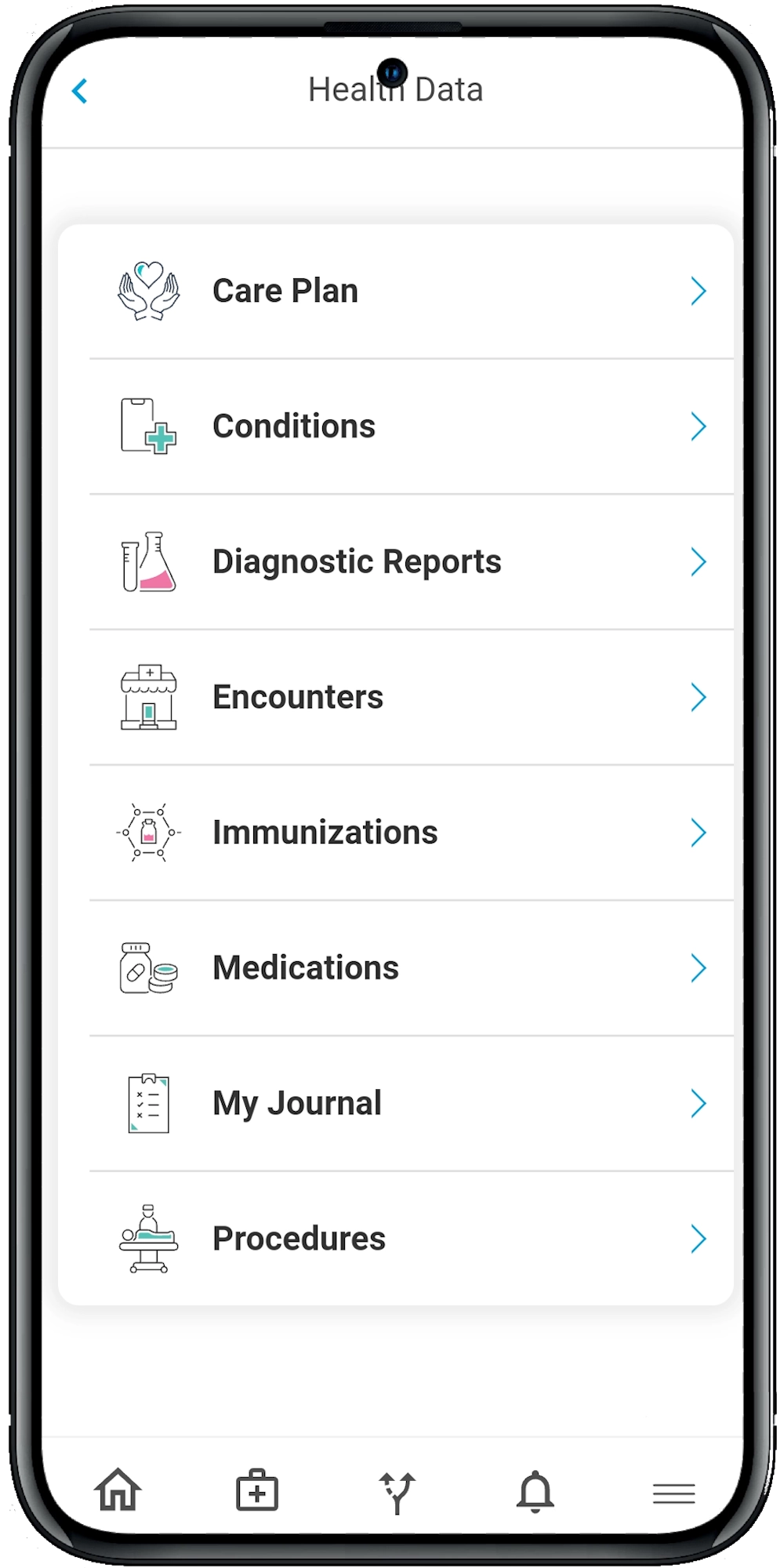
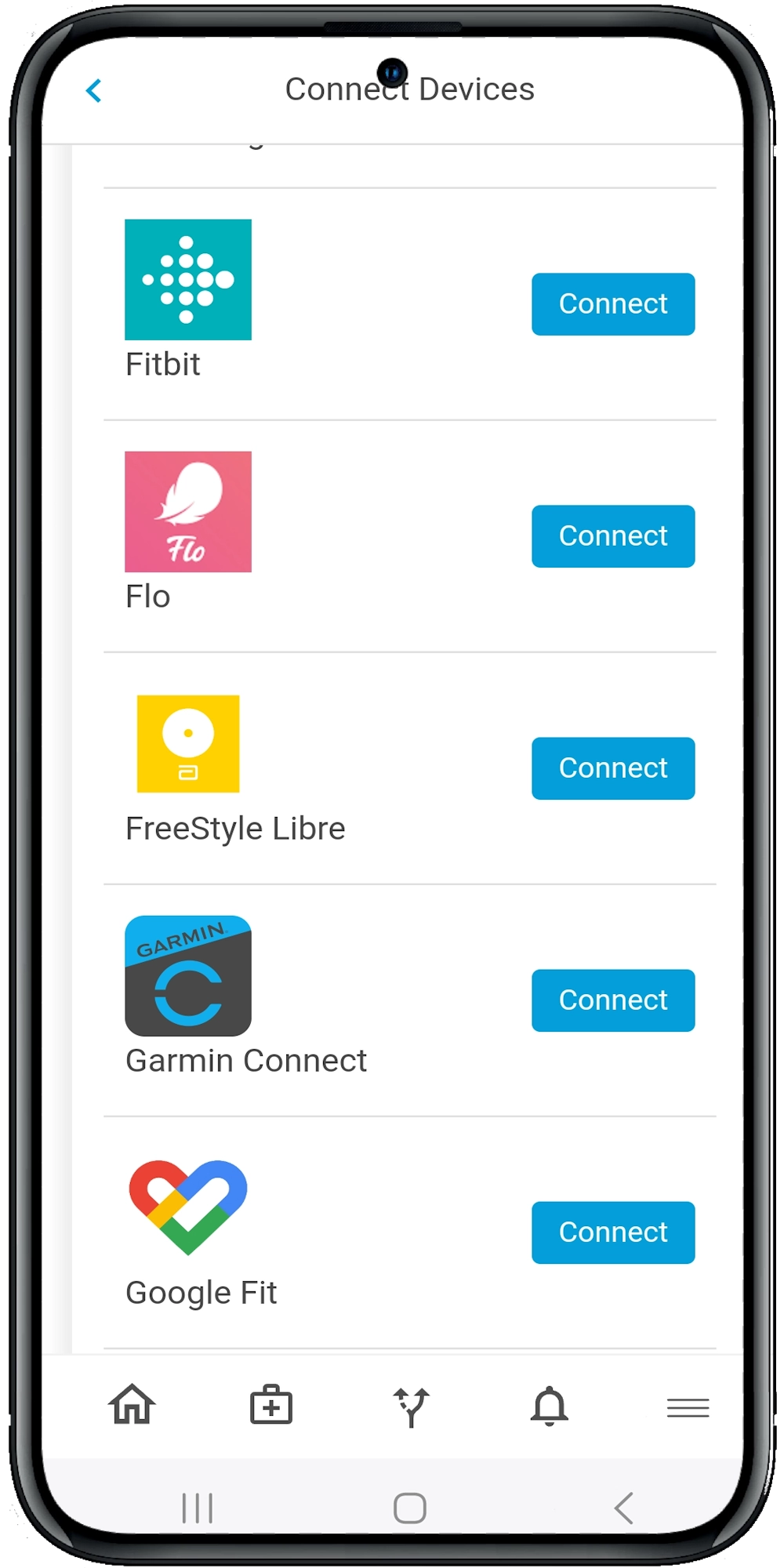
Think of smart apps as personal health copilots—always on, always accessible and tailored to each person’s unique needs. These aren’t your average step counters or calorie trackers. Today’s best-in-class digital health apps, like the Calcium Super App, are all-in-one platforms that pull together data from wearables, EHRs and even medical devices to help users stay on track with their care.
What makes an app “smart”? Here are a few key features to look for:
- Medication reminders and adherence tracking
- Symptom logging and vitals monitoring
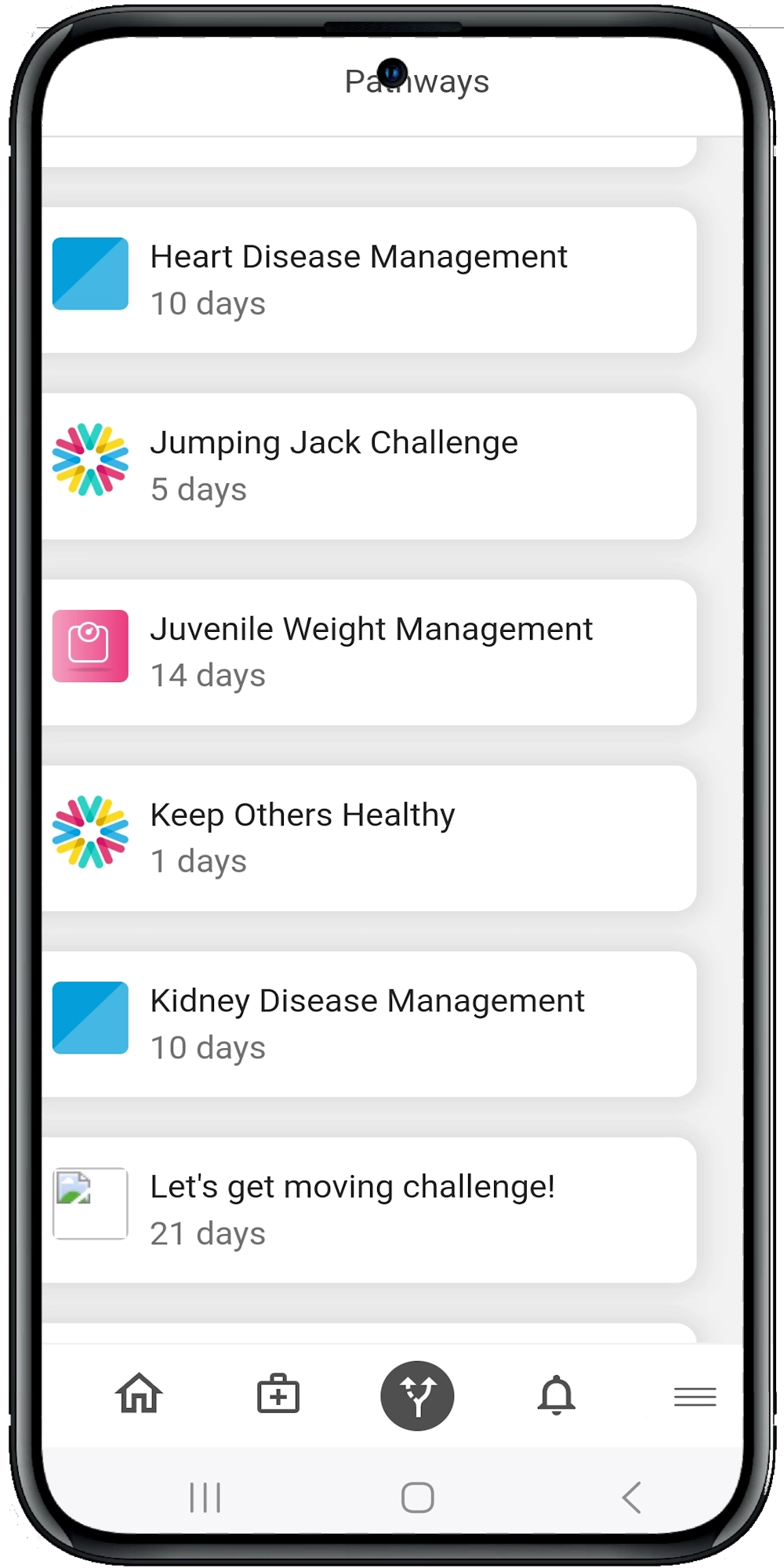
- AI-guided care pathways customized to the user
- Secure messaging with healthcare teams
- Integration with Apple Health, Google Fit, Dexcom and more
By combining functionality, personalization and real-time support, these apps solve many of the biggest roadblocks to patient engagement.
How Smart Apps Improve Chronic Disease Management
For patients managing chronic conditions like diabetes or hypertension, staying on top of daily care tasks is essential—but let’s be honest, it’s also overwhelming.
Smart apps make this easier by breaking complex care routines into manageable steps. For example, a person living with Type 2 diabetes can use an app to:
- Receive reminders to take insulin or oral meds
- Track blood glucose levels automatically through device integration
- Log meals and physical activity
- Follow a guided care pathway with daily tips and tasks
Even better? That data isn’t just sitting there. It’s sent directly to the provider’s dashboard, like Calcium Core, where clinicians can view trends, identify issues early and adjust treatment without waiting for the next office visit.
One recent evaluation of care models found that integrating these tools improves both clinical outcomes and operational efficiency. In other words, it works.
Supporting Behavioral and Mental Health—One Tap at a Time
Behavioral health is one of the most underserved, yet most critical, areas in value-based care. With rising rates of depression, anxiety and substance use disorders, engagement tools must be compassionate, continuous and easy to use.
That’s where smart apps really shine.
Imagine an app that checks in on your mood each morning, reminds you to take your medication and offers daily coping strategies based on how you’re feeling. For patients in therapy or managing behavioral conditions, this can make all the difference between feeling supported and feeling alone.
Apps like Calcium’s Super App offer behavioral health pathways designed for real people—those facing depression, anxiety, addiction or grief. These pathways:
- Prompt users to log feelings and triggers
- Offer personalized exercises like breathing or journaling
- Send motivational messages to build resilience
- Provide access to emergency support when needed
- Track patterns to identify when intervention might be necessary
By putting mental health support directly in people’s pockets, smart apps help close the engagement gap in this often-neglected area of care.
________________________________________
Proactive and Preventive Care at Your Fingertips
Let’s face it—preventive care often gets ignored until it’s too late. People delay screenings, skip annual exams and don’t follow up on lab results.
Smart apps offer a proactive solution. By delivering timely nudges and turning health into a daily habit, they keep users engaged before small problems become big ones.
Here’s how:
- Reminders. Notifications for flu shots, cancer screenings, dental checkups and more
- Gamification. Wellness challenges and rewards to motivate action
- Educational content. Short videos or articles to explain why preventive care matters
- Symptom check-ins. Tools that guide users through evaluating early warning signs
A 2023 systematic review of tech-driven preventive outreach confirmed that personalized messaging and app-based reminders increase compliance with screenings and vaccinations. Smart apps make prevention less of a chore—and more a part of everyday life.
Helping Providers Work Smarter, Not Harder
Patient engagement isn’t just good for patients. It’s a lifeline for providers operating in a value-based world. When patients are more engaged, providers can spend less time chasing compliance and more time delivering high-quality care.
Smart apps create a seamless connection between the clinic and the patient’s daily life. With a centralized dashboard like Calcium Core, providers can:
- Monitor patient progress in real-time
- Sort patients by risk or need for follow-up
- Automate outreach with alerts and reminders
- Track outcomes by condition, population or pathway
- Send secure messages without relying on phone calls
This isn’t just convenient—it’s essential. In value-based contracts, providers are held accountable for quality metrics, cost savings and patient satisfaction. Digital tools that support engagement directly impact all three.
Real-World Impact and Proof Points
The numbers don’t lie. Organizations that adopt smart engagement strategies are seeing results:
- Up to 50% increase in medication adherence when patients use reminder apps
- 20–30% fewer hospital readmissions in systems using digital monitoring tools
- Higher HEDIS scores and CAHPS ratings, which influence reimbursement
A recent study on innovative care models concluded that technology-enabled strategies like app-based engagement consistently improve both health outcomes and organizational efficiency.
It’s not just a trend—it’s a transformation.
Bringing It All Together
From chronic care to behavioral health to preventive screenings, smart apps are turning patients into active partners in their own care. And in value-based care, that kind of engagement isn’t optional—it’s essential.
These digital tools don’t just remind patients to take their meds or show up for visits. They empower people, simplify complex routines, and give providers a real-time view of what’s happening outside the clinic walls.
It’s time we stop thinking of health apps as optional add-ons and start treating them as core components of modern care delivery. Because when patients are engaged, everyone wins.
Reference
- Adler, D. A., Yang, Y., Viranda, T., Meter, V., McGinty, E. E., & Choudhury, T. (2025). Designing Technologies for Value-based Mental Healthcare: Centering Clinicians’ Perspectives on Outcomes Data Specification, Collection, and Use. (Cornell University). https://doi.org/10.1145/3706598.3713481
- Chacko, J., Mazza, K., Kimon Stathakos, Kim, D., & Carlo, L. (2025). Evaluating Technology-Driven Strategies for Enhancing Patient Outreach for Preventive Care: A Systematic Review. Cureus. https://doi.org/10.7759/cureus.79467
- Gonzalez, L. (2025, June 2). To Evaluate the Effectiveness of Innovative Care Models in Improving Patient Outcomes and Operational Efficiency in Healthcare. Clinical Medicineand Health Research Journal (CMHRJ) 5(3).
- McCabe, M. (2018, June). Developments in Data Science and Population Health. Population Health News – Health Policy Publishing, LLC. https://lacare.org/sites/default/files/population-health-news-seidman-0618.pdf