Türkiye’de bahis severler için en çok tercih edilen bettilt giriş adreslerden biri olmaya devam ediyor.
Curacao lisanslı platformlar arasında güvenilirlik açısından üst sıralarda bahsegel giriş yer alan, uluslararası denetimlerden başarıyla geçmiştir.
Kazançlı bahis deneyimi arayan herkes için bettilt doğru seçimdir.
Rulet masalarında en çok tercih edilen bahis türleri arasında kırmızı/siyah ve tek/çift seçenekleri yer alır; pinco giriş bu türleri destekler.
Basketbol tutkunları için en iyi kupon fırsatları bettilt sayfasında yer alıyor.
How Healthcare Can Build Trust in a Connected, Data-Driven World
Every time you visit a doctor, wear a smartwatch, or check your blood pressure at home, you’re generating personal health data. But have you ever wondered where that data goes—or who else might be seeing it?
As healthcare becomes more digital, the line between convenience and vulnerability grows thinner. Private health information is among the most sensitive data we produce, and yet it’s often the least understood when it comes to protection. In an age of data breaches and rising cyber threats, simply hoping your information is safe isn’t good enough. Providers, platforms and patients all play a role in defending that data—and it starts with understanding the risks and knowing the right safeguards to put in place. If your health data is going to work for you, it first needs to be protected from everyone else.
In a world where health records can live on a smartphone, sync from a smartwatch, and travel instantly between providers, protecting private health data isn’t just an IT problem—it’s a patient trust problem. When someone logs their blood pressure in an app or shares lab results with a new doctor, they expect that information to stay secure and private.
Let’s break down the biggest challenges facing private health data today—and explore the best ways to protect it.
What Exactly Is Private Health Data?
Before we dive into the “how,” let’s be clear about the “what.” Private health data—also known as protected health information (PHI)—is any medical or health-related information that can be tied back to an individual. That includes:
- Medical records and test results
- Health insurance information
- Diagnoses, treatments, and medication lists
- Genetic data
- Behavioral and mental health notes
- Data from wearables or home devices
Why does this data matter so much? Because it’s deeply personal. It reflects a person’s body, mind, history, and future. And unlike a credit card number, you can’t just cancel it and get a new one if it’s exposed.
The Biggest Challenges to Protecting Private Health Data
Despite strong regulations like HIPAA, keeping this data safe is tougher than it sounds. Here are the most common (and most serious) obstacles:
-
Cybersecurity Threats Are on the Rise
Healthcare data is a goldmine for cybercriminals. In fact, it’s worth 10 to 50 times more than credit card info on the dark web. Ransomware, phishing and insider threats are constant risks. Once data is stolen, the fallout can be devastating.
-
Data Lives in Too Many Places.
From hospitals and clinics to apps and devices, private health data gets stored in dozens of systems. Most of them weren’t built to work together, which makes protecting data across the board nearly impossible without the right strategy.
-
Patients Don’t Control Their Own Data.
Even in the digital age, patients often have no idea who has access to their records. And when they want to revoke consent or correct a mistake? Good luck finding the right contact form.
-
Regulations Are Complex and Changing.
HIPAA is just the beginning. State laws like California’s CCPA and new global rules (like GDPR) create a legal maze that providers and developers must navigate carefully—or face serious penalties.
-
Outdated Sharing Methods Are Still Common
Yes, some providers still fax records. Others rely on unsecured email. These legacy systems were never built for secure data exchange in a cloud-connected world.
-
Data Can Be Misused Without You Knowing
Even de-identified data can sometimes be re-identified with enough effort. If your health data ends up in the hands of advertisers, insurers or third parties, it could influence what you’re charged or how you’re treated.
-
Most People Don’t Understand Their Data Rights
Digital health literacy is still low. Many patients click “accept” without knowing what they’re agreeing to. Without clear education and tools, people can’t advocate for their own privacy.
So, what can we do about it?
Best Practices for Securing Private Health Data
There’s no silver bullet, but following these seven best practices can dramatically improve your privacy and security posture—whether you’re a provider, platform developer or patient advocate.
1. Encrypt Everything—Period
Encryption isn’t optional. Whether data is sitting on a server (at rest) or being transmitted between systems (in transit), it should be encrypted using modern standards. Think of it like sealing a letter in an envelope rather than sending it on a postcard.
2. Implement Role-Based Access Controls (RBAC)
Not everyone needs to see everything. With RBAC, you control who can access specific types of data based on their role. A front desk receptionist shouldn’t have the same data access as a nurse or specialist. RBAC ensures only the right eyes see sensitive data.
3. Make Consent Visible and Actionable
Patients should know exactly who is using their data and why. Even better, they should be able to update or revoke consent at any time. This isn’t just ethical—it’s increasingly required by law.
4. Design for Interoperability That Respects Privacy
Data should move freely between systems—but only with proper safeguards. Using standards like FHIR (Fast Healthcare Interoperability Resources) allows platforms to share data efficiently while maintaining privacy, permissions, and traceability.
5. Monitor Everything with Audit Trails
You can’t protect what you can’t track. Set up logging systems that record every access, edit and transfer of private health data. If something goes wrong, audit trails help pinpoint the breach and reduce damage.
6. Train Your People and Educate Your Patients
Security isn’t just a tech issue—it’s a people issue. Train your staff regularly on best practices, phishing prevention and HIPAA updates. And make sure your patients know how to access and protect their own health info.
7. Choose Platforms That Put Privacy First
Work with partners who build security and compliance into the foundation of their platforms—not as an afterthought. That’s where solutions like Calcium stand out.
How Calcium Tackles Health Data Privacy Head-On
The issues we just explored aren’t theoretical. They’re exactly what the studies in your attached materials uncovered. EHR systems fail because they lack context, connection and consumer focus. And as one study concluded, most health IT platforms fall short on:
- Security
- Interoperability
- Usability
- Patient empowerment
Calcium was built to fix that.
Here’s how it approaches privacy with purpose:
- Full HIPAA Compliance: End-to-end encryption, user authentication, and regular security audits are baked into the system.
- Audit Logs and Role-Based Access: Every action is tracked, and every user only sees what they need.
- Patient-Centric Consent Tools: Individuals can view, manage and revoke sharing permissions directly in the Super App.
- Interoperability Without Risk: Calcium integrates with 95% of U.S. health systems using national standards like HL7 and FHIR—while preserving patient privacy.
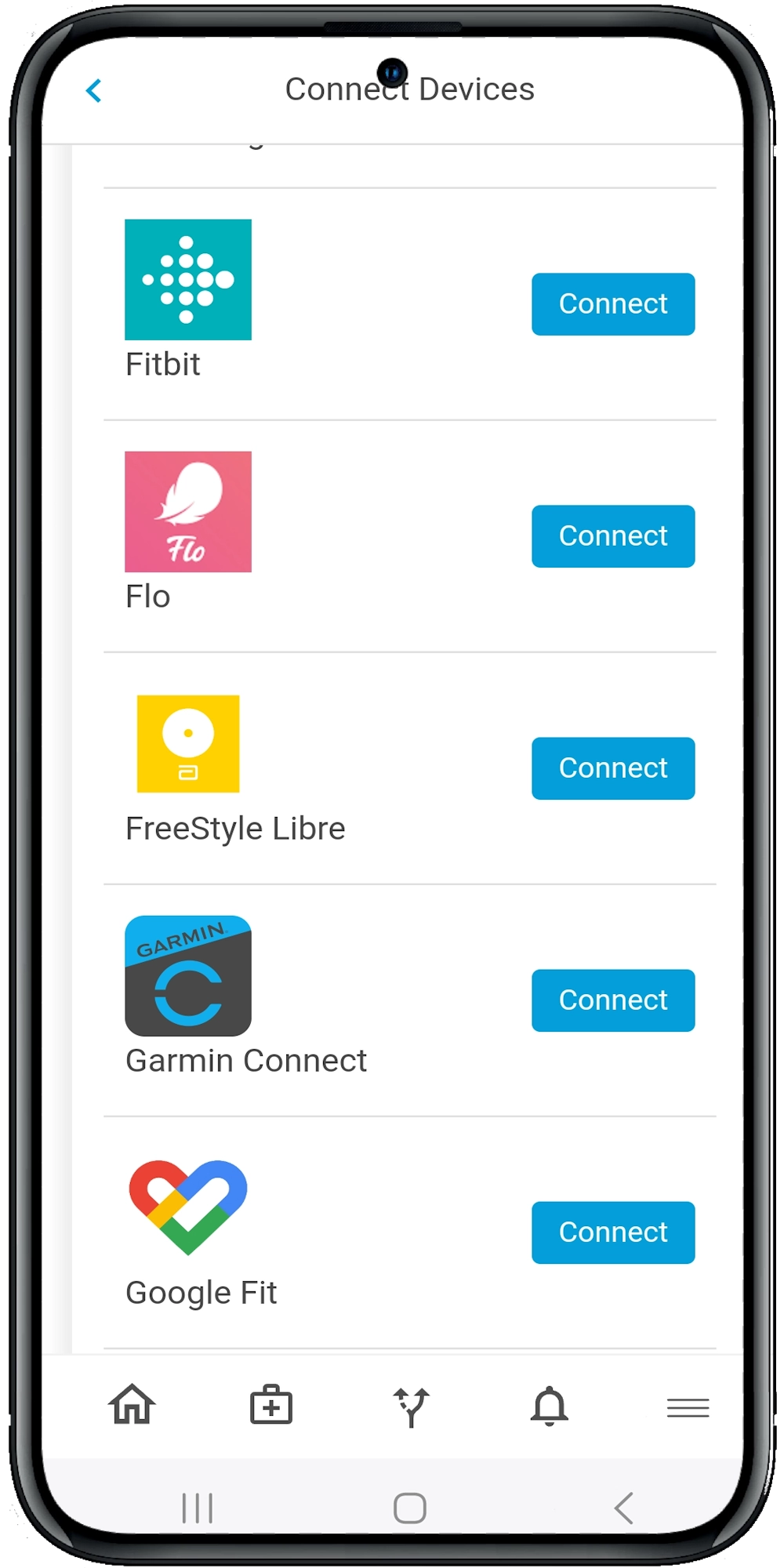
- Real-Time Data Monitoring: From wearable devices to lab results, patient data flows securely into the provider dashboard for review—without compromise.
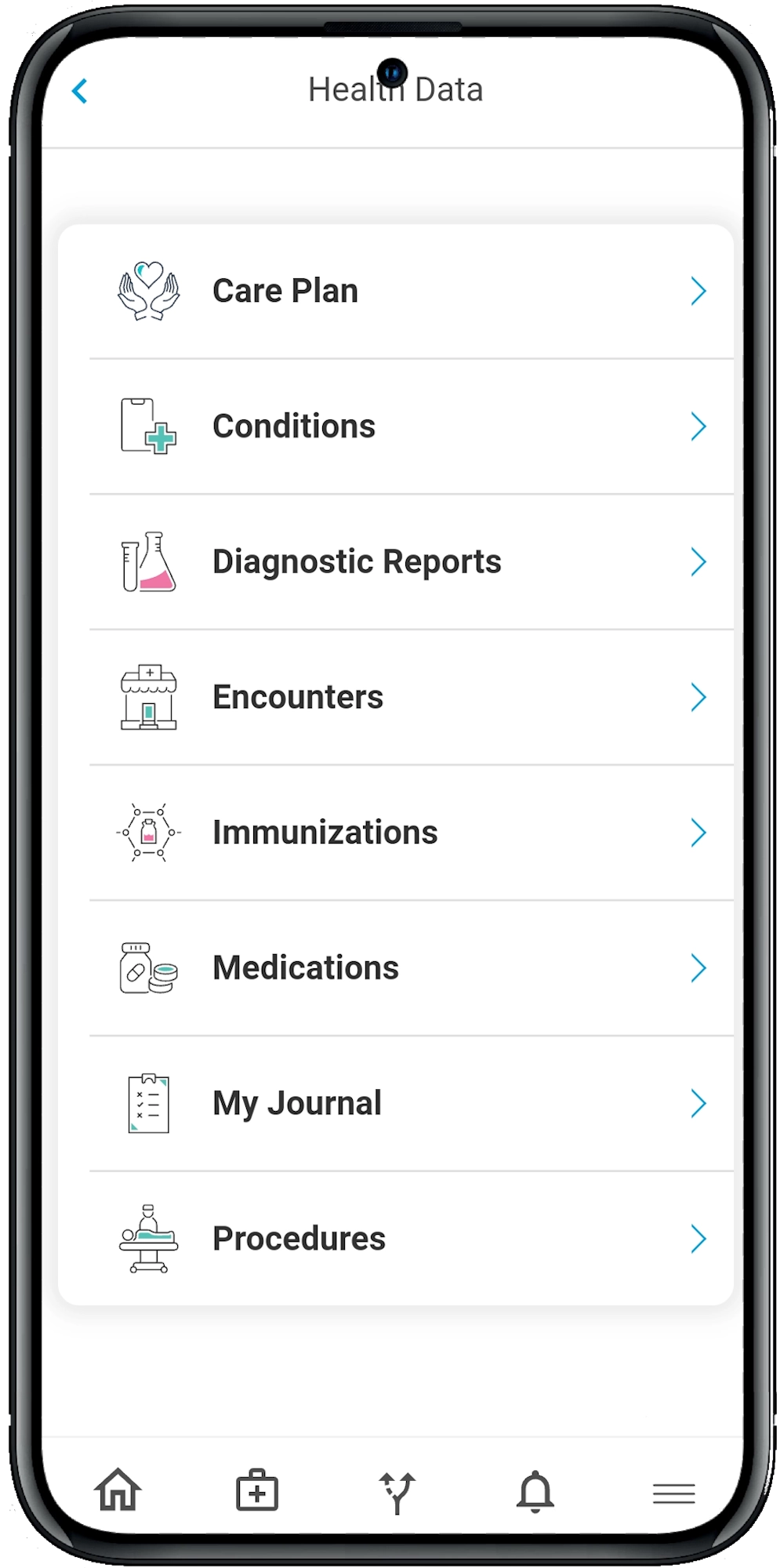
- Transparent UX: Patients see their own records, understand their health journey and stay in control every step of the way.
Think of Calcium as the guardrail and guide for modern health data—keeping it safe while helping it go where it’s needed most.
Privacy and Trust Go Hand in Hand
At the end of the day, data privacy isn’t just about following the law. It’s about earning trust. Patients want to know that their stories—written in lab values, journal entries, vitals and diagnoses—are in good hands.
Healthcare is going digital. There’s no stopping that. But with the right protections, we can make sure it goes in the right direction—one where privacy is protected, data is respected and everyone stays informed and empowered.
The Wrap
In today’s digital-first healthcare world, protecting private health data is no longer optional—it’s essential. Trust is built on more than good care; it’s built on knowing that your most personal health information is secure, respected and in your control.
The best practices outlined above are more than just IT strategies—they’re a framework for safeguarding patient dignity and improving healthcare outcomes in the process. At Calcium, we’ve made data security, transparency and patient empowerment core to everything we build. From HIPAA-compliant architecture to consent-driven health data sharing, our digital health platform helps organizations and individuals manage private health data the right way.
Reference
- Kalra D. (2006). Electronic health record standards. Yearbook of medical informatics, 136–144. https://pubmed.ncbi.nlm.nih.gov/17051307/
- Ambinder E. P. (2005). A history of the shift toward full computerization of medicine. Journal of oncology practice, 1(2), 54–56. https://doi.org/10.1200/JOP.2005.1.2.54
- Hoerbst, A., & Ammenwerth, E. (2010). Electronic health records. A systematic review on quality requirements. Methods of information in medicine, 49(4), 320–336. https://doi.org/10.3414/ME10-01-0038
- Häyrinen, K., Saranto, K., & Nykänen, P. (2008). Definition, structure, content, use and impacts of electronic health records: A review of the research literature. International Journal of Medical Informatics, 77(5), 291–304. Elsevier Ireland Ltd. Retrieved from https://doi.org/10.1016/j.ijmedinf.2007.09.001
- Safran, C., & Goldberg, H. (2000). Electronic patient records and the impact of the Internet. International Journal of Medical Informatics, 60(1), 77–83. https://doi.org/10.1016/S1386-5056(00)00106-4
- Hassey, A., Gerrett, D., & Wilson, A. (2001). A survey of validity and utility of electronic patient records in a general practice. BMJ, 322(7299), 1401–1405. https://doi.org/10.1136/bmj.322.7299.1401
- Greenhalgh, T., Potts, H. W. W., Wong, G., Bark, P., & Swinglehurst, D. (2009). Tensions and paradoxes in electronic patient record research: A systematic literature review using the meta-narrative method. The Milbank Quarterly, 87(4), 729–788. https://doi.org/10.1111/j.1468-0009.2009.00578.x