Türkiye’de bahis severler için en çok tercih edilen bettilt giriş adreslerden biri olmaya devam ediyor.
Curacao lisanslı platformlar arasında güvenilirlik açısından üst sıralarda bahsegel giriş yer alan, uluslararası denetimlerden başarıyla geçmiştir.
Kazançlı bahis deneyimi arayan herkes için bettilt doğru seçimdir.
Rulet masalarında en çok tercih edilen bahis türleri arasında kırmızı/siyah ve tek/çift seçenekleri yer alır; pinco giriş bu türleri destekler.
Basketbol tutkunları için en iyi kupon fırsatları bettilt sayfasında yer alıyor.
Transforming Patient Outcomes Through Intelligent Postoperative Care
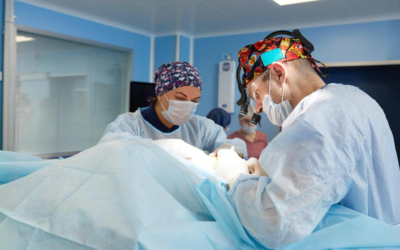
Every 36 seconds, someone in America enters an operating room. They trust their surgical team with their lives, undergo successful procedures, and then face the most unpredictable part of their journey: recovery at home.
This transition from hospital to home represents healthcare’s greatest blind spot a period when complications develop silently, patients struggle with uncertainty, and healthcare systems absorb billions in preventable readmission costs.
The stakes have never been higher. Value-based care models now tie hospital revenues directly to patient outcomes, making every post-surgical complication a financial liability. Meanwhile, patients demand transparency and engagement throughout their healing process, expecting the same level of connectivity they experience in every other aspect of their digital lives.
The solution isn’t more frequent office visits or additional nursing calls it’s fundamentally reimagining how we monitor, predict and respond to recovery patterns. The future of surgical success lies not just in what happens in the operating room, but in how intelligently we guide patients through the weeks that follow.
The Current Surgical Recovery Landscape: Where We Stand Today
Picture this. You’ve just undergone a successful knee replacement surgery. Your surgeon did everything perfectly, but now you’re home wondering if that unusual pain is normal or something to worry about. Traditional recovery follows a one-size-fits-all playbook, leaving you guessing until your next appointment in two weeks.
This scenario plays out millions of times each year across the United States’ healthcare system. We perform over 50 million surgeries annually, yet our approach to recovery remains surprisingly outdated. Think of it like having a state-of-the-art GPS for the journey to surgery, but relying on a paper map for the trip home.
The numbers tell a sobering story. Hospital readmission rates hover between 8% and 12% for most surgical procedures, costing our healthcare system over $31 billion annually. These aren’t just statistics they represent real patients experiencing complications that might have been prevented with better monitoring and intervention.
Value-Based Care Has Changed the Game Entirely
Healthcare organisations now face financial penalties for readmissions and poor outcomes. Under bundled payment programs like BPCI-A and the Comprehensive Care for Joint Replacement model, hospitals absorb the full cost when patients return within 30 days. It’s like being a contractor who has to fix problems for free suddenly, preventing issues becomes much more important than treating them after they occur.
The pressure extends beyond finances. Hospital Compare ratings and patient satisfaction scores directly impact referral patterns and market reputation. When your surgical program’s success depends on keeping patients healthy at home, the traditional “wait and see” approach becomes a liability you can’t afford.
Where Behavioural Health Fits the Recovery Puzzle
Here’s something most people don’t realise: your mental health dramatically impacts how well you heal from surgery. Research shows that 25-40% of surgical patients experience depression or anxiety during recovery, and these aren’t just emotional challenges they’re clinical factors that slow healing, increase pain perception, and raise complication rates.
Traditional surgical care treats the body like a machine needing repair, but recovery happens in the context of a whole person. When someone feels anxious about their progress or depressed about their limitations, their body responds with elevated stress hormones, reduced immune function and decreased motivation to follow recovery protocols.
The integration gap is massive. Most surgical teams excel at technical procedures but struggle to address the psychological aspects of healing. It’s like having master mechanics who can rebuild an engine but don’t consider whether the driver knows how to operate the vehicle safely.
Social determinants of health add another layer of complexity. A patient’s access to transportation, healthy food, safe housing and family support significantly influences recovery outcomes. AI tools that ignore these factors are missing critical pieces of the puzzle.
How AI Transforms Every Stage of Surgical Recovery
Artificial intelligence isn’t replacing surgeons it’s making them smarter at every step of the recovery journey. The technology works like having a tireless assistant who never sleeps, constantly analysing data patterns that human minds simply can’t process at scale.
Preoperative risk assessment becomes incredibly precise. Instead of relying on broad categories like age and comorbidities, AI algorithms analyse thousands of data points to predict individual patient risks. These systems can identify which patients need additional support, modified protocols or enhanced monitoring before problems develop.
During surgery, AI provides real-time guidance that enhances surgeon decision-making. Computer vision systems help identify tissue boundaries more accurately, while predictive algorithms suggest optimal approaches based on individual patient anatomy. Think of it as upgrading from standard headlights to night vision while driving through unfamiliar territory.
The real magic happens during postoperative care. AI-powered monitoring systems track patient progress through multiple channels:
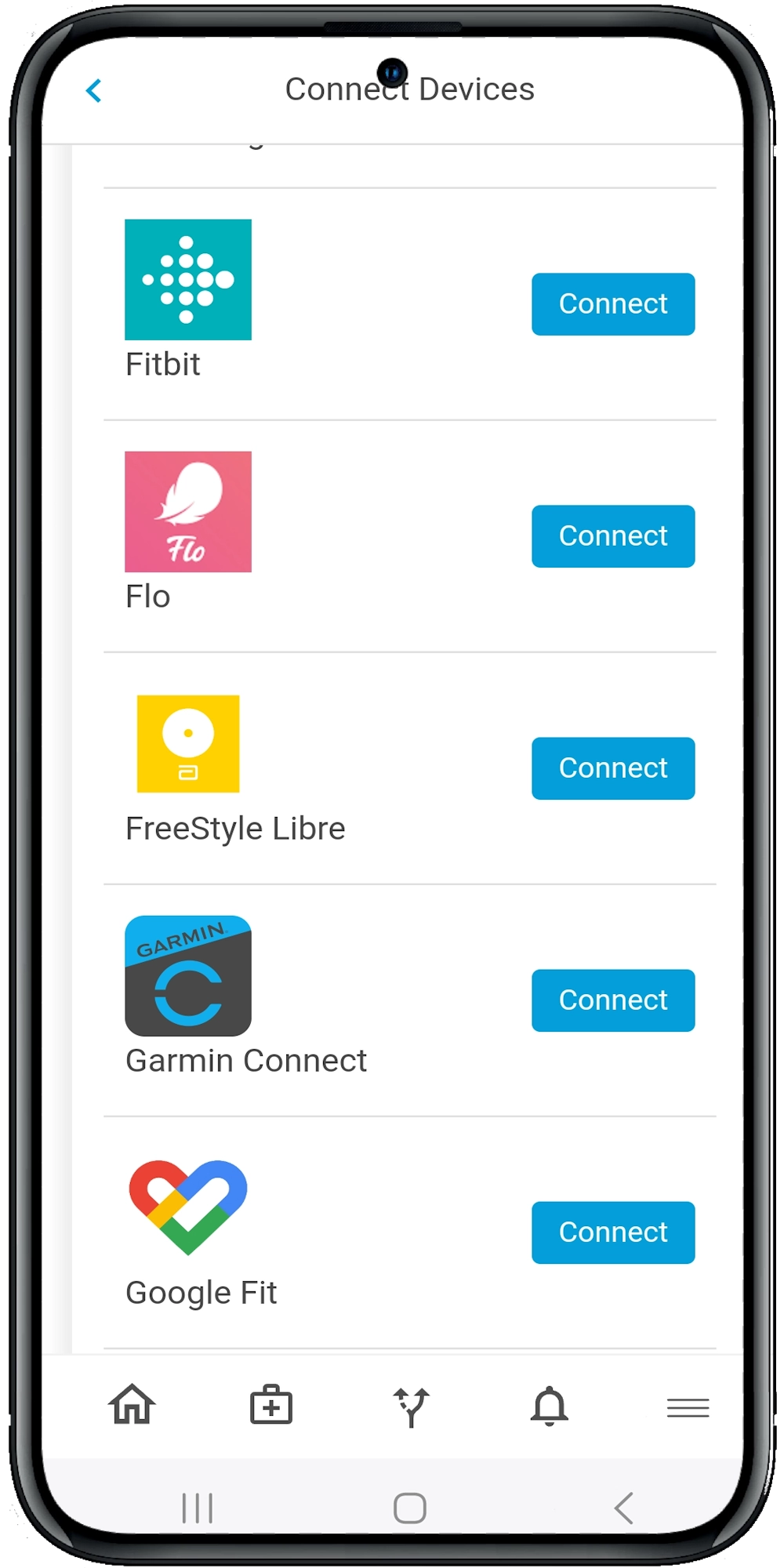
- Wearable devices monitor vital signs, activity levels and sleep patterns
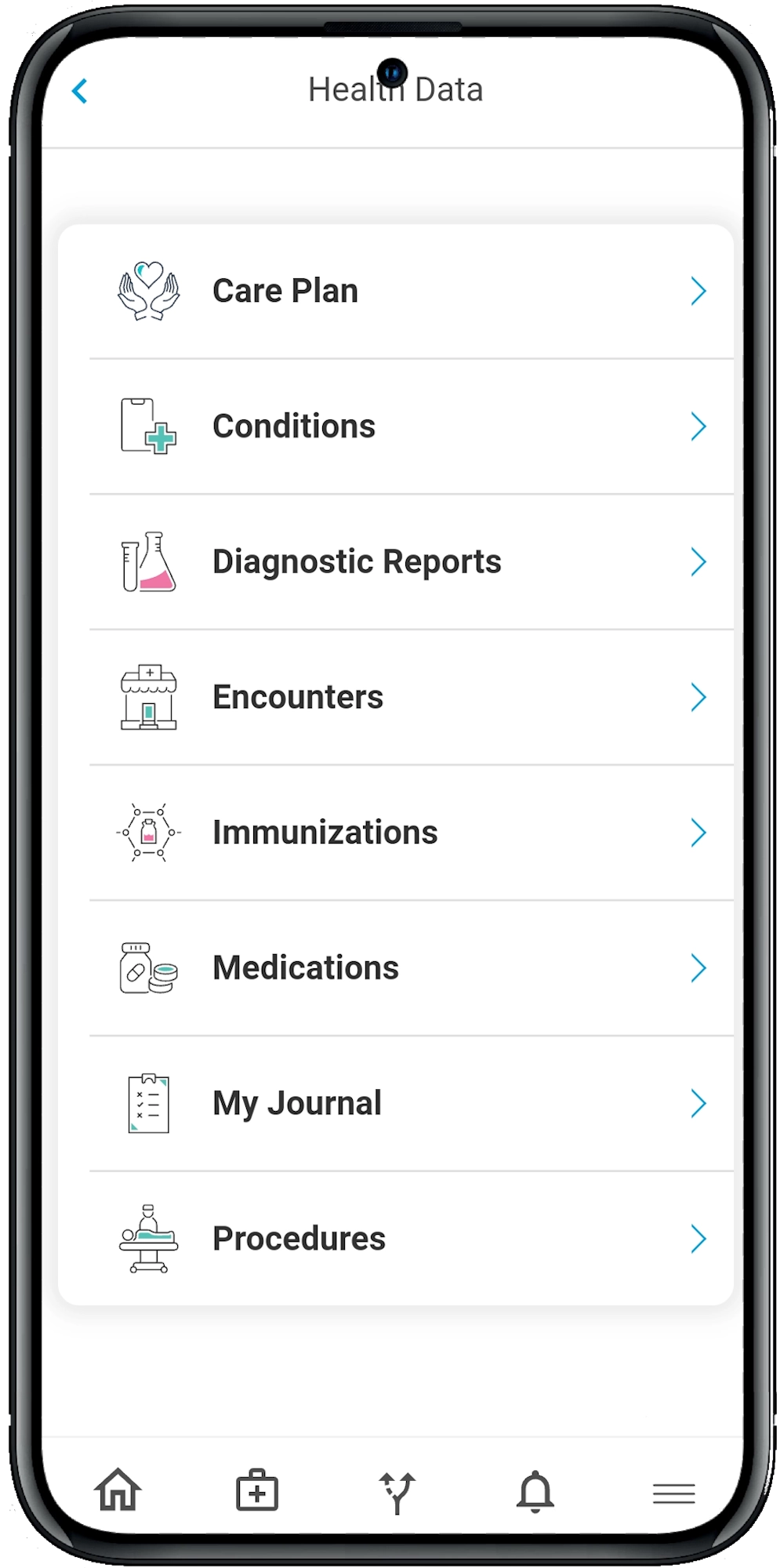
- Smartphone apps capture patient-reported symptoms and pain levels
- Natural language processing analyses patient communications for concerning changes
- Predictive algorithms identify early warning signs of complications
This continuous monitoring creates what researchers call “digital twins” virtual representations of patients that update in real-time. When something deviates from expected patterns, the system alerts care teams immediately rather than waiting for scheduled check-ins.
Enhanced Recovery After Surgery Gets an AI Upgrade
Enhanced Recovery After Surgery (ERAS) protocols have revolutionised perioperative care by implementing evidence-based strategies that speed recovery and reduce complications. These protocols work like well-orchestrated symphonies, coordinating multiple interventions from preoperative education through discharge planning.
AI takes ERAS protocols to the next level by personalising every element. Instead of following rigid checklists, AI systems adapt protocols based on individual patient characteristics, real-time progress and outcome predictions. It’s like having a personal trainer who adjusts your workout plan based on daily performance metrics rather than following a generic program.
Pain management represents one of the most promising applications. AI algorithms analyse patient pain patterns, medication responses and behavioural indicators to optimise multimodal pain strategies. This approach reduces opioid requirements while maintaining comfort—a critical balance in today’s opioid crisis environment.
The behavioural health integration becomes seamless through AI screening tools that identify patients at risk for depression, anxiety or poor coping during recovery. Rather than waiting for problems to emerge, care teams can proactively provide support through counselling referrals, peer support programs or digital therapeutics.
Breaking Down Implementation Barriers
Despite AI’s obvious benefits, many healthcare organisations struggle with implementation. The challenges aren’t primarily technical—they’re operational, financial and cultural.
Interoperability remains the biggest technical hurdle. Healthcare systems operate with dozens of different software platforms that don’t communicate effectively. AI tools need comprehensive patient data to function optimally, but gathering this information from fragmented systems requires significant integration work.
The solution lies in platforms designed with interoperability as a core feature rather than an afterthought. Modern digital health platforms use standardized APIs and data formats that connect seamlessly with existing hospital systems, eliminating the data silos that limit AI effectiveness.
Clinical workflow integration requires careful change management. Healthcare professionals are rightfully sceptical of new technologies that disrupt established routines. Successful AI implementation focuses on enhancing rather than replacing clinical judgment. The goal is to provide clinicians with better information to make decisions, not to make decisions for them.
Training and competency development become crucial. Staff need to understand not just how to use AI tools, but when to trust their recommendations and when to override them. This requires ongoing education and feedback loops that build confidence over time.
Financial sustainability depends on demonstrating clear ROI. Healthcare executives need concrete evidence that AI investments will improve outcomes and reduce costs. The most successful implementations focus on measurable metrics like readmission rates, length of stay and patient satisfaction scores.
Payer engagement strategies should emphasise value-based care alignment. When AI tools demonstrably improve quality metrics and reduce the total cost of care, payers become willing partners rather than obstacles to implementation.
Real-World Success Stories Paint the Picture
The theoretical benefits of AI in surgical recovery are impressive, but real-world results provide the proof that matters to healthcare leaders. Several pioneering organisations have demonstrated significant improvements through comprehensive AI implementation.
Large health systems report remarkable outcomes. One major academic medical center implemented AI-powered ERAS protocol optimization across their orthopaedic service line. Results included a 20% reduction in average length of stay, a 15% decrease in 30-day readmissions and over $2.3 million in annual cost savings.
The key to their success was treating AI as a comprehensive platform rather than a collection of point solutions. By integrating predictive analytics, remote monitoring and behavioural health screening into a unified system, they addressed multiple aspects of recovery simultaneously.
Ambulatory surgery centers have found AI particularly valuable for managing patients who go home the same day as surgery. Remote monitoring systems maintain a connection with patients during the critical first 48-72 hours when most complications develop. One ASC network achieved 95% patient compliance with monitoring protocols and reduced emergency department visits by 40%.
These success stories share common elements: comprehensive platform approaches, strong clinical leadership, robust training programs and systematic outcome measurement. Organisations that treat AI implementation as a strategic initiative rather than a technology project achieve the best results.
The Wrap
The transformation of surgical recovery through artificial intelligence isn’t a distant possibility it’s happening right now in forward-thinking healthcare organisations across the country. The question isn’t whether AI will revolutionise postoperative care, but whether your organisation will lead this transformation or follow others who recognised the opportunity first.
Success requires more than adopting individual AI tools; it demands comprehensive platforms that integrate seamlessly with existing workflows while addressing the full spectrum of recovery challenges. From predictive analytics and remote monitoring to behavioural health integration and value-based care optimisation, the most effective solutions treat recovery as a holistic, connected experience.
The Calcium digital health platform represents this comprehensive approach, combining advanced AI capabilities with practical implementation support that healthcare organisations need to succeed. Our integrated solution addresses the technical, clinical and operational challenges that have limited AI adoption while delivering measurable improvements in patient outcomes and financial performance.
Reference
- Hashimoto, D. A., Rosman, G., Rus, D., & Meireles, O. R. (2018). Artificial Intelligence in Surgery: Promises and Perils. Annals of Surgery, 268(1), 70–76. https://doi.org/10.1097/sla.0000000000002693
- Bharadwaj, A. (2025). Revolutionizing perioperative medicine: Technological advancements for enhanced recovery. Serbian Journal of Anesthesia and Intensive Therapy, 47(1-2), 5–16. https://doi.org/10.5937/sjait2502005b
- Guni, A., Varma, P., Zhang, J., Fehervari, M., & Ashrafian, H. (2024). Artificial Intelligence in Surgery: The Future is Now. European Surgical Research. Europaische Chirurgische Forschung. Recherches Chirurgicales Europeennes, 65(1). https://doi.org/10.1159/000536393
- Wang, R., Situ, X., Sun, X., Zhan, J., & Liu, X. (2025). Assessing AI in Various Elements of Enhanced Recovery After Surgery (ERAS)-Guided Ankle Fracture Treatment: A Comparative Analysis with Expert Agreement. Journal of Multidisciplinary Healthcare, Volume 18, 1629–1638. https://doi.org/10.2147/jmdh.s508511
- Varghese, C., Harrison, E. M., O’Grady, G., & Topol, E. J. (2024). Artificial intelligence in surgery. Nature Medicine, 1–12. https://doi.org/10.1038/s41591-024-02970-3