Türkiye’de bahis severler için en çok tercih edilen bettilt giriş adreslerden biri olmaya devam ediyor.
Curacao lisanslı platformlar arasında güvenilirlik açısından üst sıralarda bahsegel giriş yer alan, uluslararası denetimlerden başarıyla geçmiştir.
Kazançlı bahis deneyimi arayan herkes için bettilt doğru seçimdir.
Rulet masalarında en çok tercih edilen bahis türleri arasında kırmızı/siyah ve tek/çift seçenekleri yer alır; pinco giriş bu türleri destekler.
Basketbol tutkunları için en iyi kupon fırsatları bettilt sayfasında yer alıyor.
Technology That Works the Way Providers Do
As healthcare shifts from volume to value, providers are expected to do it all: manage costs, improve outcomes, coordinate across fragmented systems, and somehow keep patients engaged along the way. It’s a tall order—especially when most tools weren’t built for the people actually delivering the care.
Accountable Care Organizations (ACOs) promised a smarter, more collaborative approach to healthcare. But without the right support, many providers find themselves caught between increasing demands and outdated systems that slow them down instead of lifting them up. It’s time for a reset.
If you’re part of an ACO—or thinking about joining one—this post is for you. We’re diving into what’s really holding providers back and how next-generation technology can remove the friction, reduce burnout, and drive measurable success. Because when ACO solutions are designed with providers in mind, everyone wins—especially the patients who need us most.
The Evolving Role of Providers in ACOs
If you’re a provider working within an ACO model, you know the expectations have changed. It’s no longer just about treating illness—it’s about managing populations, preventing hospitalizations, and proving value. The shift to value-based care is challenging, and frankly, it can feel like you’re being asked to build a plane while flying it.
But what if ACO solutions for providers were actually designed with you in mind?
Let’s break down the real-world challenges you face and how a smarter digital approach can lighten your load.
The Biggest Challenges Providers Face in ACO Models
Being part of an ACO sounds promising—improved outcomes, shared savings, better care coordination. But ask most physicians or practice managers, and you’ll hear about the same roadblocks over and over. Here are the top issues providers report:
- Fragmented patient data across systems
- Lack of real-time insight into patient behavior and health changes
- Low patient engagement, especially in managing chronic conditions
- Wide variation in how care is delivered across providers
- Overburdened teams trying to meet ACO metrics without added support
- Preventable ER visits and readmissions that hurt quality scores
- Constant pressure to prove ROI and cut costs
These aren’t minor problems—they’re foundational. And unfortunately, many legacy systems just weren’t built to help you tackle them (Berenson et al., 2016).
What Providers Actually Need from ACO Tools
So, what would ACO solutions for providers look like if they were built from the ground up for today’s care environment? They’d need to do a few things really well:
- Work seamlessly across EHRs and data sources
- Help your team act on patient data, not just store it
- Boost patient engagement without creating more admin work
- Flag issues early, so you can intervene before things go off track
- Standardize care delivery across your team or network
- Make your reporting easier, not harder
It’s not about more technology. It’s about the right technology that’s tailored to how you work and what your patients need.
Meet Calcium: A Digital Health Platform Built for ACO Success
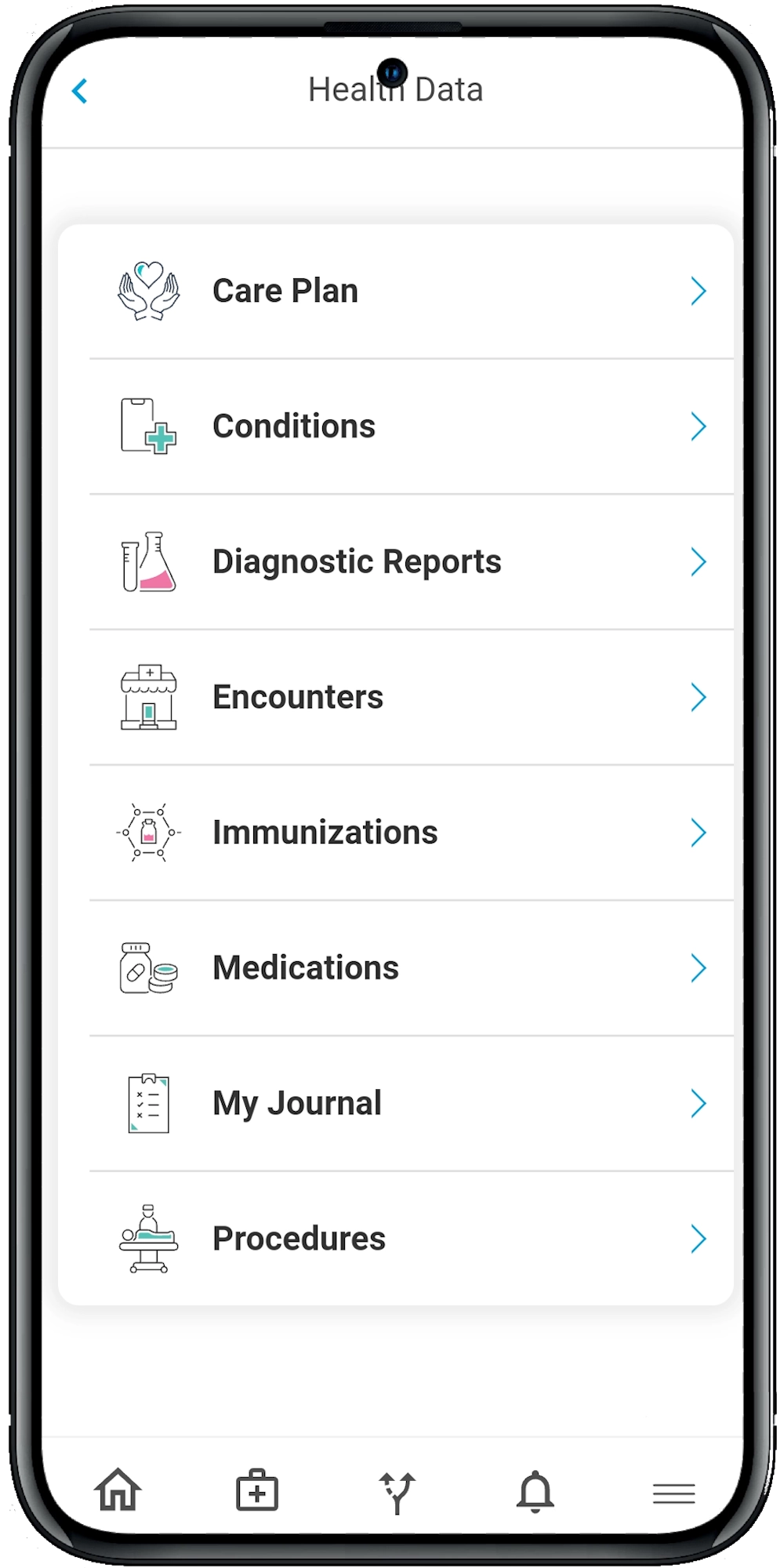
The Calcium digital health platform brings together everything providers need to excel in ACO models—without adding friction to the clinical workflow. It’s broken into three key components:
- CalciumHealth Core: Your provider dashboard to manage patients, pathways, health data, and analytics
- Calcium Super App: A mobile-first app patients actually want to use, full of guided care plans and tracking tools
- Calcium AI Studio: Where care pathways are built using AI and refined by medical experts
Let’s look at how this platform solves the challenges ACOs are facing today.
Real-World Solutions to 7 Real-World Provider Problems
You’ve just seen the tools; now we put them on the field, while recognizing the messy reality providers face: how do you surface the right signal from the noise, guide patients without hand-holding every step, align teams around a common playbook, and intervene before small issues explode into big ones?
The throughline is simple: make it easier for clinicians to do the next right thing—and easier for patients to follow through. When the work is organized this way, quality rises, preventable costs fall, and reporting becomes a by-product of good care rather than a separate chore.
1. Say Goodbye to Fragmented Data
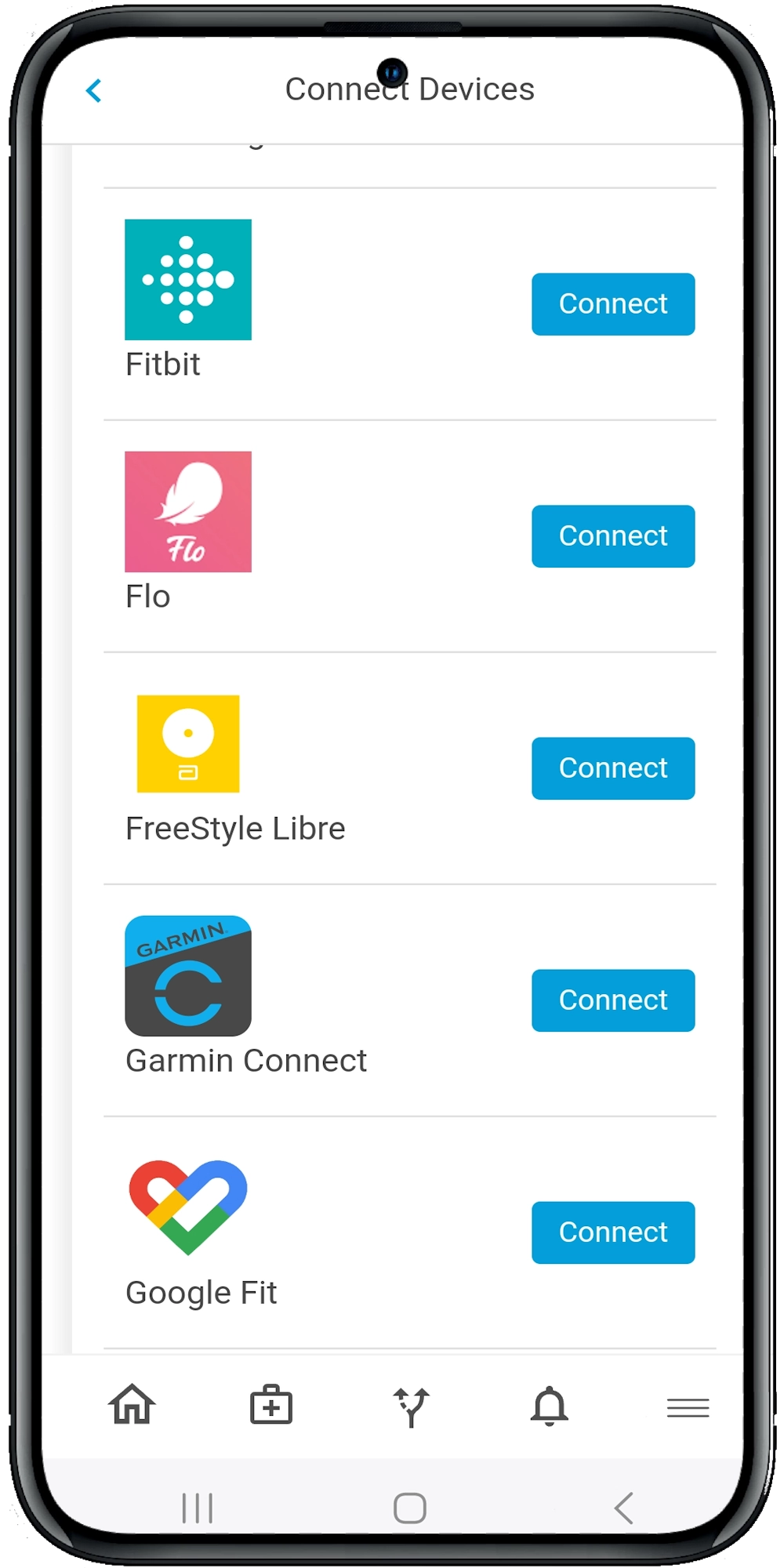
Data silos? Calcium tears them down. Whether it’s wearable devices, lab results, EHRs, or pharmacy records, Calcium brings everything together. You can see the whole patient picture—from blood pressure trends to missed appointments—in one place.
No more jumping between tabs or waiting for faxes. Just clean, useful data that flows where it’s needed.
2. Get Real-Time Patient Insights Without Micromanaging
Calcium’s digital pathways automatically track patient activity and vitals. If a diabetic patient’s glucose readings start trending upward, you’ll know—before it leads to a costly ER visit.
Even better? You don’t have to chase the data. Alerts notify you of compliance drops, symptom changes, or urgent issues, so your team can act fast.
3. Engage Patients with Personalized, Guided Care
Let’s be honest—most patients struggle with self-management. That’s where Calcium’s Super App shines. Patients receive daily reminders, motivational nudges, and step-by-step guidance tailored to their condition.
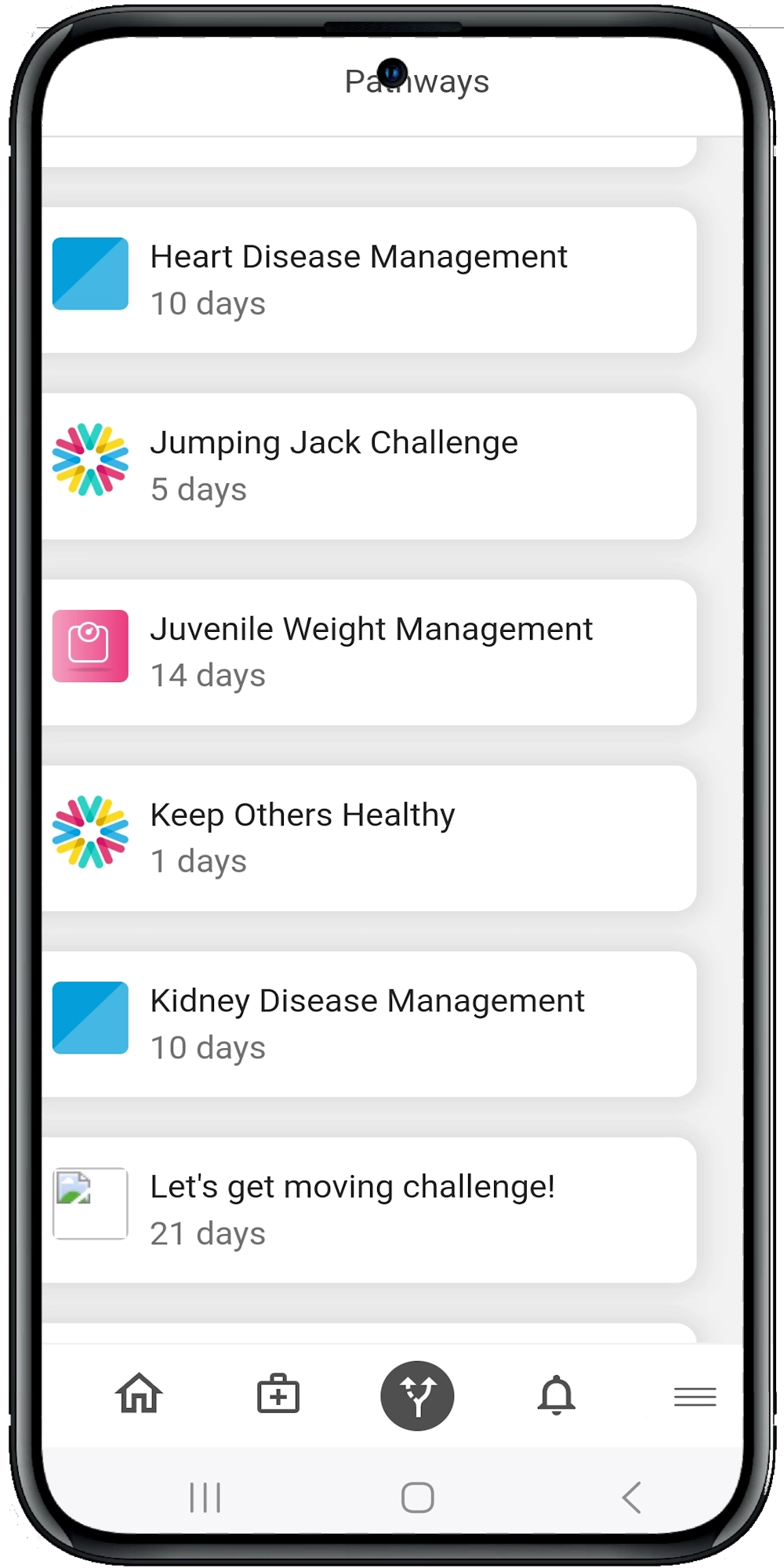
Want to encourage weight loss, improve medication adherence, or prep for a procedure? There’s a digital pathway for that—and patients can enroll themselves or be invited by your team.
In a recent study, ACO-aligned providers who used evidence-based simulations saw a 27% improvement in care quality and a 55% reduction in unnecessary testing (Burgon et al., 2019). That’s the kind of transformation well-designed ACO solutions for providers can enable..
4. Reduce Care Variation with Standardized Pathways
Clinical variation is a hidden cost driver. When different providers order different tests or follow different protocols, care quality drops and expenses rise.
Calcium’s AI-generated care pathways—reviewed by medical professionals—ensure everyone is following the same, evidence-based approach. Providers can customize them to match local preferences, but the foundation remains consistent.
Employing standardized protocols with feedback loops has been shown to reduce unwarranted clinical variation, improving outcomes and efficiency (Burgon et al., 2019).
5. Manage Chronic Conditions at Scale
Managing hundreds (or thousands) of patients with chronic conditions like diabetes, hypertension, or COPD? Calcium’s pathways track progress, flag issues, and help you prioritize outreach.
These are not static care plans. They evolve based on user input, wearable data, and your team’s updates—making them living, breathing tools for long-term disease control.
6. Cut Down Preventable ER Visits and Readmissions
It’s all about timing. Calcium helps you intervene before a minor issue becomes a crisis. Let’s say a post-op patient isn’t following their rehab instructions. The system flags it. You reach out. The crisis is avoided. That’s a win for the patient, your quality score, and your budget.
A study from 2011 warned that provider-led ACOs would need payer support and flexible models to reduce unintended cost-shifting (Goldsmith, 2011). Calcium bridges that gap with proactive monitoring and shared care data.
7. Track Performance & Report with Confidence
ACO solutions for providers should make reporting easy, not overwhelming. Calcium’s dashboards track everything from compliance to outcomes, all mapped to ACO quality benchmarks like HEDIS and MIPS.
You can slice and dice the data by condition, location, or provider—making it simple to identify trends and act on them. No need to scramble during audit season.
Backed by Research, Designed for Reality
Let’s not forget what the evidence tells us.
In one study, even high-performing ACO practices struggled to link engagement strategies to better outcomes unless they paired them with team coordination and workflow redesign (Rodriguez et al., 2019). That’s exactly where platforms like Calcium shine—by integrating engagement into the day-to-day flow of care delivery.
And in another real-world ACO case, aligning PCPs with standardized feedback led to millions in savings and significant jumps in evidence-based practice (Burgon et al., 2019).
In short, ACO solutions for providers that make care easier for both providers and patients create measurable change.
The Wrap
Providers are the backbone of any ACO—but too often, they’re handed tools that complicate rather than support their mission. The right ACO solutions for providers don’t just check compliance boxes—they anticipate needs, reduce burdens, and empower smarter, more connected care. If you’re ready to simplify your workflows, engage patients more effectively, and meet your ACO performance goals with less friction, it’s time to explore a platform designed for people like you.
Calcium Health isn’t just another digital health tool. It’s a powerful, flexible platform built to work the way you do—combining real-time data, intelligent care pathways, and seamless integration to support every step of the provider and patient journey.
Reference
Burgon, T. B., Cox-Chapman, J., Czarnecki, C., Kropp, R., Guerriere, R., Paculdo, D., & Peabody, J. W. (2019). Engaging Primary Care Providers to Reduce Unwanted Clinical Variation and Support ACO Cost and Quality Goals: A Unique Provider-Payer Collaboration. Population Health Management, 22(4), 321–329. https://doi.org/10.1089/pop.2018.0111
Berenson, R. A., Burton, R. A., & McGrath, M. (2016). Do accountable care organizations (ACOs) help or hinder primary care physicians’ ability to deliver high-quality care? Healthcare, 4(3), 155–159. https://doi.org/10.1016/j.hjdsi.2016.02.011
Rodriguez, H. P., Poon, B. Y., Wang, E., & Shortell, S. M. (2019). Linking Practice Adoption of Patient Engagement Strategies and Relational Coordination to Patient‐Reported Outcomes in Accountable Care Organizations. The Milbank Quarterly, 97(3), 692–735. https://doi.org/10.1111/1468-0009.12400
Goldsmith, J. (2011). Accountable Care Organizations: The Case For Flexible Partnerships Between Health Plans and Providers. Health Affairs, 30(1), 32–40. https://doi.org/10.1377/hlthaff.2010.0782