Türkiye’de bahis severler için en çok tercih edilen bettilt giriş adreslerden biri olmaya devam ediyor.
Curacao lisanslı platformlar arasında güvenilirlik açısından üst sıralarda bahsegel giriş yer alan, uluslararası denetimlerden başarıyla geçmiştir.
Kazançlı bahis deneyimi arayan herkes için bettilt doğru seçimdir.
Rulet masalarında en çok tercih edilen bahis türleri arasında kırmızı/siyah ve tek/çift seçenekleri yer alır; pinco giriş bu türleri destekler.
Basketbol tutkunları için en iyi kupon fırsatları bettilt sayfasında yer alıyor.
Accountable Care Solutions That Move Beyond the Status Quo
What if care management wasn’t just about checking boxes—but actually transforming lives and lowering costs? Across the country, Accountable Care Organizations (ACOs) are under intense pressure to manage complex patients, reduce hospitalizations, and hit value-based care targets.
But here’s the truth: most care management programs aren’t delivering the impact they promise. Why? Because they lack the precision, personalization, and consistency needed to drive real change. ACO care management is at a crossroads—and the status quo won’t cut it anymore.
The good news? A new generation of strategies is proving that it’s possible to deliver measurable improvements in outcomes, patient engagement, and cost savings. Backed by evidence and powered by digital innovation, these approaches are rewriting the playbook for accountable care. In this post, we’ll explore what’s working, what isn’t, and how to make care management a cornerstone of success—not just a requirement.
The Real-World Challenges of ACO Care Management
ACOs were created with a bold mission—deliver higher-quality care while cutting unnecessary costs. But the reality on the ground? It’s messy.
Most ACOs face a mountain of obstacles when it comes to effective ACO care management. And no, it’s not just about having a care coordinator on staff or running monthly team meetings. The real issues run deeper, especially when managing complex populations.
Let’s break down what’s really holding ACOs back:
- Fragmented patient data scattered across systems, making it tough to get a full picture of someone’s health
- Low patient engagement, especially among those with chronic or behavioral conditions
- Struggles with early risk identification—by the time someone is flagged, it’s often too late
- Disjointed care teams working in silos without shared tools or goals
- Difficulty proving ROI, which makes leadership hesitant to invest
Even though nearly 94% of ACOs report trying to identify high-risk patients, fewer than 1 in 5 actually follow through with robust ACO care management programs for serious illnesses. That gap between intention and execution? It’s costing lives—and dollars (Bleser et al., 2019).
So how do we fix this? The good news is that a handful of ACOs are showing us the way. They’re using high-fidelity, digitally powered, team-based strategies that don’t just check the boxes—but deliver measurable results.
High-Impact Strategies That Actually Work in ACO Care Management
Let’s look at some proven strategies that are moving the needle—and how you can apply them.
1. Predictive Risk Stratification That Actually Drives Action
Risk stratification is nothing new. But here’s the problem: too many ACOs are using outdated models that only reflect past behavior. What if you could see risk before it explodes?
Next Gen ACOs that used predictive analytics and machine learning to flag high-risk patients before hospitalization saw a 21% drop in inpatient admissions and a 22% cut in total medical spend—within just 6 months (O’Hara et al., 2020).
What made the difference? These ACOs didn’t just flag patients—they built action plans around those predictions, prioritized outreach, and launched tailored care programs immediately.
To turn insights into action, look for a platform that can:
- Combine EHR data, wearables, claims, and social risk factors
- Use AI to forecast avoidable events
- Trigger automated enrollment into care plans or digital pathways
That’s where platforms like Calcium Health’s Super App come in. It’s not just about showing you who’s at risk—it helps you do something about it.
2. Multidisciplinary Teams Embedded in Primary Care
You can’t manage complex patients with a one-size-fits-all approach. And you definitely can’t do it with just a doctor and a spreadsheet.
ACO success stories—especially in pediatric care—are proving that embedding social workers, nurses, and behavioral health experts inside primary care is a game-changer. In one Medicaid ACO study, pediatric patients with high medical or behavioral needs saw an 82% drop in inpatient utilization and a 29% decline in ER visits after joining care management (Schiavoni et al., 2023).
That’s not a typo. That’s the power of team-based, coordinated care.
Here’s what these teams looked like:
- Nurses focused on symptom monitoring and treatment adherence
- Social workers tackled housing, food insecurity, and education support
- Behavioral health providers integrated therapy and emotional support
This isn’t just about staffing up. It’s about placing the right roles where they make the biggest impact—right at the point of care.
3. Fidelity Over Flash: Execution Is Everything
Having a care plan is great. But if no one follows it, what’s the point?
In the largest multisite ACO study on care management fidelity, researchers found something fascinating: the best outcomes didn’t come from who was enrolled—but how well the intervention was delivered (Ouayogodé et al., 2019).
In ACOs with high-fidelity implementation (meaning protocols were followed, patients were contacted regularly, and goals were achieved), patients saw a 46.9% drop in hospitalizations and a 42.2% reduction in costs. That’s nearly double the savings of the general intervention group.
So, what separates high-fidelity programs from the rest?
- Clear care plans delivered within 2 weeks of enrollment
- Minimum two care management touchpoints per month
- Consistent documentation and real-time data sharing
- Tracking patient progress toward specific, measurable goals
You don’t need to overhaul your program—you just need to make sure your team is doing the basics really well.
4. Digital Health Pathways That Keep Patients on Track
Let’s be honest: phone calls and printouts don’t cut it anymore. Today’s patients live on their phones—and your ACO care management program should too.
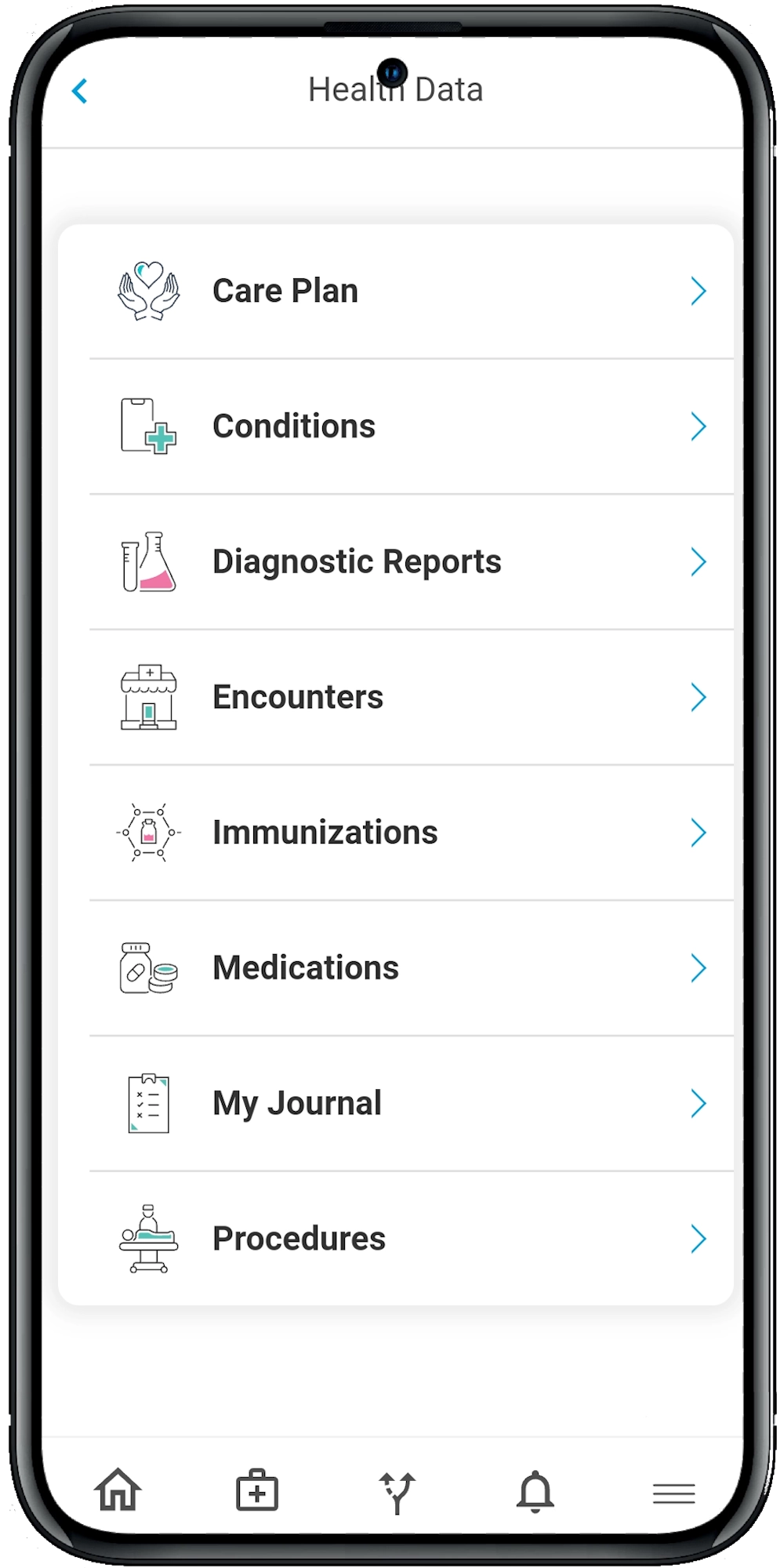
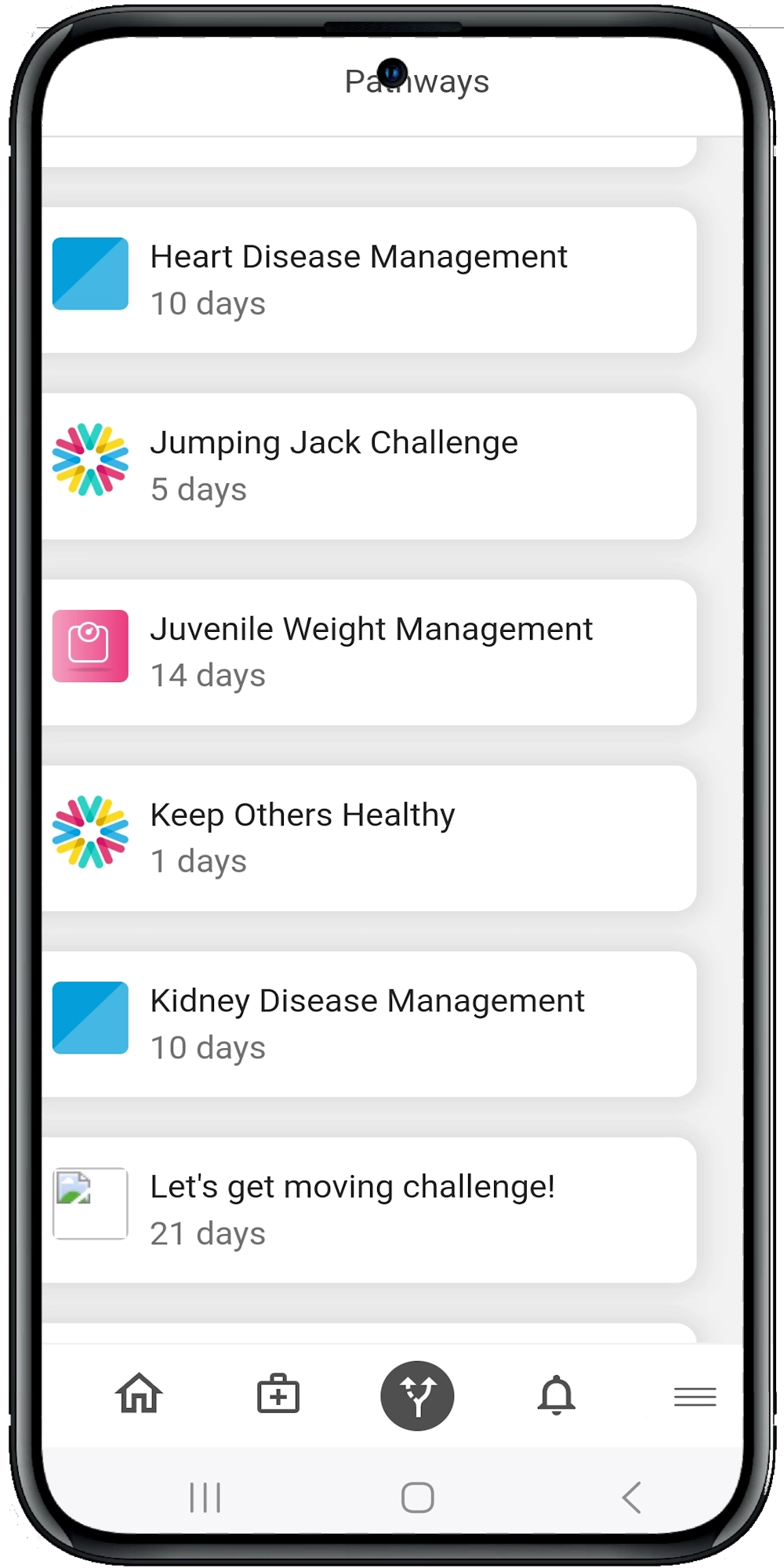
Digital health platforms like Calcium Health’s Super App are transforming how ACOs support patients between visits. With customizable digital pathways, patients get daily guidance, reminders, check-ins, and educational content—all personalized to their health goals or condition.
These aren’t just glorified to-do lists. Calcium’s pathways can:
- Trigger reminders for medications, vitals, or exercises
- Offer symptom tracking and real-time feedback
- Provide educational videos and articles
- Send motivational messages to boost engagement
- Allow secure data sharing with providers and caregivers
Imagine being able to monitor pathway completion, adherence trends, and reported symptoms—all without waiting for the next appointment.
With this type of continuous digital engagement, care becomes proactive, not reactive.
5. Addressing Behavioral and Social Needs Together
If you’re only managing a patient’s medical conditions, you’re missing half the picture.
Social drivers—like housing, food, or transportation—have massive impacts on care outcomes. Add untreated behavioral health needs, and you’ve got a recipe for avoidable hospitalizations.
Successful ACOs are learning to treat the whole person, not just the diagnosis. That means:
- Screening for social needs during intake
- Embedding behavioral health professionals in care teams
- Using community health workers to help patients access services
- Offering digital mental health pathways (yes, Calcium does this too)
In fact, the pediatric ACO study found that children with behavioral diagnoses saw faster reductions in ER visits once enrolled in care management. That’s not a coincidence—it’s what happens when emotional and environmental factors are finally addressed (Schiavoni et al., 2023).
The Common Thread: Consistency, Technology, and Patient-Centered Design
Across all the research, one message rings clear: It’s not just about doing more—it’s about doing the right things, consistently, with the right support.
Whether it’s predictive analytics, team-based care, digital pathways, or social services, the best ACO care management programs are:
- Data-driven
- Digitally enabled
- Patient-first
- Built for real-world execution
So before launching another care management initiative, ask yourself: Are we set up to actually deliver on the promise—or just going through the motions?
With the right tools and commitment to fidelity, ACOs can move from reactive coordination to proactive transformation—and finally see the measurable impact that value-based care was designed to achieve.
The Wrap
Effective ACO care management isn’t just a goal—it’s a necessity for delivering better outcomes and achieving true value in healthcare. As we’ve seen, success comes from combining data-driven insights, consistent execution, and digital tools that empower both patients and care teams.
The strategies outlined here aren’t theoretical—they’re backed by real-world results from forward-thinking ACOs across the country. But to bring these strategies to life, you need a platform designed for today’s challenges and tomorrow’s possibilities.
That’s where Calcium Health comes in. Our digital health platform is built to help ACOs streamline care management, boost patient engagement, and scale personalized care across populations. Whether you’re managing chronic conditions, coordinating complex teams, or tackling social determinants, Calcium equips you with the tools to make it all work—seamlessly.
Reference
- Bleser, W. K., Saunders, R. S., Winfield, L., Japinga, M., Smith, N., Kaufman, B. G., Crook, H. L., Muhlestein, D. B., & McClellan, M. (2019). ACO Serious Illness Care: Survey And Case Studies Depict Current Challenges And Future Opportunities. Health Affairs, 38(6), 1011–1020. https://doi.org/10.1377/hlthaff.2019.00013
- O’Hara, N., Tran, O. C., Phatakwala, S., Cattrell, A., & Ajami, Y. (2020). Effective care management by Next Generation accountable care organizations. The American Journal of Managed Care, 26(7), 301–307. https://doi.org/10.37765/ajmc.2020.43759
- Schiavoni, K. H., Flom, M., Blumenthal, K. J., Orav, E. J., Hefferon, M., Maher, E., Boudreau, A. A., Giuliano, C. P., Chambers, B., Mandell, M. H., Vienneau, M., Mendu, M. L., & Vogeli, C. (2023). Cost, Utilization, and Patient and Family Experience With ACO-Based Pediatric Care Management. Pediatrics, 152(6), e2022058268. https://doi.org/10.1542/peds.2022-058268
- Ouayogodé, M. H., Mainor, A. J., Meara, E., Bynum, J. P. W., & Colla, C. H. (2019). Association Between Care Management and Outcomes Among Patients With Complex Needs in Medicare Accountable Care Organizations. JAMA Network Open, 2(7), e196939. https://doi.org/10.1001/jamanetworkopen.2019.6939