Türkiye’de bahis severler için en çok tercih edilen bettilt giriş adreslerden biri olmaya devam ediyor.
Curacao lisanslı platformlar arasında güvenilirlik açısından üst sıralarda bahsegel giriş yer alan, uluslararası denetimlerden başarıyla geçmiştir.
Kazançlı bahis deneyimi arayan herkes için bettilt doğru seçimdir.
Rulet masalarında en çok tercih edilen bahis türleri arasında kırmızı/siyah ve tek/çift seçenekleri yer alır; pinco giriş bu türleri destekler.
Basketbol tutkunları için en iyi kupon fırsatları bettilt sayfasında yer alıyor.
Understanding the Benefits of Guided Digital Pathways – the Must-Have App for Value-Based Care Patients
As value-based care (VBC) continues to transform the way providers are measured and reimbursed, the need for continuous, real-world patient support has never been greater. Managing chronic conditions, preventing complications, boosting adherence — it all comes down to keeping patients actively engaged outside of traditional appointments.
But how do you reach patients where they are, every day, without overwhelming your staff? The answer isn’t more phone calls or paperwork. It’s smarter technology that fits into patients’ lives and quietly drives better outcomes.
Guided digital pathways are leading this shift, offering an innovative way to turn everyday interactions into powerful tools for preventive care, behavioral health management, and chronic disease control. If you’re serious about succeeding under VBC, it’s time to rethink your toolkit — starting with the right digital strategy.
First, What Are Guided Pathways?
What exactly are guided digital pathways, and why are they suddenly becoming the secret weapon for success in value-based care (VBC)?
Simply put, guided digital pathways are personalized, interactive care plans delivered through mobile health apps. They help patients stay on track daily with medications, vitals, symptom tracking, education, and even motivational nudges. Unlike old-school health apps that just collect data, these pathways act more like a digital coach, guiding patients every step of the way.
Think of it like GPS for your health. Instead of wandering around hoping you’re heading in the right direction, guided pathways offer turn-by-turn directions, daily reminders, and even warnings when you start drifting off course. It’s healthcare navigation made simple and intuitive.
So, why should guided pathways matter to providers working in a VBC environment? Let’s break it down.
Why Guided Pathways Are Critical for VBC Success
Value-based care flips the script. Instead of being paid for every visit or test, providers are now rewarded for keeping patients healthier, reducing costs, and improving outcomes. In this environment, patient behavior between visits matters more than ever.
Guided digital pathways are the bridge between clinic visits. They empower patients to:
- Manage their health daily, not just when they’re sitting in a waiting room
- Record symptoms and health metrics in real-time
- Stay engaged and motivated with small, daily wins
By delivering education, support, and reminders around the clock, guided pathways can dramatically boost medication adherence, appointment attendance, and treatment plan compliance — all critical metrics in VBC.
And here’s the real kicker: real-time data collected through guided pathways gives providers an early-warning system. Subtle changes in weight, blood sugar, mood, or blood pressure can be spotted early, preventing costly ER visits or hospitalizations.
Top Benefits of Using a Guided Digital Pathway App for VBC Patients
When you adopt a guided pathway app for your VBC patients, you unlock a lot more than just convenience. Here are some of the biggest benefits providers are seeing:
- Improved Patient Engagement. Patients are no longer passive participants. Daily check-ins, educational nudges, and motivational messages turn health management into an active, two-way conversation.
- Higher Medication Adherence Rates. Forgetting pills is one of the most common reasons treatments fail. Automated, personalized reminders delivered at just the right time make it much harder for patients to fall off track.
- Personalized Care at Scale. Every patient is unique, but creating custom plans manually is impossible at scale. AI-powered pathways solve this by adjusting tasks, reminders, and goals automatically based on patient needs.
- Behavioral Health Support. Behavioral health can’t be overlooked in a VBC model. Guided pathways help patients manage anxiety, depression, stress, and addiction with daily emotional health check-ins and coping strategy reminders.
- Real-Time Risk Stratification. Guided apps constantly monitor patient inputs and behaviors, helping you identify high-risk patients before they end up in crisis.
- Stronger Patient-Provider Collaboration. Secure messaging features and shared pathway progress foster better communication and transparency between visits.
- Meeting Quality Metrics. By improving adherence, education, and early detection, guided pathways help practices hit those crucial HEDIS and STAR rating goals, unlocking better reimbursements and bonuses.
Key Features to Look for in a VBC-Optimized App
Not every health app is created equal. When it comes to supporting your VBC goals, here are the features you should demand:
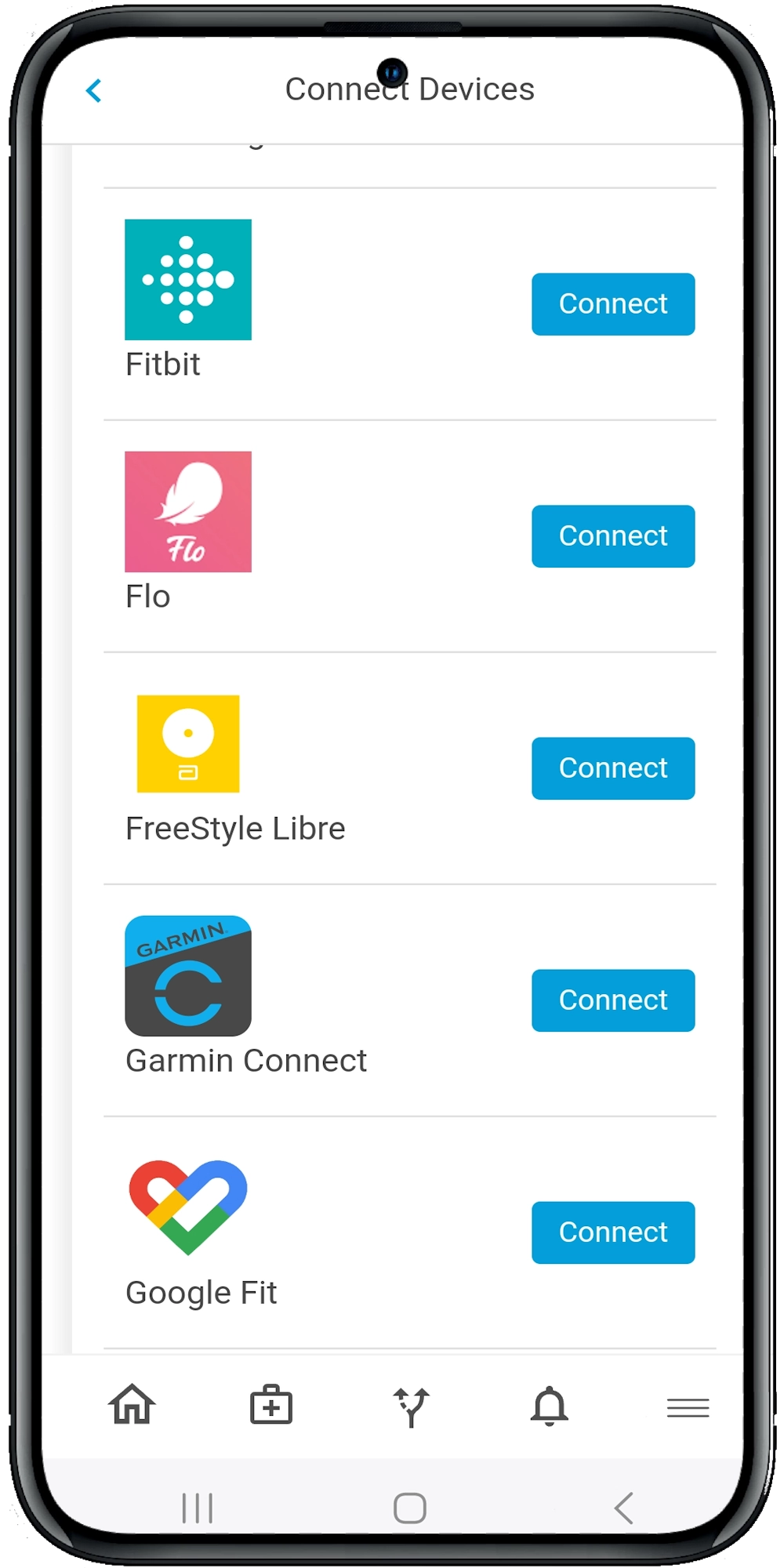
- Multi-Source Data Integration. Look for apps that can integrate EHR data, wearable device outputs, and patient-reported information seamlessly.
- HIPAA-Compliant Communication. If you’re sharing sensitive health data, it must be secure. End-to-end encryption and HIPAA compliance aren’t negotiable.
- Customizable Digital Pathways. Whether it’s managing diabetes, preventing readmissions, supporting mental health, or promoting preventive screenings, the app should offer flexible, customizable pathways.
- Real-Time Analytics. Dashboards for providers should give you instant visibility into who’s thriving and who’s struggling.
- Family and Caregiver Sharing Health journeys often involve a circle of support. The best apps let patients share their progress with family members or caregivers.
- Scalability. Whether you’re a small primary care office or a sprawling multi-specialty group, the app should grow with you without breaking the bank.
Case Example: How Guided Digital Pathways Impact Patient Outcomes
Imagine Sarah, a 55-year-old woman living with diabetes, hypertension, and mild depression. Without structured daily support, Sarah’s health feels like a moving target. Her A1C is creeping up, her blood pressure is unstable, and she sometimes skips her antidepressants.
Now picture Sarah enrolled in a guided digital pathway program through her provider’s app. Every morning, she receives a reminder to check her blood sugar. The app nudges her to take a short walk after lunch, sends a motivational message about her progress, and reminds her to refill her prescriptions on time. Sarah records her mood daily, allowing her care team to notice and intervene early when she begins feeling more down than usual.
Six months later, Sarah’s A1C has dropped by 1.2 points, her blood pressure is stable, and she’s reported fewer depressive episodes. Most importantly? Sarah hasn’t been to the ER once during that time, and her overall health costs have plummeted.
Stories like Sarah’s aren’t rare — they’re becoming the norm for practices that embrace guided digital pathways.
Why the Calcium Super App Is the Must-Have Solution for VBC Healthcare Providers
Among the many options available, the Calcium Super App stands out as the smart choice for VBC providers. Here’s why:
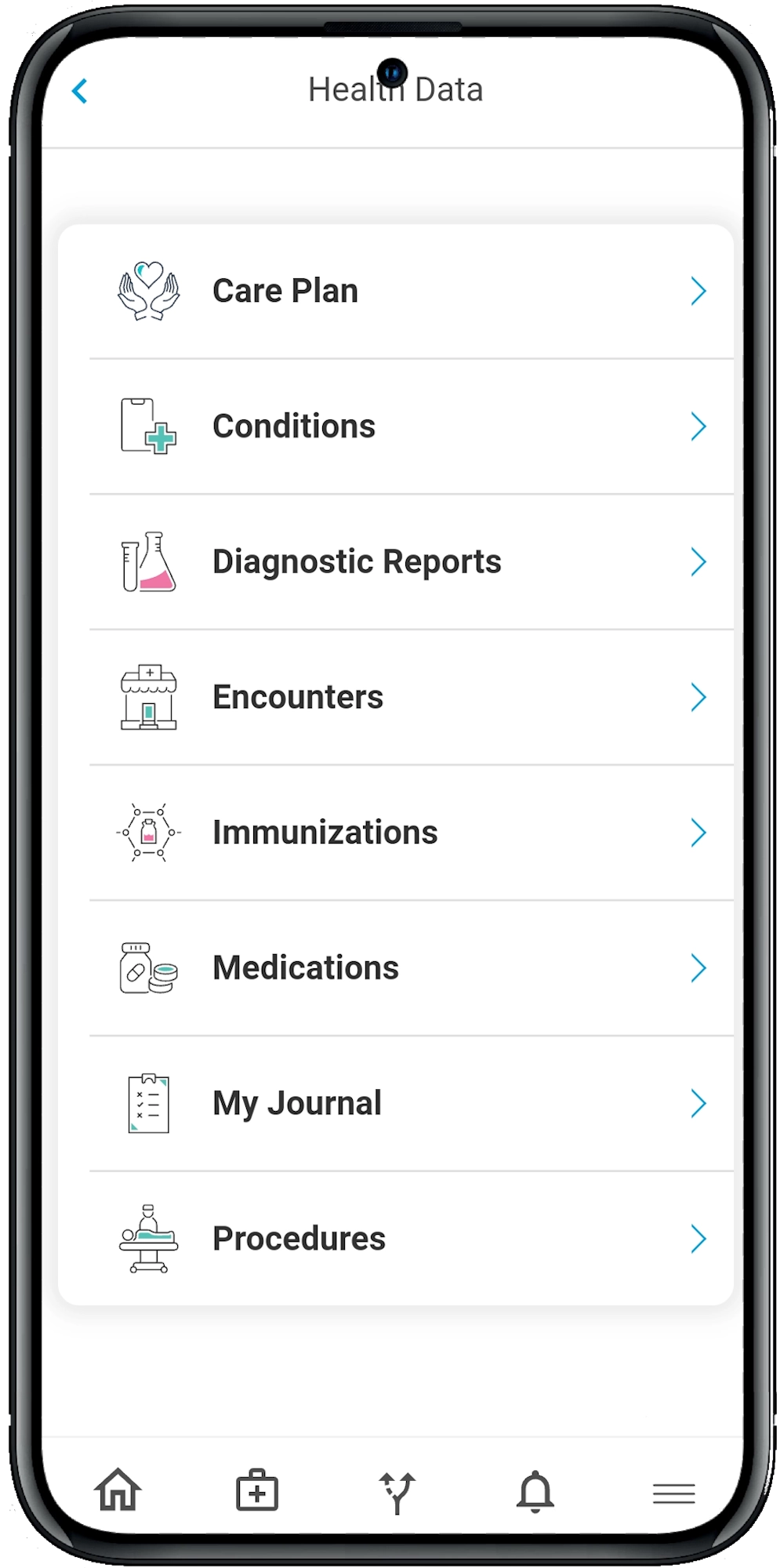
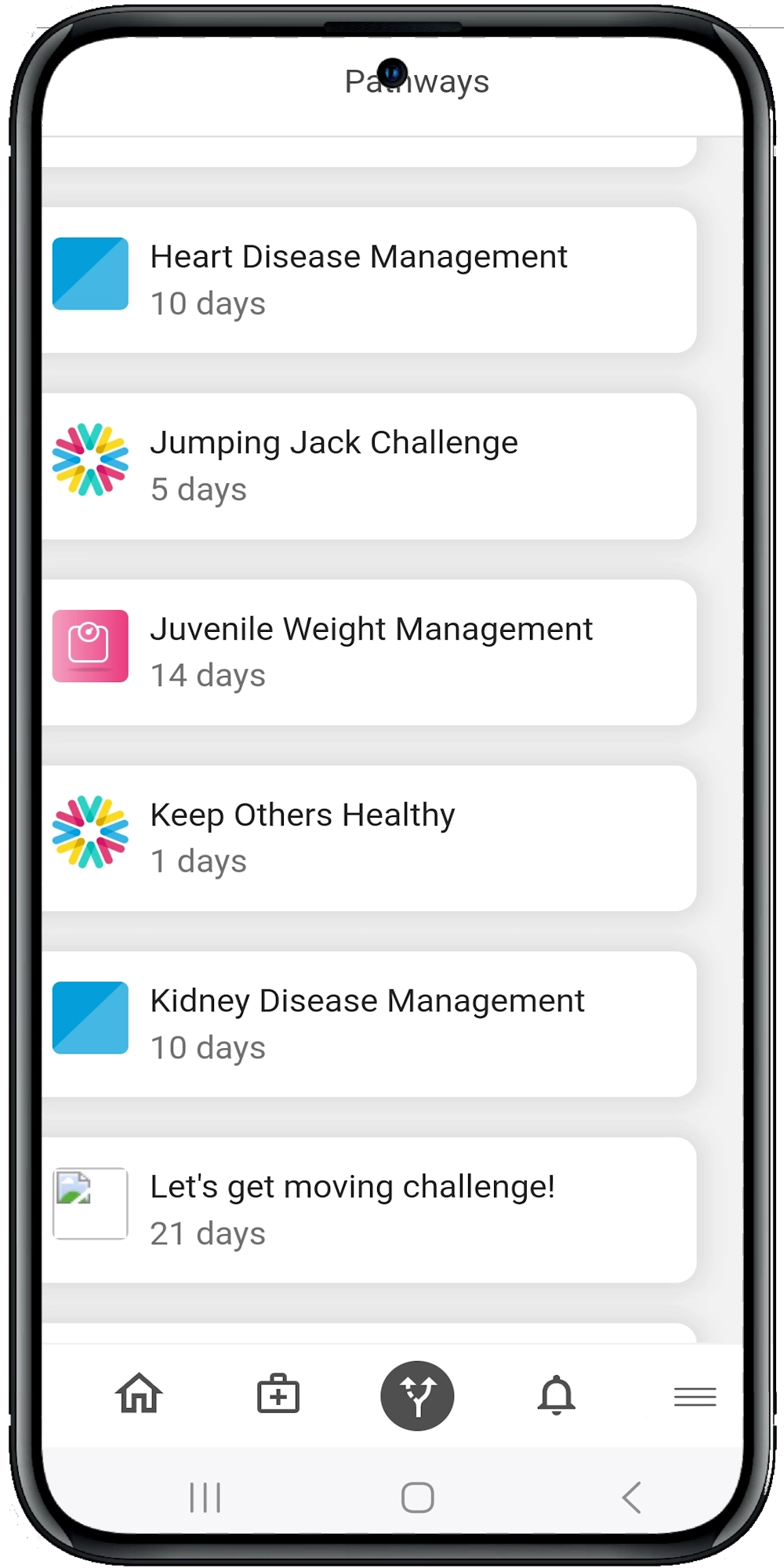
- It offers hundreds of AI-generated and expert-curated pathways across chronic conditions, preventive care, mental health, fitness, and wellness.
- It integrates seamlessly with Apple Health, Google Fit, remote monitoring devices, and EHR systems.
- Providers can monitor real-time adherence, pathway completion, vitals trends, and risk flags through Calcium Core dashboards.
- Patients and providers can securely share data, messages, and pathway updates with the tap of a finger.
- The app is easy to use, visually intuitive, and accessible for patients of all tech literacy levels.
Think of Calcium as the digital health equivalent of a smart coach, a care navigator, and a supportive friend all rolled into one. In the complex, high-pressure world of VBC, it’s not just an app; it’s your new secret weapon
The Wrap
Guided digital pathways are quickly becoming essential for any provider serious about thriving in value-based care. They offer the daily structure, real-time insights, and personalized support that patients need to stay on track and providers need to succeed.
In a world where healthcare is measured by outcomes, not activity, it’s the smart practices — the ones who embrace technology that empowers patients — who will come out ahead. If you’re ready to take your VBC strategy to the next level, it’s time to see what a truly patient-centered digital solution can do for you.
Reference
- Karalis, V. D. (2024). A Vector Theory of Assessing Clinical Trials: An Application to Bioequivalence. Journal of Cardiovascular Development and Disease, 11(7), 185–185. https://doi.org/10.3390/jcdd11070185
- Barlow, L., Partington, M., Doncaster, G., O’Gorman, J., & Nelson, L. (2024). The strategic delivery of video-based coaching: A season-long investigation in one English youth soccer academy. International Journal of Sports Science & Coaching, 19(5), 1897–1904. https://doi.org/10.1177/17479541241256492
- Chen, J., Ren, Y., Li, H., Yang, W., Wu, Q., Zhao, Y., Jiao, Q., Lu, Y., & Shi, D. (2020). Structural Regulation of Magnetic Polymer Microsphere@Ionic Liquids with an Intermediate Protective Layer and Application as Core–Shell–Shell Catalysts with High Stability and Activity. ACS Omega, 5(36), 23062–23069. https://doi.org/10.1021/acsomega.0c02777
- Apps, R., Hawkes, R., Aoki, S., Bengtsson, F., Brown, A. M., Chen, G., Ebner, T. J., Isope, P., Jörntell, H., Lackey, E. P., Lawrenson, C., Lumb, B., Schonewille, M., Sillitoe, R. V., Spaeth, L., Sugihara, I., Valera, A., Voogd, J., Wylie, D. R., & Ruigrok, T. J. H. (2018). Cerebellar Modules and Their Role as Operational Cerebellar Processing Units. The Cerebellum, 17(5), 654–682. https://doi.org/10.1007/s12311-018-0952-3