Türkiye’de bahis severler için en çok tercih edilen bettilt giriş adreslerden biri olmaya devam ediyor.
Curacao lisanslı platformlar arasında güvenilirlik açısından üst sıralarda bahsegel giriş yer alan, uluslararası denetimlerden başarıyla geçmiştir.
Kazançlı bahis deneyimi arayan herkes için bettilt doğru seçimdir.
Rulet masalarında en çok tercih edilen bahis türleri arasında kırmızı/siyah ve tek/çift seçenekleri yer alır; pinco giriş bu türleri destekler.
Basketbol tutkunları için en iyi kupon fırsatları bettilt sayfasında yer alıyor.
Transforming Complex Care into High-Performance Health Systems
What if healthcare actually rewarded providers for keeping people healthy—not just treating them when they’re sick? That’s the bold promise behind Accountable Care Organizations, or ACOs. These care models are changing the rules of the game by aligning incentives around outcomes, not procedures.
But let’s be real: building an ACO isn’t easy. It demands new ways of thinking, tighter collaboration, and tech tools that actually work in the real world.
As more systems shift toward value-based care, launching and managing an ACO has become both a strategic priority and a steep learning curve. Whether you’re starting from scratch or trying to breathe new life into an existing structure, navigating the complexity can feel overwhelming. That’s why we created this practical guide—to help healthcare leaders, providers, and innovators take action, avoid common pitfalls, and build ACOs that deliver on their promise: better care, smarter spending, and healthier communities. Ready to get started? Let’s dive in
Building Your ACO: Step-by-Step Framework
If you’re serious about launching an Accountable Care Organization (ACO), you’ll need more than a mission statement and a hope to reduce costs. Success starts with getting the foundation right. Let’s walk through the building blocks.
1. Define Your Organizational Structure and Governance
Think of your ACO as a team sport. You’ll need a clear playbook, defined roles, and shared accountability. This starts with choosing the right legal and operational structure. Will your ACO be physician-led, hospital-led, or a joint venture?
Establishing a governing body is also a must. CMS requires it, and it’s where the rubber meets the road for decision-making. Ideally, this board includes physicians, administrators, and patients. Yes—patients. Including them isn’t just regulatory window-dressing; it helps keep the ACO truly patient-centered (Walker et al., 2017).
2. Form Strategic Partnerships
ACOs live or die by how well they collaborate. It’s not just about aligning with primary care providers. You’ll also need strong connections with:
- Specialist physicians
- Behavioral health professionals
- Skilled nursing facilities
- Post-acute care providers
- Community organizations
Why does this matter? Because fragmented care is expensive, and patients often fall through the cracks when providers don’t talk to each other. The strongest ACOs build bridges, not silos (Lewis et al., 2013).
3. Design Financial Models That Drive Behavior
The heart of an accountable care organization is shared risk. But that doesn’t mean everyone is comfortable with it.
To keep providers engaged, you’ll need clear, fair financial incentives. That includes:
- Transparent cost benchmarks
- Gainsharing formulas
- Bonuses for meeting quality metrics
- Downside risk models (if your organization is ready)
In the early years, performance might dip as the team adjusts. Studies, like those from the Pioneer ACO program, showed that nearly half of early adopters experienced losses or dropped out entirely (Fisher et al., 2012). So set expectations realistically, and build in safety nets where needed.
Addressing the Big Challenges ACOs Face
Even with a solid foundation, ACOs can quickly run into roadblocks. Let’s explore the most common ones—and how you can overcome them.
1. Dealing with Fragmented Data
You can’t manage what you can’t measure. And for many ACOs, patient data lives in silos—EHRs, pharmacies, labs, wearables, even home health devices. Trying to pull all that together is like herding cats.
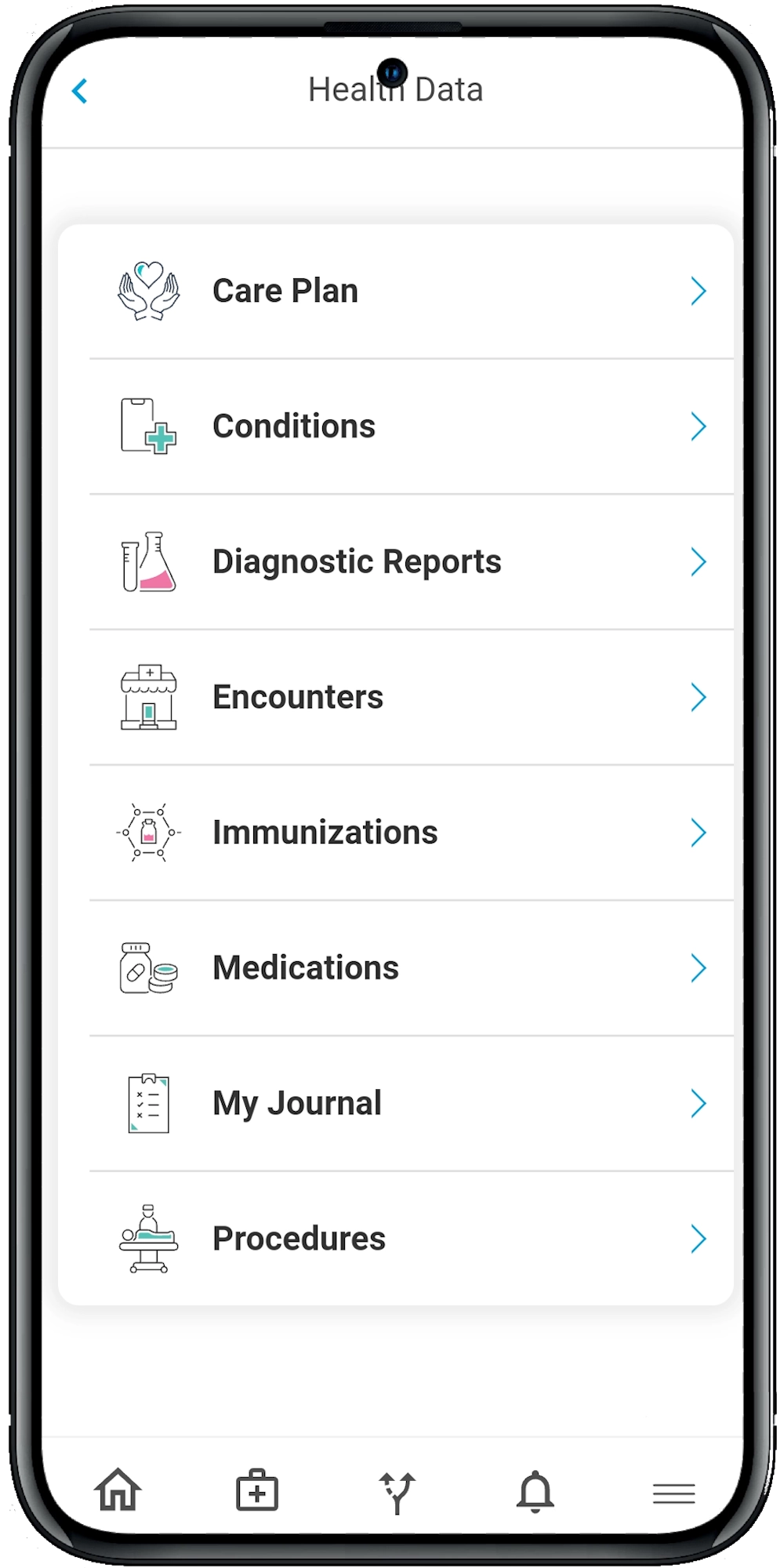
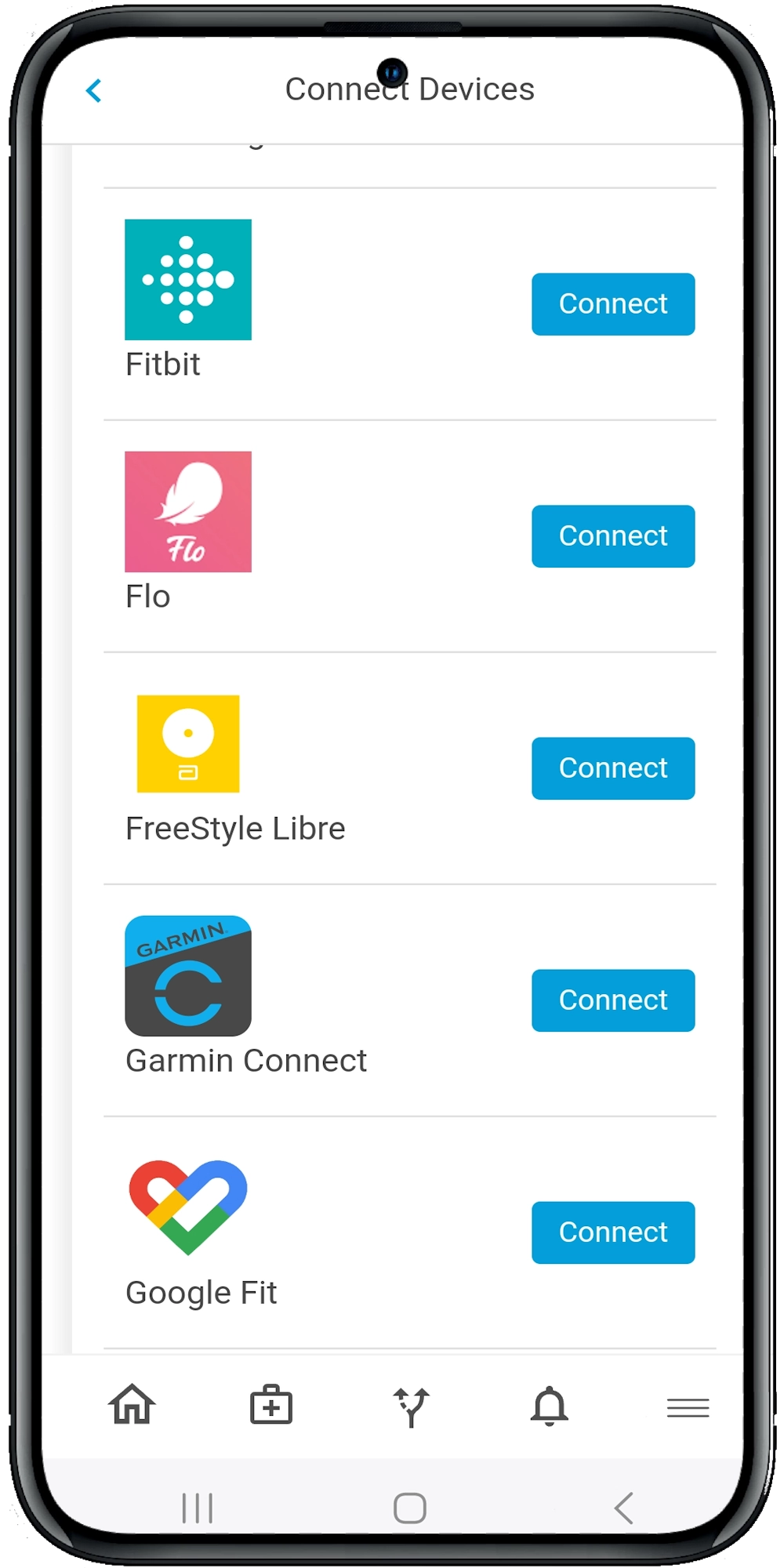
Solution: A unified digital health platform like Calcium can make this easier. With the Calcium Core dashboard, you get a 360° view of each patient by aggregating:
- EHR data
- Medical device readings
- Health app inputs (Apple Health, Google Fit, etc.)
- Vitals and personal notes from the patient’s own app
Now everyone—from care coordinators to specialists—can work from the same playbook.
2. Engaging Patients in Their Own Health
Let’s be honest: most patients don’t wake up thinking about quality metrics. If your accountable care organization relies on passive patients, it’ll struggle to hit targets like medication adherence or preventive screenings.
So how do you turn patients into partners?
Solution: The Calcium Super App empowers patients to manage their own health journey. It offers:
- Medication reminders
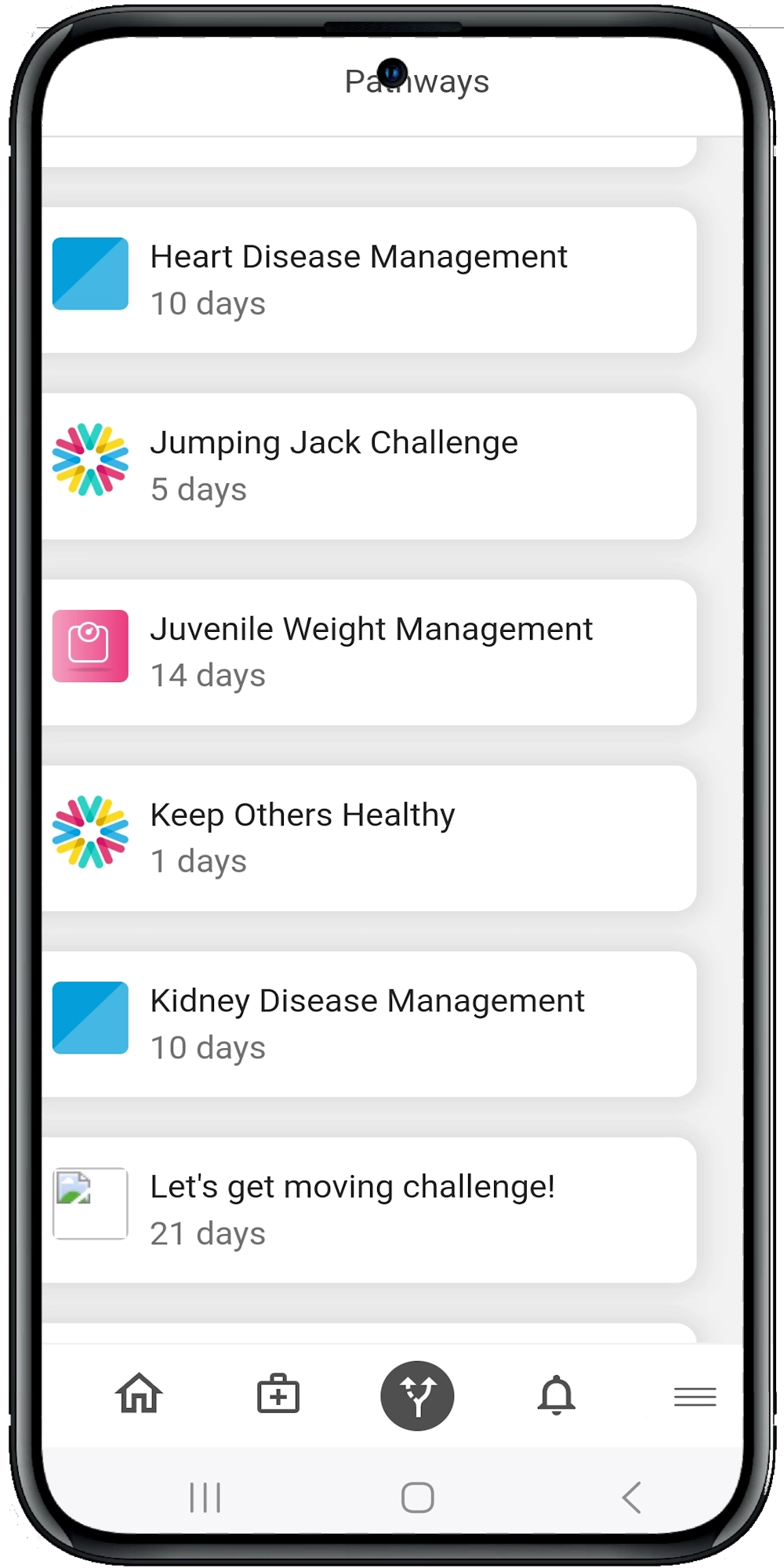
- Digital care plans (Pathways)
- Vitals tracking synced with devices
- Secure messaging with care teams
It’s like giving your patients a GPS for their health. And when patients have the tools and confidence to steer, outcomes improve (Walker et al., 2017).
3. Closing the Learning Gap
ACO success requires something many healthcare groups aren’t used to: deliberate, continuous learning. Framing the ACO journey as a learning process—rather than a quick fix—leads to stronger, more adaptable teams (Nembhard and Tucker, 2016).
But learning takes time, and during that time, performance might actually get worse before it gets better.
Solution: Use AI to help your team learn faster. Calcium’s AI Studio lets providers build, test, and deploy digital care pathways. You can:
- Run pilot programs
- Iterate based on real-time feedback
- Track which steps drive results
- Assign personalized pathways to patients
This kind of adaptive learning keeps your ACO agile and ahead of the curve.
4. Financial Risk and Delayed ROI
Many ACOs face a financial cliff in their early years. You’re expected to invest in care coordinators, tech platforms, and performance analytics—long before the shared savings checks arrive.
Solution: Plan for a 3-to-5-year return horizon. Use the first year to invest in infrastructure and workforce transformation. Use the second to refine workflows. By year three, savings should begin to materialize if you’ve built the right foundation.
Success is influenced by factors such as local context, organizational readiness, and the structure of payment contracts, all of which should guide how you plan your ACO’s development and ramp-up (Fisher et al., 2012).
5. Coordinating Care Across Organizations
Your ACO isn’t one building. It’s a network. That’s why cross-functional teams are essential—and also why they’re hard to manage.
Studies show that ACOs with stable, diverse teams perform better, especially when those teams include frontline voices and patient feedback (Walker et al., 2017) .
Solution: Use tools that promote team collaboration and shared visibility. Calcium’s chat and alert systems, for example, help everyone stay in the loop—from PCPs to specialists to care managers.
Need to flag a rising blood pressure trend? Set an alert. Want to share lab results or a journal entry? It’s one click away.
Managing and Measuring Performance Over Time
Launching your ACO is just the beginning—managing performance is where the real challenge (and opportunity) begins.
A. Track What Matters
Don’t drown in dashboards. Focus on metrics that reflect both performance and patient value, such as:
- Hospital readmission rates
- Emergency department utilization
- Medication adherence
- Patient satisfaction (CAHPS)
- HEDIS and CMS quality benchmarks
Use platforms like Calcium to generate real-time performance reports that drive action, not just sit in a dashboard.
B. Identify At-Risk Patients Early
One of the most powerful capabilities in modern ACOs is predictive analytics. With data flowing in from wearables, apps, and provider notes, you can identify red flags before they become costly episodes.
Let’s say a diabetic patient stops logging their glucose levels and skips pathway check-ins. That’s not just noncompliance—it’s a signal. Calcium’s alert system can flag it, so a care manager can step in quickly.
C. Adapt Your Care Pathways Continuously
Care isn’t one-size-fits-all. That’s why digital pathways need to be dynamic. With Calcium, providers can adjust:
- Task frequency
- Education content
- Check-in prompts
- Motivational messages
It’s like tuning a health plan in real time based on how the patient is responding.
Sustaining and Scaling Your ACO
Success isn’t just about launch day—it’s about staying effective year after year.
Here’s how smart accountable care organizations maintain momentum:
- Commit to ongoing learning: Make time for team reflection and iteration.
- Foster a culture of safety: Encourage feedback from every level.
- Invest in behavioral and preventive care: These are your long-term savings engines.
- Customize care by community: Urban, rural, Medicaid, Medicare—all need tailored solutions.
Digital care pathways make that kind of personalization scalable, helping you serve diverse populations without burning out your teams.
The Wrap
Launching and managing an Accountable Care Organization isn’t just a healthcare project—it’s a long-term commitment to transforming care delivery. It takes vision, collaboration, smart data use, and patient-centered technology to truly succeed.
But when done right, the rewards go far beyond shared savings. You’re building healthier communities, empowering patients, and leading your organization into the future of value-based care. Whether you’re just getting started or refining an existing ACO, the right digital tools can make all the difference.
The Calcium digital health platform is purpose-built to support ACOs at every stage—with powerful features for data integration, care coordination, patient engagement, and real-time analytics.
Reference
Nembhard, I. M., & Tucker, A. L. (2016). Applying Organizational Learning Research to Accountable Care Organizations. Medical Care Research and Review, 73(6), 673–684. https://doi.org/10.1177/1077558716640415
Lewis, V. A., Colla, C. H., Carluzzo, K. L., Kler, S. E., & Fisher, E. S. (2013). Accountable Care Organizations in the United States: Market and Demographic Factors Associated with Formation. Health Services Research, 48(6pt1), 1840–1858. https://doi.org/10.1111/1475-6773.12102
Walker, D. M., Hefner, J. L., Sova, L. N., Hilligoss, B., Song, P. H., & McAlearney, A. S. (2017). Implementing Accountable Care Organizations. Journal of Healthcare Management, 62(6), 419–431. https://doi.org/10.1097/jhm-d-16-00021
Fisher, E. S., Shortell, S. M., Kreindler, S. A., Van Citters, A. D., & Larson, B. K. (2012). A Framework For Evaluating The Formation, Implementation, And Performance Of Accountable Care Organizations. Health Affairs, 31(11), 2368–2378. https://doi.org/10.1377/hlthaff.2012.0544