Türkiye’de bahis severler için en çok tercih edilen bettilt giriş adreslerden biri olmaya devam ediyor.
Curacao lisanslı platformlar arasında güvenilirlik açısından üst sıralarda bahsegel giriş yer alan, uluslararası denetimlerden başarıyla geçmiştir.
Kazançlı bahis deneyimi arayan herkes için bettilt doğru seçimdir.
Rulet masalarında en çok tercih edilen bahis türleri arasında kırmızı/siyah ve tek/çift seçenekleri yer alır; pinco giriş bu türleri destekler.
Basketbol tutkunları için en iyi kupon fırsatları bettilt sayfasında yer alıyor.
What ASC Leaders Need to Know About Leveraging Data for Safer, Smarter Recovery
Outcomes are no longer just the surgeon’s concern they’re the new currency of success in Ambulatory Surgery Centers (ASCs). In today’s value-based environment, patient satisfaction, complication rates, and recovery timelines can directly impact your bottom line, your reputation, and your reimbursement. Yet many ASCs are still flying blind, relying on paper protocols and post-op calls to manage increasingly complex patients.
So what’s missing? Actionable data. The kind that alerts your team to red flags, empowers your patients to recover confidently, and gives administrators a real-time view of performance. Whether you’re running a small orthopaedic center or a multi-speciality ASC, you need more than intuition to drive quality you need a system that thinks ahead.
If your ASC wants to move from reactive to predictive care, this post is your playbook.
Why Patient Outcomes in ASCs Are Under Pressure
Ambulatory Surgery Centers (ASCs) have transformed how Americans receive surgical care. With more than 70% of surgeries now performed in outpatient settings, ASCs are fast, efficient, and cost-effective. But there’s a catch higher volumes, more complex cases, and tighter margins also mean less room for error.
Today’s ASCs face increasing scrutiny from patients, payers, and regulators. Everyone—from CMS to commercial insurers is asking the same question. How well are you keeping your patients safe, satisfied, and on track to recover?
Unfortunately, many ASCs aren’t equipped with the tools to answer that confidently.
7 Barriers That Stand in the Way of Better Outcomes
Improving patient outcomes in ASCs sounds straightforward. But when you dig into the daily realities, it’s easy to see why gaps persist. Based on current research and national quality initiatives, here are the most common barriers standing in the way.
1. Infection Control Still Isn’t Standardised
Despite advances, infection prevention remains inconsistent across ASCs. A large AHRQ-funded project involving 665 centers found that adapting hospital-style checklists to outpatient workflows required significant customisation. Without a culture of safety and consistent protocols, preventable complications like SSIs can slip through.
2. Weak Postoperative Monitoring
Most ASCs discharge patients the same day, but what happens after they walk out the door? Without a digital link to track symptoms, pain, or adverse events, problems like dehydration or surgical site concerns often go unnoticed until they require emergency care.
3. Preoperative Gaps for High-Risk Patients
More ASCs are serving older adults and patients with comorbidities. Yet many still lack standardised pre-op evaluation tools. As Dr. Girish Joshi emphasised, optimising high-risk patients before surgery is essential, but often overlooked due to limited time or fragmented data systems.
4. Communication Silos Among Providers
When nurses, anesthesiologists, and surgeons operate on different platforms—or worse, paper it’s no surprise that details get lost. Poor handoffs, delayed test results, or missed medication notes can all affect recovery quality.
5. Patients Aren’t Fully Engaged
Think most patients read their discharge instructions? Think again. Studies show that misunderstanding post-op care is common, especially among older adults or those with low health literacy. And without digital reinforcement, adherence to recovery plans is hit-or-miss.
6. Data Exists, But Isn’t Actionable
ASCs generate a lot of data, but it’s often locked in EHRs, inaccessible across teams, or not connected to outcomes. That means opportunities for early intervention or predictive insights are lost in the noise.
7. Quality Improvement Feels Generic
Most ASC teams want to improve, but when QI programs feel like hospital hand-me-downs, staff disengage. One-size-fits-all frameworks often miss the mark in leaner, faster ASC environments.
The Power of a Data-Driven Model in ASCs
So, what does a modern, outcome-focused ASC look like? It’s digital, connected, and built around data that actually drives care. Here’s how.
Real-Time Monitoring Keeps Recovery on Track
Instead of crossing your fingers after discharge, digital tools now allow ASCs to stay connected with patients at home. Imagine a simple app or SMS system that prompts patients to report pain levels, wound symptoms, or appetite each day.
If a patient reports increasing redness or a low appetite post-hernia repair, staff can intervene before it escalates. It’s like having a virtual nurse by the bedside—without the overhead.
Smarter Pre-Op Planning
A data-driven ASC doesn’t just schedule surgeries it screens and stratifies risk. By pulling from patient history, comorbidities, and even previous recovery patterns, digital platforms can flag patients who need special anaesthesia plans or extra recovery time.
This is especially critical for older patients or those undergoing orthopaedic and GI procedures, which studies show have higher rates of post-op pain and delayed return to normal activity.
Predictive Analytics Identify Who Needs Help—Before They Ask
Some patients recover quickly. Others don’t. Using past data, ASCs can now predict which patients are likely to experience complications, slow wound healing, or need extra follow-up. It’s not science fiction it’s just applied intelligence.
For instance, by tracking pain scores, nausea incidents, and satisfaction feedback from similar cases, ASCs can tailor interventions before issues surface.
Engagement Tools That Actually Engage
The most effective patient education isn’t a packet it’s a push notification. Whether it’s a 30-second video on wound care or a reminder to take medications, mobile-first tools meet patients where they are. And they do it on their timeline, not yours.
Calcium’s digital health platform, for example, sends recovery checklists, daily prompts, and easy feedback surveys—all customised to the patient’s surgery and condition.
Staff Buy-In Through Simplicity
One overlooked truth. data only works if your staff uses it. Platforms designed for ASCs must be lightweight, interoperable, and intuitive. That means fewer logins, automated alerts, and dashboards that surface what’s urgent.
When nurses don’t need to dig through PDFs to track vitals or readmissions, they spend more time doing what matters caring for patients.
How the Calcium Platform Solves These Challenges
Calcium’s unified platform was built with outpatient surgery in mind. It connects the dots between patients, providers, and data, while fitting into the fast-paced workflow of an ASC.
Here’s how it addresses the challenges outlined above.
- Shared Care Plans. Everyone—surgeons, nurses, anaesthesia teams, and even primary care providers—can access the same up-to-date care plan, customised to the patient’s needs.
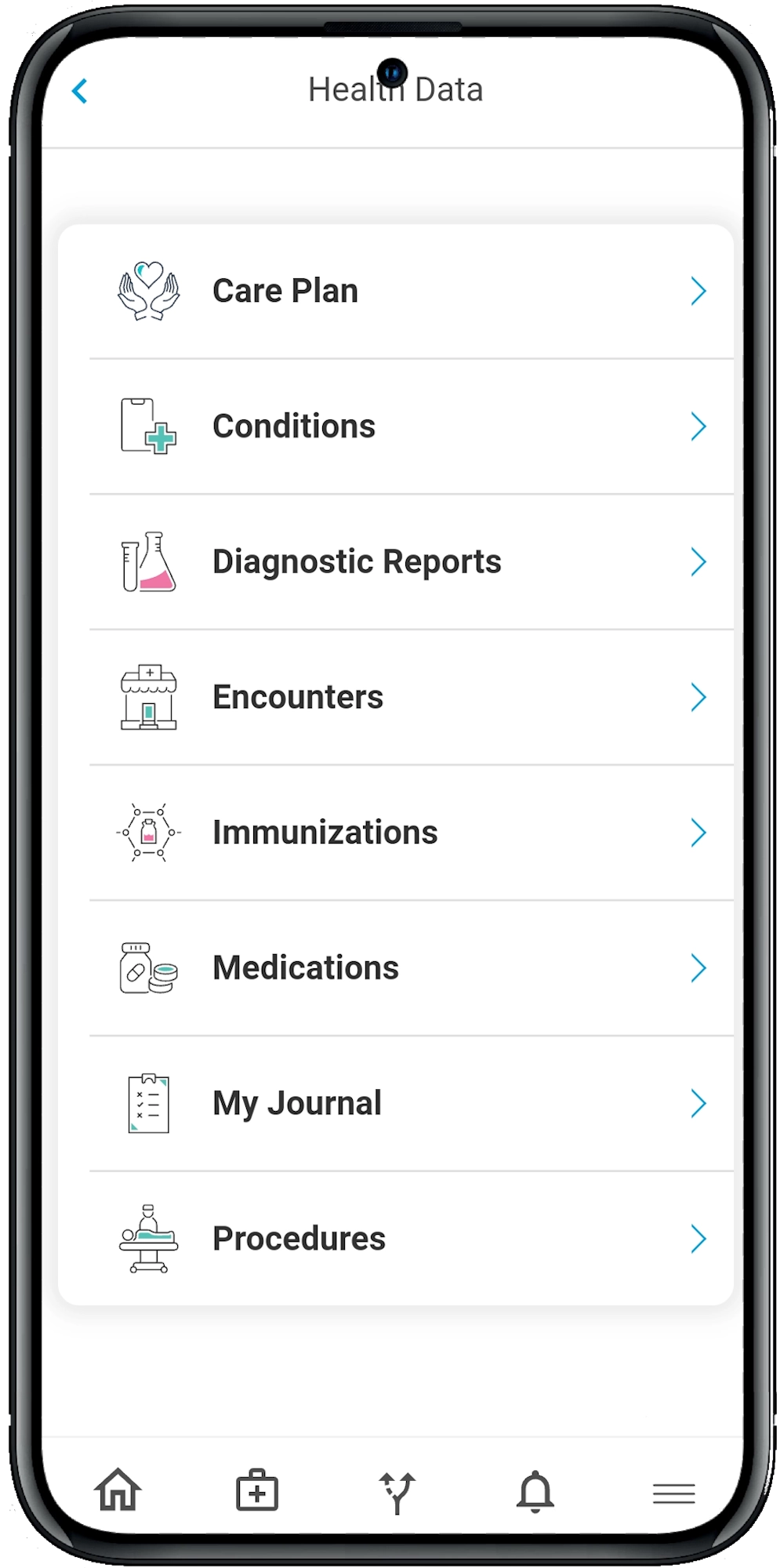
- Digital Recovery Tracking. Patients receive post-op prompts and symptom check-ins through a secure mobile app, which alerts care teams if a response signals concern.
- Preoperative Risk Stratification. Automated risk tools use health history, medications, and prior outcomes to flag patients needing extra prep or specialist clearance.
- Real-Time Alerts and Dashboards. The platform flags abnormal vitals, delayed responses, or pain scores needing attention, keeping clinical teams proactive instead of reactive.
- Patient Satisfaction Monitoring. Feedback tools collect real-time input on pain, comfort, and communication, allowing administrators to address trends before they impact reviews or quality scores.
Moving Beyond Compliance to Better Care
The reality is, regulatory compliance alone won’t guarantee better outcomes. Neither will a wall of spreadsheets or disconnected EHRs. To truly improve, ASCs need systems that actively support care, not just document it.
In a surgical landscape where minutes matter and margins are tight, improving patient outcomes isn’t optional it’s essential. But better outcomes don’t just happen. They’re built on smarter systems, clearer communication, and data that helps your team stay a step ahead.
By embracing a data-driven approach, ASCs can reduce complications, boost patient satisfaction, and streamline recovery all while meeting the growing demands of value-based care.
A modern ASC embraces technology not as a burden, but as an extension of the care team. And that’s where data-driven platforms like Calcium make the difference. Platforms like Calcium aren’t just digital tools they’re clinical partners that help you track, personalise, and optimise every step of the patient journey.
Better outcomes don’t start at the incision they start with better information.
References
- Wong, J., Shah, U., & Wong, D. (2015). Patient satisfaction and positive patient outcomes in ambulatory anesthesia. Ambulatory Anesthesia, 29. https.//doi.org/10.2147/aa.s59820
- Pai, S.-L., Ladlie, B., Locke, K., & Getting, R. G. (2024). Patient-Centered Care for Ambulatory Surgery. International Anesthesiology Clinics, 63(1), 14–22. https.//doi.org/10.1097/aia.0000000000000461
- Evaluations of Care by Ambulatory Surgery Patients . Health Care Management Review. (2025). LWW. https.//journals.lww.com/hcmrjournal/abstract/1999/07000/evaluations_of_care_by_ambulatory_surgery_patients.8.aspx
- Chukmaitov, A., Devers, K. J., Harless, D. W., Menachemi, N., & Brooks, R. G. (2010). Strategy, Structure, and Patient Quality Outcomes in Ambulatory Surgery Centers (1997-2004). Medical Care Research and Review, 68(2), 202–225. https.//doi.org/10.1177/1077558710378523
- Joshi, G. P. (2008). Efficiency in ambulatory surgery center. Current Opinion in Anaesthesiology, 21(6), 695–698. https.//doi.org/10.1097/aco.0b013e328311d1b2
- Davis, K. K., Mahishi, V., Singal, R., Urman, R. D., Miller, M. A., Cooke, M., & Berry, W. R. (2019). Quality Improvement in Ambulatory Surgery Centers. A Major National Effort Aimed at Reducing Infections and Other Surgical Complications. Journal of Clinical Medicine Research, 11(1), 7–14. https.//doi.org/10.14740/jocmr3603w
- Farber, J. (2010). Measuring and Improving Ambulatory Surgery Patients’ Satisfaction. AORN Journal, 92(3), 313–321. https.//doi.org/10.1016/j.aorn.2010.01.017