
DIGITAL HEALTH FOR ORTHOPAEDIC MEDICINE
Better-Connected Orthopaedic Care. From Diagnosis Through Recovery.
Keep patients engaged, stay informed about recovery, and make continuous care more manageable.
Orthopaedic care extends far beyond the exam room, operating room, or PT clinic. Calcium helps physicians and care teams connect patients with personalized digital care pathways, ongoing guidance, recovery check-ins, and relevant health info.
CONNECT THE COMPLETE CARE JOURNEY
Connect the Treatment Plan, the Patient, and the Care Team.
Give your clinical expertise a dependable digital extension beyond every appointment.
A successful orthopaedic treatment plan requires more than a set of instructions delivered during an office visit. Patients need a practical way to understand and follow those instructions, and providers need useful information about progress, barriers, and concerns.
Calcium connects physician-directed care with ongoing patient activity and care-team review. The result is a more structured approach to patient engagement that supports established clinical workflows without replacing professional judgment or direct patient relationships.
Physician Directed Plans
Your clinical team directly sets the treatment goals, approves pathway content, and defines the activities and review criteria appropriate for each patient. Calcium supports the plan without taking treatment decisions away from qualified professionals.
Patient Guided Action
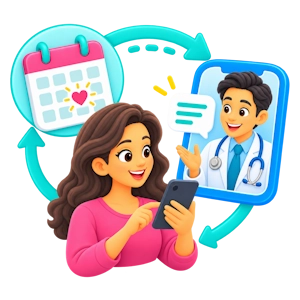
The Super App gives patients scheduled education, reminders, activities, and check-ins they can use between appointments. Their responses create opportunities to communicate progress and questions while supporting more consistent participation in the prescribed plan.
Care Team Review
Calcium Core brings available pathway responses, patient information, and configured alerts into a provider dashboard. Designated staff review what is relevant, decide who needs outreach, and follow the practice's established clinical protocols for follow-up.
THE ORTHOPAEDIC CARE GAP
Great Orthopaedic Care Doesn't End When the Appointment Does
Treatment success depends on what patients do between visits—and what care teams can see.
Orthopaedic physicians develop treatment plans, perform procedures, manage injuries, and guide rehabilitation. But many activities that influence recovery happen at home, where patients must remember instructions, manage symptoms, follow prescribed exercises, and recognize when to ask for help.
Meanwhile, practices must coordinate multiple providers and respond to a steady stream of patient questions with limited staff capacity. These everyday challenges make continuity, communication, and treatment adherence essential priorities for modern orthopaedic care.
Treatment Adherence Gaps
Patients may leave with clear daily exercise prescriptions and rehabilitation instructions but struggle to follow them consistently at home. Pain, uncertainty, competing priorities, and limited reinforcement can interrupt progress long before the next scheduled appointment.
Recovery Visibility Gaps
After surgery or injury, symptoms and functional challenges evolve outside the clinic. Without structured check-ins, clinicians may learn about swelling, mobility setbacks, or unanswered questions only when a patient calls or returns for further assessment.
Staff Capacity Pressure
Coordinators and nurses spend valuable time repeating instructions, checking readiness, and responding to routine questions. Growing patient panels can multiply outreach tasks without providing additional already stretched staff capacity or improving care quality.
Fragmented Health Information
Patients often move between hospitals, specialists, imaging centers, therapists, and primary care. Critical history and patient-reported information may be scattered across records and portals, forcing teams to work harder to understand the broader clinical picture.
BETTER ENGAGEMENT. GREATER VISIBILITY. SMARTER WORKFLOWS.
Help Patients Stay on Track While Keeping Your Care Team Connected.
Extend physician-directed care with personalized guidance, useful patient information, and more efficient follow-up.
For an orthopaedic practice, meaningful improvement often comes from making everyday patient interactions more consistent and manageable. A patient understands the next rehabilitation step. A nurse receives information about a concerning symptom. A surgery coordinator can identify an incomplete preparation task.
Calcium provides digital tools that help organize these interactions across the care journey, making it easier for patients to participate and giving providers more context for appropriate, timely follow-up.
Keep Treatment Plans Moving
Give patients clear, recurring opportunities to follow physician-approved instructions after each visit. Digital education, reminders, and structured questions help reinforce rehabilitation tasks without relying only on printed handouts or memory between scheduled appointments.
See Recovery Beyond Appointments
Invite patients to report pain, symptoms, activity limitations, and recovery milestones through scheduled check-ins. Authorized care teams can review available responses and determine whether additional contact or clinical assessment is appropriate in context.
Prepare Patients More Consistently
Turn procedure-specific preparation instructions into a timed sequence of tasks, questions, and reminders. Patients receive manageable guidance while coordinators gain another way to identify incomplete activities before the scheduled procedure in adequate time.
Reduce Repetitive Staff Outreach
Automate selected instructions, education, reminders, and routine check-ins across your patient population. Staff can use pathway participation and reported concerns to organize follow-up rather than repeating every communication manually at each touchpoint.
Connect More Patient Context
Bring available medical records, reported symptoms, pathway activity, and supported device information into one care-team view. More complete context can help clinicians prepare conversations and coordinate effectively with other providers involved in care.
Make Progress Easily Visible
Review reported symptoms, pathway completion, and health trends over time instead of relying only on episodic recollection. Use those observations to inform follow-up and refine engagement workflows without assuming clinical outcomes automatically improve.
TURN CLINICAL GUIDANCE INTO DAILY PATIENT ACTION
Make Your Orthopaedic Treatment Plans Easier for Patients to Follow
Deliver personalized, clinician-approved guidance throughout surgical preparation, rehabilitation, and long-term treatment.
Your physicians and clinical teams already know what patients need to do to prepare for procedures, recover from injuries, and manage musculoskeletal conditions. The challenge is making that guidance understandable, accessible, and actionable throughout the days and weeks between appointments.
Calcium Digital Pathways transform practice-approved treatment plans into structured mobile experiences that deliver education, reminders, check-ins, and activities while helping authorized care teams review patient participation and reported progress.

Clinician Approved Education
Share understandable articles, videos, and instructions aligned with the practice's approved care plans. Help patients understand their condition, the purpose of prescribed activities, and when to contact their healthcare professional.
Timed Activity Reminders
Deliver scheduled prompts for clinician-directed exercises, medications, upcoming appointments, and preparation tasks. Encourage consistent participation while making it clear that a reminder does not verify completion or replace professional supervision.
Preoperative Readiness Tasks
Organize required preparation instructions into manageable checklists and scheduled questions. Patients can report whether activities are complete, giving designated staff useful information to review before surgery under established clearance protocols.

Recovery Symptom Check-Ins
Ask patients structured questions about pain, swelling, mobility, concerns, and rehabilitation progress. Authorized team members can review responses and follow up according to the practice's staffing, escalation, and urgent-care procedures.
Rehabilitation Progress Reports
Collect patient-reported task completion, symptoms, and recovery milestones throughout treatment. Give clinicians a more continuous record of participation while preserving the need for examination, observation, and validated assessment when indicated.
Flexible Pathway Creation
Use Calcium AI Studio to draft and adjust digital pathways for different conditions and procedures. Qualified clinicians review and approve content, sequence, questions, schedules, and alerts before deployment to patients.
FROM SURGICAL PREPARATION TO GUIDED RECOVERY
Help Patients Navigate Every Step of Their Joint Replacement Journey
Bring greater continuity to preparation, postoperative guidance, rehabilitation, and clinical follow-up.
Consider a patient preparing for total knee replacement. Long before surgery, the patient needs education, instructions, and preparation reminders. After discharge, the patient must manage recovery, perform prescribed activities, monitor symptoms, and attend follow-up visits.
Calcium can help organize those activities into one guided digital journey, creating opportunities for patients to share progress and for the designated care team to review relevant information. The following example illustrates a configurable workflow, not a guarantee of clinical results.
1. Enroll & Prepare
The orthopaedic practice selects an eligible knee replacement patient and assigns a clinician-approved preparation pathway. The patient receives education, reminders, and task checklists, while the designated coordinator establishes how incomplete activities will be reviewed and documented.
2. Guide Early Recovery
After the procedure, the patient receives approved discharge guidance, medication reminders, rehabilitation instructions, and scheduled check-ins. The pathway reinforces the care plan but does not replace urgent-care instructions, direct clinical access, or the hospital's discharge process.
3. Capture Patient Updates
During recovery, the patient records pain, questions, mobility concerns, and reported activity completion. These entries can help the team recognize information worth reviewing between routine appointments, although self-reports cannot confirm every clinical finding without direct examination.
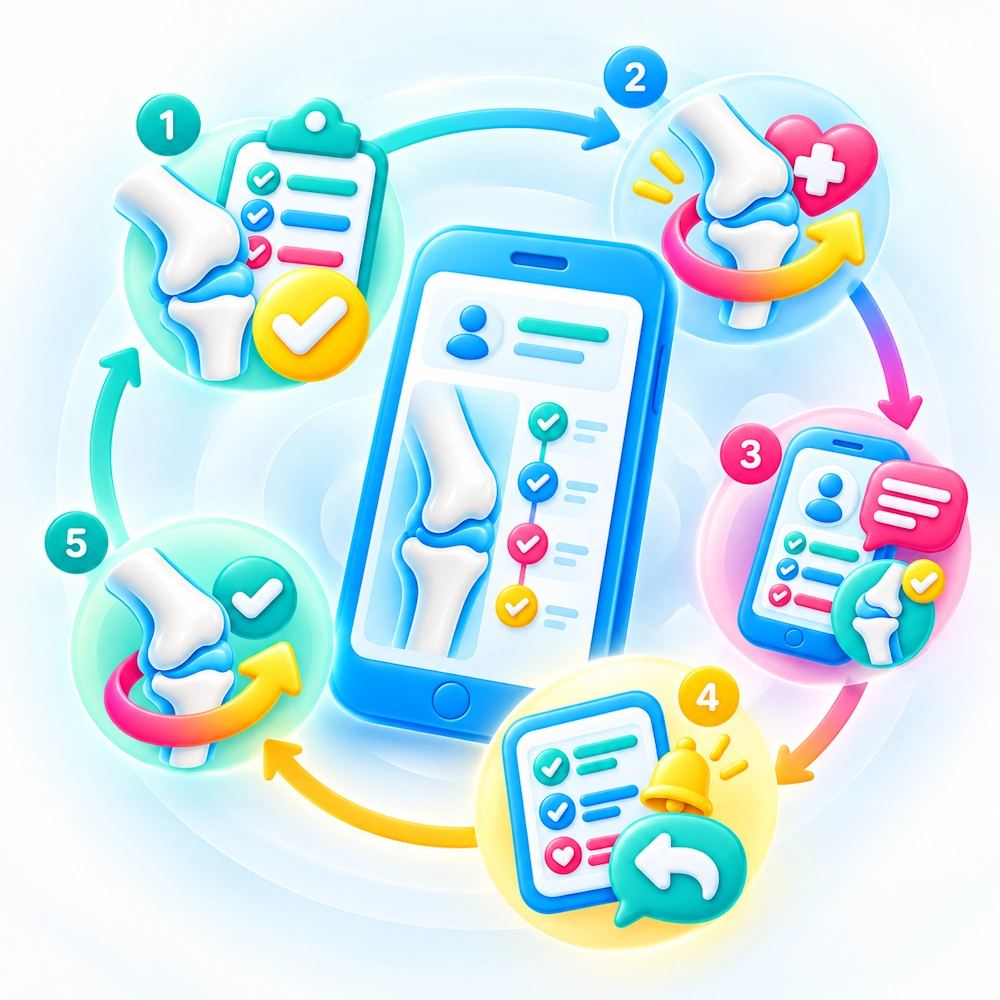

4. Review and Respond
Assigned staff review available pathway responses and configured alerts in Calcium Core. They apply approved criteria, contact patients when appropriate, and document clinical decisions in the organization's designated record according to established response timeframes and responsibilities.
5. Continue Guided Rehabilitation
As recovery progresses, the pathway can reinforce later rehabilitation milestones and follow-up tasks. Patients continue sharing relevant information while clinicians adjust ongoing treatment when indicated, using assessments and the wider clinical context to guide thoughtful decisions.
AUTOMATE THE ROUTINE. PERSONALIZE WHAT MATTERS.
Give Your Orthopaedic Team More Time for the Patients Who Need It
Reduce repetitive communications and organize follow-up around meaningful patient needs.
Orthopaedic practices rely on nurses, medical assistants, surgery coordinators, rehabilitation professionals, and administrative teams to keep patients informed and treatment plans moving. Much of that work involves recurring instructions, reminders, and routine questions that can consume time better spent on individualized care.
Calcium helps structure and automate selected patient interactions, making routine engagement more consistent while giving staff relevant information for follow-up. The goal is to make existing workflows more manageable—not create another unmonitored queue.
Automate Routine Guidance
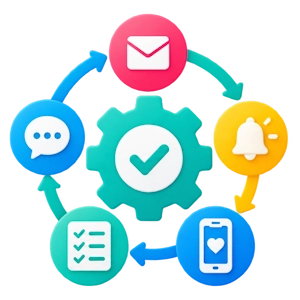
Schedule approved education, preparation reminders, and recurring questions through digital pathways instead of repeating every instruction by telephone. Use consistent content while preserving direct access to the clinical team whenever personal attention is needed.
Prioritize Meaningful Outreach
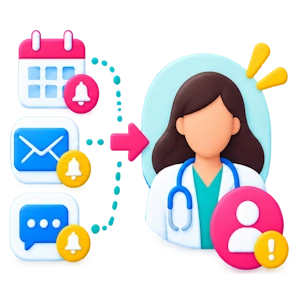
Review participation, patient questions, and configured alerts in one provider environment. Staff can organize a follow-up list using agreed criteria, rather than relying solely on individual calls to reveal who may need additional assistance.
Measure Workflow Results
Track pathway enrollment, completed check-ins, and routine staff time in a defined pilot. Compare results with a baseline to understand whether automation is improving operations without shifting additional hidden work onto nurses or coordinators.
A MORE COMPLETE VIEW OF YOUR PATIENTS
See More Than the Orthopaedic Condition
Bring available clinical records, health information, and patient-reported progress into a connected view.
Orthopaedic patients often have health needs that extend beyond their immediate injury, joint condition, or surgical procedure. Chronic conditions, prior procedures, medication histories, activity patterns, and patient-reported symptoms can all provide valuable context. Yet that information may be distributed across multiple providers, EHRs, and consumer health applications.
Calcium helps organize available clinical and patient-generated information within a provider-facing environment, allowing authorized teams to review relevant context alongside the patient's pathway participation and treatment journey.
Clinical Record Context
Review available diagnoses, medications, procedures, encounters, laboratory information, and other connected records when authorized. Verify critical details with the clinical source and recognize that availability depends on participating and authorized data connections.

Patient Reported Info
Collect answers about pain, symptoms, activity , recovery milestones and treatment questions. Longitudinal responses can enrich follow-up conversations while remaining distinct from verified clinical measurements or formal examinations performed by professionals.
Monitored Signals
Incorporate supported wearables, health apps, and device measurements when relevant to the patient's goals. Clinicians decide which information is meaningful and which consumer measurements require verification before clinical use for treatment decisions.
Longitudinal Insight
View relevant pathway activity, recorded metrics, and analytical trends across encounters in a shared provider environment. Assign clear responsibility to team members for review, secure sharing, and follow-up instead of assuming new data automatically creates action.
THE CALCIUM DIGITAL HEALTH PLATFORM
Bring Patient Guidance, Health Information, and Care Team Oversight Together
Three connected products help your orthopaedic practice extend care beyond the clinical encounter.
Effective digital orthopaedic care requires tools that work for patients as well as providers. Patients need easy ways to understand instructions and participate in their care. Clinicians need access to relevant responses and health information. Practices also need flexibility to build pathways suited to their specialties and protocols.
Calcium brings these roles together through its Super App, Core provider dashboard, and AI Studio, creating a connected engagement environment around the practice's existing clinical systems.
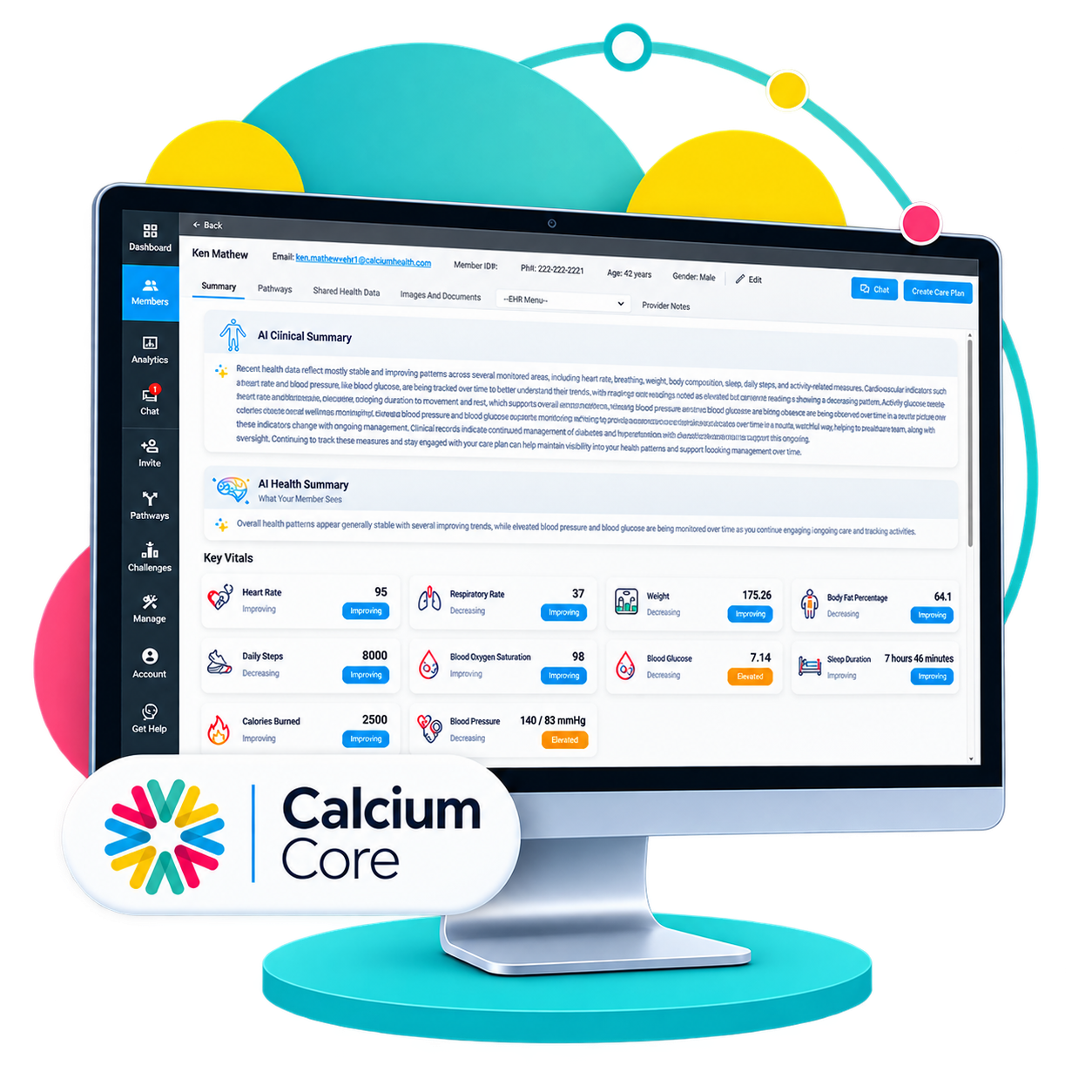
Calcium Core
Organize Provider Oversight
Calcium Core provides the provider-facing environment for available health records, pathway responses, shared data, analytics, and configured alerts. Practice teams can organize patients and review relevant information while retaining responsibility for clinical decisions, documentation, communication, and follow-up for every patient.
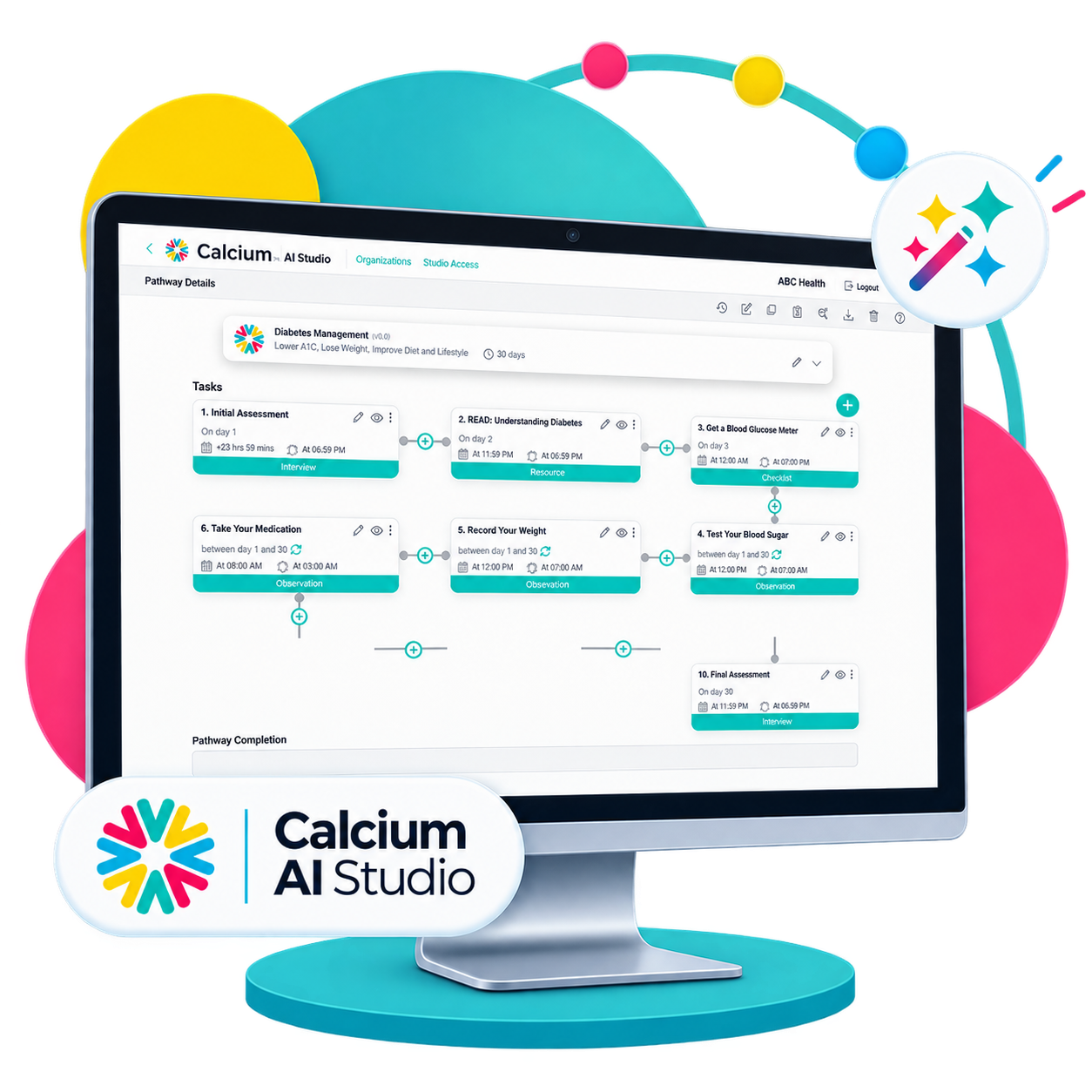
Calcium AI Studio
Create Personalized Pathways
Calcium AI Studio helps authorized professionals draft, customize, and manage digital care pathways for orthopaedic programs. Clinical owners review the content, tasks, timing, questions, and escalation criteria before assigning pathways that reflect their own treatment protocols across the patient's journey.
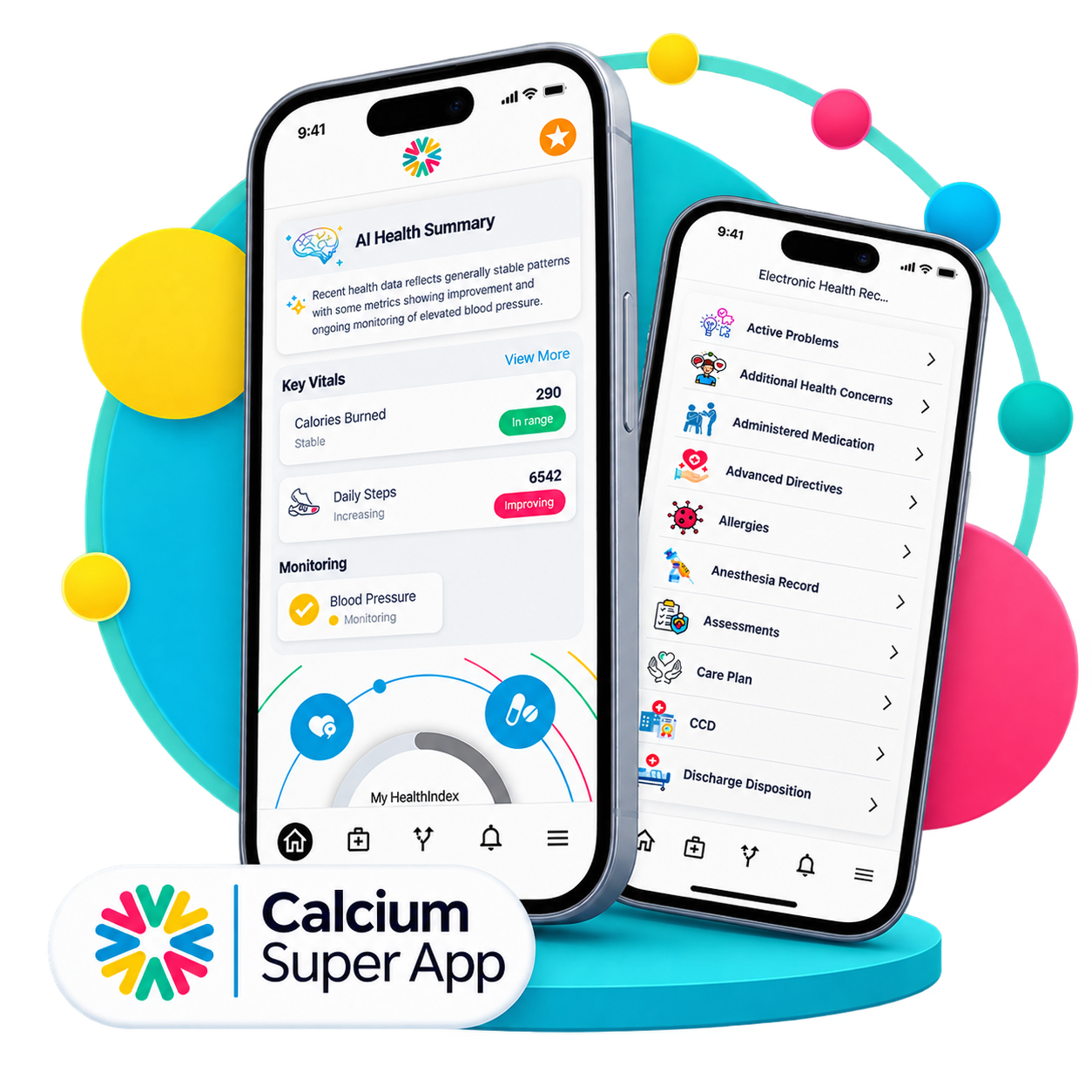
Calcium Super App
Support Patient Participation
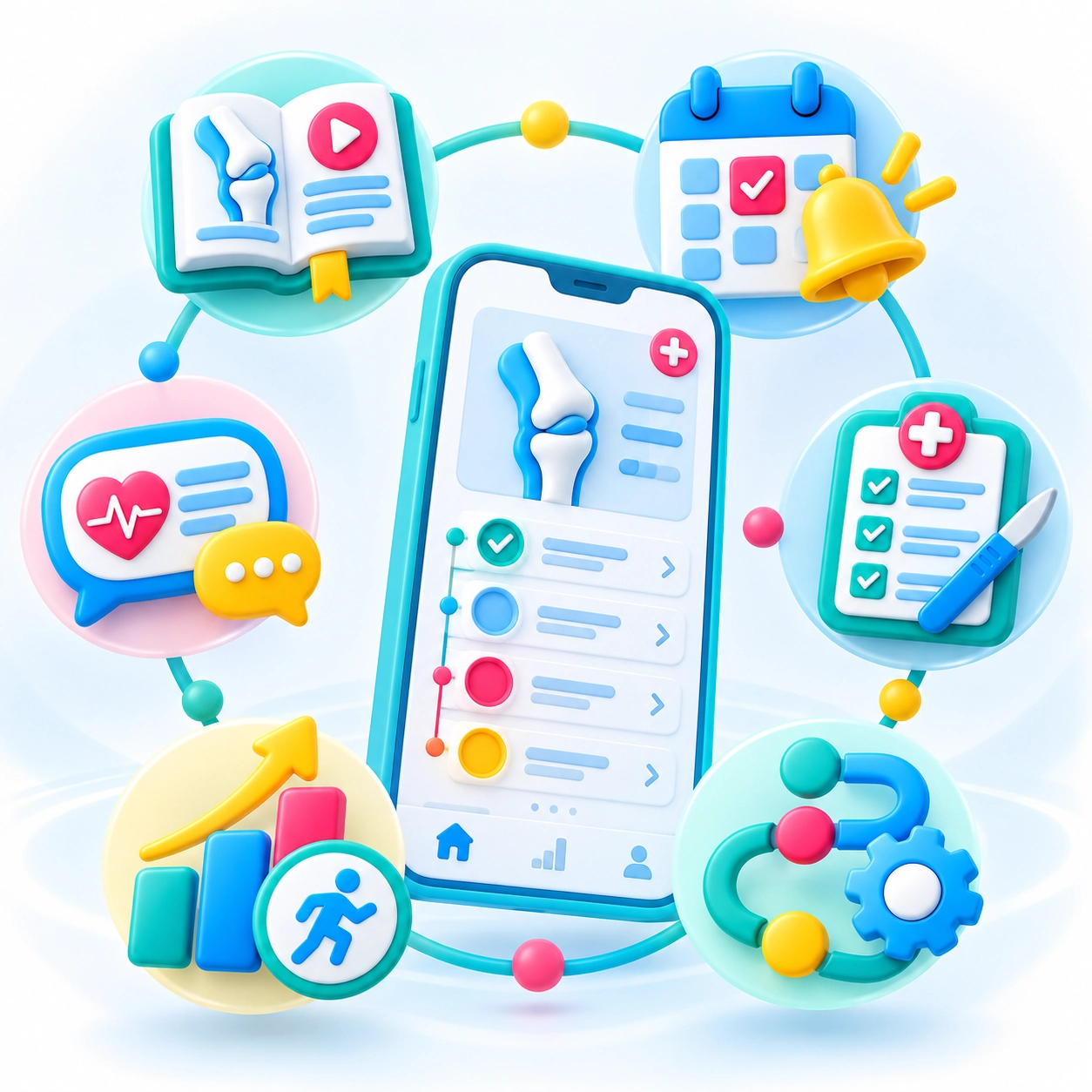
The Calcium Super App gives patients access to assigned pathways, reminders, health journaling, medication tracking, and available medical records. Its familiar mobile experience creates a practical place to follow approved instructions, record updates, and communicate with authorized clinicians between visits.
FLEXIBLE DIGITAL PATHWAYS FOR ORTHOPAEDIC MEDICINE
One Platform. Many Orthopaedic Specialties and Care Journeys
Support surgical recovery, injury rehabilitation, chronic joint conditions, and long-term musculoskeletal health.
Orthopaedic practices serve patients with widely different conditions, functional goals, and treatment needs. Some patients require structured preparation and follow-up after surgery, while others benefit from months of conservative treatment, physical therapy, or ongoing self-management.
Calcium Digital Pathways offer a flexible way to organize clinician-approved guidance across these different experiences. Practices can begin with a single program, adapt pathways to their protocols, and expand to additional specialties as their clinical and operational needs evolve.
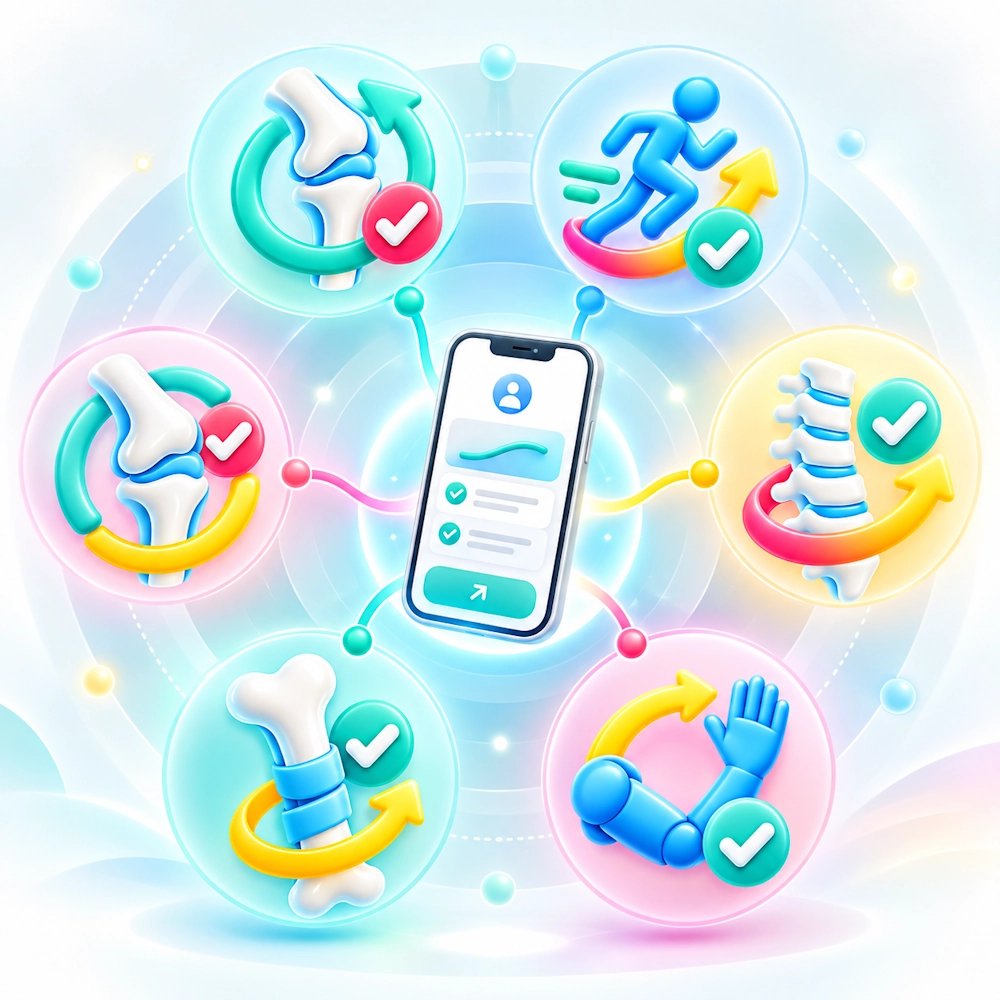
Joint Replacement Programs
Guide hip and knee replacement patients through preparation, recovery instructions, symptom check-ins, and rehabilitation reminders. Help care teams review reported progress and coordinate timely follow-up throughout the recovery journey.
Sports Medicine Programs
Support patients recovering from sports injuries with personalized education, activity reminders, and symptom check-ins. Help clinicians reinforce rehabilitation goals and monitor reported progress between appointments and scheduled follow-up visits.
Osteoarthritis Care Programs
Reinforce exercise plans, self-management education, medication reminders, and symptom tracking for osteoarthritis patients. Support long-term engagement while keeping physicians and therapists responsible for treatment decisions and ongoing assessment.
Spine Treatment Programs
Provide structured guidance for conservative spine treatment and postoperative recovery through prescribed activity reminders, symptom questions, and milestones. Help clinicians review reported changes and coordinate appropriate clinical follow-up care.
Fracture Recovery Programs
Guide fracture patients through activity restrictions, medication reminders, follow-up appointments, and rehabilitation milestones. Encourage symptom reporting and help care teams review progress throughout healing and recovery safely at home.
Upper Extremity Programs
Support hand, shoulder, wrist, and elbow patients with condition-specific education, rehabilitation reminders, and symptom check-ins. Keep treatment expectations clear while clinicians oversee progress and adjust care when clinically appropriate.
WHY CALCIUM
Make Connected Orthopaedic Care Work for Everyone Involved
Give physicians useful information, practices more manageable workflows, and patients clearer daily guidance.
Digital health technology delivers its greatest value when it fits the responsibilities and expectations of everyone involved in care. Orthopaedic physicians need relevant information without unnecessary distraction. Practice administrators need workflows that support productivity and responsible resource use. Patients need understandable guidance and access to their care team.
Calcium brings these needs together through clinician-directed pathways, patient engagement, and provider oversight, creating opportunities for practices to deliver a more coordinated care experience.
Keep Physicians Informed
Give surgeons and treating clinicians structured information about reported symptoms, pathway participation, and recovery questions between visits. Support better-informed conversations while maintaining professional judgment, examination, and established standards for clinical review.

Help Practices Work Smarter
Use reusable pathways and automated routine communications to support more patients with consistent engagement. Help administrators evaluate staff time, patient adoption, and workflow quality before deciding whether to scale additional programs in stages.
Help Patients Feel Supported
Provide a mobile place to review approved instructions, follow scheduled activities, record patient questions, and access available health information. Make participation easier to understand without implying that accessing the app substitutes for responsive clinical care.
FAQ
1. Does Calcium replace our existing orthopaedic EHR?
No. Calcium complements your existing electronic health record and practice management systems rather than replacing them. It adds personalized Digital Pathways, patient engagement tools, available health information, and a provider dashboard for reviewing patient responses between appointments. Your practice continues using established systems for documentation, orders, scheduling, billing, and clinical decisions. Before implementation, your team can review supported integrations, data availability, access permissions, and responsibility for monitoring and responding to information patients share through Calcium.
2. How can Calcium improve patient engagement between visits?
Calcium helps extend your care plan into patients' routines through personalized Digital Pathways in the Super App. Patients receive approved education, scheduled reminders, rehabilitation activities, and check-ins that encourage consistent participation between visits. They can report symptoms, questions, and progress for authorized care teams to review in Calcium Core. This creates more opportunities to reinforce treatment and identify barriers, while allowing your practice to measure engagement rather than assuming that every patient follows the plan.
3. Can we use Calcium for nonsurgical orthopaedic treatment?
Yes. Calcium supports more than surgical preparation and recovery. Orthopaedic practices can configure Digital Pathways for osteoarthritis, chronic joint pain, sports injuries, conservative spine care, and other nonsurgical musculoskeletal needs. Pathways may include clinician-approved education, activity reminders, symptom journals, and scheduled questions. Care teams can review patient-reported information and adjust guidance when appropriate. Calcium supports ongoing engagement but does not replace physical examination, supervised rehabilitation when indicated, or clinical reassessment as a patient's needs change.
4. What support does Calcium offer joint replacement patients?
Calcium can help guide joint replacement patients before surgery and throughout recovery. Clinician-approved pathways deliver preparation checklists, procedure education, medication reminders, discharge guidance, rehabilitation activities, and symptom check-ins. Patients can share progress and concerns, while authorized staff review responses in Calcium Core and coordinate appropriate follow-up. Your practice defines review schedules, clinical escalation criteria, and urgent-care instructions. Calcium supports continuity, but it does not independently determine surgical readiness, diagnose complications, or replace direct clinical assessment.
5. Can our physicians create custom orthopaedic pathways?
Yes. Calcium AI Studio helps physicians and authorized team members draft, customize, and manage Digital Pathways for specific orthopaedic clinical conditions, procedures, and patient needs. Pathways can include education, scheduled activities, reminders, questionnaires, and criteria for follow-up. Your clinical team reviews and approves the content, timing, and workflow before assigning it to patients. AI assists pathway development; it does not prescribe treatment independently or replace your physicians' expertise, protocols, and responsibility for individual clinical decisions.
6. How can Calcium support physical therapy adherence?
Calcium can reinforce therapist-directed rehabilitation through reminders, approved exercise instructions, educational resources, and questions about completed activities. Patients can report pain, barriers, and concerns between sessions, giving clinicians additional context for follow-up. Care teams can review participation through Calcium Core and adjust support when appropriate. However, patient-reported completion does not verify correct technique or guarantee adherence. Practices should assess results through engagement measures and appropriate clinical evaluations, while continuing hands-on therapy whenever it is indicated.
7. What can clinicians see in the Core dashboard?
Calcium Core provides authorized clinicians with a relevant provider-facing view of available patient health information and pathway activity. Depending on connections and permissions, teams may review diagnoses, medications, procedures, vital signs, patient-reported symptoms, questionnaire responses, supported device data, and longitudinal trends. Configured alerts can help staff organize timely follow-up. Data completeness varies by source, so clinicians should confirm critical details with the appropriate record and establish clear responsibilities for reviewing responses and communicating with patients.
8. Does Calcium provide continuous clinical monitoring?
Calcium supports ongoing digital engagement, but it should not be described as continuous, around-the-clock clinical monitoring. Patients can receive guidance and submit updates through the Super App outside scheduled visits. However, your organization determines when responses are reviewed, who manages alerts, and how concerning information is escalated. Practices must provide clear instructions for urgent symptoms and emergencies. Digital check-ins extend communication opportunities; they do not replace staffed surveillance, immediate clinical access, or emergency medical services.
9. Can Calcium help reduce administrative workload?
Calcium can automate routine patient education, preparation reminders, rehabilitation prompts, and scheduled check-ins that might otherwise require repeated phone calls. Staff can review patient responses and pathway participation in Core to prioritize appropriate follow-up. Savings are not automatic: onboarding, pathway management, alerts, and clinical outreach still require ownership. We recommend measuring actual staff time, communication volume, and patient participation during a focused pilot to determine whether Calcium meaningfully reduces repetitive operational work in your practice.
10. Does Calcium integrate outside medical records and wearables?
Calcium can bring together available electronic health records and information from supported health apps, wearables, and connected devices, subject to authorization and technical connections. This may provide context about medications, prior procedures, activity, and other health measures alongside pathway responses. Integration availability varies by system and data source. Before deployment, confirm which records, device measurements, permissions, update schedules, and workflows your practice needs. Calcium does not guarantee access to every outside medical or imaging system.
11. Can we collect patient reported outcomes with Calcium?
Calcium Digital Pathways can gather structured patient responses about pain, mobility, activity limitations, rehabilitation progress, daily functioning, and overall patient satisfaction over time. Clinicians can review this information to support follow-up and understand the patient's reported experience. If your practice uses validated instruments such as KOOS Jr., HOOS Jr., PROMIS, or ODI, confirm compatibility, licensing, scoring, and reporting requirements first. Collecting questionnaire responses does not automatically constitute validated outcomes analysis or submission to quality registries.
12. Can Calcium support multiple orthopaedic specialties?
Yes. Calcium's configurable Digital Pathways can support joint replacement, sports medicine, osteoarthritis, spine treatment, fracture recovery, and upper-extremity care within one platform. Each specialty can develop clinician-approved instructions, reminders, questions, and follow-up schedules aligned with its protocols. Authorized teams can review relevant patient information at appropriate stages through Calcium Core. We recommend beginning with one defined use case, establishing clinical ownership, and expanding only after evaluating engagement, staff workflow, and technical requirements across the practice.
13. How does Calcium protect patient health information?
Calcium supports secure sharing of health information through its platform, but every implementation requires appropriate privacy and security review. Your practice should confirm applicable HIPAA requirements, contractual protections, any needed business associate agreement, access permissions, and patient authorization processes. Staff should receive guidance on appropriate use and responsibility for sensitive information. Request Calcium's current security documentation and independently verify its controls, integrations, retention policies, and incident procedures rather than relying solely on general marketing statements.
14. Can Calcium help with bundled payments or reimbursement?
Calcium can support activities relevant to coordinated surgical episodes, such as preparation guidance, discharge education, patient check-ins, and follow-up information. These workflows may be useful to practices and hospitals participating in bundled-payment or value-based arrangements. However, Calcium is not presented as a complete billing, prior-authorization, claims reconciliation, or reimbursement management system. Your organization should independently confirm program eligibility, documentation and reporting requirements, coding, contract terms, and financial accountability before associating specific workflows with payment opportunities.
15. What is the best way for our practice to start?
Start with one patient population and one measurable operational goal, such as improving joint replacement check-in completion or reducing routine postoperative phone calls. Identify a clinical owner, select or customize an approved Digital Pathway, assign review responsibilities, and define escalation procedures. Enroll a manageable initial pilot group and track participation, patient experience, and staff time against a baseline. Carefully use those findings to refine the workflow before expanding to additional procedures, providers, or orthopaedic specialties.